





 Portuguese
  English
  Spanish
  6 min of reading
  0 comments


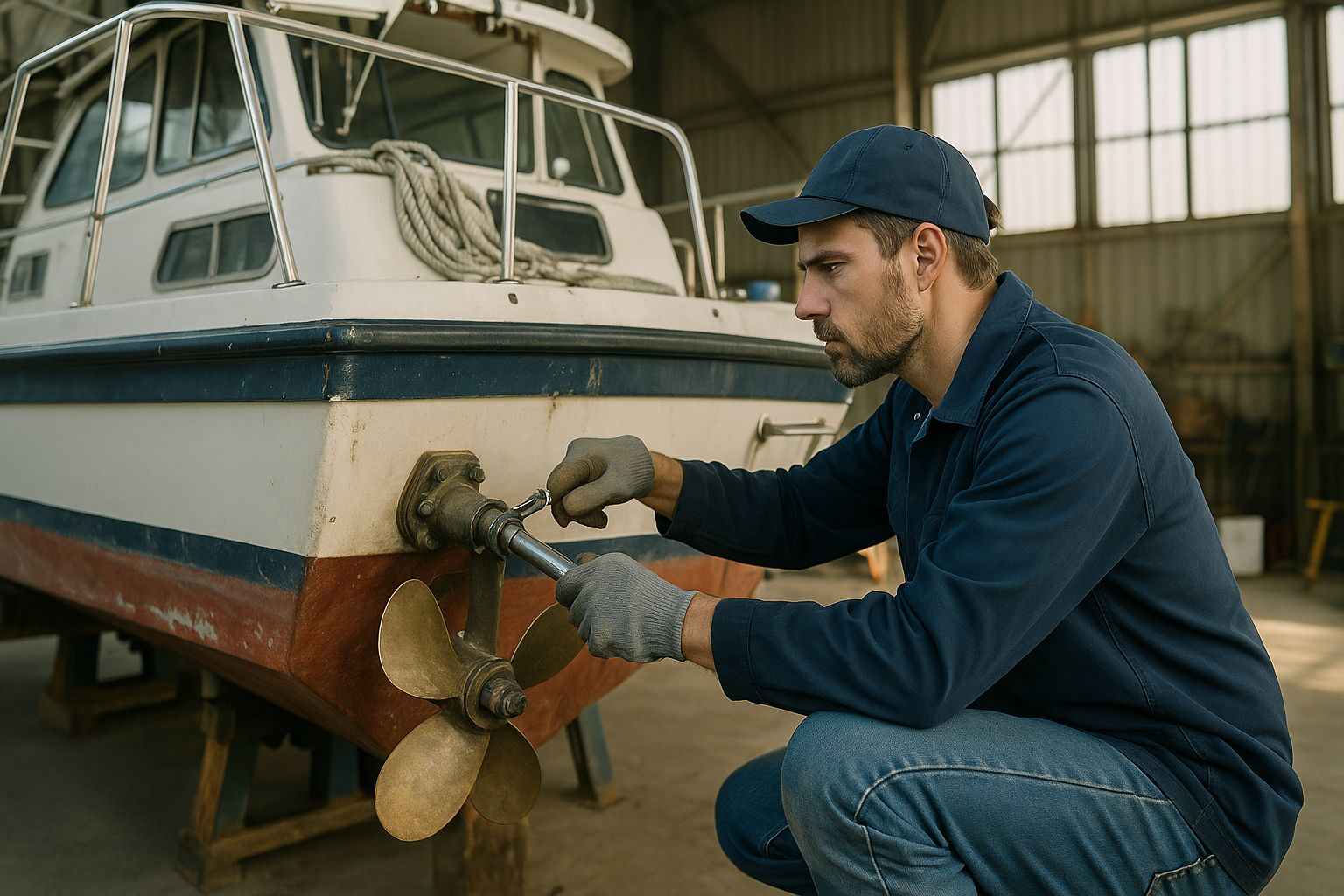
Understand Why Vessel Maintenance Is Essential to Ensure Safety, Durability, and Good Performance at Sea, Preserving the Value of Your Boat for Many Years.
Since ancient times, the relationship between humans and the sea has been fundamental. Initially, peoples such as the Egyptians, Phoenicians, Greeks, and Romans used vessels to transport goods, explore territories, and fight in wars.
According to the Naval Museum of Rio de Janeiro, the earliest vessels date back to around 4000 BC, when wooden construction began to become popular.
Over time, boats evolved significantly, transitioning from simple canoes made from trunks to vessels built using advanced techniques, utilizing wood, metals, and later composite materials such as fiberglass.
-
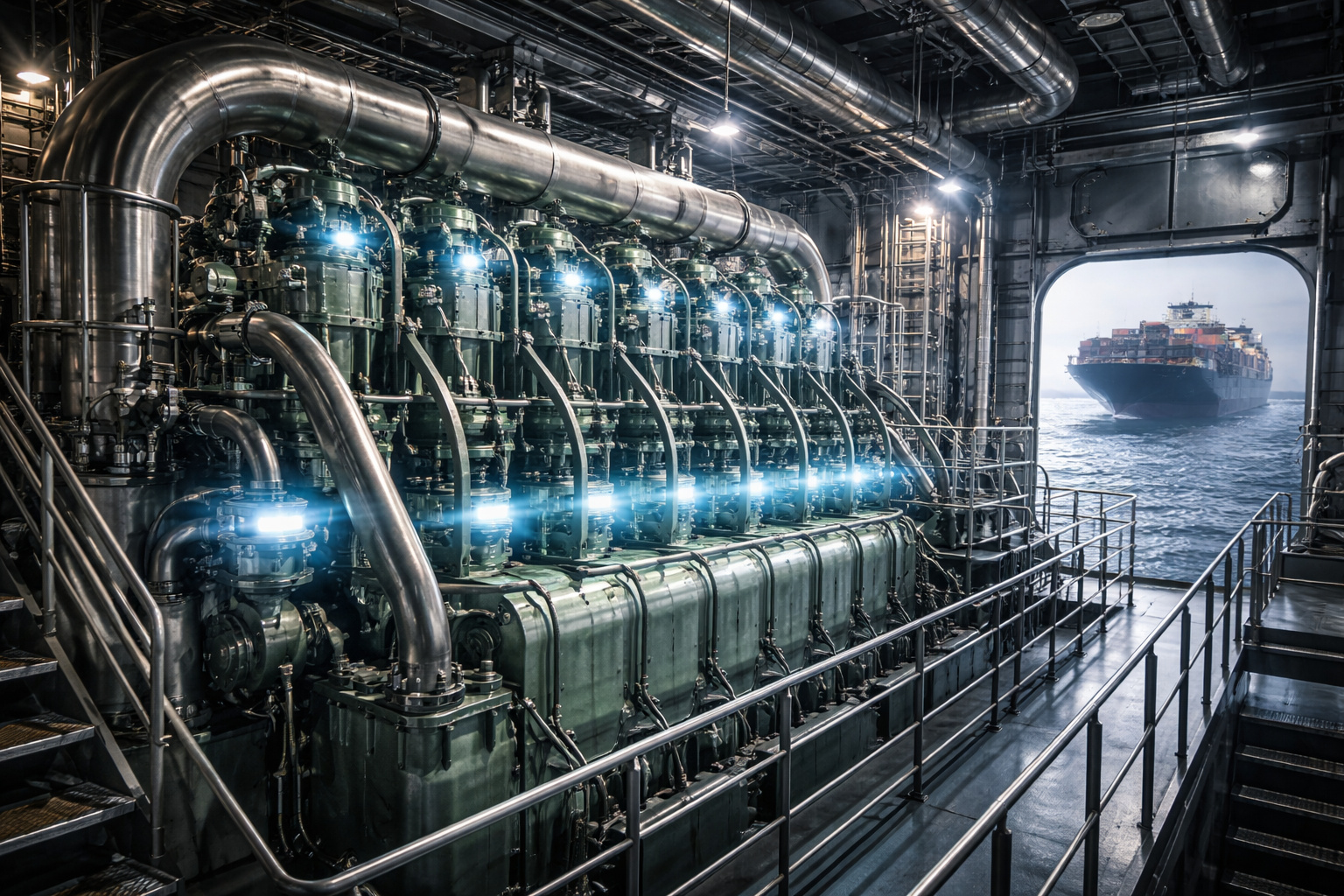
Europe is trying to create an ammonia-powered marine engine without auxiliary fuel, which could unlock the race for giant emission-free ships. The technology aims to eliminate one of the biggest obstacles to clean maritime propulsion.
-
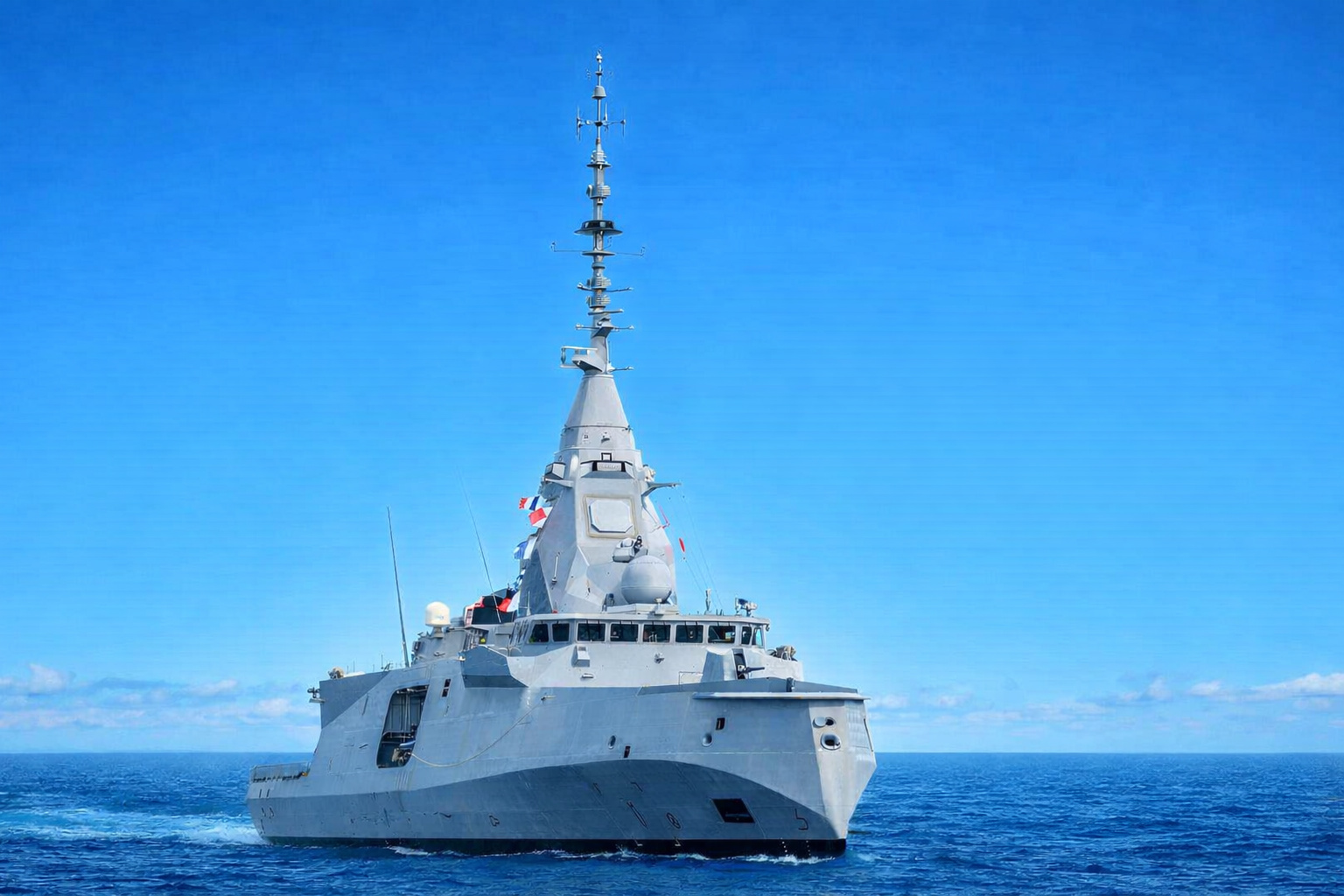
A 4,500-ton frigate with just over 100 crew members, state-of-the-art radar, and cruise missiles is being touted as the new standard of naval warfare in the 21st century.
-
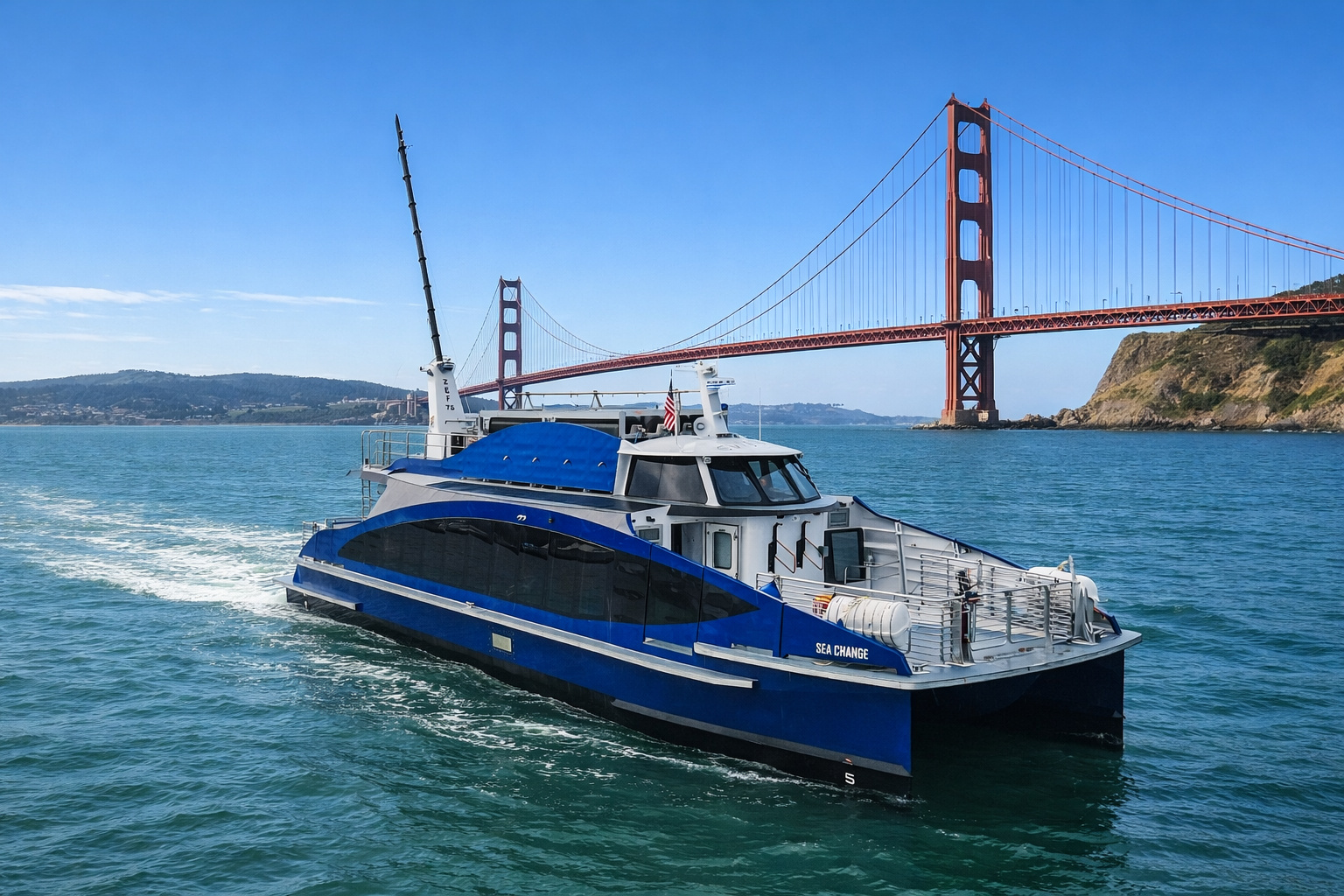
The first commercial hydrogen-powered ferry enters operation in the U.S., eliminates the use of diesel, uses fuel cells to generate clean energy on board, and transforms San Francisco Bay into a landmark of the new era of emission-free navigation.
-
With a length of 121 meters and four rigid sails of 36 meters that automatically rotate to capture the wind, Canopée is the world’s first hybrid industrial cargo ship powered by wind, used to transport rockets and reduce fuel consumption by up to 30% on transoceanic routes.


However, despite these changes, one thing has always remained constant: the need to care for and maintain vessels.
According to the Naval Museum of Rio de Janeiro, even in ancient civilizations, periodic repairs on wooden hulls were routine to prevent rotting, leaks, or damage caused by mollusks and algae.
In fleets of warships and maritime exploration, crews frequently stopped at ports to clean and repair their vessels.
In this way, this care preserved safety during voyages, as a small leak or failure in the rudder could mean the end of the expedition — and, in many cases, put lives at risk.
Additionally, this constant care ensured the safety of the crew and also protected the investment in that ship. For ancient societies that depended on maritime trade, losing a ship meant a significant economic impact.
Therefore, maintenance, even if rudimentary, has always been one of the most important tasks in naval life.
Preventive and Corrective Maintenance: The Foundation for Safety at Sea
With the advancement of naval technology, maintenance processes have become much more complex.
Today, vessel maintenance involves structural, mechanical, electrical, hydraulic, and electronic aspects.
After all, a modern boat has powerful engines, control panels, GPS navigation systems, sensors, and even internal automation networks.
Therefore, all this equipment requires constant and specialized care.
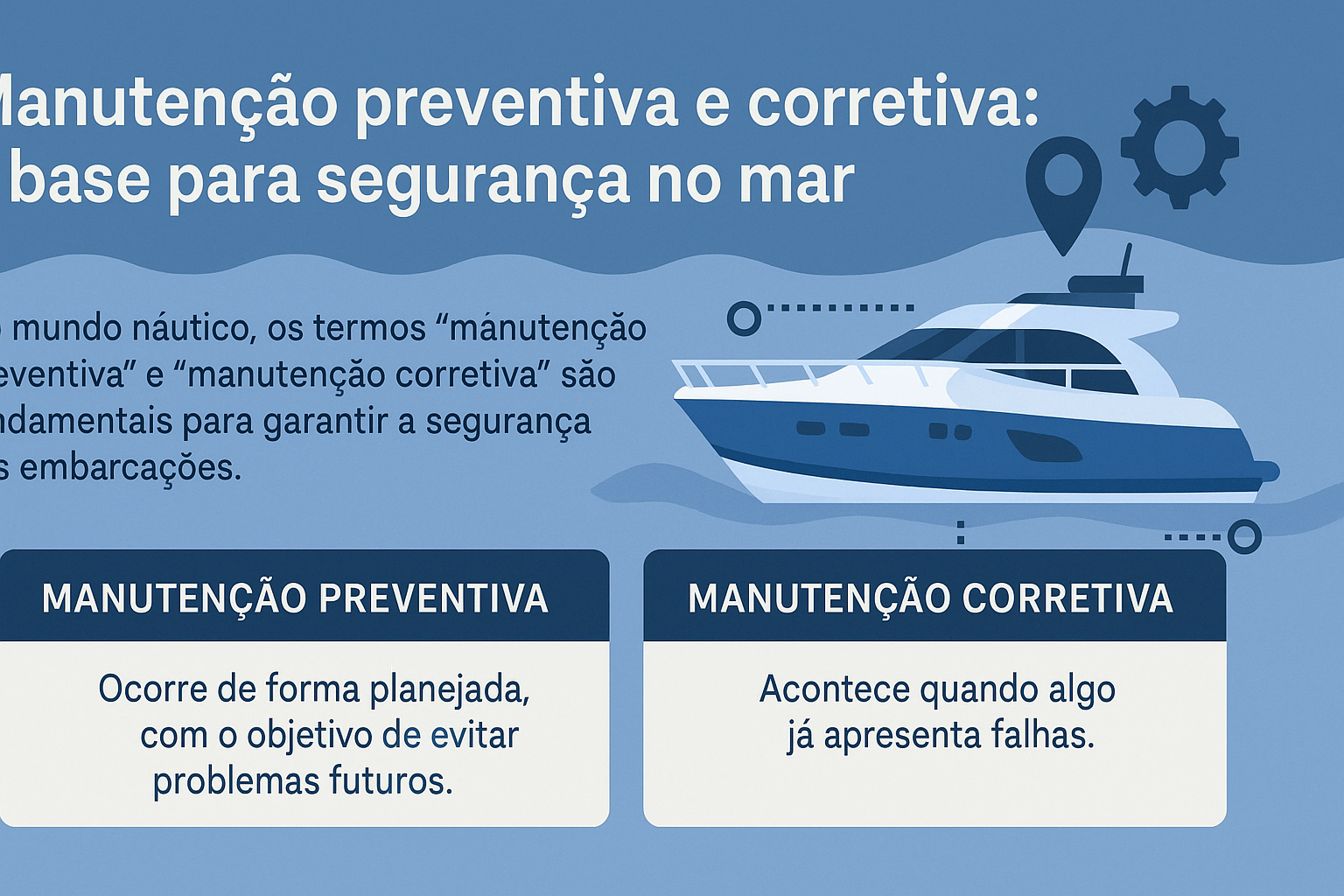
In the nautical world, the terms “preventive maintenance” and “corrective maintenance” are crucial.
According to the Brazilian Navy, these two types of maintenance are essential to ensure the safety and navigability of vessels.
Preventive maintenance occurs in a planned manner, aiming to avoid future problems.
Among the activities performed are cleaning the hull, changing the engine oil, inspecting propellers, reviewing the electrical system, and checking safety equipment.
Corrective maintenance occurs when something already has failures, such as an engine that won’t start, a steering system that fails, or a bilge pump that stops working.
We can compare preventive maintenance to a regular visit to the doctor for routine check-ups — in this way, it avoids unpleasant surprises.
Boat owners who neglect these cares face problems that could easily be avoided.
According to the Captaincy of Ports, an agency of the Brazilian Navy, preventive maintenance is essential to ensure the navigability and safety of vessels in any category.
Therefore, performing preventive maintenance frequently ensures peace of mind and safety during navigation.
Indeed, in all cases, attention is fundamental. A small oversight can cause financial losses and risks for those on board.
For this reason, owners, sailors, and specialized technicians follow rigorous routines of inspection and care. This practice applies to all types of vessels, whether recreational speedboats and sailboats or fishing boats, barges, and commercial ships.
Conservation and Specific Care: Protection Against the Maritime Environment
Vessel maintenance involves not only checking if the systems work.
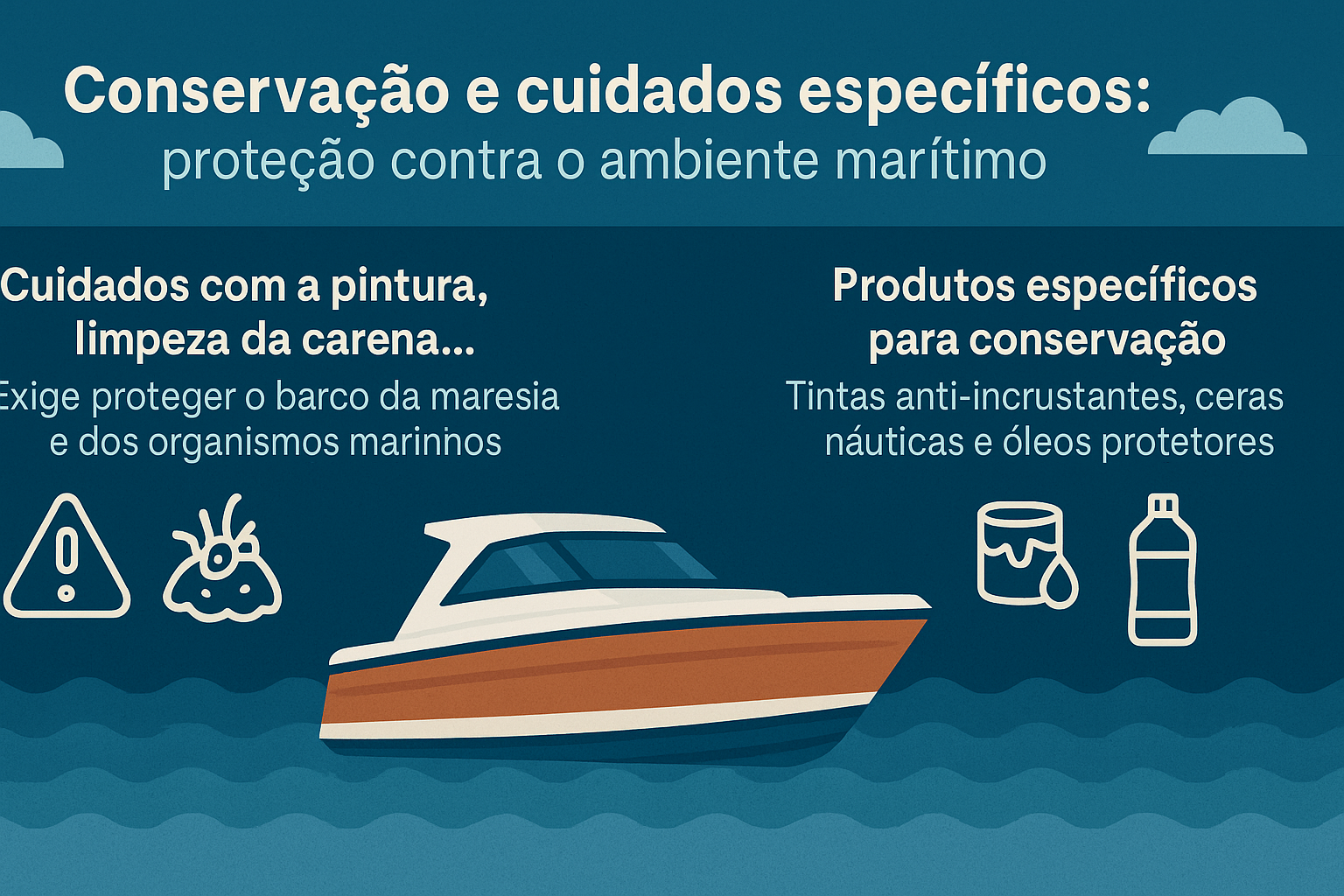
Moreover, it requires care with painting, cleaning the submerged part (hull), preserving upholstery, glass, and metals, which suffer wear from continuous contact with sun, salt, wind, and water.
After all, salt spray is one of the biggest enemies of boats, accelerating the oxidation and corrosion of metal parts.
In addition, marine organisms, such as barnacles and algae, adhere to the hull, harming the vessel’s performance.
This phenomenon, known as biofouling, increases fuel consumption and reduces speed. Therefore, it is essential to clean the hull regularly to maintain efficiency and reduce operating costs.
According to the National Institute for Space Research (INPE), prolonged exposure to the maritime environment requires constant maintenance to avoid common problems that affect vessels worldwide.
Today, there are specific products to protect and preserve these parts of the boat.
In the past, pitch and natural waxes were used, but nowadays, there are antifouling paints, protective oils, marine waxes, descalers, and other products developed based on scientific studies.
Therefore, choosing the correct products and techniques directly influences the vessel’s durability.
Another important point is the boat’s storage location. Keeping the vessel in covered or dry places, especially during periods when it will not be used, helps to avoid damage caused by continuous exposure to natural agents.
Thus, protecting against sunlight, excessive moisture, and impacts should be part of the care routine.
Norms, Laws, and the Importance of Technical Inspections
Legislation also plays an important role in maintenance.
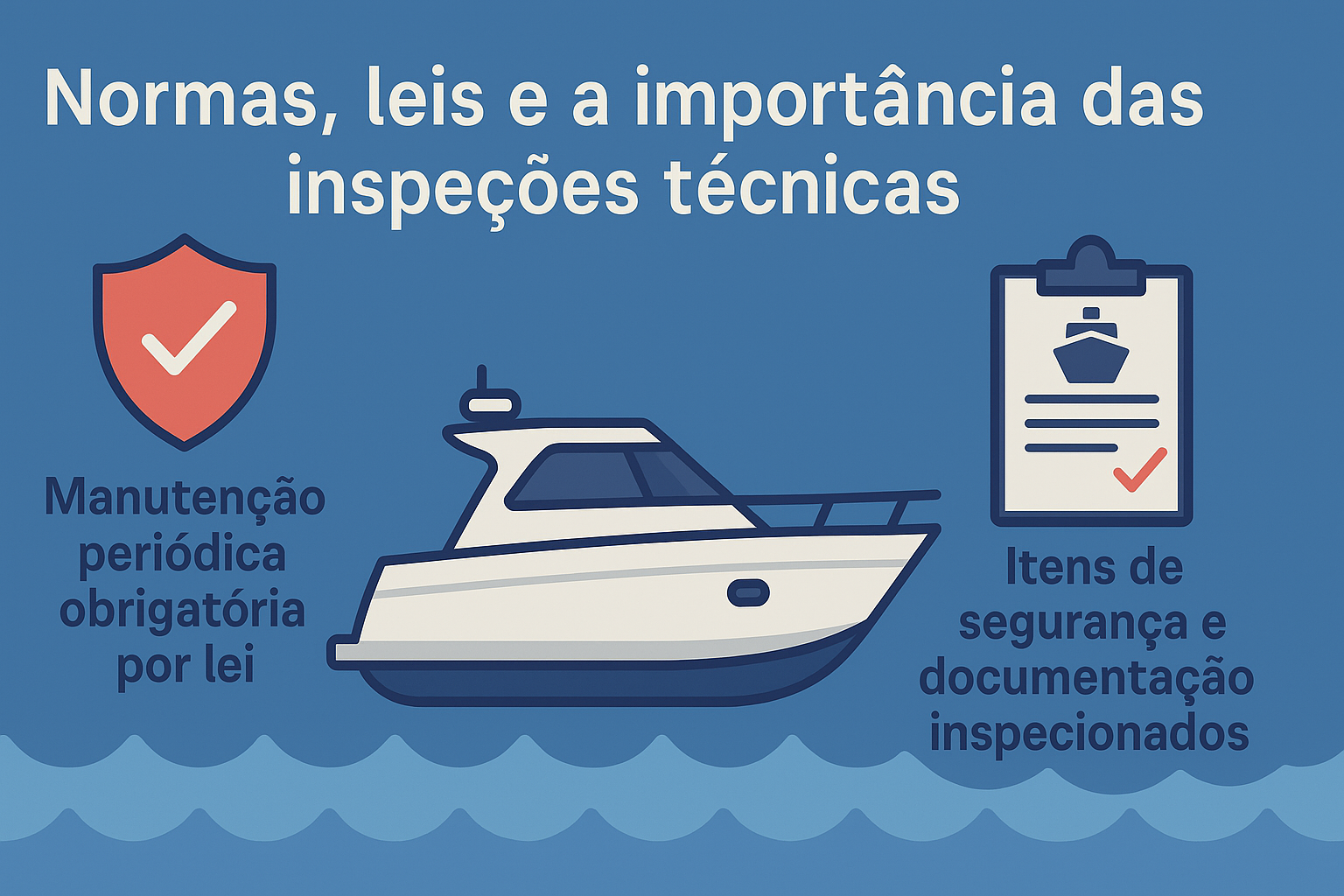
In many countries, periodic maintenance of vessels is required by law. In Brazil, for example, the Navy, through the Captaincy of Ports, defines technical standards and deadlines for inspecting safety items and documentation.
These rules ensure that boats are fit to navigate safely, reducing the risk of accidents.
Vessels are usually subject to annual technical inspections, especially those that transport passengers or operate commercially.
Any renovations, replacements of parts, or modifications to the original project need to be communicated and registered, updating the vessel’s documents.
Following these norms goes beyond legal obligation. They represent a set of best practices that preserve the vessel’s integrity and the safety of those on board.
In addition, they contribute to environmental responsibility, helping to prevent accidents and pollution.
From an economic perspective, taking good care of the boat also helps preserve its resale value.
Well-maintained vessels, with up-to-date services and a complete maintenance history, have higher value and attract buyers more quickly.
This applies to small boats, such as dinghies and speedboats, as well as larger vessels, such as catamarans and yachts.
According to data from the Brazilian Association of Naval Builders and Repairers (ABCRN), the Brazilian nautical market grew by 15% in the last five years, reinforcing the importance of maintenance for the sector.
The Current Market and the Valuation of Specialized Maintenance
With the growth of nautical tourism, boat rentals, and water sports, vessel maintenance has gained even more prominence.
In this way, specialized companies offer scheduled maintenance packages, docking services (removing the boat from the water for repairs), painting, polishing, parts replacement, electronic diagnostics, and even consulting for buying and selling.
New professions have emerged with this demand.
Nautical technicians, marine mechanics, maritime engineers, and electricians specializing in vessels are in high demand, especially in coastal regions and cities with marinas and ports.
They need to know the specificities of the marine environment and stay updated with the technologies of the naval sector.
In addition, digital technology has facilitated maintenance monitoring.
Computerized systems track the condition of engines, alert for parts replacements, and help control the maintenance history.
These tools reduce unexpected failures and prolong the lifespan of the vessel.
Despite modernity, the spirit of care remains the same as in ancient times: to ensure that the boat is ready to navigate safely.
In every service, we are reminded that the sea, although beautiful, can be unpredictable.
Therefore, keeping the vessel in good condition is a form of respect for life, the investment, and the history of navigation.
Whether you are an experienced sailor, a new boat owner, or a boat enthusiast, understanding the importance of vessel maintenance is essential.
Caring regularly, making repairs when necessary, and following technical maintenance are not just routine tasks — they are the foundation for continuing to be enchanted by the nautical world.










-

Uma pessoa reagiu a isso.