





 Portuguese
  English
  Spanish
 4 min of reading
  0 comments


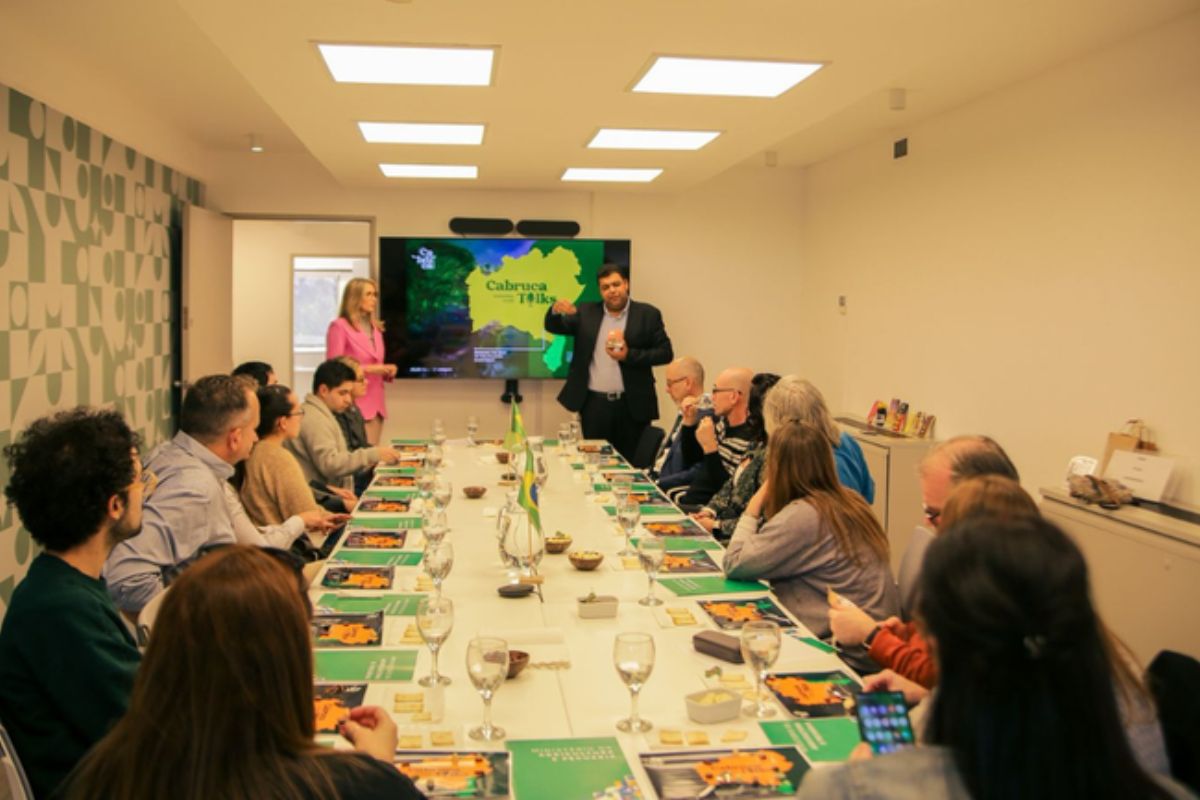
Mapa Held Business Round In Buenos Aires That Brought Together 20 Argentine Companies And Generated R$ 500 Thousand In Chocolate Sales, In Addition To Negotiations For The Export Of 10 Tons Of Premium Almonds
Mapa (Ministry of Agriculture and Livestock) held a business round in Argentina dedicated to Brazilian cocoa and the initial results are already attracting attention from the sector.
In just one day, the initiative generated half a million reais in chocolate sales and paved the way for the export of 10 tons of premium almonds.
The meeting took place in Buenos Aires and brought together 20 representatives from Argentine companies and government agencies, according to a news article published.
-
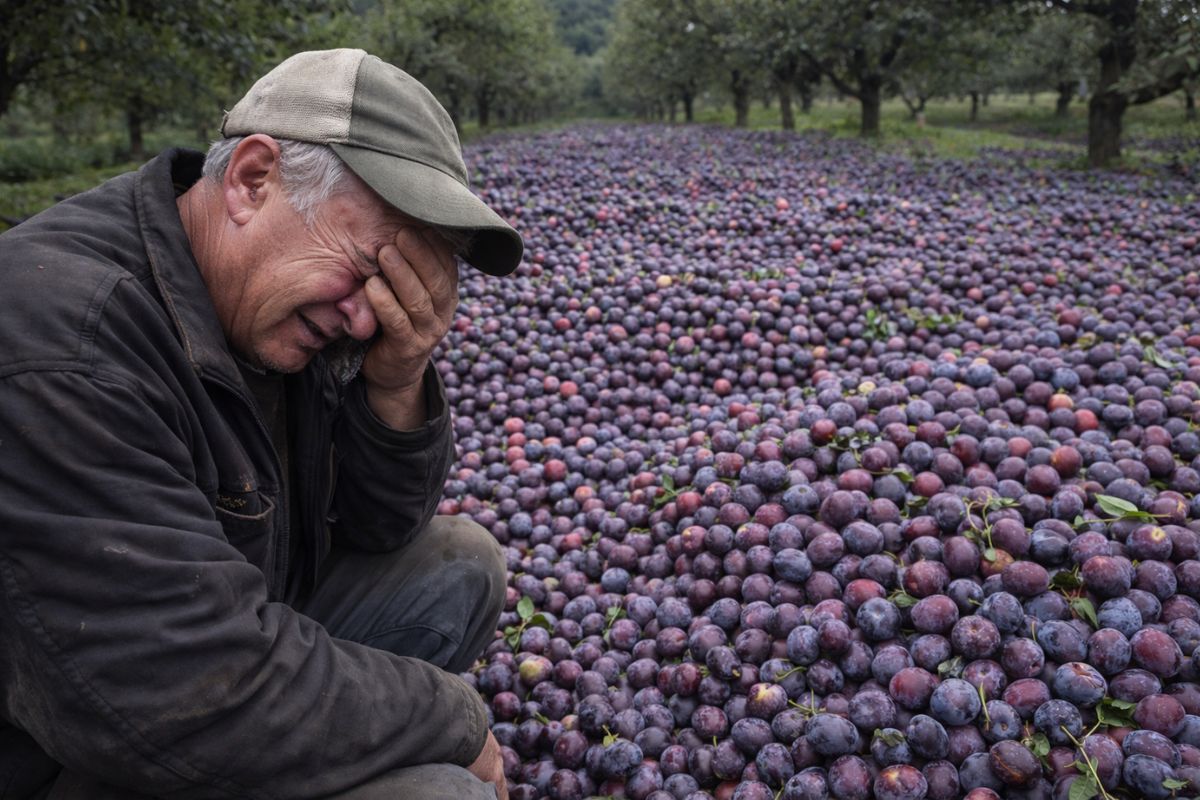
A rural producer from Urubici cries as he shows 50 tons of plums thrown on the ground because no one wanted to buy them, and in desperation, he records a video asking anyone to come to the property to pick the fruits before they rot.
-
Unable to pass through Hormuz, Brazil activated a plan B that uses Turkey as a gateway to the Middle East: the route through Gibraltar and the Mediterranean is longer and more expensive but ensures that chicken, beef, and corn continue to reach Arab markets.

-
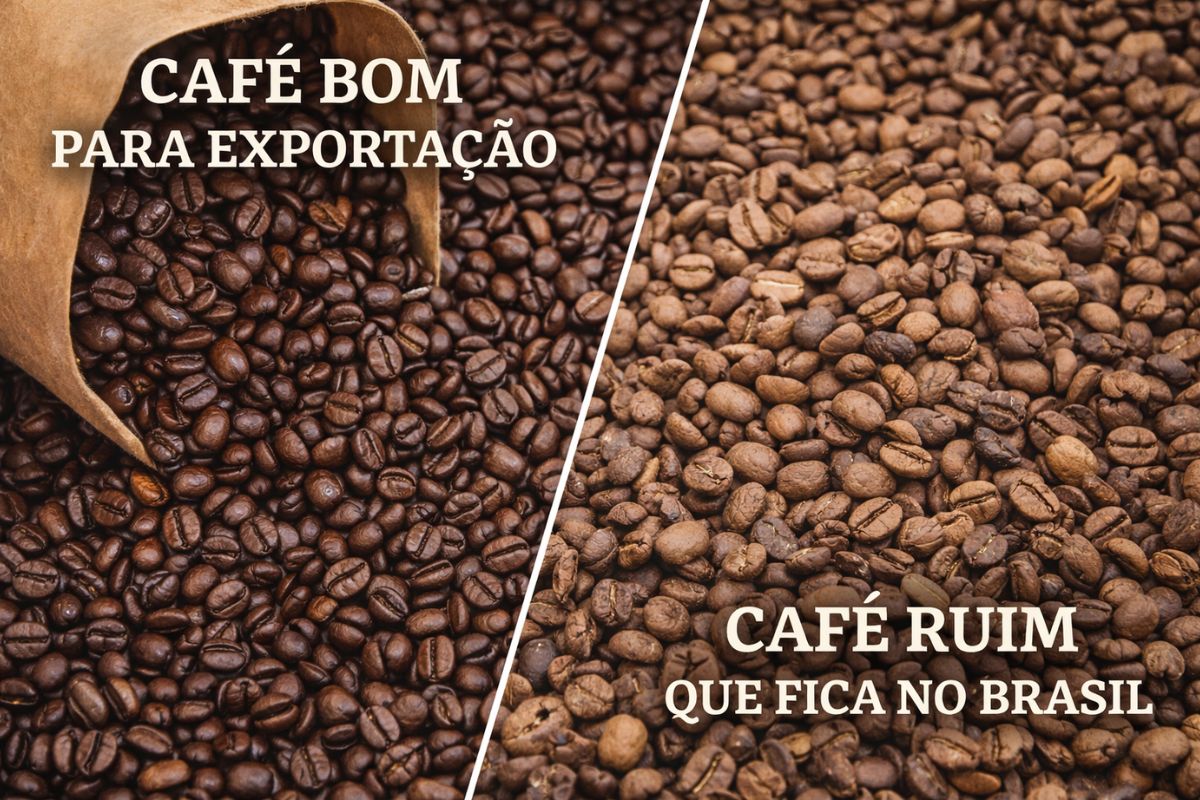
You grew up hearing that the good coffee from Brazil goes all abroad and the bad coffee stays for Brazilians, but this story has completely changed, and the numbers show that in the 1980s, thirty percent of the coffee sold here was adulterated with corn and barley.
-
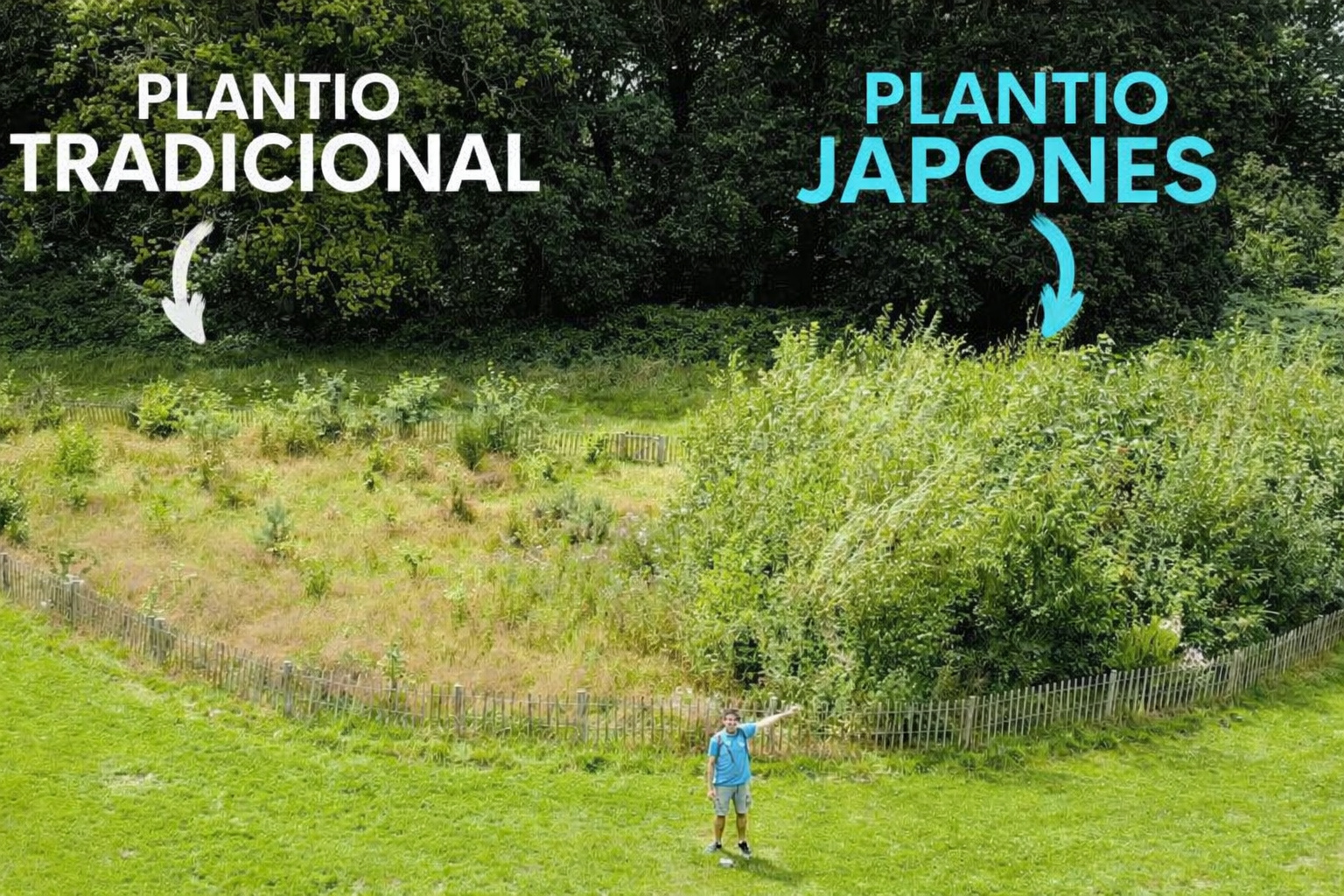
Engineer creates reforestation method that transforms small plots into dense forests in a few years using local biomass and can reduce environmental recovery costs.

The action was organized by the Agricultural Attaché of the Brazilian Embassy, which has been strengthening the relationship between the two countries in food trade.
The event arose from the growing interest of the Argentine market in cocoa produced in Brazil, especially due to its sustainable model and internationally recognized quality.
The round was a continuation of the La Chocolaterie 2025 fair, also held in the Argentine capital, which attracted over 30 thousand visitors and hundreds of brands from the sector.
The Mapa participated in the fair with its own institutional pavilion, increasing the visibility of Brazilian cocoa to buyers and potential partners.
The Role of Premium Almond Exports in Sector Growth
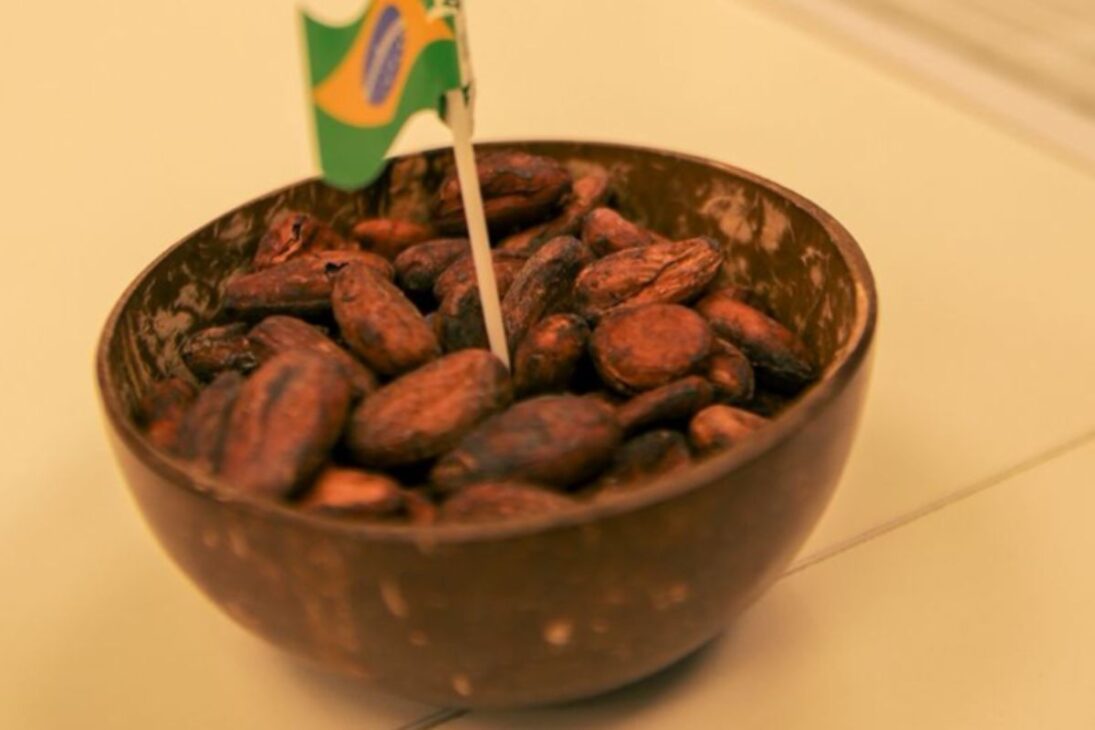
During the round, Mapa presented the cocoa belt of Southern Bahia, one of Brazil’s main producing regions.
Also highlighted was the Cabruca agroforestry system, which preserves the Atlantic Forest by integrating cocoa and native trees in the same productive environment.
In addition to premium almonds, other derivatives such as butter, molasses, powder, and controlled origin chocolates were showcased.
One of the central points was the technical tasting of products, which allowed Argentine importers to experience the sensory differences and quality of Brazilian cocoa.
In this space, discussions arose about tariffs, logistics, and phytosanitary requirements, essential topics to expand almond exports.
Among the participants were restaurants, cafés, and ice cream shops recognized in the Argentine market, opening doors for new business partnerships.
Sustainable Chocolates Attract Attention In The International Market
Another highlight presented by the Mapa was the work of the Cabruca Consortium, formed by micro and small family agriculture enterprises, largely led by women.
The production is based on responsible practices aligned with the UN/UNIDO manual, strengthening sociobiodiversity and promoting the preservation of the Atlantic Forest.
The sustainable chocolates produced by the consortium have already won international awards and are present in prestigious locations such as Fifth Avenue in New York, and chocolatiers in London.
This visibility reinforces how sustainability adds value to the product and attracts buyers in demanding markets. For the Argentine audience, the combination of flavor and socio-environmental responsibility was one of the major differentiators.
Family Agriculture As A Force In Foreign Trade
Family agriculture played a central role in the round promoted by Mapa, showing that organized small producers can conquer the external market.
The Cabruca Consortium is a practical example of this model, connecting family farmers with international companies.
During the presentation, it became evident that the union between agricultural tradition and institutional support yields solid results.
The possibility of large-scale exports opens perspectives for stable income and international recognition for communities that produce high-quality cocoa.
For Argentine buyers, this format guarantees traceability, supplier diversity, and commitment to good productive practices.
Brazilian Agro-export Strengthens Presence In The Argentine Market
The advances achieved in the round are part of the Agro-exporter Caravan, an initiative by Mapa aimed at encouraging the export culture in Brazil.
The goal is to connect producers with the opportunities offered by the international market and consolidate the country’s image as a reference in quality agricultural products.
In Buenos Aires, in addition to the immediate sales of R$ 500 thousand in chocolates, participants initiated negotiations for the shipment of a container with 10 tons of premium almonds.
As next steps, individual follow-ups, shipment of commercial samples, and technical visits to Southern Bahia are planned.
The Agricultural Attaché will continue to support the process, ensuring regulatory support for both Argentine importers and Brazilian exporters.
With this strategy, agro-export strengthens Brazil’s positioning as a reliable and innovative partner in the cocoa supply chain.








Seja o primeiro a reagir!