





 Portuguese
  English
  Spanish
 4 min of reading
  0 comments


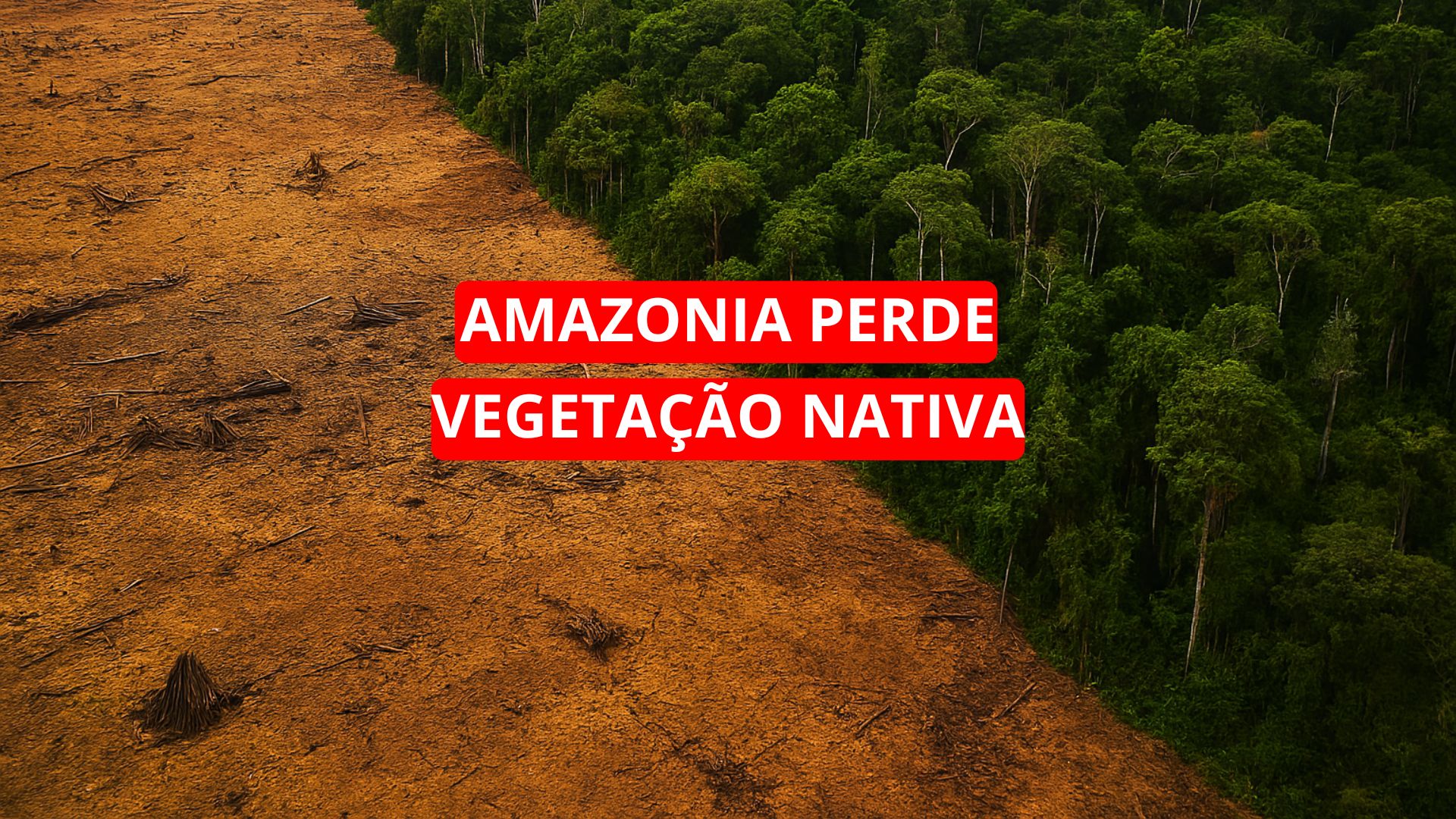
New MapBiomas Study Reveals Accelerated Loss of Native Vegetation in the Amazon, Expanding Environmental Alerts About the Impacts on the Environment and Global Climate
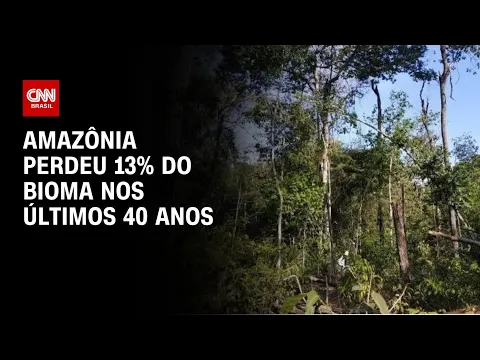
On September 15, 2025, the MapBiomas project released an alarming study about deforestation in the Amazon. According to the data, between 1985 and 2024, the biome lost 52 million hectares of native vegetation— an area equivalent to the territory of France.
The survey reinforces an urgent environmental alert about the impacts of human occupation and environmental degradation in the largest tropical forest on the planet.
The research, based on satellite images and land use analysis, shows that 13% of the Amazon territory has been converted for human activities, such as livestock, agriculture, mining, and forestry. The study is considered one of the most comprehensive on the transformation of the Brazilian landscape in recent decades.
-
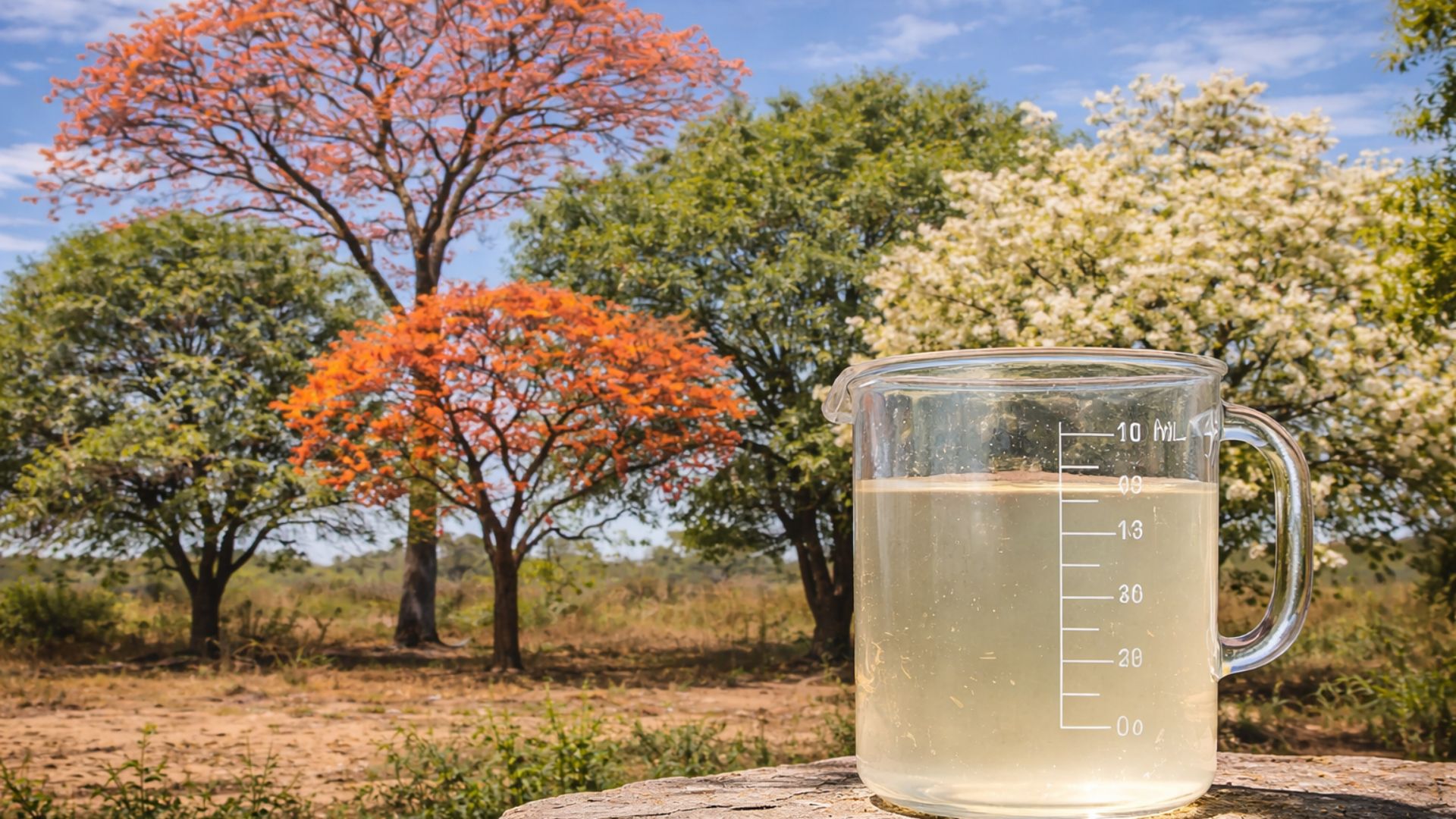
Embrapa’s discovery reveals an unexpected advancement by allowing the production of seedlings from the caatinga using brackish water, opening a new frontier for farmers to face drought more efficiently.
-
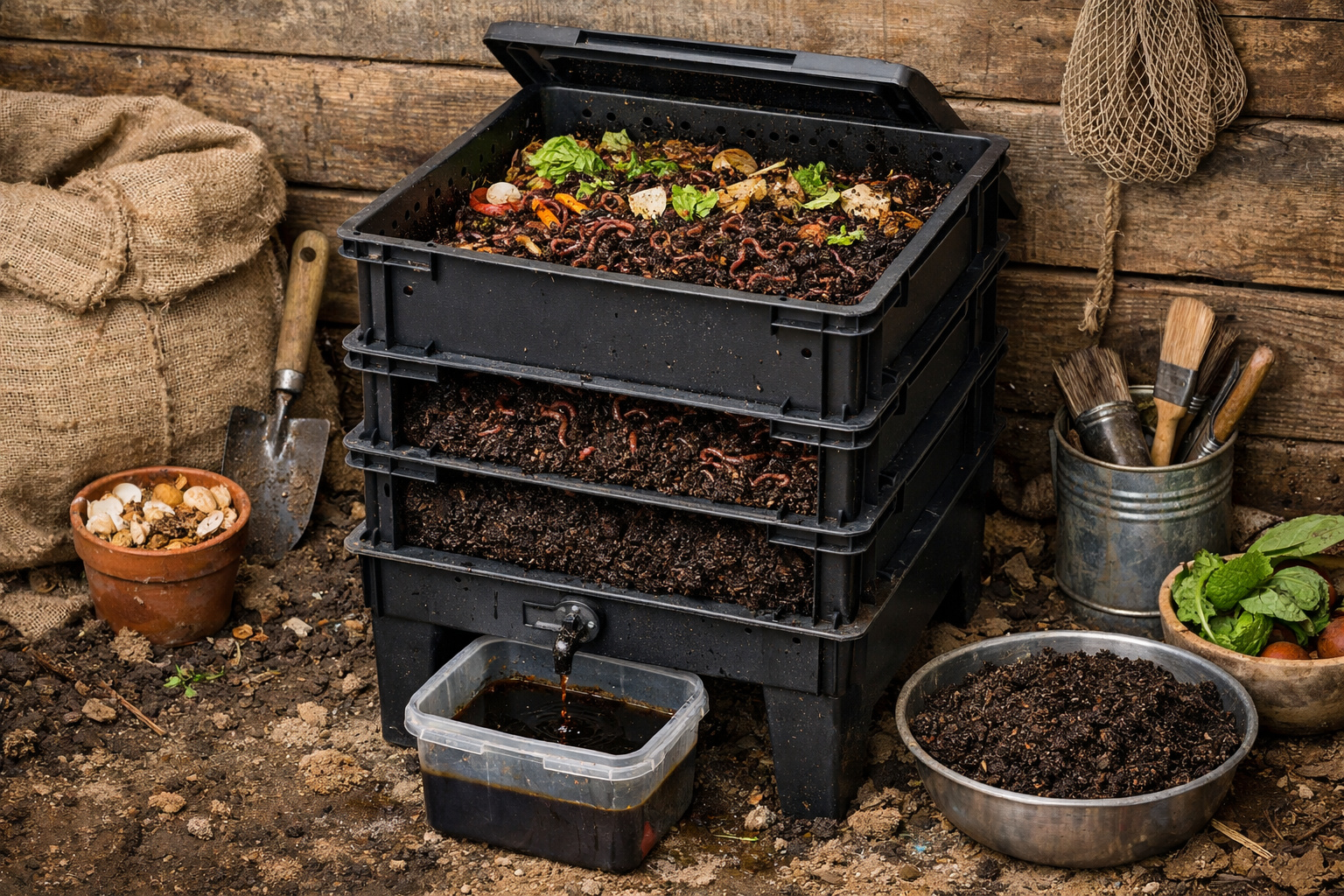
6 sources of free fertilizer that you are throwing away every day and can transform your garden without spending anything.
-
With a water crisis on the radar, Sabesp invests in reclaimed water for data centers and transforms sewage treatment into a solution that saves millions of liters and protects public supply.

-
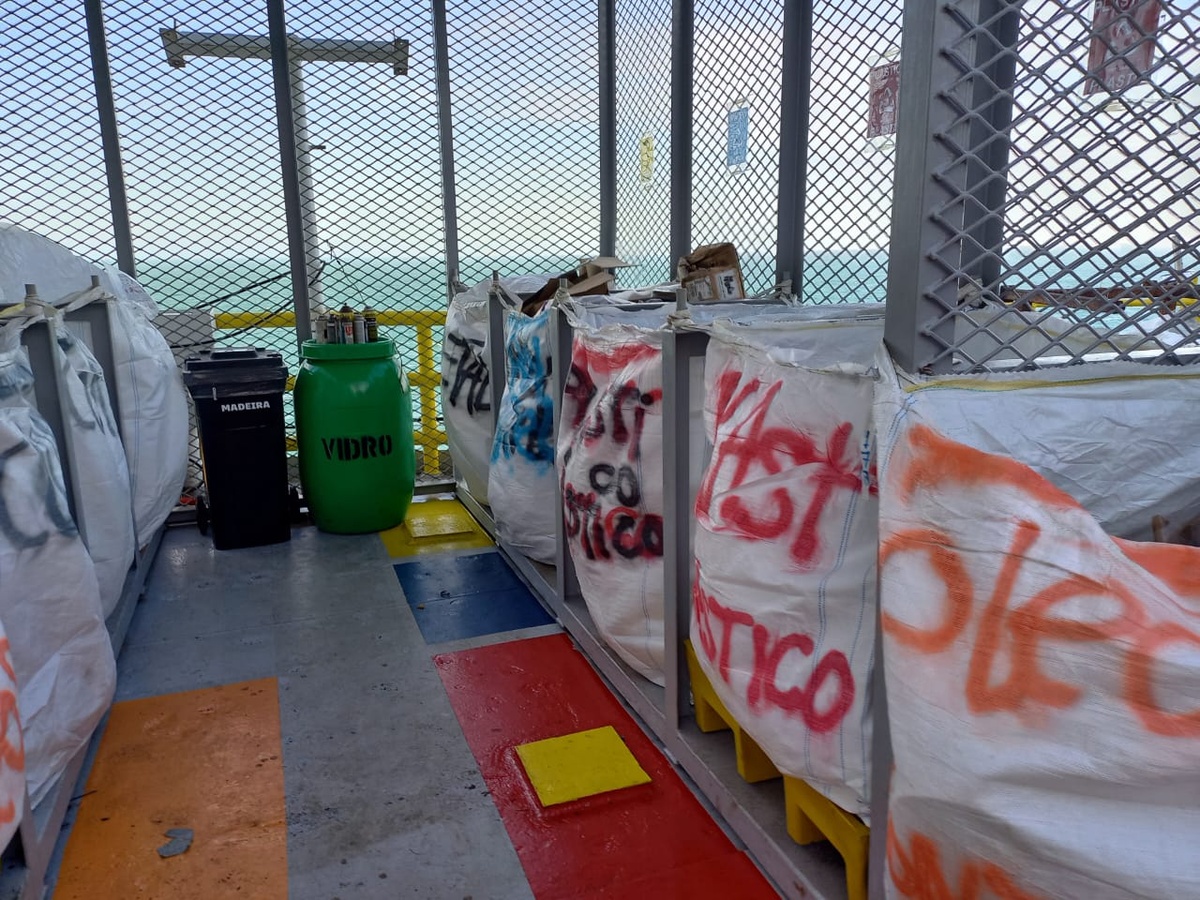
Foresea achieves 100% offshore waste reuse in 2025, eliminates landfill disposal, and consolidates sustainable strategy with 1,500 tons recycled.

Key Data from MapBiomas About the Amazon
The MapBiomas report indicates that the Brazilian Amazon has already lost 18.7% of its native vegetation. Of this total, 15.3% has been occupied by economic activities, while 3.4% is in the process of regeneration. The forest has been the most affected type of vegetation, with 49.1 million hectares suppressed — equivalent to 95% of the total loss.
Bruno Ferreira, a researcher at MapBiomas, warns that the biome is approaching a point of no return, estimated between 20% and 25% loss of vegetation cover. This point represents the limit beyond which the forest can no longer regenerate naturally, compromising its biodiversity and the ecosystem services it provides.
Expansion of Livestock and Agriculture Intensifies Environmental Alert
The conversion of natural areas into pastures and croplands is the main driver of deforestation in the Amazon. In 1985, pastures occupied 12.3 million hectares. By 2024, this number soared to 56.1 million hectares, representing an increase of more than four times.
Agriculture has also grown rapidly. In 1985, there were about 180 thousand hectares cultivated. By 2024, this number reached 7.9 million hectares — a growth of 44 times. Soy is the main agricultural crop in the biome, occupying 74.4% of the cultivated area, with 5.9 million hectares.
Despite the Soy Moratorium, which prohibits the commercialization of grains grown in deforested areas after 2008, MapBiomas identified that 769 thousand hectares of forest were directly converted into soybean crops after this date. This highlights failures in monitoring and enforcing environmental policies.
Forestry and Mining Pressuring the Environment
Another relevant factor is the growth of forestry and mining in the Amazon region. Forestry — the cultivation of exotic species such as eucalyptus and pine — increased 110 times, rising from 3.2 thousand hectares in 1985 to 352 thousand hectares in 2024.
Mining grew from 26 thousand hectares to 444 thousand hectares in the same period. The expansion of these activities poses a direct threat to native vegetation and biodiversity in the Amazon, as well as generating social and economic impacts on local communities.
The advance of illegal mining, especially on indigenous lands and conservation units, also contributes to the worsening of the environmental crisis. The lack of adequate control and monitoring allows these areas to be exploited in a predatory manner.
Native Vegetation in Regeneration: Signs of Hope
Despite the devastation, the MapBiomas study identified areas in the process of regeneration. In 2024, about 2% of the green cover of the Amazon corresponded to secondary vegetation — previously deforested areas that have not been cleared again and are recovering naturally.
This number represents 6.9 million hectares in regeneration. In the last year, 88% of deforestation occurred in primary vegetation, while 12% affected recovering areas. These data indicate that, although timid, the regeneration of native vegetation is possible, provided there are effective policies for protection and incentivizing forest restoration.
Government Actions to Contain Deforestation in the Amazon
The federal government has adopted measures to curb the advance of deforestation. In 2024, the Interministerial Commission for Prevention and Control of Deforestation (CIPPCD) was created, bringing together 19 ministries in an integrated approach.
The Real-Time Deforestation Detection System (Deter), operated by the National Institute for Space Research (Inpe), contributed to a reduction of up to 45.7% in deforestation alerts between 2023 and 2024. This decline is attributed to intensified monitoring and the use of advanced technologies.
Additionally, the Amazon Fund was reactivated, financing sustainable projects in states and municipalities. In 2024, the government invested R$ 318.5 million to strengthen monitoring, acquiring drones, helicopters, and reinforcing security forces in the region.

The Role of MapBiomas in Defending the Environment
MapBiomas is a collaborative initiative that brings together universities, NGOs, and technology companies to monitor land use in Brazil. Its data is essential for guiding public policies, conservation actions, and sustainable development strategies.
By revealing the loss of native vegetation in the Amazon, the project reinforces the environmental alert and the urgent need to protect the environment. The transparency and accuracy of the data make MapBiomas a reliable and essential source for the debate on forest preservation.
Public access to information allows managers, researchers, and citizens to track the evolution of land use and demand effective actions from governments and companies. The democratization of data is an important step towards strengthening environmental governance in Brazil.
The Future of the Amazon Depends on Immediate Action
The loss of 52 million hectares of native vegetation in the Amazon in just 40 years is a clear sign that we are facing an unprecedented environmental crisis. The MapBiomas study, released in September 2025, reinforces the environmental alert and demands immediate actions to curb the advance of degradation.
The native vegetation of the Amazon plays a crucial role in global climate balance, biodiversity conservation, and maintenance of hydrological cycles. Protecting this biome means protecting the environment as a whole — and, consequently, ensuring a sustainable future for the upcoming generations.








Seja o primeiro a reagir!