





 Portuguese
  English
  Spanish
 3 min of reading
  0 comments


The Largest Ship of the Brazilian Navy Was Sunk and the Operation Received Criticism. Aircraft Carrier São Paulo Was Sunk 350 Km Off the Coast at 5 Thousand Meters Depth, Understand the Reason!
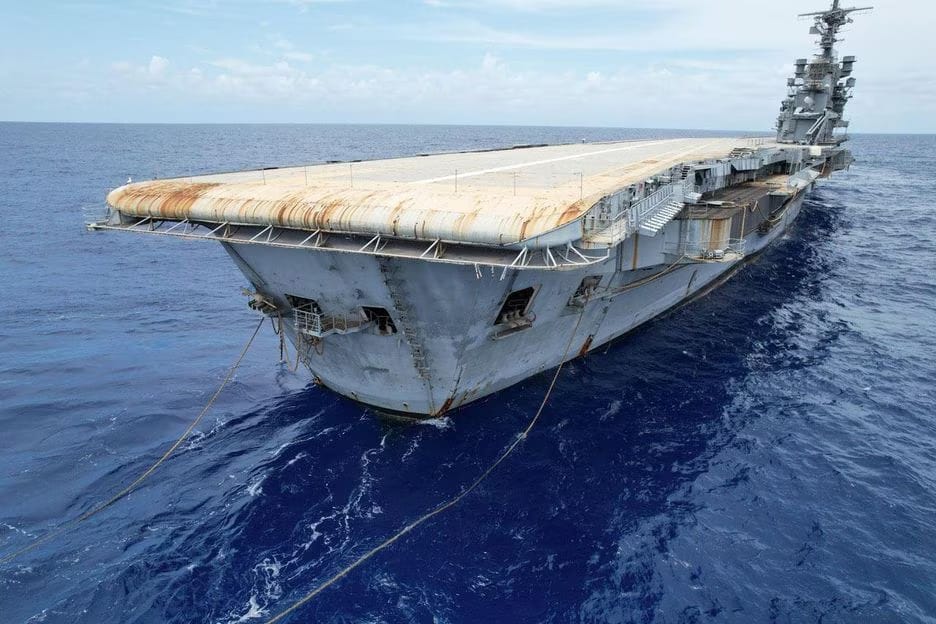
The aircraft carrier São Paulo was sunk by the Brazilian Navy in February of last year despite a R$ 30 million offer from a Saudi group for the vessel and after approval from the Judiciary. The sinking occurred 350 kilometers off the Brazilian coast, in an area with a depth of 5 thousand meters.
Understand the Controversy of the Sinking of the Brazilian Navy Ship


Image captured by satellites and released by NGO Greenpeace at the time showed the aircraft carrier São Paulo at the same distance from the coast of Pernambuco, almost in a straight line from Recife. The vessel had almost ten tons of asbestos, and its sinking was the subject of discussions between ministers José Múcio Monteiro (Defense) and Marina Silva (Environment), who ultimately was defeated.
According to the Brazilian Navy, the procedure was conducted with the necessary technical competencies and safety by the Brazilian Navy, aiming to avoid logistical, operational, environmental, and economic damages to the Brazilian state.
-
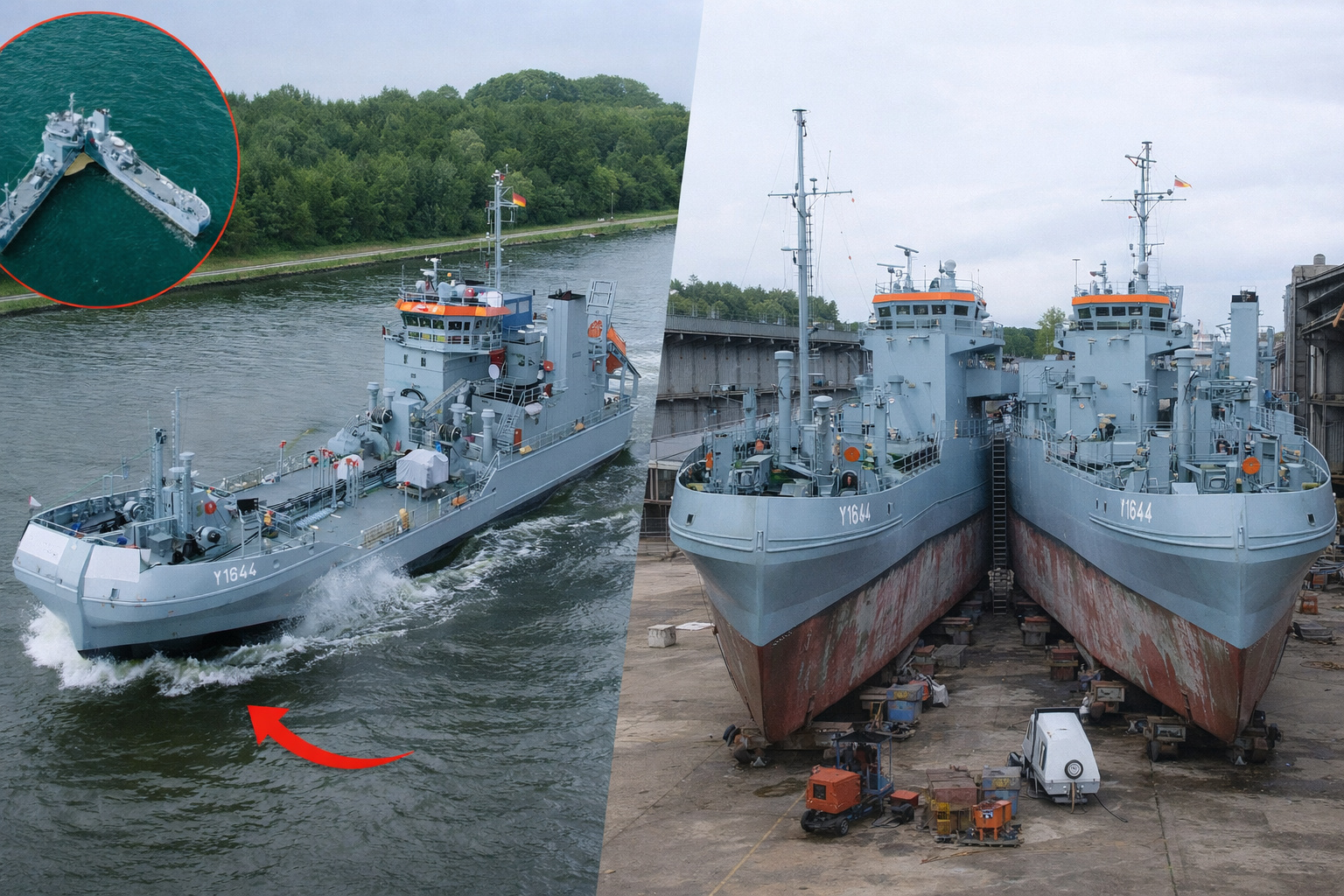
The German ship Bottsand splits its hull in two halves in the middle of the ocean to swallow spilled oil on the surface, separating the oil from the water inside a 790 cubic meter tank and then closing again. It is the only ship in the world factory-designed to split in half as part of normal operations, and the crew of six people who operate everything is civilian.
-
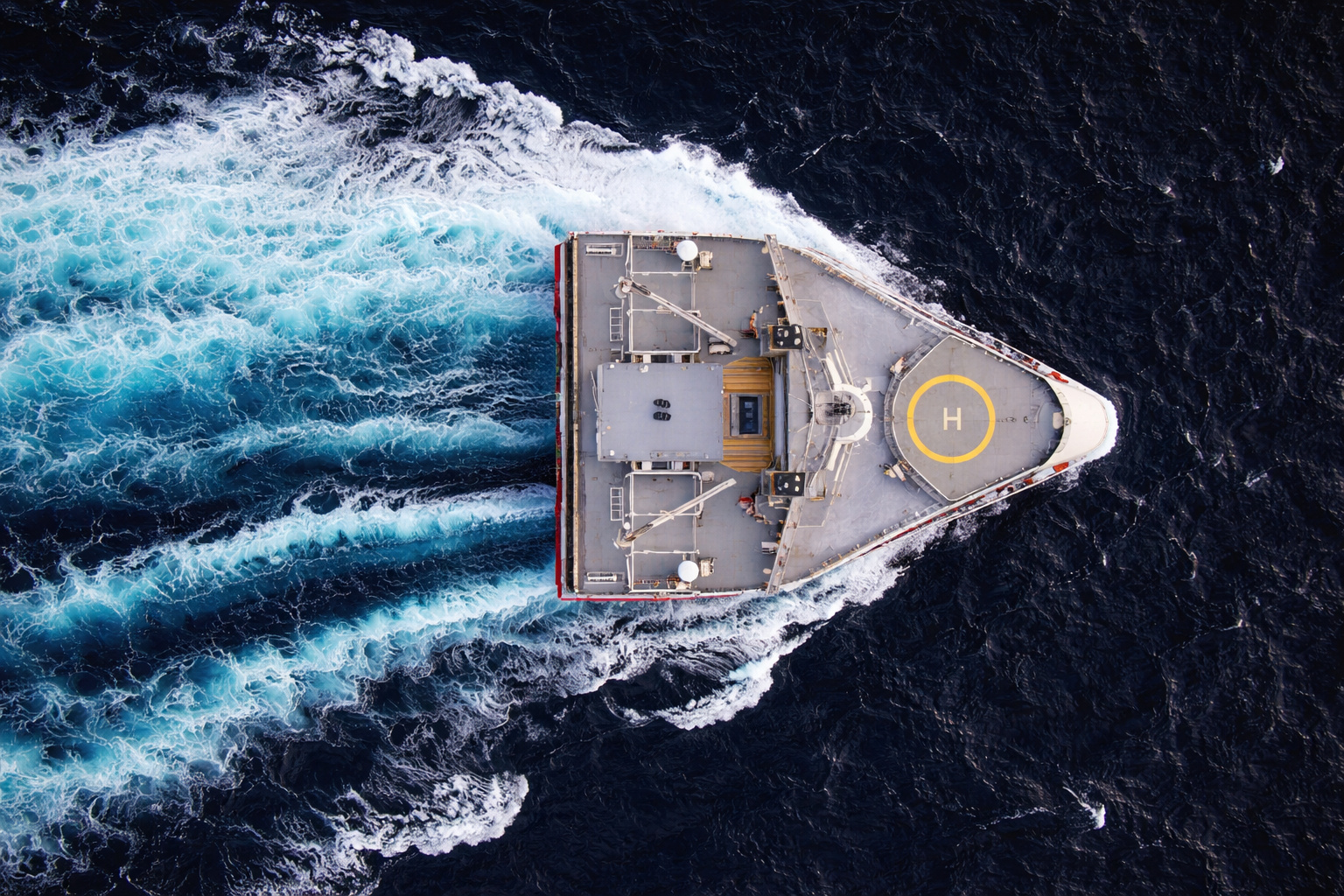
With almost 70 meters in width at the stern and a shape resembling a “giant slice of cheese,” the Ramform Titan tows up to 24 seismic cables to sweep the ocean floor in 3D and reveal oil reserves hidden beneath kilometers of sediment.
-
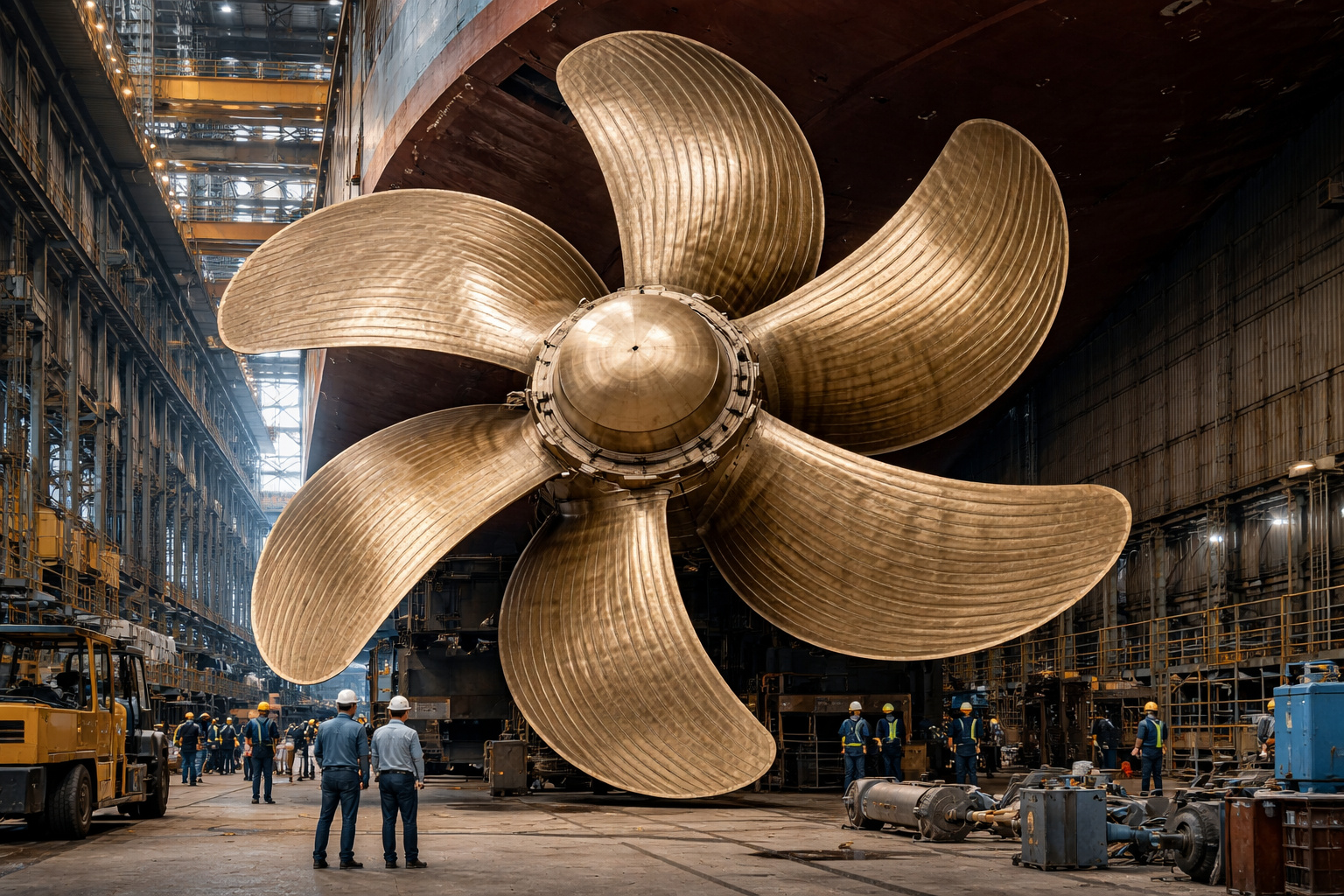
How a 131-ton, 11-meter propeller supports 90% of global trade and transforms the largest container ships on the planet.
-
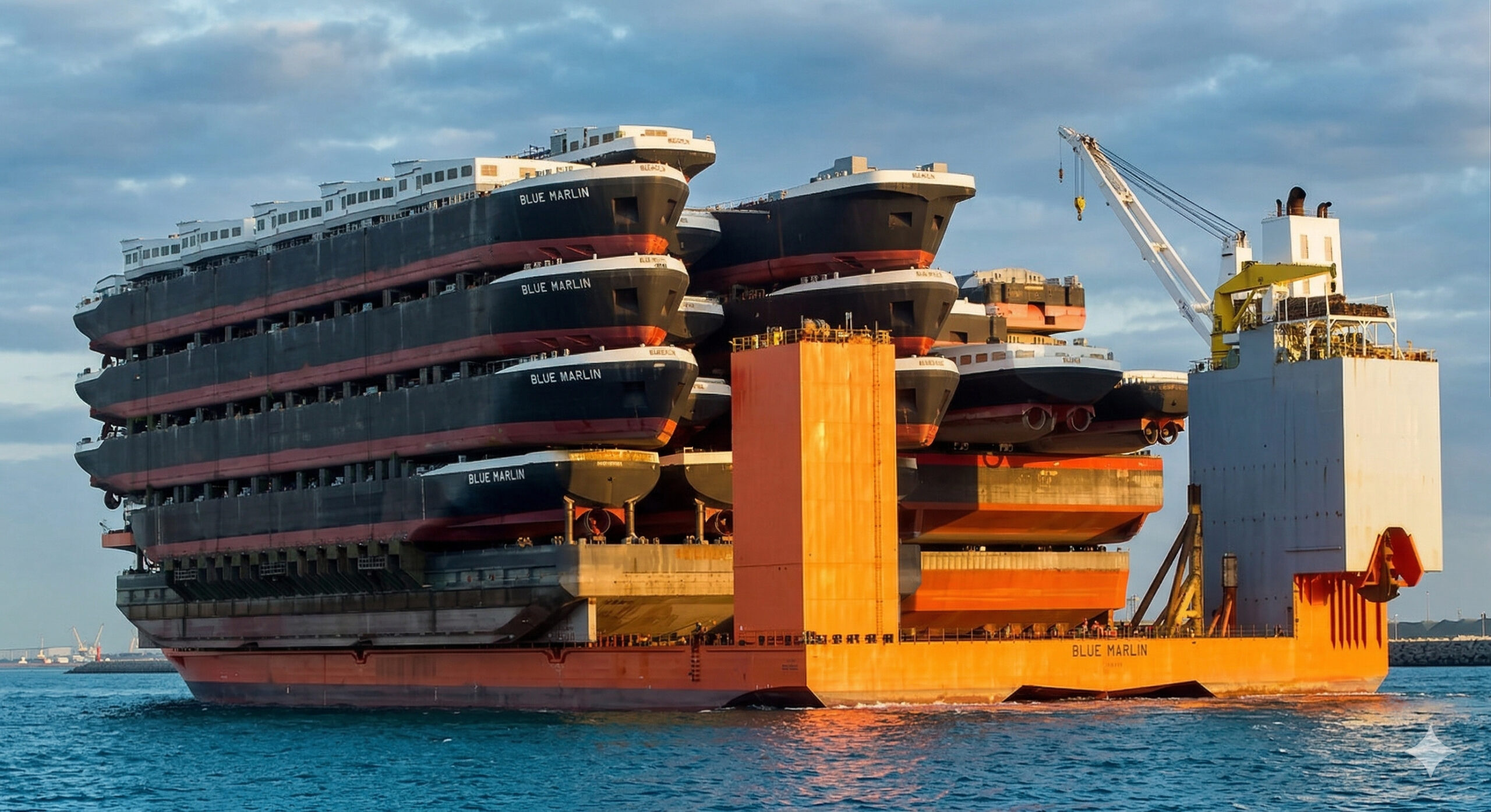
With a length of 225 meters and a capacity of 76 thousand tons, this ship “sinks” its own deck down to 28 meters deep to accommodate war destroyers, oil platforms, and giant radars floating above, and then emerges with everything intact on top like a colossal tray crossing oceans.

Military sources informed Folha that, after studies on buoyancy conditions, the Navy decided to sink the vessel in a controlled manner to prevent the hull from being in constant danger of sinking.
The technique used to sink the aircraft carrier São Paulo involved the action of divers, who placed explosives to make cuts in the hull and increase the flow of water entering the ship until its complete sinking.
Understand How the Location of the Sinking of the Brazilian Navy Ship Was Selected

The Brazilian Navy revealed that the exact location of the sinking of the aircraft carrier São Paulo was selected based on studies conducted by the Navy Hydrography Center and the Admiral Paulo Moreira Institute of Sea Studies.
The analyses considered aspects related to navigation safety and the environment, with special attention to mitigating impacts on public health, fishing activities, and ecosystems.
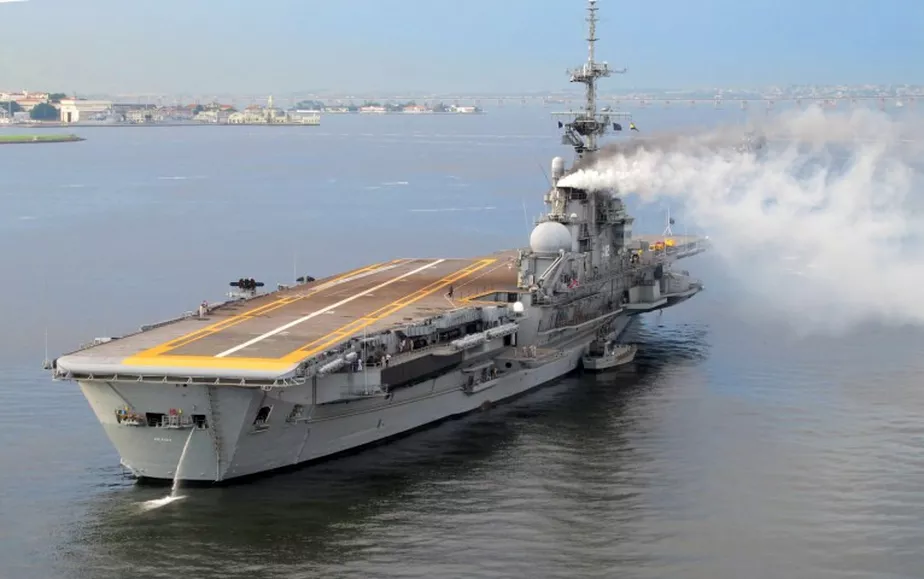
Finally, the Brazilian Navy pays legitimate homage to the former Aircraft Carrier São Paulo, a vessel that holds a belligerent spirit perpetuated in the minds of men and women who man its decks, worthy servants of the French Navy and the Brazilian Navy, under the aegis of naval traditions and high maritime spirit.
The operation to sink the Navy ship occurred after the Federal Regional Court of the 5th Region denied an appeal from the Federal Public Ministry and upheld the decision of the first instance of the Federal Justice in Pernambuco that denied the request to prevent the hull of the aircraft carrier São Paulo from being discarded in Brazilian waters.
Environmental Impacts Forecasted by IBAMA
The decision of the Brazilian Navy provoked reactions due to the contamination generated from the sinking. In addition to the amount of asbestos remaining in the Navy ship in structural parts that could not be removed, consultants estimate that there are about 200 tons of PCBs, compounds used as fluids in cables and other components.
According to the Brazilian Institute of Environment and Renewable Natural Resources (IBAMA), some of the anticipated impacts are disturbances in filtering capacity and difficulty of growth in aquatic organisms and release of CFCs and HCFCs gases. Furthermore, the physical impact on the seabed would cause the death of species, deterioration of ecosystems, and the carcass could attract invasive species.
The Navy decided to discard the hull off the Brazilian coast even after a Saudi group offered R$ 30 million for the equipment. The proposal was made at the time, after Folha revealed that the Navy planned to sink the vessel due to the advanced degree of degradation of the old airfield.








Seja o primeiro a reagir!