





 Portuguese
  English
  Spanish
  3 min of reading


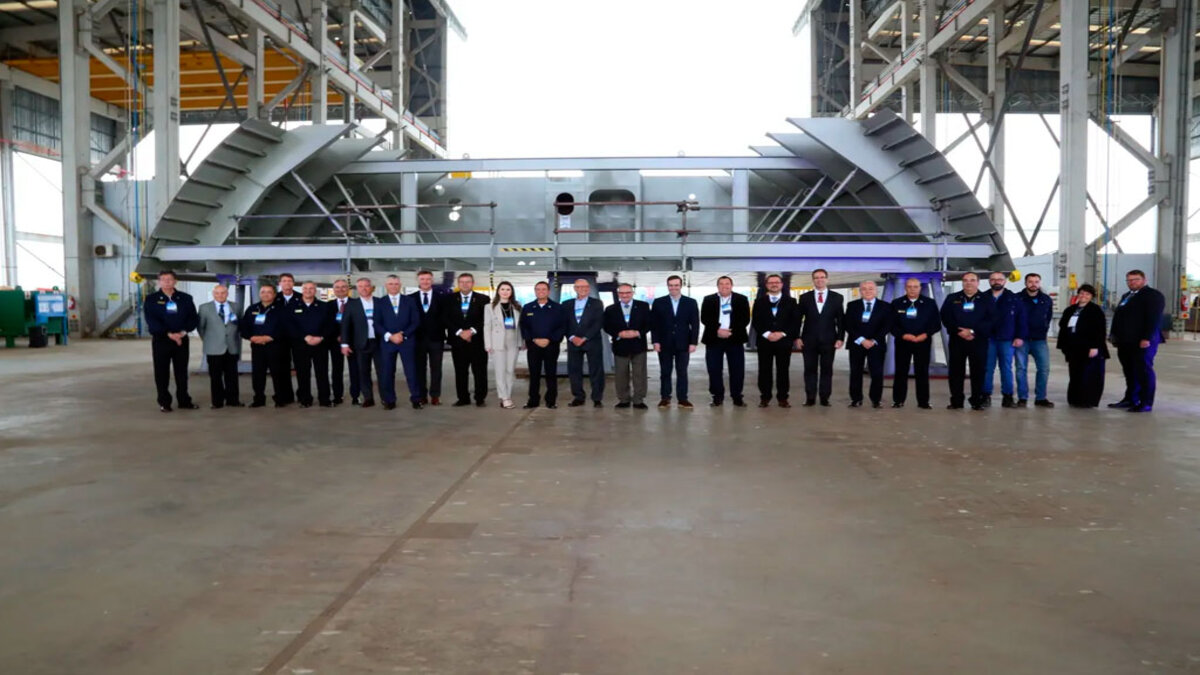
The Presentation of the Project of the Engine Room of the Future Frigate Class Tamandaré Included Demonstrations in Mockups by the Navy and Águas Azuis for Qualification in the Standards and Needs of the Program.
During last Thursday, (07/21), the Brazilian Navy and Águas Azuis, a Special Purpose Partnership composed of thyssenkrupp Marine Systems, Embraer Defense and Security, and Atech, presented the project of the engine room of the Frigate Class Tamandaré ship. The vessel is part of a project by the Navy for the future of the Brazilian Naval Force and is now advancing toward the qualification of the construction plan of Águas Azuis.
The Presentation of the Engine Room Project of the Frigate Class Tamandaré Ship Was Conducted with Mockups by Águas Azuis and the Navy
In a meeting held last week at the thyssenkrupp Estaleiro Brasil Sul in Itajaí, located in the state of Santa Catarina, the company Águas Azuis continued its project of vessels with the Navy of the country and presented the engine room of the Frigate Class Tamandaré ship.
The presentation included the use of mockups that recreate in real dimensions what the structure would be like, ensuring greater ease for the qualification process in the standards and needs of the vessel.
-
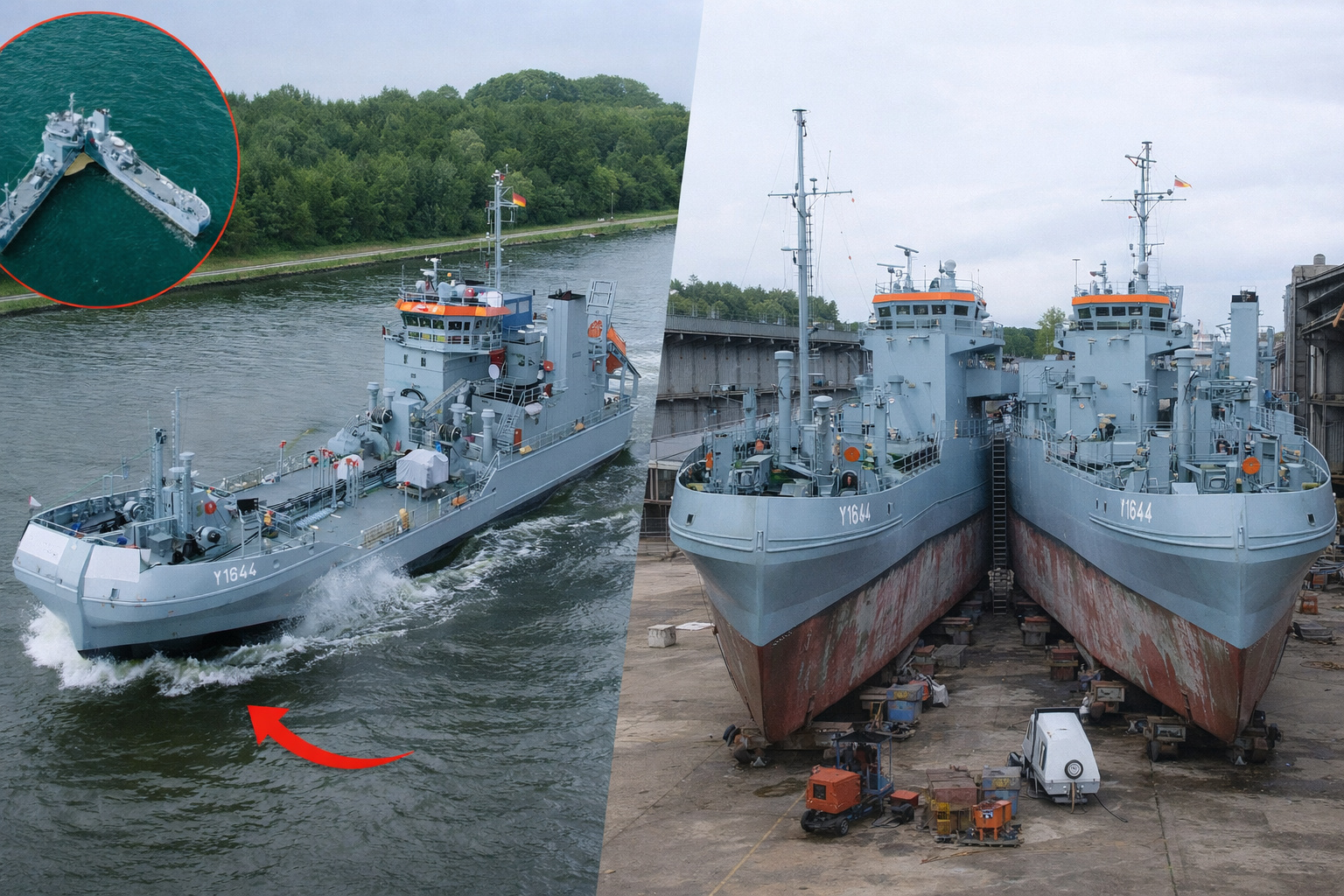
The German ship Bottsand splits its hull in two halves in the middle of the ocean to swallow spilled oil on the surface, separating the oil from the water inside a 790 cubic meter tank and then closing again. It is the only ship in the world factory-designed to split in half as part of normal operations, and the crew of six people who operate everything is civilian.
-
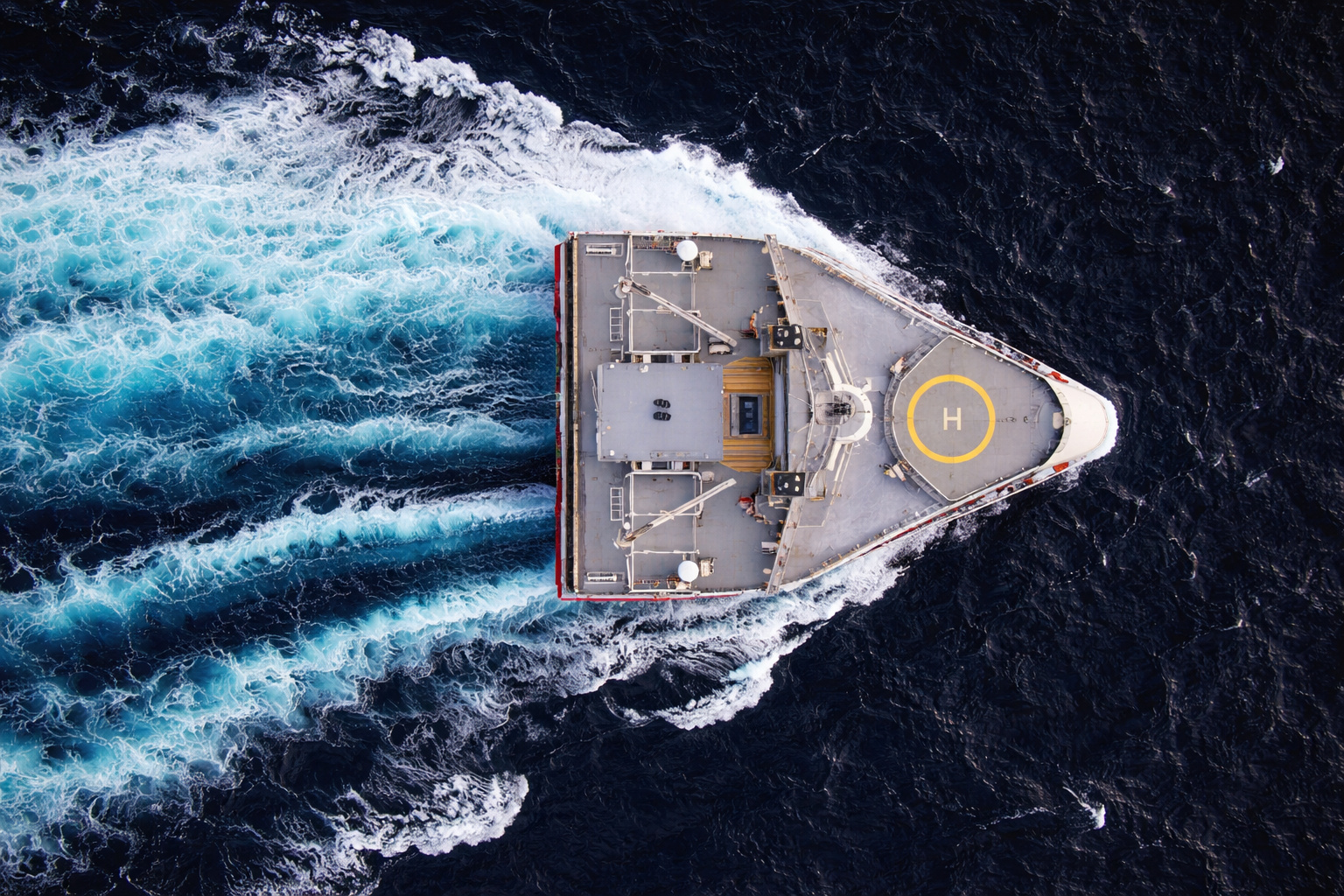
With almost 70 meters in width at the stern and a shape resembling a “giant slice of cheese,” the Ramform Titan tows up to 24 seismic cables to sweep the ocean floor in 3D and reveal oil reserves hidden beneath kilometers of sediment.
-
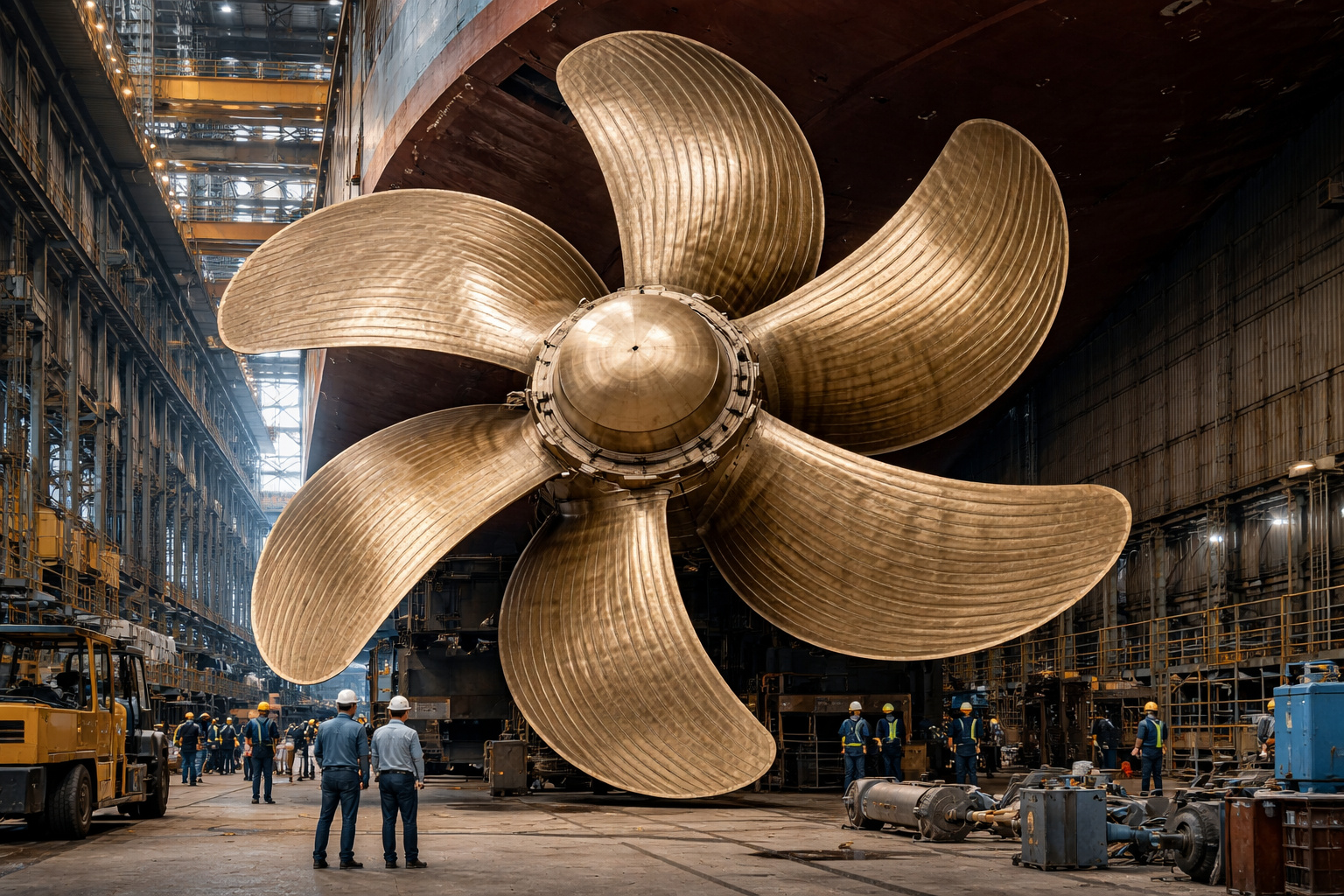
How a 131-ton, 11-meter propeller supports 90% of global trade and transforms the largest container ships on the planet.
-
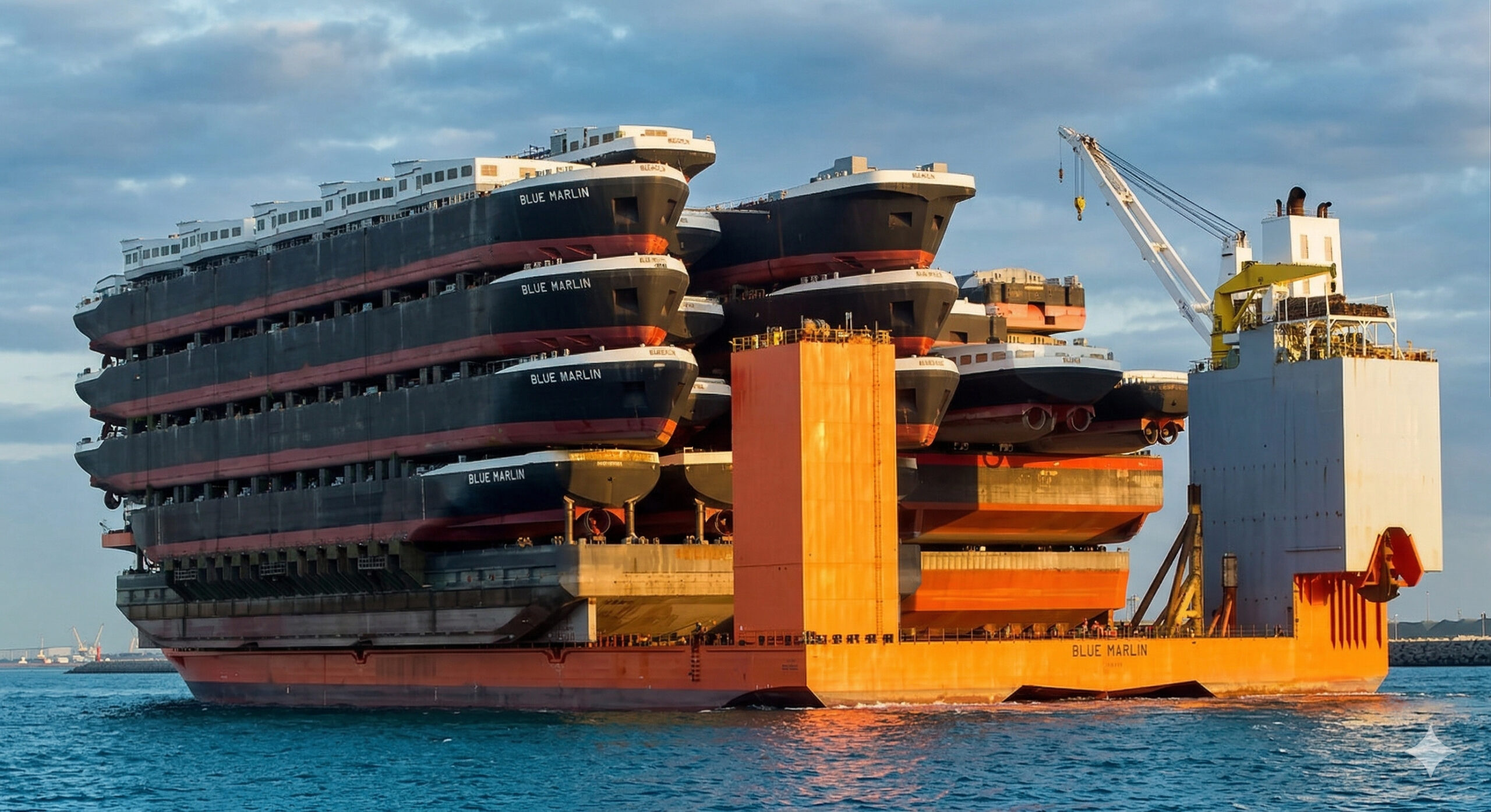
With a length of 225 meters and a capacity of 76 thousand tons, this ship “sinks” its own deck down to 28 meters deep to accommodate war destroyers, oil platforms, and giant radars floating above, and then emerges with everything intact on top like a colossal tray crossing oceans.

Thus, Águas Azuis and the Navy intend to begin the construction plan for the ship as early as 2022, aiming to accelerate the project. The presentation of the engine room project is part of the Frigate Class Tamandaré Program, conducted since 2017 by the Brazilian Navy, executed by Águas Azuis, and managed by the Naval Projects Management Company (EMGEPRON). This initiative aims at developing and constructing four new ships of the Frigate Class Tamandaré for the national fleet.
Among the main characteristics sought for the ships are mobility, endurance, communications, combat, surveillance, and response, aiming to build increasingly modern and efficient vessels.
As for its use, the Frigate Class Tamandaré ship will be part of the fleet used by the Naval Force in search of greater efficiency in monitoring and combating pollution, piracy, illegal fishing, among other threats, enhancing maritime security in the Blue Amazon. In addition, the vessel will also be essential in search and rescue operations.
Learn More About the Characteristics of the Frigate Class Tamandaré Ship and the Purpose of the Project
In addition to the presentation of the engine room of the Frigate Class Tamandaré ship, Águas Azuis reinforced the main characteristics of the vessel planned for the partnership with the Navy of the country. Among them are a displacement of 3,380 t, a length of 107 m, a maximum width of 16 m, an autonomy of 5,000 MN (9,260 km) at cruising speed, a maximum speed of 25.5 knots (47.2 km/h), and a total crew of about 130 military personnel.
The construction of the ships under the program between Águas Azuis and the Navy will be essential to ensure the modernization of the Brazilian Naval Force, specifically the project aimed at renewing the national fleet. In this way, the Navy and the company work together in pursuit of improving the national defense industrial base, through the construction of the Frigate Class Tamandaré ship.
Finally, this is still a program that will ensure strong job creation and socioeconomic development in the country, through technology transfer and local content rates above 30% for the first ship, and 40% for the other vessels, with the anticipated hiring of more than 2,000 workers who will undergo extensive training in the sector.









Seja o primeiro a reagir!