





 Portuguese
  English
  Spanish
  3 min of reading
  0 comments


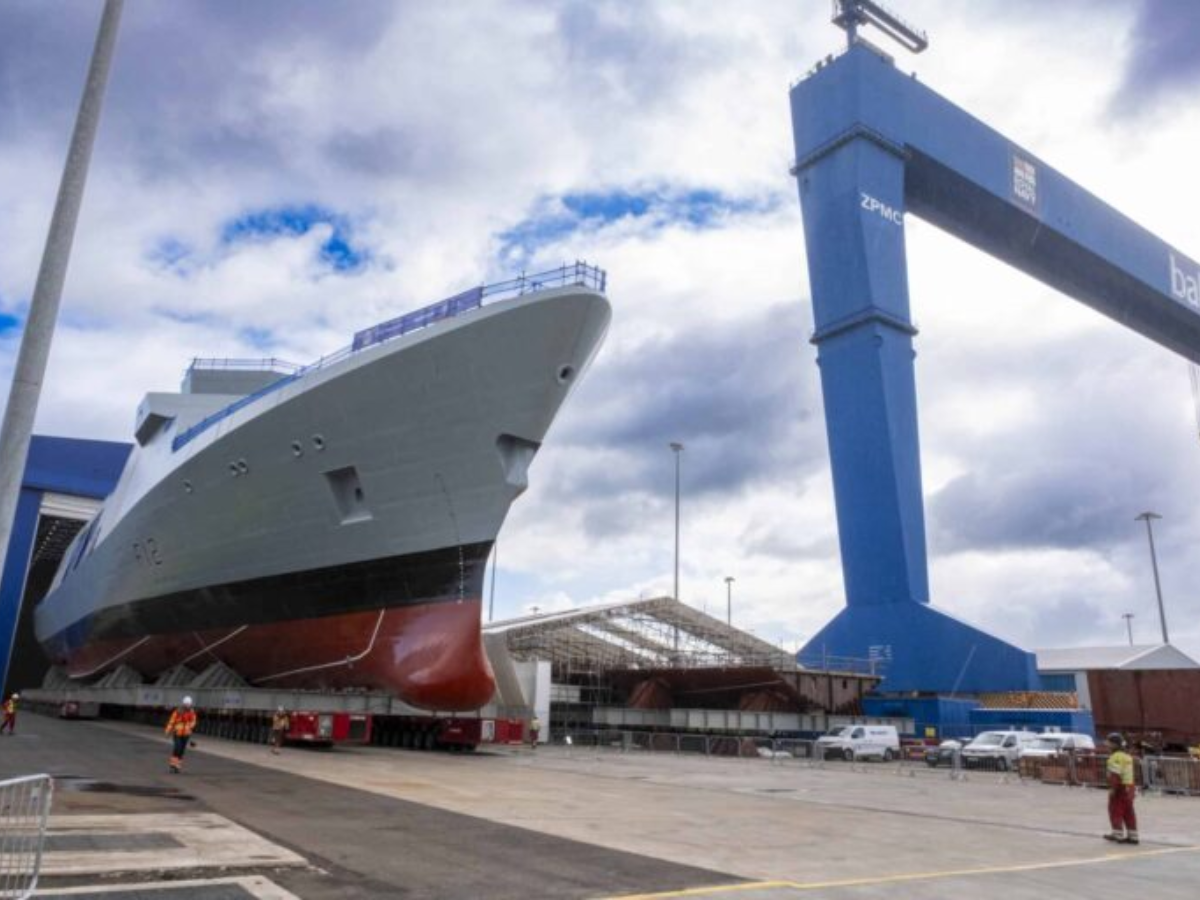
The United Kingdom Officially Presented Its Latest General-Purpose Frigate: HMS Venturer. The Ship Is the First Example of the Inspiration Class, Which Integrates a £10 Billion Program to Modernize and Strengthen the Royal Navy.
The HMS Venturer frigate was revealed to the public after a long construction phase at the Babcock facilities in Rosyth, Scotland. The process of moving the ship from the gigantic shed where it was assembled took about 12 hours, requiring specialized logistics to move its 139-meter long and 5,700-ton structure to the outside area of the shipyard.
The operation marks a significant advance in the Type 31 program, which aims to deliver five ships by the end of the decade. Each frigate will be equipped with state-of-the-art technologies and prepared for multifunctional missions in different parts of the world.
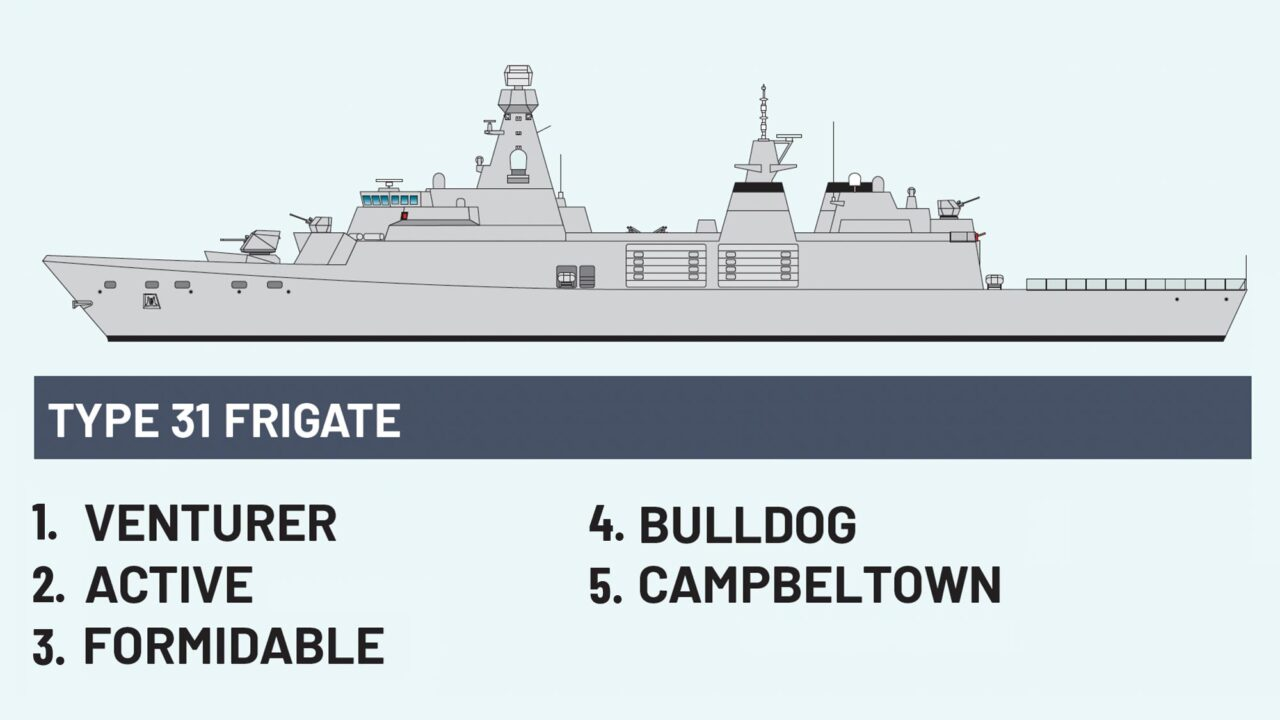
Modernity with Historical Heritage: The Proposal of HMS Venturer
The new frigate pays homage to historic vessels of the Royal Navy, adopting the name of a ship that distinguished itself in the past. HMS Venturer symbolizes the connection between tradition and innovation, combining a modern design with military legacy.
-
Europe is trying to create an ammonia-powered marine engine without auxiliary fuel, which could unlock the race for giant emission-free ships. The technology aims to eliminate one of the biggest obstacles to clean maritime propulsion.
-
A 4,500-ton frigate with just over 100 crew members, state-of-the-art radar, and cruise missiles is being touted as the new standard of naval warfare in the 21st century.
-
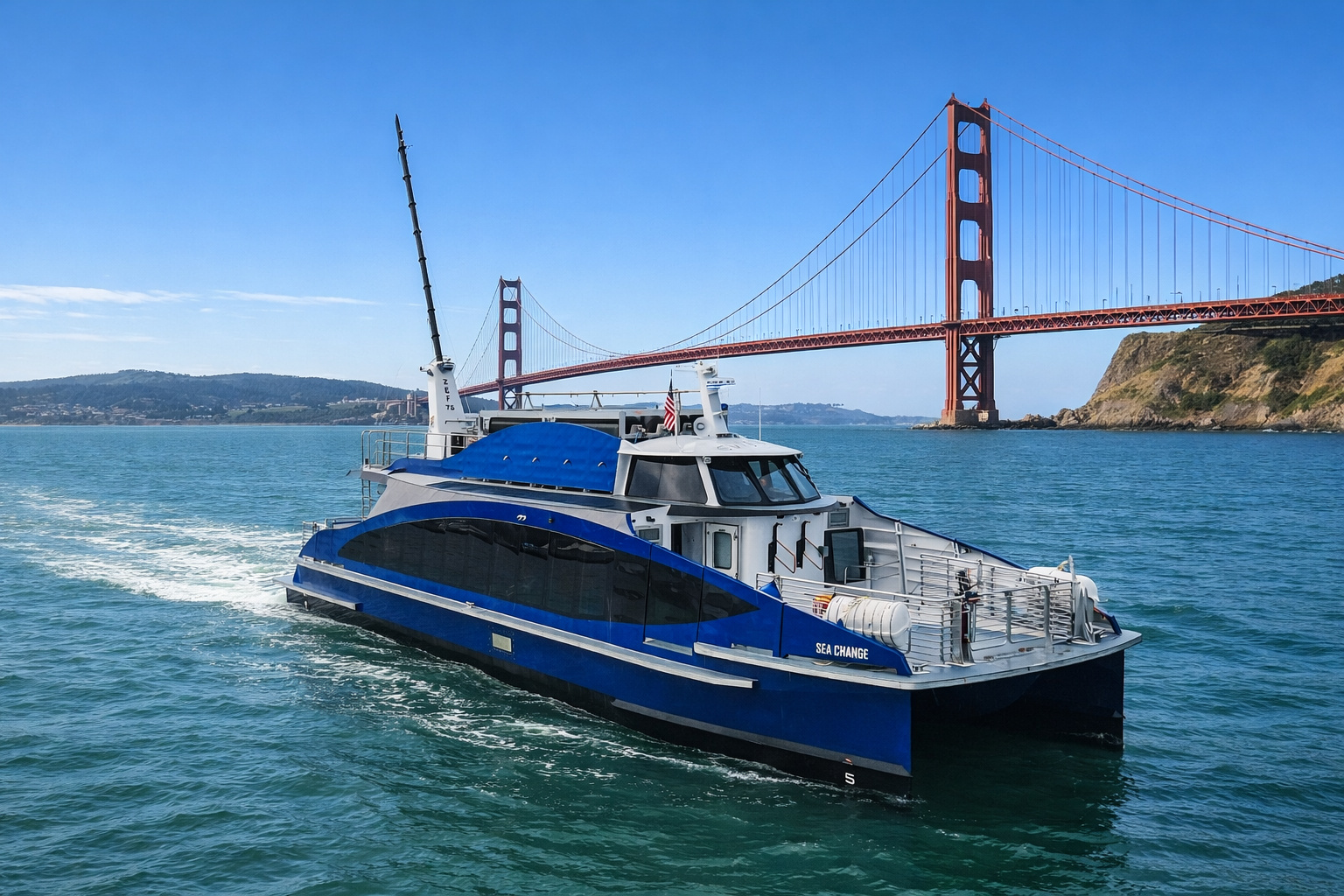
The first commercial hydrogen-powered ferry enters operation in the U.S., eliminates the use of diesel, uses fuel cells to generate clean energy on board, and transforms San Francisco Bay into a landmark of the new era of emission-free navigation.
-
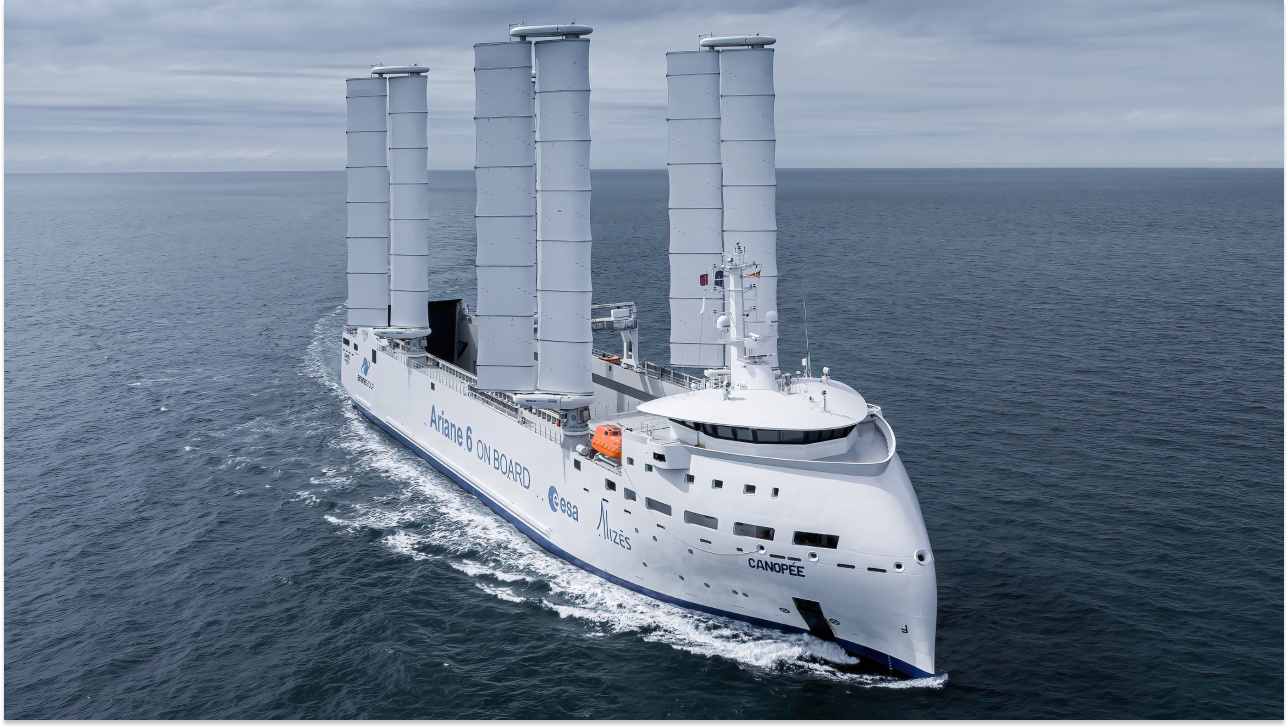
With a length of 121 meters and four rigid sails of 36 meters that automatically rotate to capture the wind, Canopée is the world’s first hybrid industrial cargo ship powered by wind, used to transport rockets and reduce fuel consumption by up to 30% on transoceanic routes.
“This is a key moment in the life of the ship and the entire Type 31 program,” highlighted Commander Chris Cozens, responsible for the vessel. “The crew has followed every step since the keel was laid, but this is the first time that the Navy and Babcock are revealing this new generation of frigates to the public.”
Frigate Will Be More Efficient with a Smaller Crew on Board
One of the highlights of the new model is its operational efficiency. Although it is substantially larger than the Type 23 frigates that are being replaced, HMS Venturer will require a much smaller crew—around 120 military personnel, while the predecessors needed up to 200.
According to Chief Logistics Officer Lee “Rattler” Morgan, the ship impresses not only with its size but also with its onboard technology.
“The expectation is that both the public and the members of the Navy will be impressed with the new ship,” he said.
Launching to Sea Will Happen Soon
In the coming weeks, the frigate will be transferred to a specialized barge, which will officially place it in the water.
The next step will be the installation of naval systems, sensors, armaments, and other critical components for its operation.
About 1,400 workers were directly involved in the construction in Rosyth, along with thousands of professionals involved in other parts of the United Kingdom.
The project is a direct reflection of the strength of the British defense industry and the commitment to protecting national waters and international interests.
Source: Poder Naval







Seja o primeiro a reagir!