





 Portuguese
  English
  Spanish
 4 min of reading
  1 comment


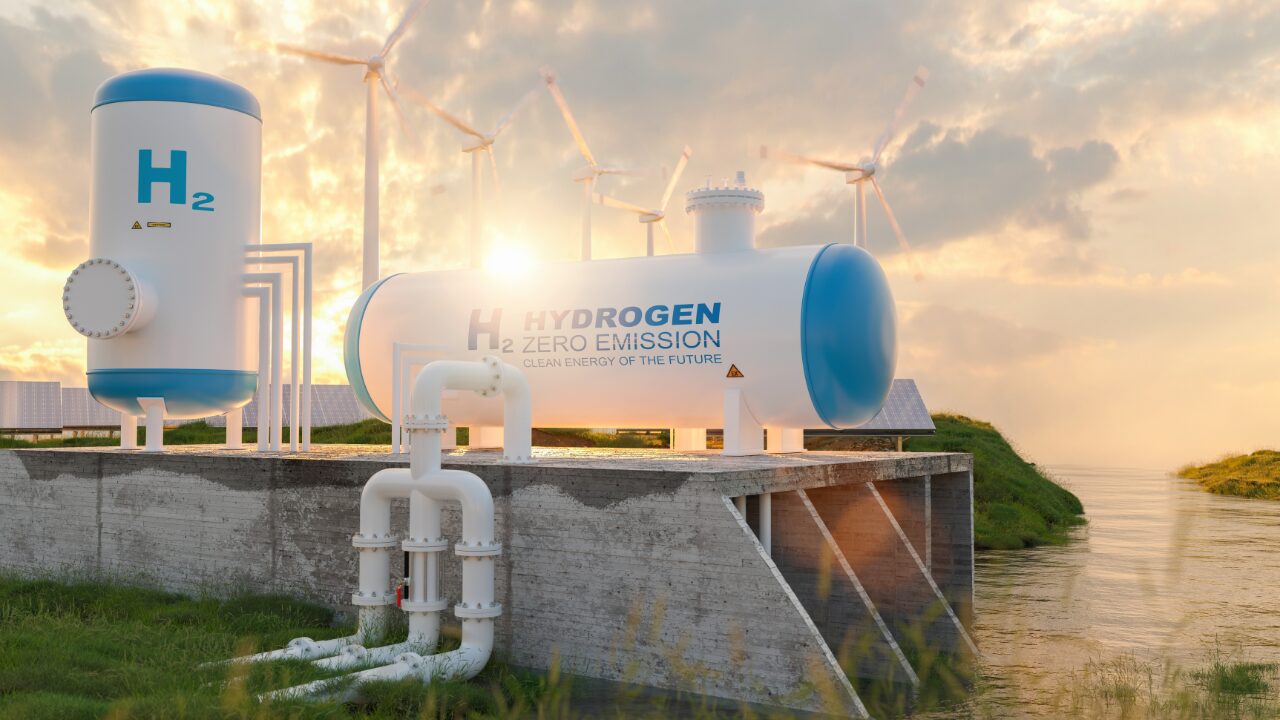

The State of Mato Grosso do Sul Advanced in Clean Energy Generation With the Inauguration of the First Green Hydrogen Plant Installed at UFMS.
In another important step towards sustainability, Mato Grosso do Sul inaugurated its first green hydrogen plant, installed at the Federal University of Mato Grosso do Sul (UFMS).
The initiative, which promises to attract R$ 2 billion in investments by 2030, consolidates the State as a leader in the national energy transition.
The project combines innovation, science, and the environment to strengthen the state goal of neutralizing carbon emissions in the next decade.
-
A Canadian retiree creates a hydroelectric system on a real river, generating energy continuously throughout the day and demonstrating how the power of water can supply a house with stability even in a simple structure.

-
Petrobras reaffirms its commitment to the market and ensures that it will carry out the energy transition safely to maintain national sovereignty.
-
Researchers discover a possible hydrogen deposit of up to 46 million tons beneath an ancient coal basin, and the volume could exceed half of the entire global production.

-
China bets on the Fishery-PV model and transforms fish farms into giant solar plants, covering ponds with panels that generate energy while utilizing the same space for large-scale aquaculture production.

Mato Grosso do Sul Bets on Green Hydrogen
With a strong vocation for renewable energy generation, Mato Grosso do Sul has embarked on a new phase with the inauguration of the green hydrogen plant.
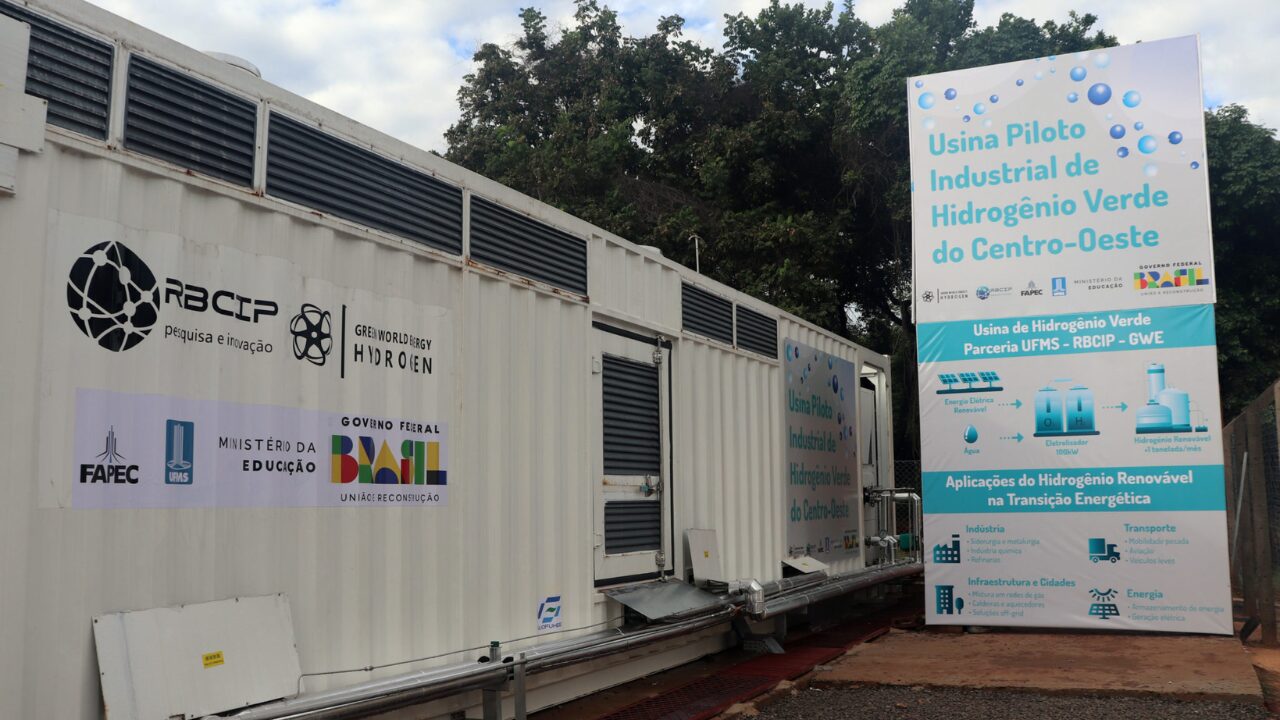
Located within the UFMS campus in Campo Grande, the structure is the result of collaboration between the university, the Brazilian Network for Certification, Research, and Innovation (RBCIP), and Green World Energy Hydrogen (GWE).
During the ceremony, Governor Eduardo Riedel highlighted the importance of the initiative for the future of the State.
“It is a great joy to take part in this moment of celebration. What this plant represents for Mato Grosso do Sul is very relevant; the energy transition is a theme that is part of our strategic focus. With a favorable business environment, we have been able to contribute to attracting business and investments in the sector”, he emphasized.
The project also reinforces Mato Grosso do Sul’s commitment to achieving carbon neutrality by 2030.
“This does not happen overnight, but with the effort of many people. This is how we build a path to become ever stronger, with support for the research and innovation environment. This brings growth and sustainable development, to generate jobs and income at an increasingly higher level,” Riedel added.
State-of-the-Art Technology for Green Hydrogen Production
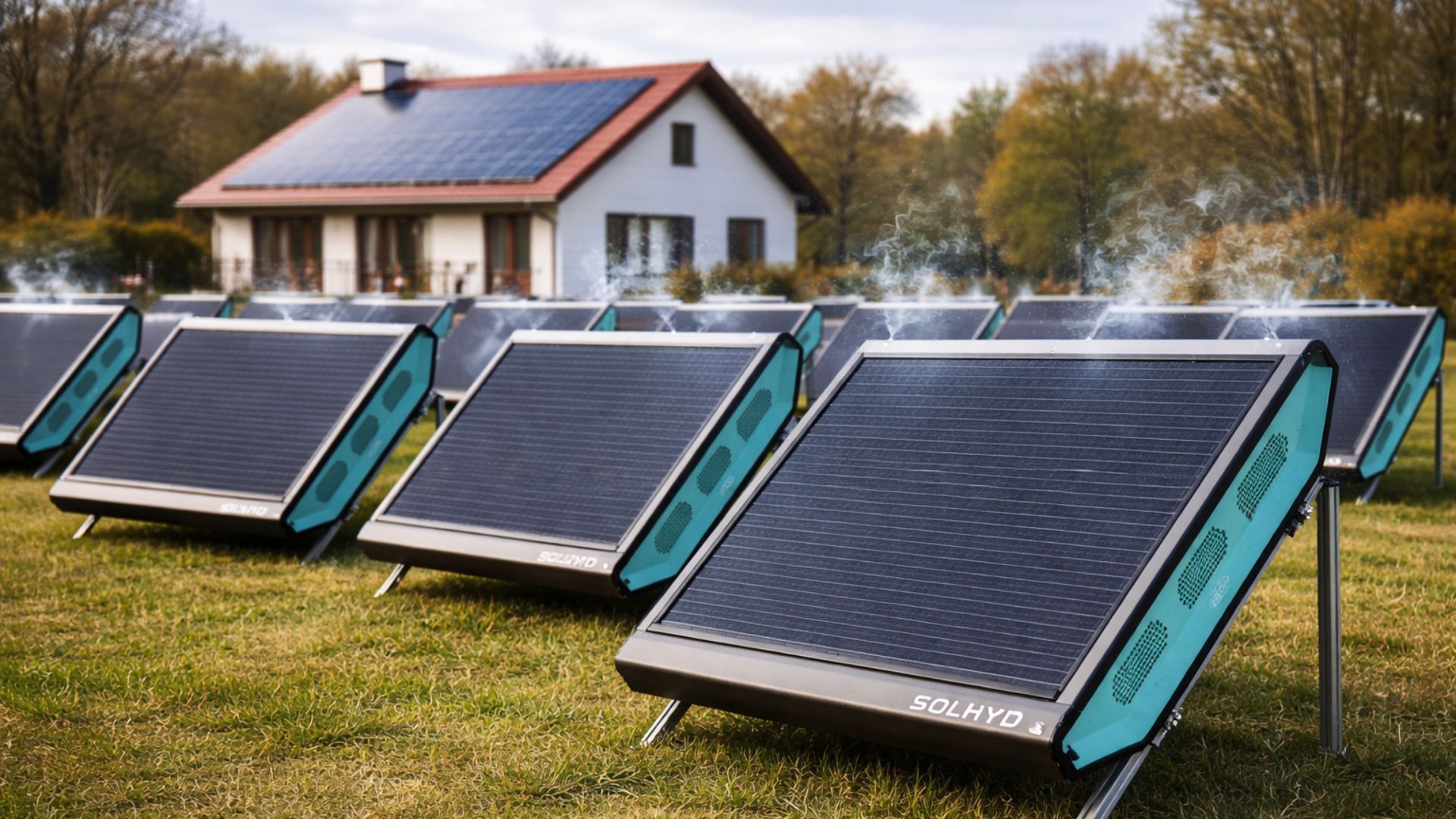
The green hydrogen plant is equipped with modern solar panels, responsible for generating the electricity used in the separation of hydrogen from water through electrolysis.
The system also includes an electrolyzer and a remote control center that allows for monitoring and analysis of the generated data, reinforcing the scientific basis of the project.
The initial capacity of the plant is one ton of hydrogen per month, a quantity sufficient to place Mato Grosso do Sul in a prominent position in research and development of new technologies based on green hydrogen, such as green diesel and sustainable fertilizers.
Workforce Training and New Technological Studies
In addition to energy production, the project also stands out for its focus on training qualified professionals.
It is estimated that around 500 engineers, technicians, and professors will be trained to work in the green hydrogen sector, preparing the State for future demands of the sustainable industry.
Camila Ítavo, rector of UFMS, emphasized the strategic importance of the project for education and innovation in the State.
“Investing in science is an investment in development and education. To build a project like this, we need courage and collaboration. We are a university that values sustainability, innovation, and entrepreneurship. This is a path that has no turning back, of presenting strategic projects for our State”, she declared.
Sustainability as a Priority in Mato Grosso do Sul
In 2024, Mato Grosso do Sul reached the mark of 9,843 MW of installed energy capacity, an 11% increase compared to 2023.
Impressively, 94% of this capacity comes from renewable sources, reinforcing the State’s leadership in the environmental agenda.
According to Marcelo Estrela Fiche, general coordinator of the project for RBCIP, green hydrogen is already a reality that needs to be embraced.
“Hydrogen and all its derivatives are no longer the future; they are a necessity for the present. It is yet another energy alternative, which has its advantages. One of the major challenges now is to work on training people, qualifying the workforce,” he pointed out.
With the new venture, Mato Grosso do Sul solidifies its position as a reference in energy innovation, contributing to a greener and more sustainable future while boosting its economy and generating new opportunities for its population.









Oi