





 Portuguese
  English
  Spanish
  3 min of reading
  0 comments


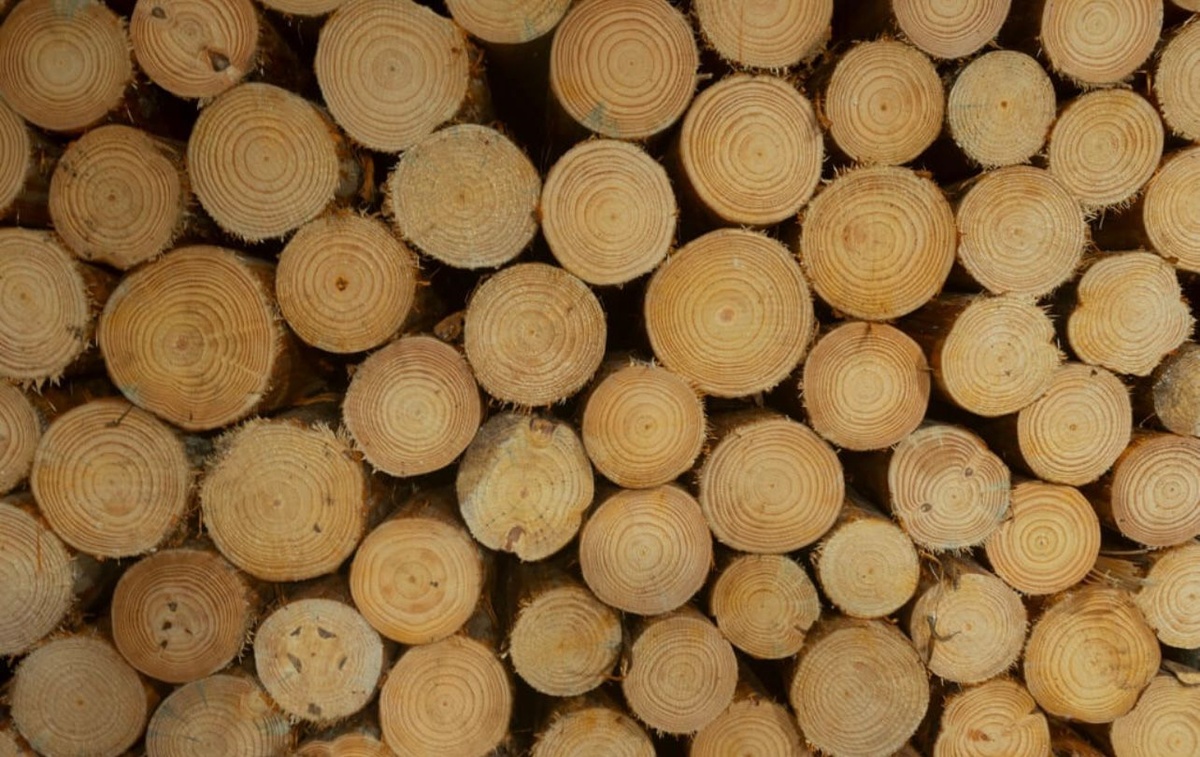
State creates unique regulatory framework in Brazil, organizes forest chain and strengthens sustainable use of biomass as a strategic source of energy and investment
Initially, the state of Mato Grosso advanced in the environmental and energy agenda.
Moreover, it became the first in the country to regulate the use of biomass from native wood.
Thus, the decree was signed on March 30, at the Palácio Paiaguás.
In this way, the Forest and Biomass Development Plan 2025–2040 was established.
At the same time, the document was prepared by the State Secretariat for Economic Development (Sedec) and the State Secretariat for the Environment (Sema).
Consequently, a unique regulatory framework for the Brazilian forestry sector was created.
-
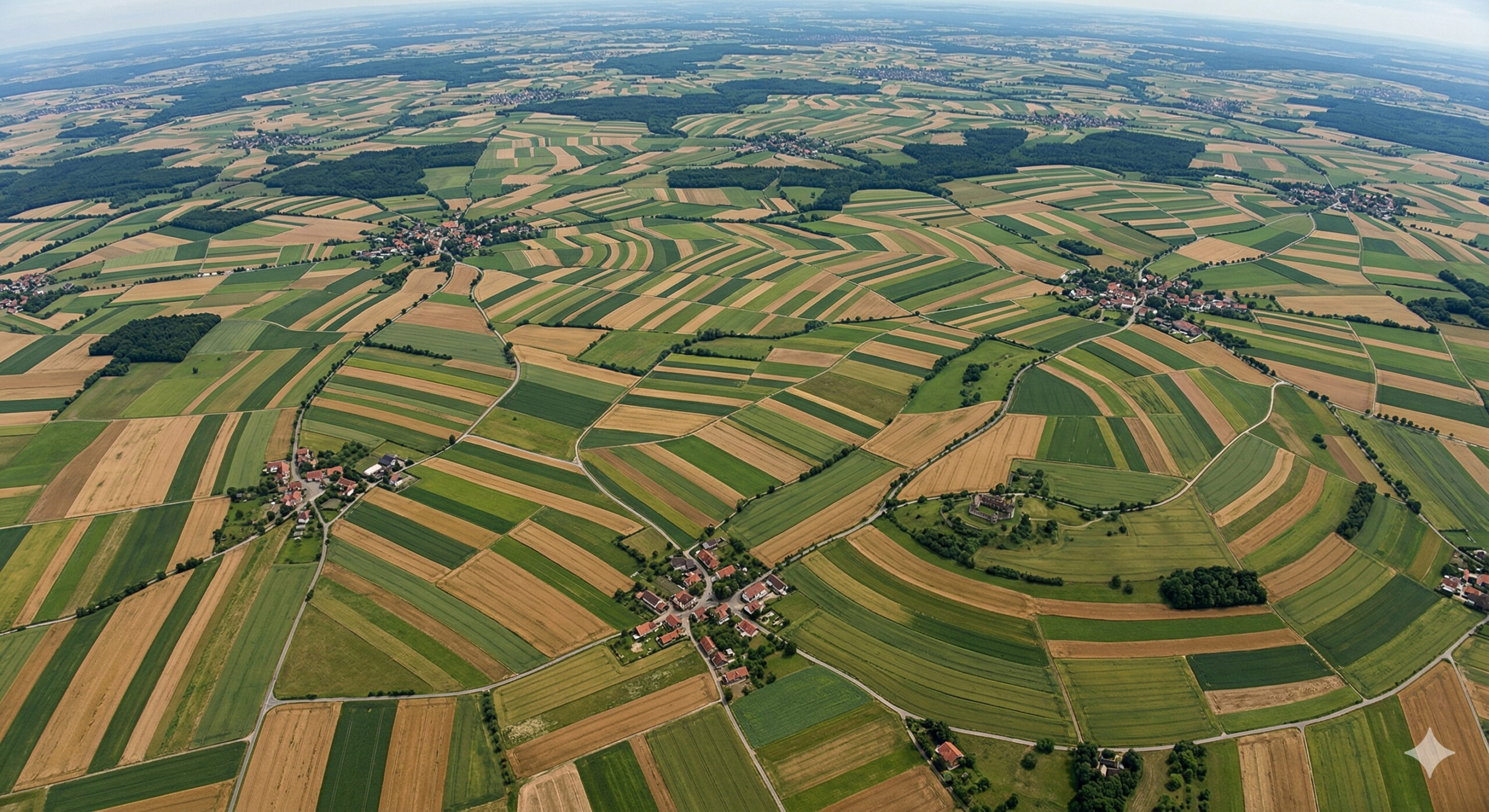
Satellite images reveal in Germany a mosaic of agricultural fields with no apparent pattern; irregular shapes seen from space are actually the land map created by feudal lords over 700 years ago that still defines the landscape today.
-
The most economical refrigerator in Brazil consumes only 26.5 kWh/month and costs around R$ 20.67, outperforming rivals by up to 200% in consumption; see the ranking with real data, inverter technologies, and annual savings exceeding R$ 2,500.

-
More than 50 cell phones are already compatible with Starlink without an antenna, which promises to eliminate signal dead zones on the planet, but Brazilians still need to wait for the operators to finalize agreements for the service to work here.

-
An extratropical cyclone with winds exceeding 100 kilometers per hour and a risk of hail is forming between Rio Grande do Sul and Santa Catarina this week, and a cold front will advance over the entire Southeast shortly thereafter.

Regulatory framework organizes forest chain and increases legal security
First of all, the plan establishes rules for traceability, legality, and efficient use of forest biomass.
In addition, the input is considered strategic for the industry and for the energy transition.
In this sense, the entire forest chain was reorganized, from production to industrial consumption.
Thus, vegetation suppression waste began to be utilized as an energy and economic source.
At the same time, materials that were previously discarded or burned were valued.
As a result, a new, more efficient production model was structured.
Moreover, an environment with greater predictability for investments was created.
Thus, legal security was increased and the use of the input was standardized.
Plan sets goals for planted forests and sustainable management
On the other hand, the document was structured around three main fronts.
Among them, the highlights are expansion of planted forests, sustainable management, and development of the biomass chain.
In this context, the goal of expanding planted forests to 700 thousand hectares by 2040 was established.
Additionally, areas under sustainable management should reach 6.5 million hectares in the same period.
Thus, long-term planning was consolidated.
Consequently, the forestry sector will operate with clear and structured goals.
Change in biomass profile strengthens sustainability
At the same time, the plan foresees changes in the profile of biomass used by the industry.
Gradually, the dependence on raw material from vegetation suppression will be reduced.
In parallel, the use of more sustainable sources, such as planted forests and industrial waste, will be encouraged.
In this way, the energy model tends to become more balanced.
Furthermore, the transition was planned progressively.
Thus, the industrial sector will be able to adapt without disruptions.
Biomass takes center stage in the state’s energy matrix
Currently, forest biomass already plays a significant role in the energy matrix of Mato Grosso.
Primarily, it is used in chains such as agro-industry and steelmaking.
With the regulation, the market was organized and strengthened.
Consequently, the state’s competitiveness was enhanced in the global scenario.
Moreover, environmental criteria began to guide strategic decisions.
Thus, the state positions itself better in the face of international demands.
Productive sector highlights progress and attraction of investments
According to Cidinho Santos, CEO of MC Empreendimentos e Participações, the progress is significant.
According to him, Mato Grosso transforms a resource previously wasted into a structured solution.
Additionally, he stated that clear rules and legal security strengthen the productive chain.
Thus, the environment becomes more favorable for new investments.
Consequently, the sector gains efficiency and predictability.
In this way, biomass consolidates as a strategic asset.
Plan contributes to emission reduction and low-carbon economy
Finally, the plan is also aligned with the climate agenda.
At the same time, it encourages the use of renewable sources and reduces the burning of forest waste.
Thus, it directly contributes to the reduction of greenhouse gas emissions.
Moreover, it strengthens the consolidation of a low-carbon economy.
In this way, Mato Grosso advances simultaneously in the environmental, energy, and economic axes.
And, in light of this scenario, will the state be able to maintain this sustainable leadership in the long term?








Seja o primeiro a reagir!