





 Portuguese
  English
  Spanish
 6 min of reading
  0 comments


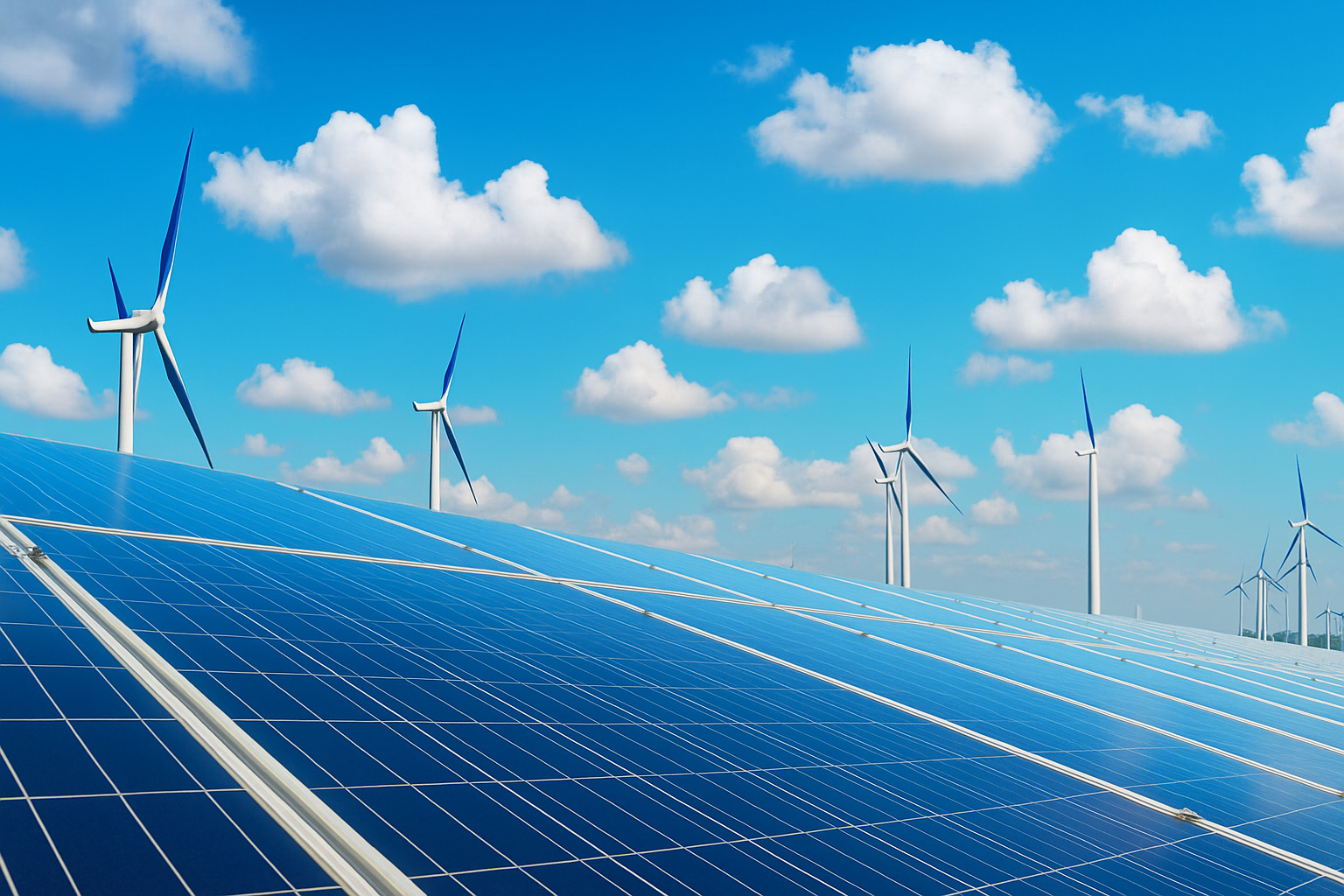
Discover How Brazil’s Clean Energy Matrix Drives Data Center Attraction and Strengthens the Digital Economy Sustainably.
Brazil is experiencing a strategic moment in the international scenario when it comes to energy and technology. The clean energy matrix of Brazil has established itself as a competitive advantage compared to other countries that still rely heavily on fossil fuels to sustain their growth.
For this reason, major global technology companies see the country as the ideal place to install data centers, indispensable structures for storing and processing information in the digital economy.
Data centers function as the backbone of a connected society, as they support cloud services, artificial intelligence, video streaming, social media, e-commerce, and even digital health systems.
-
A Canadian retiree creates a hydroelectric system on a real river, generating energy continuously throughout the day and demonstrating how the power of water can supply a house with stability even in a simple structure.

-
Petrobras reaffirms its commitment to the market and ensures that it will carry out the energy transition safely to maintain national sovereignty.

-
Researchers discover a possible hydrogen deposit of up to 46 million tons beneath an ancient coal basin, and the volume could exceed half of the entire global production.

-
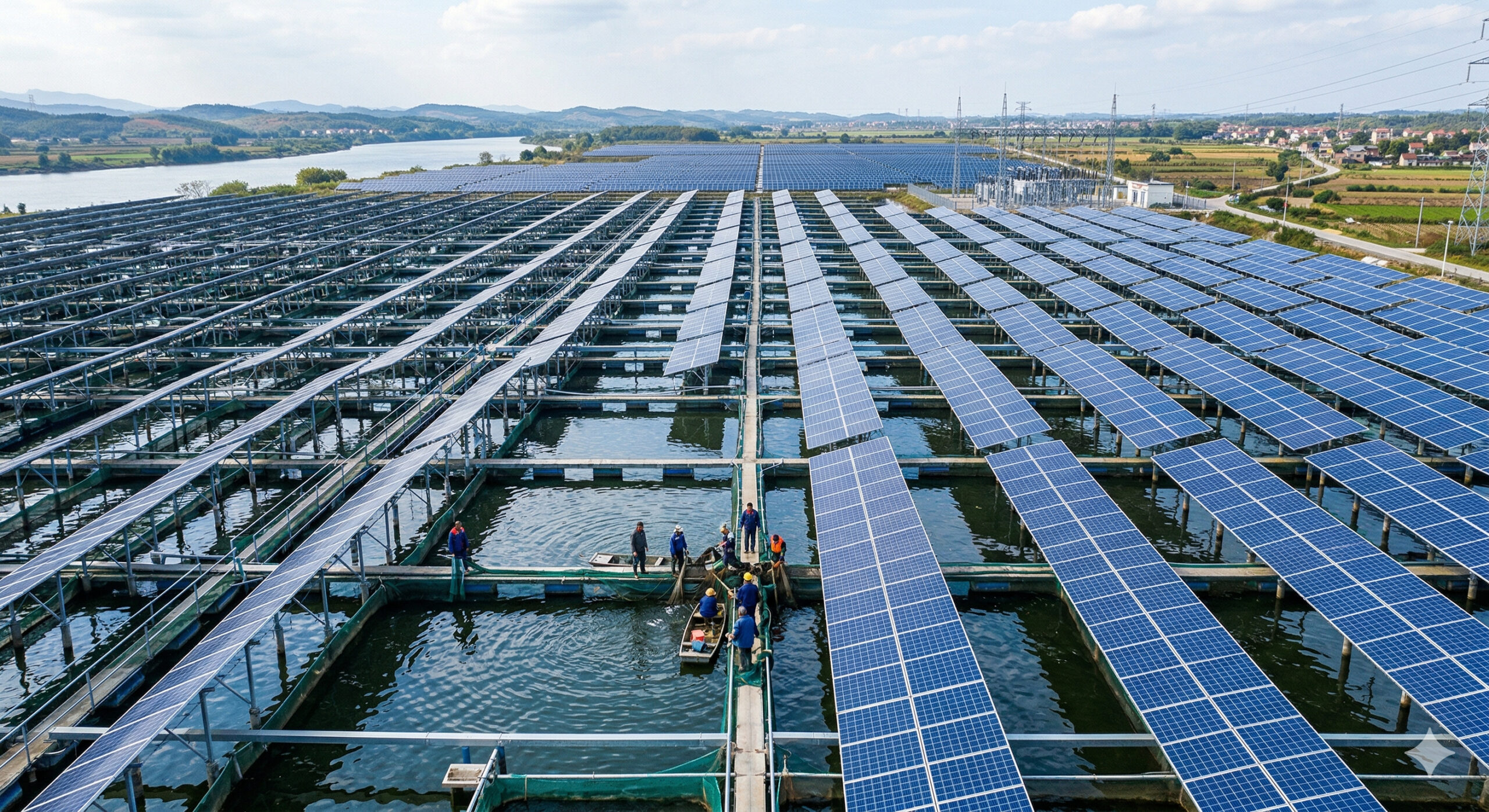
China bets on the Fishery-PV model and transforms fish farms into giant solar plants, covering ponds with panels that generate energy while utilizing the same space for large-scale aquaculture production.

However, these infrastructures require large-scale energy consumption, and exactly for this reason, Brazil stands out by offering renewable energy, stability, and capacity for expansion.
At the same time, the Chamber of Deputies is discussing proposals to enhance national attractiveness in this sector. The Bill 1680/25, which establishes the National Policy for Digital Processing and Storage, aims to provide security and predictability to investors.
Thus, the political discussion, combined with Brazil’s energy advantage, creates a fertile environment for envisioning the future of the digital economy in national territory.
The Strength of Brazil’s Energy Matrix
Brazil has built its electric generation base from renewable sources. Since the first half of the 20th century, the country has invested in the expansion of hydroelectric plants, leveraging its geography rich in rivers and waterfalls.
As a result, the national electrical matrix has followed a different path from most advanced economies, which have relied on oil, coal, and natural gas.
Today, over 90% of the electricity consumed in Brazil comes from renewable sources.
This number is impressive when compared to the rest of the world. In the United States, only 24% of the matrix is renewable; in China, about 32%; and in Europe, 45%.
Thus, the clean energy matrix of Brazil puts the country decades ahead on the path of global energy transition.
Professor Jorge Arbache from the University of Brasília highlighted that, even with accelerated investments, major competitors would only reach Brazilian levels in 18 to 30 years.
For this reason, Brazil is experiencing a unique window of opportunity.
In addition to hydropower, the country is also investing in other renewable sources, such as wind and solar energy.
The Northeast has become one of the world’s leading wind power generation hubs, precisely because it has constant winds that ensure efficiency.
Similarly, the solar sector is growing at an accelerated pace, taking advantage of the high incidence of solar radiation throughout the year.
Therefore, diversification further strengthens the matrix and conveys confidence to companies seeking long-term predictability.
Energy and Technology: A Necessary Marriage
The expansion of artificial intelligence, cloud computing, and big data is rapidly increasing the demand for electricity.
Artificial intelligence centers consume up to 70% more energy than conventional data centers.
Additionally, these structures require stable supply, high connection speed, and advanced cooling systems.
In this context, companies like Google, Amazon, and Microsoft invest billions in digital infrastructure and seek strategic locations to expand their operations.
They analyze not only connectivity and legislation but also the source of energy.
After all, installing servers in countries dependent on coal or oil generates environmental pressure and criticism from consumers who are increasingly aware of sustainability.
In Brazil, the clean energy matrix becomes an economic and reputational attraction.
Companies that have set decarbonization targets see the country as the chance to merge business with environmental responsibility.
This marriage between clean energy and technology creates a virtuous cycle.
The more companies settle in Brazil, the greater the demand for renewable electricity.
At the same time, this movement encourages new investments in solar, wind, and biomass projects.
As a result, the cycle expands generation, reduces costs in the medium term, and positions Brazil as a global example of innovation and sustainability.
The Challenge of Time
Despite competitive advantages, experts warn of the need for speed.
The vice president of the Brazilian Data Center Association, Luis Tossi, reminded that decisions on new centers are already in progress.
As the average implementation time in Brazil ranges from 18 to 24 months, the country needs to offer swift incentives and regulatory security.
Otherwise, international competitors may take the lead.
The global demand for data centers is growing rapidly.
By the end of the decade, the volume of digital data is expected to triple compared to what exists today.
Currently, Brazil has 189 data centers, only 2% of the global total.
However, the country can increase its global share if it combines its clean energy with consistent public policies to attract investments.
In addition to speed, another challenge involves ensuring that expansion brings direct benefits to the population.
The construction of data centers generates skilled jobs, stimulates regional technology hubs, and encourages the training of professionals in computer science, electrical engineering, and cybersecurity.
Thus, the fruits of the digital economy are not concentrated only in large companies but also promote socioeconomic development in various regions of the country.
Policy, Market, and Balance
The debate in Congress demonstrates the need for balance between the state and private initiative.
The representative of Google Cloud in Brazil, Michael Mohallem, advocated for incentive policies with predictability and less government centralization.
As the technology sector operates at a rapid pace, it needs a simple, transparent, and efficient regulatory environment.
Furthermore, the country must ensure that expansion occurs sustainably and benefits all of society.
This objective involves investing in electrical infrastructure, fiber optic connectivity, training qualified labor, and digital security.
After all, data centers go beyond buildings full of servers.
They sustain the knowledge economy and impact everything from startups to digital public services.
Another crucial point is energy security.
If Brazil wishes to become an international data hub, it needs to ensure that its electric grid withstands climate changes and extreme events.
Therefore, diversification of renewable sources and modern transmission systems provide reliability to investors.
Historic Opportunity for Brazil
The global context of energy transition places Brazil in a unique position.
While wealthy countries still struggle to reduce emissions, Brazil already has a clean and renewable matrix that can become a strategic differentiator.
For this reason, this asset needs to be valued through concrete actions capable of attracting foreign capital, generating jobs, and consolidating the country as a technology hub.
Throughout history, Brazil has faced the challenge of turning natural wealth into sustainable development.
The same is happening now.
However, the difference is that this time, the urgency is global.
As the digiatalization of the economy does not wait and the race for infrastructure has already begun, the country needs to leverage its clean energy matrix to position itself as one of the main data center destinations in the world.
Moreover, Brazil’s international image depends on merging nature and innovation.
The world is closely watching how the country will utilize its energy matrix to attract strategic investments and ensure that progress benefits all of society.
Thus, the time to act is now, because the window of opportunity will not remain open for long.
The clean energy matrix of Brazil does not represent just a statistical figure.
It has established itself as a strategic asset capable of redefining the country’s role in the international scenario.
Therefore, by attracting data centers, Brazil expands its technological infrastructure and proves that economic development and sustainability can go hand in hand.
In this sense, the opportunity is open and the future depends on the ability to turn this advantage into concrete results.










Seja o primeiro a reagir!