





 English
  Francês
  Alemão
  Italiano
  Japonês
  Norueguês
  Portuguese
  Spanish
  2 min of reading


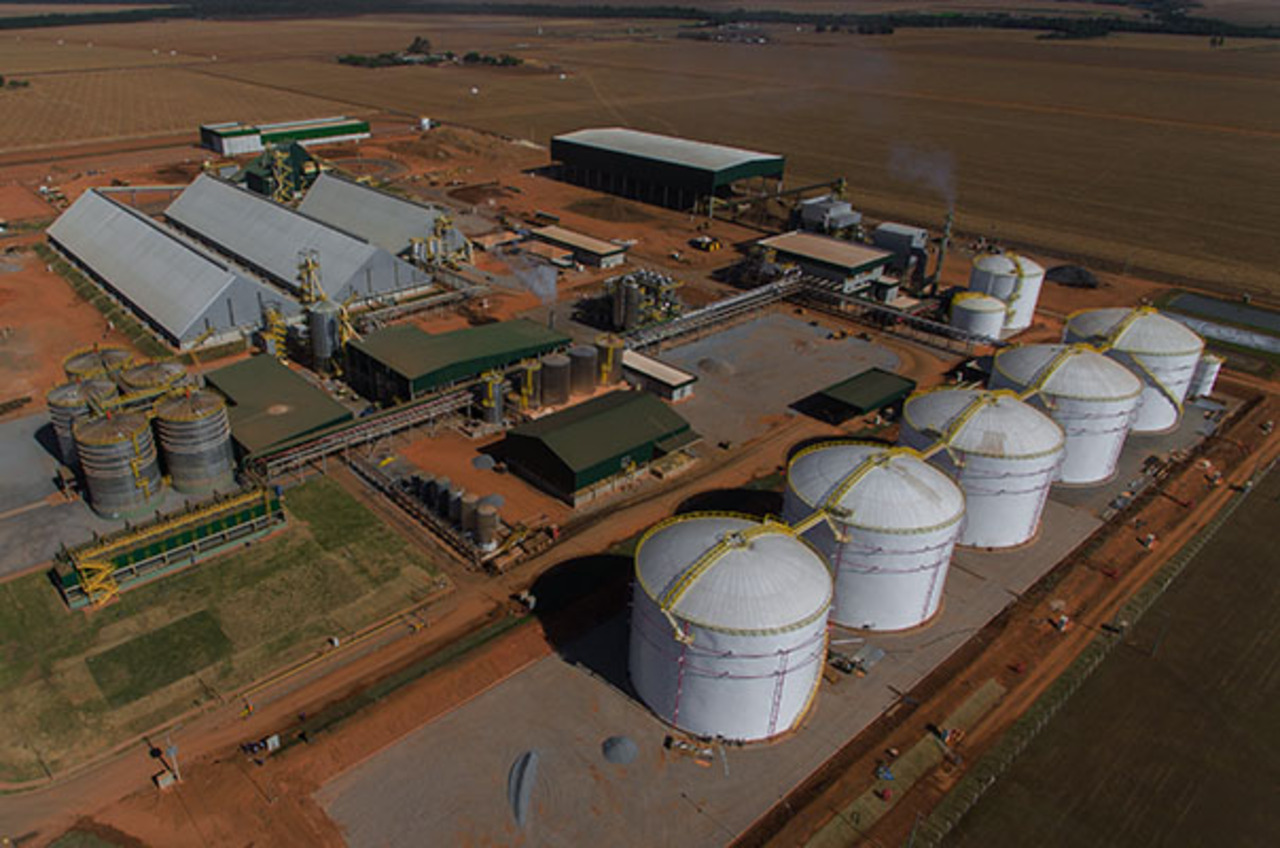
The Brazilian Renewable Energy Industry Is Expanding, and 17 New Biofuel Plants Could Emerge in the Coming Years, Says ANP
The construction of new biofuel plants could shape the growth of the renewable energy sector, providing a perspective on supply for the coming years, according to data from ANP itself. However, it is important to note that not all plants said to be under construction will indeed come to fruition. Some units may remain “under construction” for years, with no forecast for completion.
Read Also
17 Biofuel Plants Under Construction
As of the update on January 24, 2020, from the National Agency of Petroleum, Natural Gas and Biofuels (ANP), 17 plants are under construction. According to ANP, they could add to the national supply, daily, 6.17 million liters of hydrated ethanol and 3.12 million liters of anhydrous.
Of these plants focused on renewable energy, at least seven are expected to use corn as raw material for the production of biofuels. Among the remaining ones, few details have been provided by ANP, and several units have been on the list for years.
-
Rio Grande do Sul accelerates energy transition: State invests in renewable technologies and consolidates decarbonization strategies and pathways to attract billions in new industrial investments.

-
While Russia dominates the global wheat market, Brazil emerges as an unexpected competitor in the Cerrado, offering grain available in July and August when stocks in the Northern Hemisphere are at their lowest point of the year.

-
China returned almost 20 Brazilian ships with soybeans, but now everything could change: the country that buys 80% of the grain is considering relaxing regulations after impurities held up shipments of thousands of tons and caused million-dollar losses.

-
Chinese giant worth nearly R$ 4 billion that manufactures cables for electric cars, solar energy, and robotics wants to open a factory in SC.

More Than 359 Renewable Energy Units
Currently, 359 units are authorized to produce ethanol in the country. Together, they can produce 263.33 million liters of the biofuel daily – 171.43 million of hydrated and 91.90 million of anhydrous. When the expansions reported to the agency are included, this volume rises to 269.56 million liters per day.
When constructions are also accounted for, the renewable energy market would have 278.85 million liters of biofuel available daily. This volume is 5.89% higher than what is currently authorized, with 183.34 million being hydrated and another 95.51 million anhydrous.
Of the 18 projects, the one with the highest daily production capacity is the Bioenergy Cluster, located in Barra do Garças (MT), with 1.17 million liters daily of both hydrated and anhydrous.
Currently, 360 plants are authorized to produce the biofuel, with a capacity of 241.79 million liters daily of hydrated and 128.92 million of anhydrous. Considering the 23 units in expansion, the volumes reach 248.53 million and 129.78 million liters, respectively.









Seja o primeiro a reagir!