






 Portuguese
  Spanish


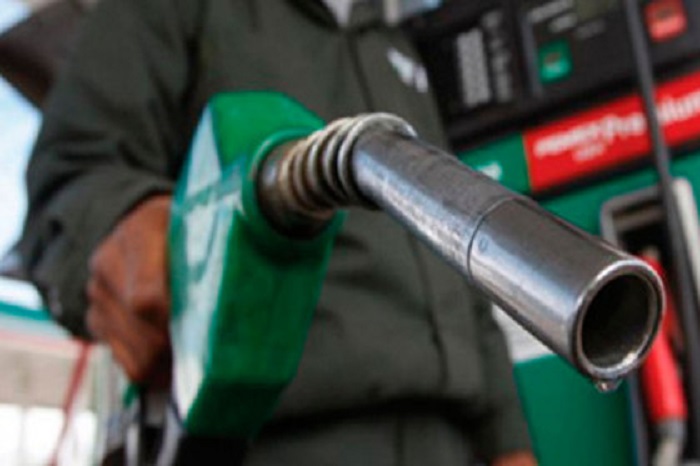

Petrobras Refineries Experienced Strong Increases in Average Diesel Prices in the First Quarter of 2019. This Increase Was 18.5 Percent, However, It Was Not Reflected by All Gas Stations in the Country, With the Quote Rising by Only 3 Percent During This Period.
According to data released by the National Agency of Petroleum, Natural Gas and Biofuels (ANP), the average price of the most consumed fuel in Brazil, diesel oil, this week at the pump was 3.554 reais per liter, unlike the scenario of the last week of 2018, which was 3.451 reais per liter, while on the other hand, diesel at the refineries is being sold for 2.1432 reais per liter, compared to 1.8088 real per liter on the last day of last year, according to information from Petrobras.
According to Leonardo Gadotti, the president of the association that brings together the main fuel distributors in Brazil, Plural, this scenario reflects the market and is extremely positive.
-
Real Estate Agent Buys Marvel Movie Subway Car for $5,000 and Converts It into Themed Airbnb
-
Real Estate Agent Buys Marvel Movie Subway Car for $5,000 and Converts It into Themed Airbnb
-
Former Roma and Fiorentina Player Filipe Gomes Returns to Brazil to Found Empório do Galeto, Aiming for $10 Million Revenue by 2026
-
Canada Builds 6.2-Hectare Containment Box to Trap 615,000 Cubic Meters of Toxic Sediment in Lake Ontario


He told Reuters, “Everyone delivered a part to be able to sell, to be competitive, that’s what market is, that’s what we want,” he stated, affirming that all players in the chain had “participation in this sacrifice.”
The high price of diesel in May of last year led to a historic truckers’ strike, which paralyzed the country, causing a regrettable episode in Brazil, forcing the government to negotiate a subsidy for the fuel and leading to the departure of Petrobras president Pedro Parente.
Cwith the end of the subsidy, since the beginning of this year, the respective values have been adjusted every seven days, however, Petrobras announced a new change in the pricing policy, which will now occur at longer intervals of 15 days due to changes in the frequency of adjustments.
It is still early to worry about potential impacts of Petrobras’s change in periodicity on the market, which according to Gadotti, the oil company’s positioning is positive in maintaining the principles that guide competitive pricing practices, such as the international parity price (IPP).
“We have been experiencing a very good period of market force exercise, especially of diesel oil (in the first quarter of the year). Petrobras is making adjustments; we will see what the market result will be,” he said.
Regarding gasoline, Petrobras continues with daily adjustments to avoid financial losses, but may keep prices frozen for up to 15 days.
A growth of 21.5 percent was recorded in the average price at refineries in the first three months of the year, while at gas stations, the average price of gasoline rose by 0.4.








