






 Portuguese
  Spanish
  2 min of reading


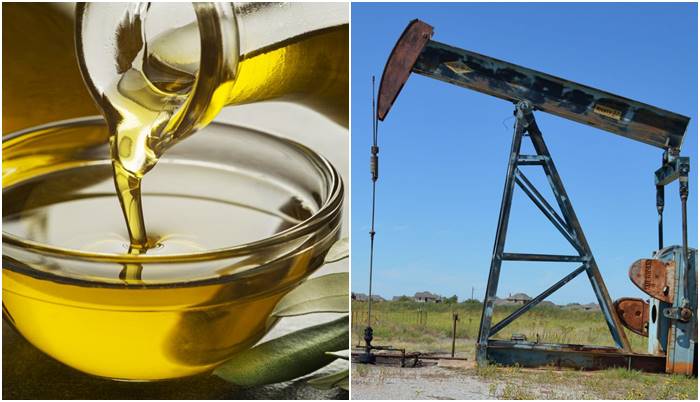
Despite the Collapse of International Oil Prices and the Latest Adjustments in Gasoline Prices at the Refinery Gate, Hydrated Ethanol – E100 – Still Technically Offers an Economic Advantage for Drivers in Southeast Brazil, Government Data Shows.
In the week ending Saturday, the price ratio of hydrated ethanol to gasoline was 70.16%, slightly above the 70.04% from the previous week, according to data released by the National Agency of Petroleum, Natural Gas and Biofuels (ANP) on Monday. Since January 6, E100 in Southeast Brazil has lost a minimal advantage of almost 2.11 percentage points in consumers’ wallets.
Consumers with flex vehicles generally use hydrated ethanol only when the price is 70% of gasoline or less due to its lower fuel economy.
In 2019, the Southeast region accounted for nearly 50% of Brazil’s total hydrogen and gasoline consumption.
-
Coal mine purchased for $2 million in Wyoming, the Brook Mine holds rare earth elements and critical minerals estimated at up to $37 billion, in an asset that the US is competing for with China.

-
In the year Brazil won the World Cup, gasoline cost R$ 1.77, the cheapest car was worth R$ 13,000, there were no flex-fuel cars, SUVs were rare, and no Chinese brand sold a single vehicle in the country.
-
Neighboring Balneário Camboriú will receive a R$ 1 billion airport with 225 hangars, an area of 2.2 million m², a technology park, and an export zone that promises to transform the economy and generate thousands of jobs.
-
After investing R$ 5,000 in fried chicken in his backyard, a Brazilian transformed two fryers and a freezer into a network with 115 sales points, presence in up to 17 states, and revenue exceeding R$ 115 million per year.



Hydrated ethanol is not losing its advantage over fossil fuel mainly due to the lag between Petrobras’ refinery pricing adjustment base and the moment retailers change their prices at the pumps.
Since January 1, Petrobras has reduced gasoline prices at the refinery gate by 34%, while the average price for consumers in the Southeast fell 1.46% from R$4.60/liter in January to R$4.53/liter on Saturday, according to ANP data.
Meanwhile, the average price of hydrated ethanol for consumers rose about 0.5%, an extremely weak correlation with the factory gate price so far in 2020.
S&P Global Platts’ assessment of hydrated ethanol from the Ribeirão Preto plant dropped 9.56%, from an average price of R$2.51/liter in January to R$2.27/liter on Monday.
If the coronavirus outbreak had not begun to reduce Brazilian fuel consumption, sales of hydrated ethanol would have maintained a good pace, despite the turmoil in international oil markets.
Brazil’s largest distribution companies expect fuel consumption to fall nearly 10% in March and another 30% in April due to the ongoing coronavirus lockdown.


Be the first to react!