





 Portuguese
  English
  Spanish
  2 min of reading
  0 comments


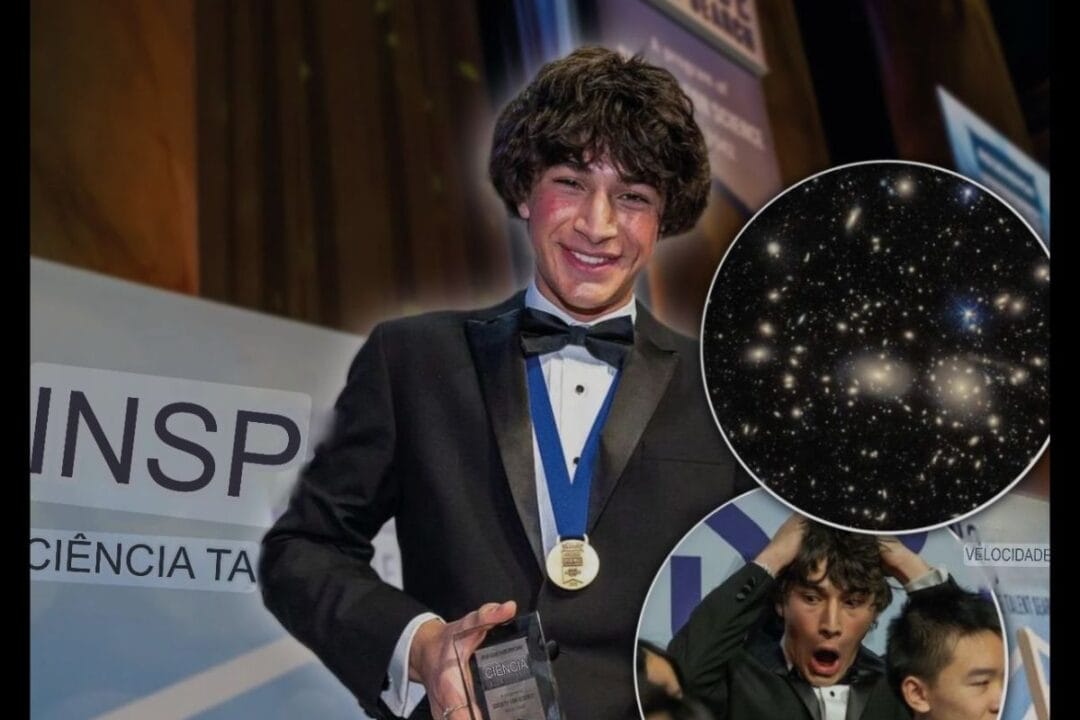
Using a Laptop and Persistence, Student Matteo Paz Discovered 1.5 Million Space Objects and Can Solve One of the Biggest Mysteries of the Cosmos.
At 18, Matteo Paz took first place in the Regeneron Science Talent Search, a $250,000 award, after developing an AI algorithm that analyzed NASA data and identified supernovas, black holes, and previously uncataloged objects. His research is already used by scientists at Caltech and could redefine the understanding of the universe’s expansion.
Discovery of 1.5 Million Space Objects Using AI
Matteo Paz, a high school student, revolutionized astronomy by discovering 1.5 million new space objects. It all began during an internship at NASA, where he had access to 200 terabytes of infrared data. With a regular laptop and an AI algorithm he developed, Matteo mapped regions never before explored.
How Matteo Paz’s Internship at NASA Changed Modern Astronomy
The internship at NASA was the starting point. Matteo created a system capable of processing complex data from space telescopes. His algorithm identified patterns imperceptible to traditional methods, revealing supernovas, black holes, and unknown celestial bodies. Many of these objects had never been recorded by science.
-
Scientists have finally discovered where the plastic that disappeared from the oceans went, and the answer is frightening: it fragmented into such tiny particles that they became invisible and now there are 27 million tons of nanoplastic just in the North Atlantic.

-
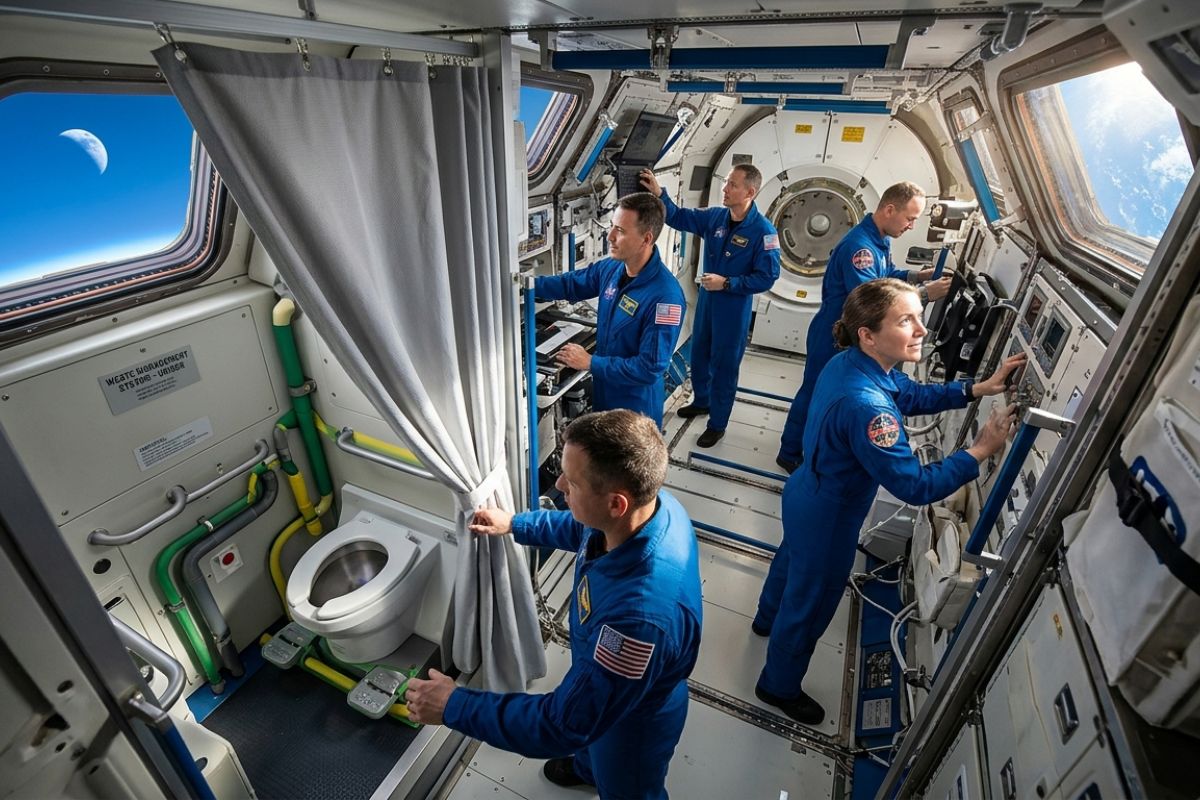
The Artemis II mission will take the Orion capsule back to the vicinity of the Moon with four astronauts, a private bathroom with a curtain, a system adapted for men and women, and a level of comfort that highlights how the Apollo era operated at the rawest limits of space exploration.
-
Giant structures on the seabed precisely control oil and reveal how high-tech underwater valves work.

-
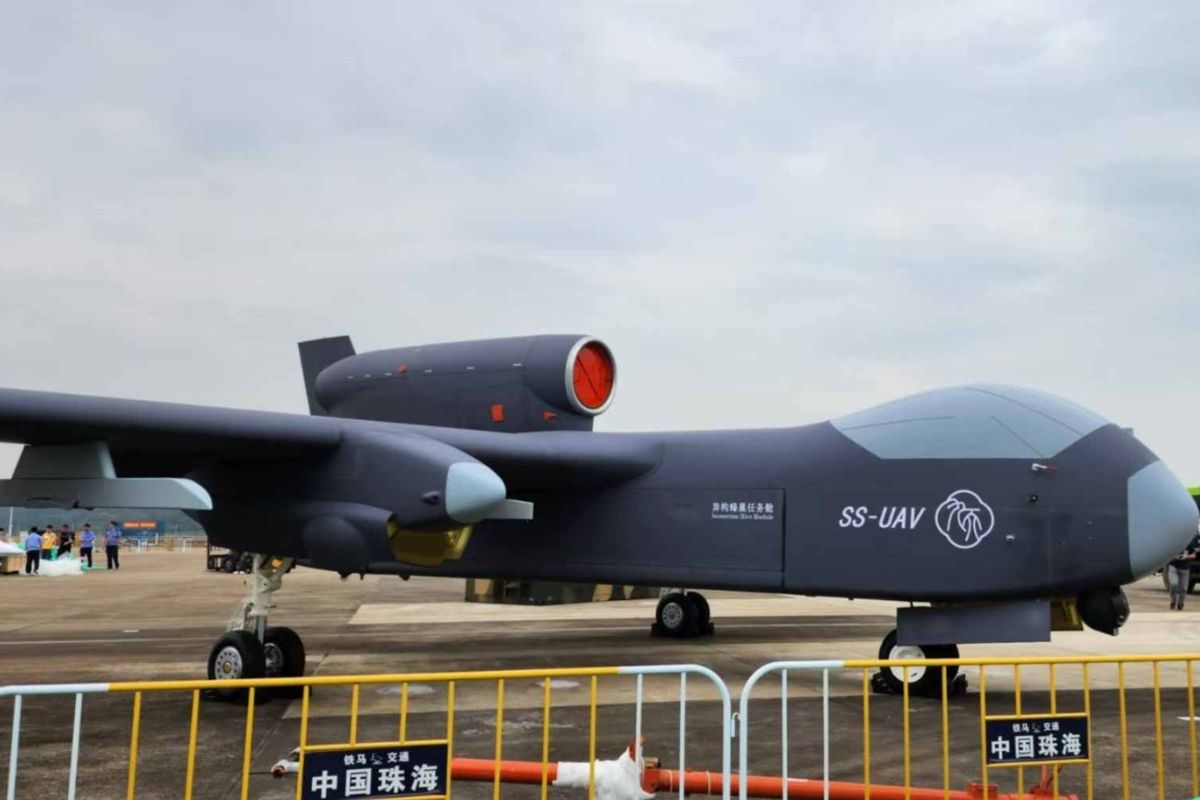
China has just tested a giant drone the size of a fighter jet with a wingspan of 25 meters that carries 6 tons, flies for 12 hours, and the most frightening part: it can launch entire swarms of smaller drones directly from the air.

Algorithm Analyzes 200 TB of Data and Reveals Cosmic Secrets
The analysis of 200 terabytes of infrared data required precision. Matteo’s algorithm not only cataloged objects but also cross-referenced information to understand their properties. Among the discoveries are pieces of evidence that could help calculate the actual rate of the universe’s expansion – an old debate in astrophysics.
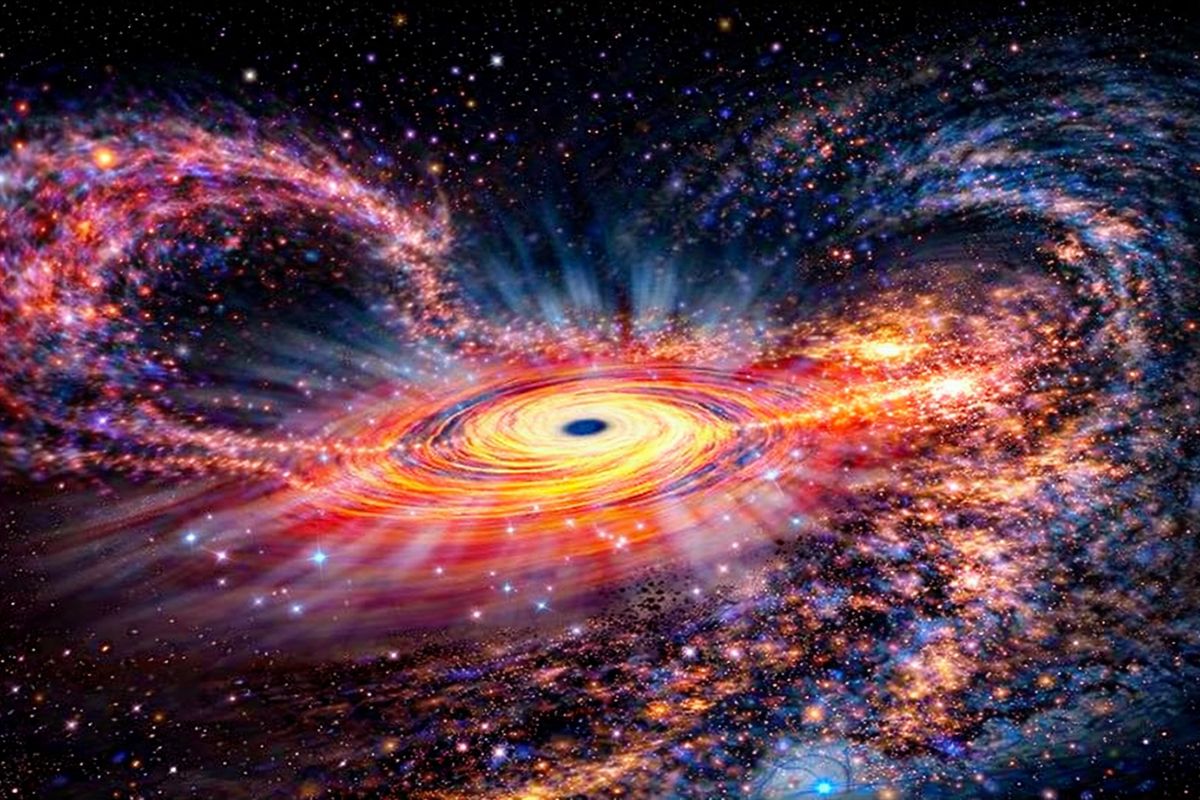
Matteo’s discovery has direct implications in cosmology. By identifying objects related to high-energy phenomena, such as supernovas, his research provides clues to calibrate the “Hubble constant”. This value defines the rate of the universe’s expansion and has been a subject of disagreement among scientists for decades.
Award and Recognition in the Regeneron Science Talent Search
Matteo’s work secured first place in the Regeneron Science Talent Search, a competition that recognizes young scientists in the U.S. The $250,000 prize attests to the potential of the research, which has already been adopted by institutions like Caltech. For Matteo, this achievement proves that innovation does not depend on expensive resources, but on creativity and persistence.








-

-

3 pessoas reagiram a isso.