





 Portuguese
  English
  Spanish
 4 min of reading
  0 comments



The Project Proposes That the MDA Establish a Legal Framework Capable of Ensuring Continuous and Effective Funding for Rural Technical Assistance, Benefiting Families and Promoting Sustainability
The MDA (Ministry of Agrarian Development) is in the process of drafting a bill to create the Unified System of Technical Assistance and Rural Extension (Suater), according to a report published.
This initiative aims to ensure that family farmers have stable and qualified access to technical assistance and rural extension, with institutional support.
The text under construction involves participation from field organizations, federal and state governments, and parliamentarians.
-
Unable to pass through Hormuz, Brazil activated a plan B that uses Turkey as a gateway to the Middle East: the route through Gibraltar and the Mediterranean is longer and more expensive but ensures that chicken, beef, and corn continue to reach Arab markets.

-
You grew up hearing that the good coffee from Brazil goes all abroad and the bad coffee stays for Brazilians, but this story has completely changed, and the numbers show that in the 1980s, thirty percent of the coffee sold here was adulterated with corn and barley.

-
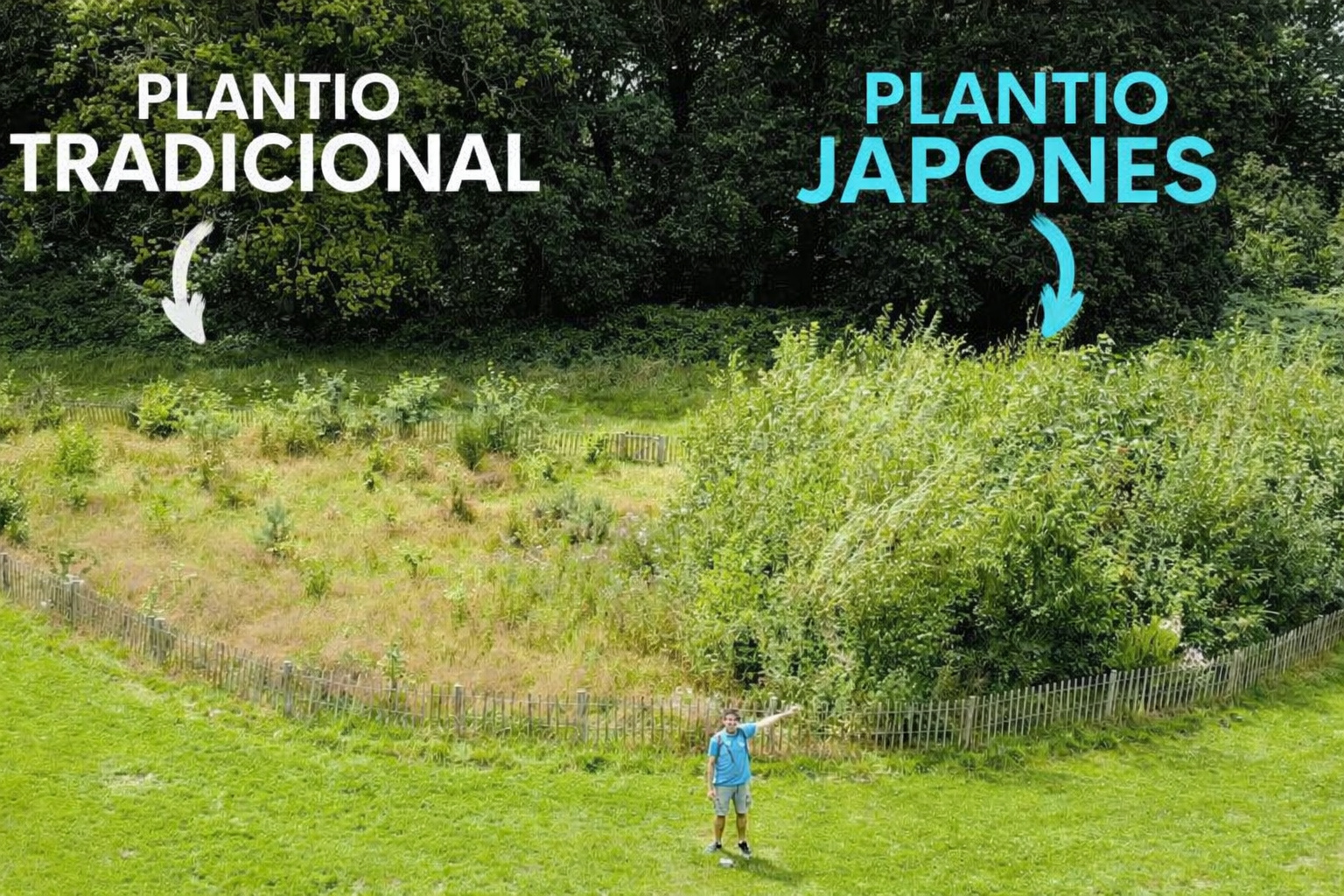
Engineer creates reforestation method that transforms small plots into dense forests in a few years using local biomass and can reduce environmental recovery costs.
-
Alone, the producer applies 7,400 hectares with the T100 drone in an optimized structure, replaces the generator with a silent battery, and demonstrates how technology reduces costs, increases productivity, and even challenges the uniport in the field.


The idea is to establish a permanent fund exclusively for funding Ater’s actions, regulating the transfer of resources among federative entities and defining criteria and performance goals.
The proposal also foresees the active inclusion of civil society through management councils, ensuring transparency and governance.
It is expected that the project will advance quickly, creating a modern and sustainable legal framework to strengthen family agriculture, promote the agroecological transition, and guarantee lasting public policies for technical assistance.
Unified System of Rural Assistance and Social Participation
The first axis of the proposal emphasizes the “unified system of rural assistance” as a tool to integrate efforts from different government levels.
This system provides for coordination between the Union, states, and municipalities, with joint action from public bodies and private entities.
Social participation will be ensured through management councils in which organizations from the agricultural sector, social movements, and Ater entities will be represented.
This way, it will be possible to monitor the distribution of resources, set regional goals, and ensure that farmers actually receive quality services.
Permanent Fund for Ater Funding and Structured Goals
The second point of the project is to create a “permanent fund for Ater funding,” intended to sustain the Suater.
This fund will have exclusive and continuous funding to provide predictability for technical assistance and rural extension policies.
The criteria for transferring funds among the federative entities will be defined with clear goals for execution and efficiency.
One of the goals is to ensure the universalization of rural technical assistance in more vulnerable regions, including families that currently have no access.
With guaranteed resources, it is expected to expand operations in remote areas, strengthen Ater’s infrastructure, and improve state public extension services.
Universalization of Rural Technical Assistance Focused on Sustainability
The third core of the project aims to promote the “universalization of rural technical assistance” with a focus on innovation and sustainable practices.
The proposal acknowledges that the MDA already coordinates the national Ater policy, in articulation with states, social organizations, and institutions such as Anater and Senar.
Since 2023, actions linked to the National Plan for Technical Assistance and Rural Extension (Pnater) and the government’s agroecological transition agenda have allowed progress in strengthening free public extension.
Resources applied by the federal government have contributed to increasing food production, modernizing productive practices, and expanding organic products.
IBGE data show that, in 2024, Brazil matched the historical record of access to food recorded in 2013, via the Brazilian Scale of Food Insecurity (Ebia).
By consolidating the Suater, the MDA seeks to ensure that these achievements have a solid legal basis and institutional continuity.
Strengthening Sustainable Family Agriculture Boosts Technical Assistance and Rural Innovation Led by the MDA
To reinforce the commitment to “strengthening sustainable family agriculture,” the project provides for specialized technical support, training, and access to technologies adapted to small producers.
With the proposed fund, it will be possible to expand the coverage of technical assistance in traditional rural areas and promote integration with credit policies, such as Pronaf.
The articulation between state Ater institutions, Anater, and civil society organizations will be intensified to ensure that the MDA drives the expansion of services effectively, supportively, and accurately.
Agroecological Transition in the Field Expands Public Policies and Sustainability Led by the MDA Across the Country
The proposal incorporates the principle of “agroecological transition in the field,” encouraging agricultural practices with lower environmental impact, soil restoration, and crop diversification.
The Suater should provide technical assistance to help farmers transition to sustainable systems.
In this sense, the MDA intends to consolidate a collaborative public policy that does not replace but expands assistance, bringing technology, income, and sustainability to millions of farming families across the country.






Seja o primeiro a reagir!