





 Portuguese
  English
  Spanish
  4 min of reading
  0 comments



Approved in September 2025, the provisional measure on solar energy may reduce the returns for small producers, bringing uncertainty to consumers and investors in the sector.
The approval of the Provisional Measure 1,300 had a strong impact on those who bet on solar energy in Brazil, as reported this Sunday, 28. The text, presented as part of a modernization of the electric sector, opens the door for significant changes in tariffs. However, instead of security, the measure generated fear, outrage, and a scenario of uncertainties for families and small producers who invested in solar panels.
Industry entities already claim that financial returns may fall by up to 80%, which threatens not only new investments but also confidence in the country’s energy transition.
Solar Energy Loses Predictability After MP
Until now, the compensation model for those installing solar panels was direct and predictable. For every real injected into the electric grid, the consumer received R$ 1.00 in credit, making the investment highly attractive. Now, with the new provisional measure, this return may be drastically reduced.
-
Jacareí advances with a photovoltaic plant and bets on sustainability to transform public management with clean solar energy, reducing operational costs and strengthening energy efficiency in essential services.
-
Maricá transforms Risca-Faca into Leonel Brizola Neighborhood with solar energy and promises to reduce costs for families while promoting dignity, urbanization, and social development in a historically vulnerable community.

-
The future of the electrical grid: How Virtual Power Plants (VPPs) are revolutionizing the monetization of solar energy and creating new income sources for consumers in 2026.

-
Revolution in the electric sector: ANEEL approves the operation of the first BESS project co-located with a solar plant in Brazil to stabilize the grid and optimize renewable generation in 2026.
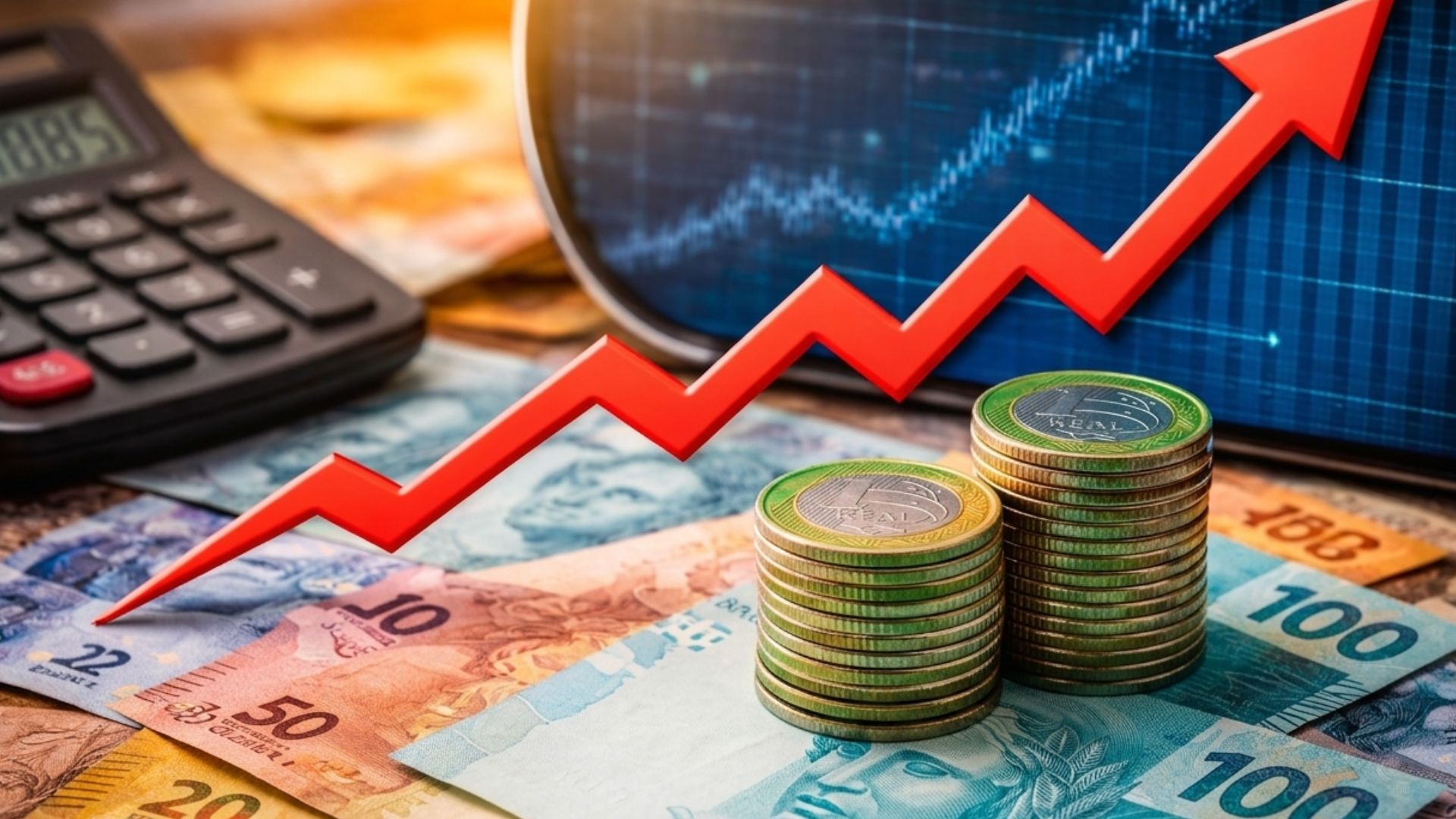
According to calculations by specialists, with the multiparty tariffs, only R$ 0.36 of each real generated in solar energy would be compensated. This represents a loss of R$ 0.64, making the return longer and, in some cases, unfeasible.
One of the central points of the provisional measure is the transfer of power to the National Electric Energy Agency (ANEEL). It will be up to the agency to define how the new tariff modalities will be applied.
Despite this, the sector fears that decisions may be slow and bring even more instability. Regulatory uncertainty is already concerning investors and manufacturers of solar energy equipment. For the Brazilian Association of Photovoltaic Solar Energy (Absolar), the risk of legal insecurity is significant and could discourage new contributions to the sector.
Small Producers and Families Will Be the Most Affected
Among those most affected by the provisional measure are families who decided to invest in solar panels to reduce their electricity bills, as well as micro and small producers. These groups depended on predictability in financial return to make the adoption of the system viable.
Absolar highlighted that the change could exclude from the market precisely those who most need the economic advantages of solar energy. In addition to the direct loss in the consumer’s pocket, the impact may also affect the productive sector, with the risk of job reductions and the halt of new projects.
The insecurity brought by the provisional measure does not only affect consumers. It also threatens the growth of the clean and renewable energy matrix in Brazil. The country had been making progress with the expansion of solar energy, considered one of the pillars for sustainable transition.
Now, with the expected decline in project profitability, there is a risk of retraction in investments and a slowdown in the development of the national photovoltaic equipment industry. Manufacturers, installers, and solar energy cooperatives are already showing concern about the scenario.
Debate on Clean Energy Gains New Contours
The provisional measure has been defended as a step to modernize the electric sector, but it opened up a bigger debate: how to balance regulatory innovation with consumer security?
On one side, the government argues that the revision of the rules is necessary to adapt the system to technological changes. On the other side, specialists remind us that solar energy had been consolidating as a democratic, accessible, and sustainable alternative. Uncertainty may hinder this progress.
Questions That Remain After the Provisional Measure
The approval of MP 1,300 left several questions open. Among them:
- How to incentivize solar energy in the face of regulatory unpredictability?
- What will be the role of ANEEL in defining tariffs?
- Will the government review the rules if there is a drastic drop in investments?
- What will be the real impact on consumers who have already installed solar systems?
While these answers do not come, specialists warn that the risk of regression is significant.
Solar Energy Consumers Live in a Climate of Uncertainty
For those who have already invested in solar panels, the atmosphere now is one of concern. Many planned their investment based on a predictable medium-term return. With the new rules, this timeframe may stretch over years.
For those considering joining the system, the question is whether the investment is still worth it. Legislative and tariff insecurity may discourage new consumers and slow the expansion of solar energy in Brazil.







Seja o primeiro a reagir!