





 Portuguese
  English
  Spanish
  2 min of reading


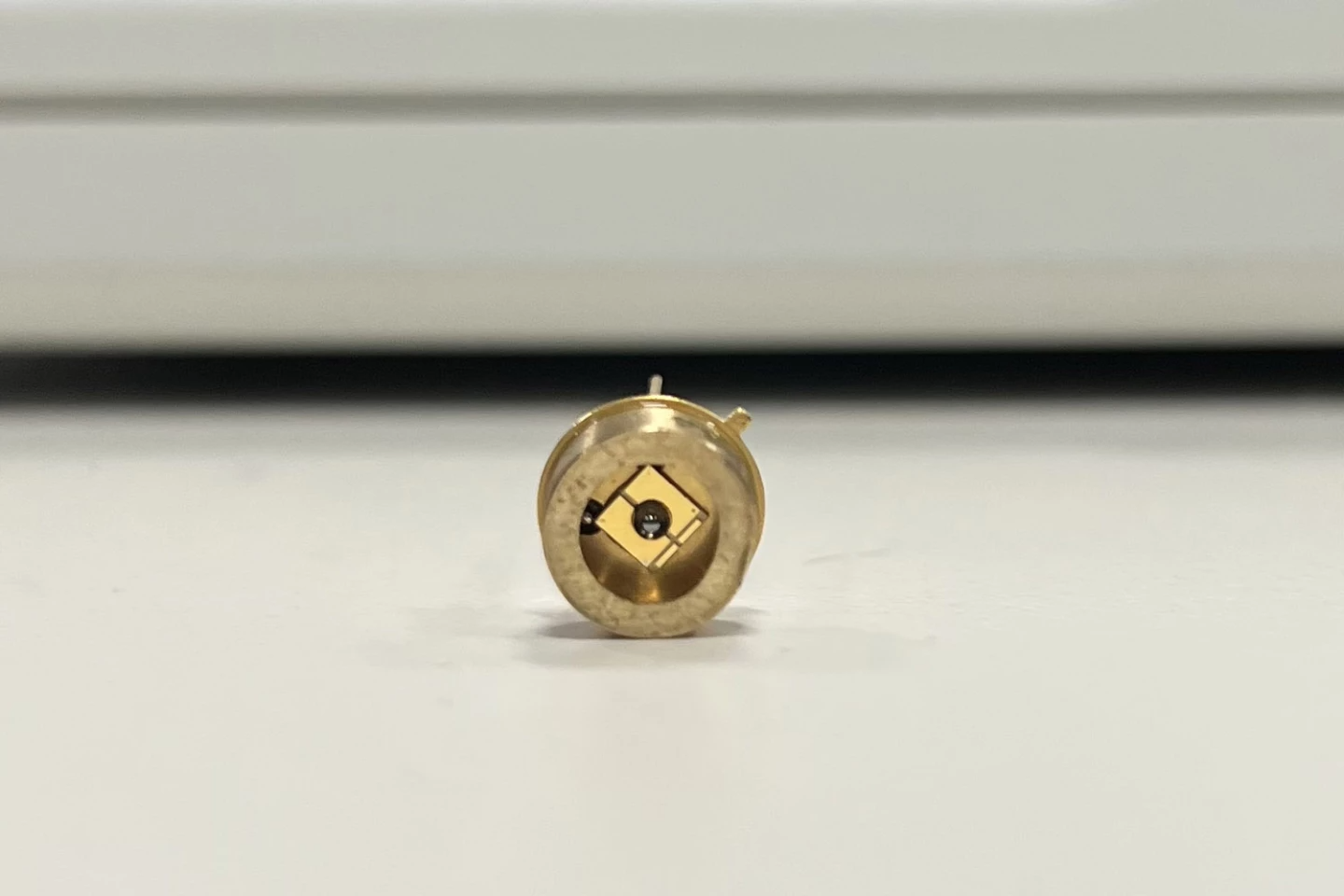
A University In Australia Is Working On A Solar Cell That Promises To Revolutionize Clean Energy Production
With climate change, investments in the development of new clean energy production technologies are increasing. One example is the study released by the ACS Photonics from the University of New South Wales (UNSW), Australia, where researchers are working on a solar cell capable of producing energy at night. This involves the “inverse operation of a conventional solar cell,” which would be capable of producing up to one-tenth of a conventional photovoltaic cell.
Energy Production From Infrared Thermal Radiation
In a conventional solar panel, sunlight is absorbed by the solar panels and converted into electricity. The study shows that the same process can occur in reverse, where heat loss is exploited. As the Earth cools at night, it radiates energy into space. Researchers leverage this movement to generate electricity.
The device being developed by researchers is called a Thermoradiative Diode. Basically, the equipment operates in the inverse manner of a conventional solar panel.
-
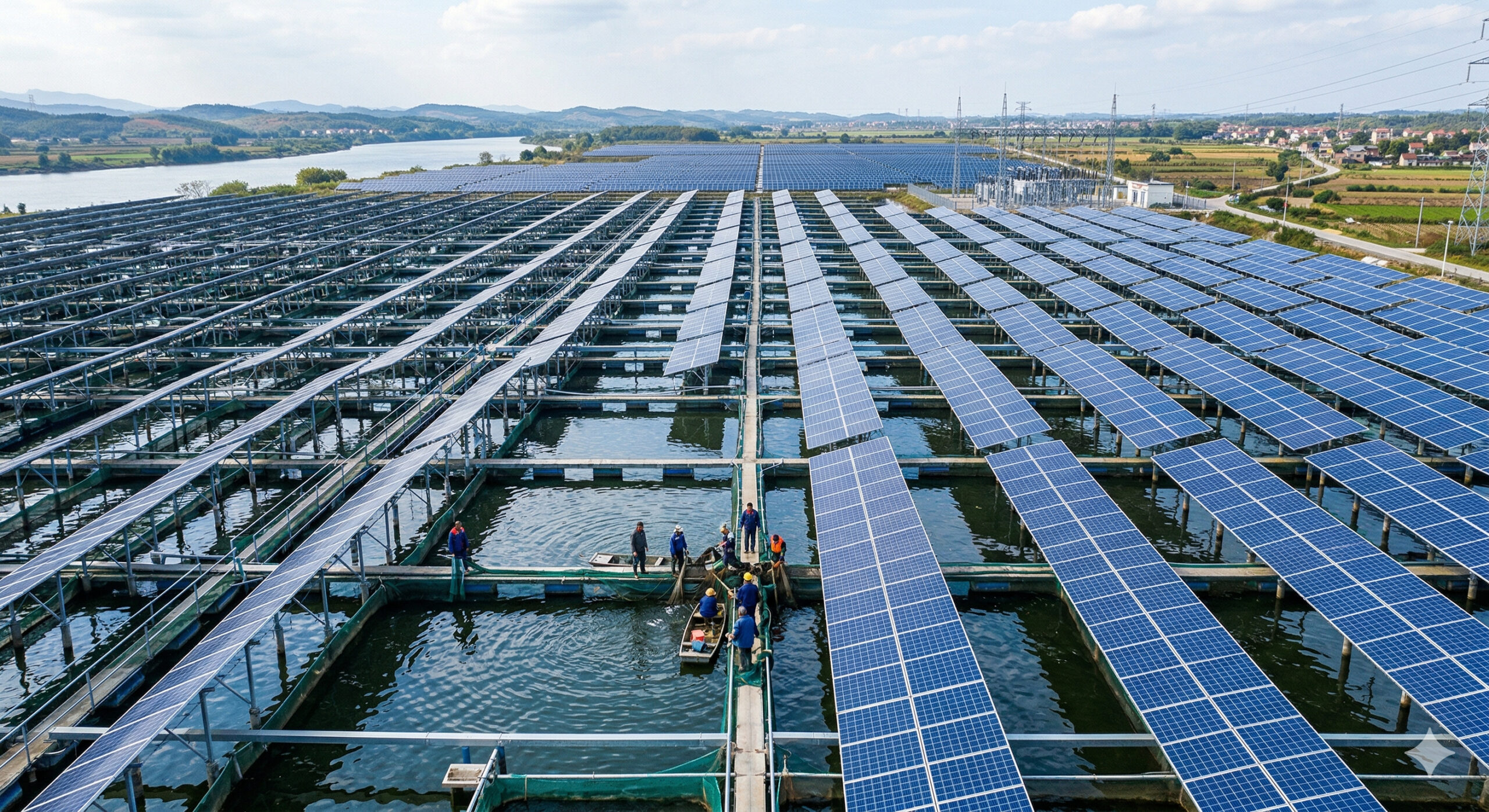
China bets on the Fishery-PV model and transforms fish farms into giant solar plants, covering ponds with panels that generate energy while utilizing the same space for large-scale aquaculture production.
-
Europe records strong euro economy with solar energy in March and sparks curiosity about which country leads growth that redefines the energy market and reduces costs.

-
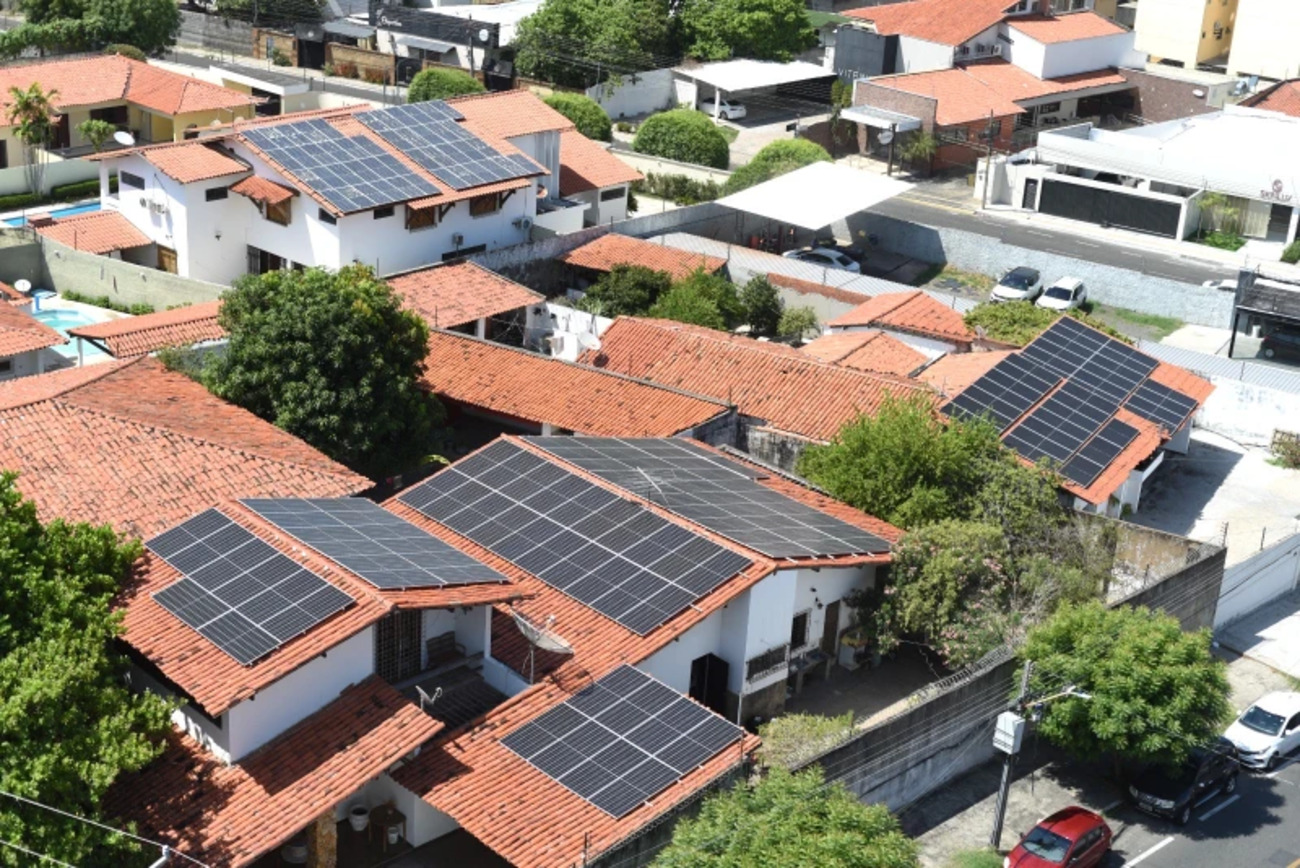
Piauí reaches a historic milestone in energy transition: State records nearly 160,000 households powered by solar energy and leads growth in the Northeast.
-
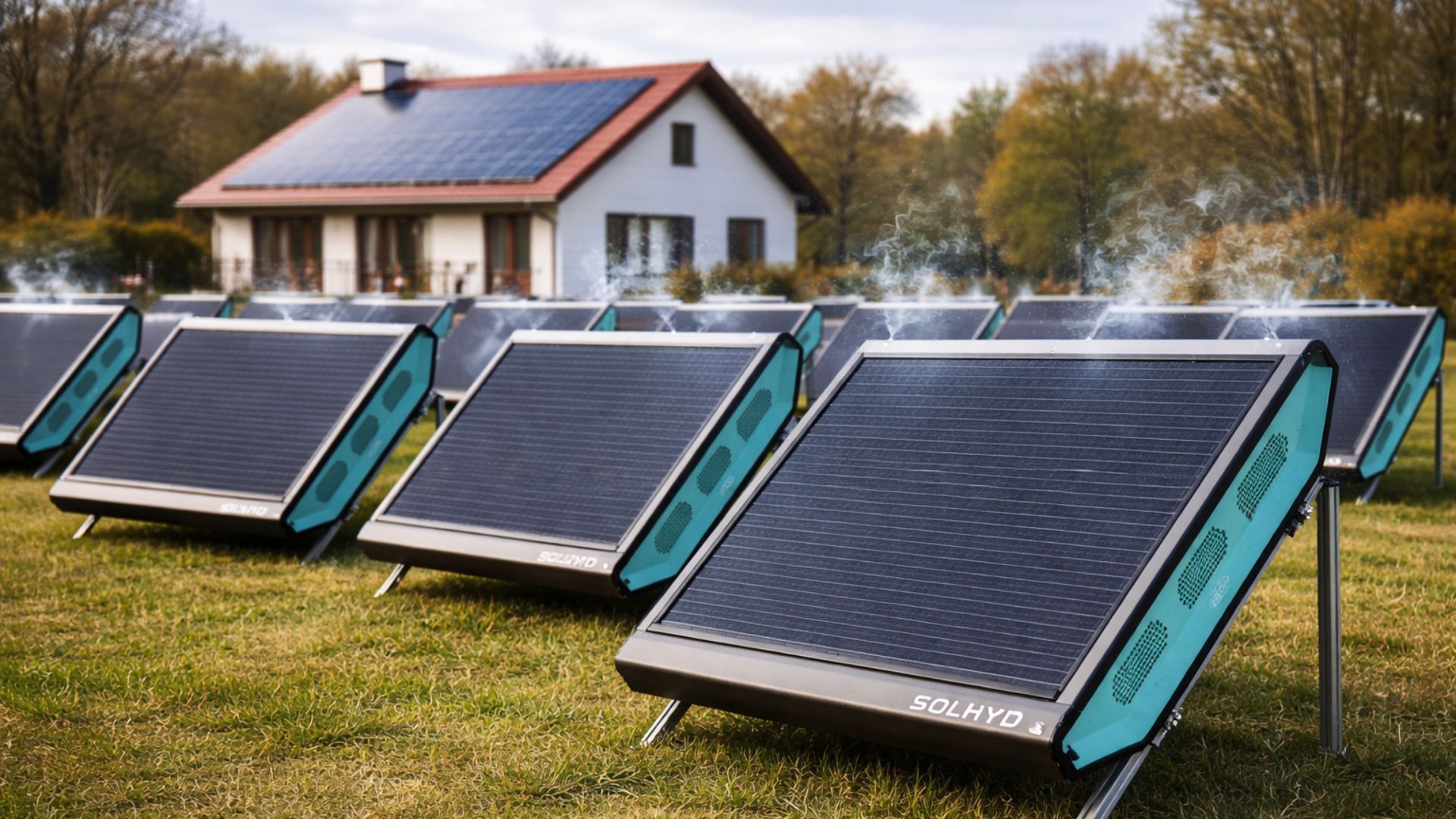
Argentina debuts its first 100% solar-powered highway and transforms an entire road into a showcase of clean energy.

“The idea that thermodynamically we can produce energy through the emission of light rather than absorption may seem impossible to many. Much like a solar cell, what we have here is a thermal engine, with the difference of switching the energy converter from the cold side (solar cell being on Earth absorbing photons from the Sun) to the hot side”, said Michael Nielsen, professor and researcher at the School of Photovoltaic and Renewable Energy Engineering at UNSW.

Energy Production Capacity
During tests, one of the tested photovoltaic detectors heated up to 21.11 degrees Celsius, generating about 2.26 milliwatts per square meter. “At this moment, the demonstration we have with the thermoradiative diode is of relatively very low power,” said Ekins-Daukes. Data shows that if adapted and improved, the equipment could produce up to 1/10 of the energy of a conventional solar panel.
The researchers admit that this is a study in its early stages, where much still needs to be improved. Data shows that the energy potential in the tested equipment is much lower compared to a solar panel.
The researchers also claim that there is about a decade of studies needed before we can think about bringing the product to market. If the industry can see that this is a valuable technology for them, then progress could be extremely rapid.









Seja o primeiro a reagir!