





 Portuguese
  English
  Spanish
  4 min of reading
  0 comments


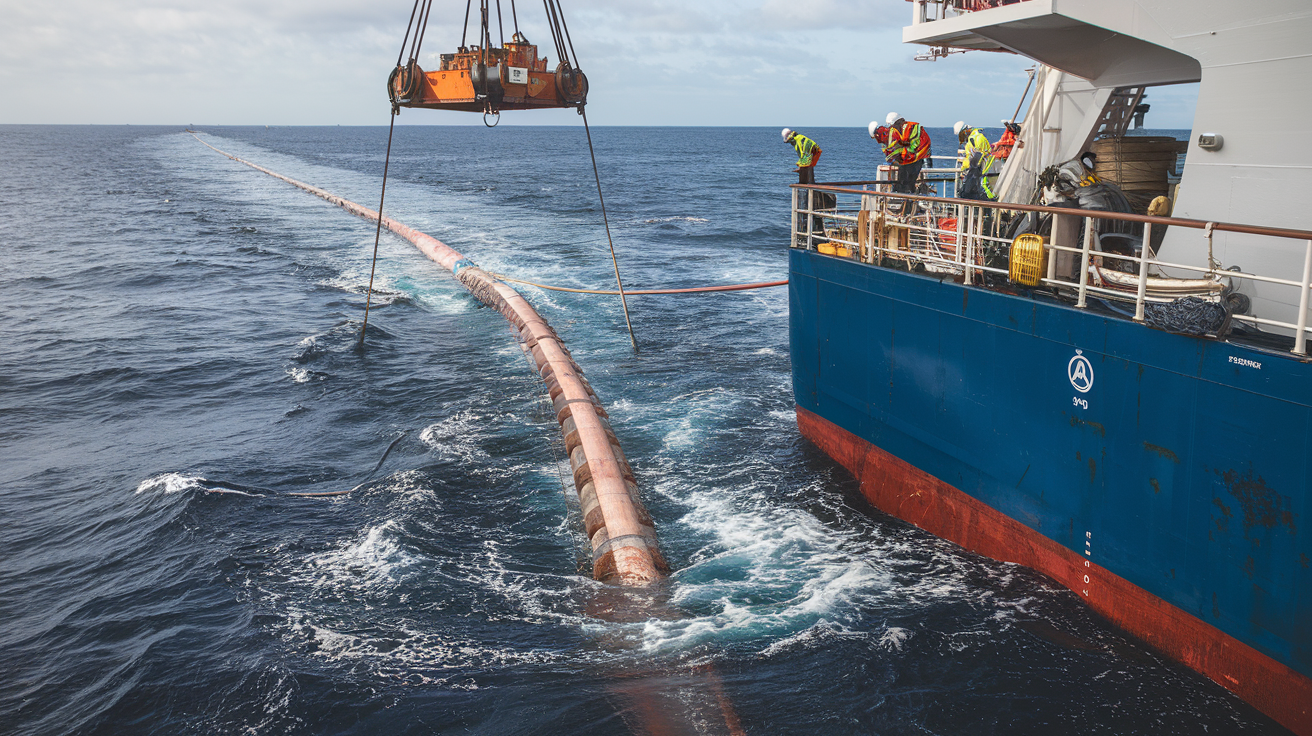
With 50,000 km of Extension, Meta Submarine Cable Will Connect South America, Europe, and Africa, Positioning Brazil as a Global Data Center and Hub for Artificial Intelligence.
After much speculation, Meta (the company behind Facebook, Instagram, WhatsApp, and other platforms) has officially confirmed its ambitious plans to build the world’s largest internet cable. Named Project Waterworth, Meta’s mega submarine cable will have an impressive 50,000 km of extension, connecting five continents and reinforcing the digital infrastructure needed for the company’s advancement in artificial intelligence (AI) and global connectivity.
If you thought the internet “traveled through the air,” prepare to discover how submarine cables are key pieces in the connection between continents — and why this new project promises to change a lot.
The Longest Submarine Cable on the Planet: 50,000 km of Connection
The submarine cable with 50,000 km will be the longest ever built, practically forming a “ring” around the planet. Project Waterworth will depart from the east coast of the United States, pass through Brazil, South Africa, India, and Australia, and end on the other side of the U.S., possibly in California.
-
Historic bankruptcy of Centauro shocks the market, and the century-old company puts more than 500,000 products, machines, and complete infrastructure up for online auction.

-
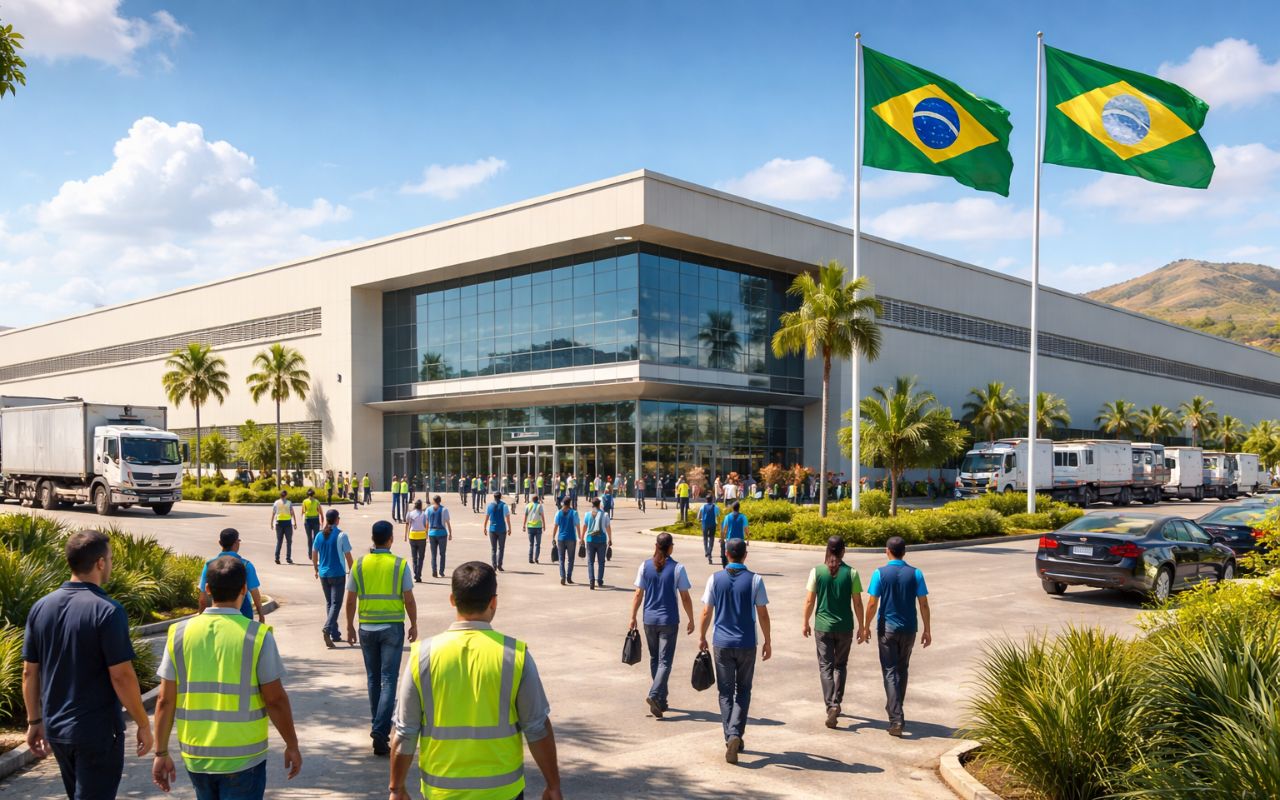
New shoe factory in Ceará is expected to create 400 jobs and strengthen the local economy.
-
No one imagined it, but a mixture of sawdust with a mineral that fights fires surprises scientists with a result that changes the course of fire-resistant construction.

-
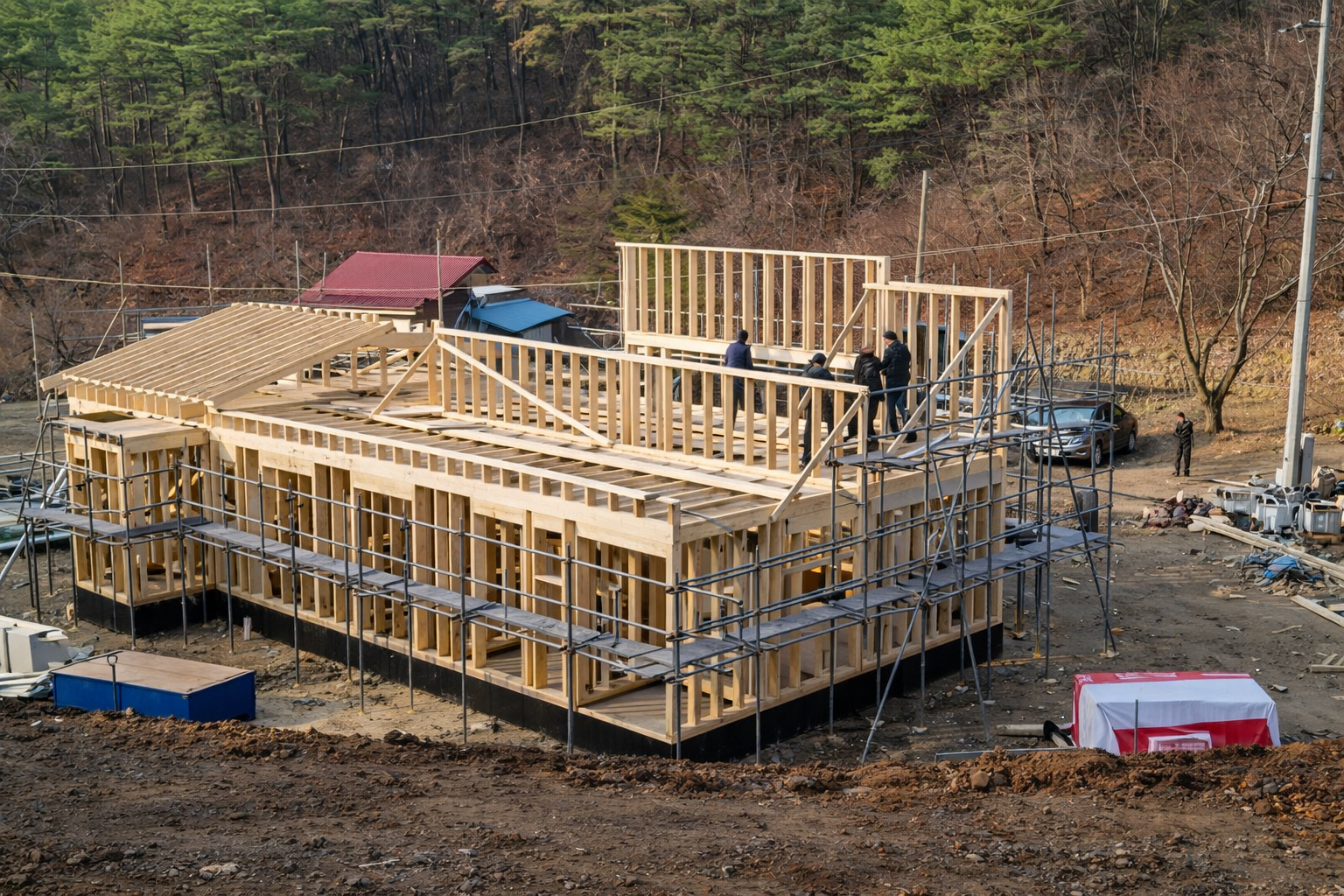
From empty land to a high-end house, wooden construction uses a lightweight system, metal structure for the foundation, ventilated ceramic cladding, and special windows to create an efficient and comfortable living space throughout the year.

With this route, Meta aims to ensure redundancy, stability, and high data capacity, creating its own global high-speed internet mesh. The structure will use 24 pairs of optical fiber and will be installed at depths of up to 7,000 meters, which requires cutting-edge technology and meticulous planning.
Brazil Will Be One of the First Connected Countries
Brazil will be the second destination of the cable, right after departing the east coast of the United States. The expectation is that Meta’s mega submarine cable will arrive through the northeast region of the country, reinforcing national connectivity and potentially benefiting areas that still lack access to high-speed internet directly.
This initiative not only improves speed and stability of the connection to Meta’s servers but also has the potential to accelerate digital inclusion in various regions. With a more robust infrastructure, services like WhatsApp, Facebook, and Instagram should run even better here — and perhaps even new AI and augmented reality solutions will start to emerge.
Independence and Less Dependence on Third Parties
One of Meta’s main goals with Project Waterworth is to achieve greater technological independence. Currently, the company uses submarine cables operated by up to 16 other companies, which creates dependencies and technical and commercial limitations.
With this new submarine cable, Meta will have total control over the data transmission of its platforms and services, in addition to providing its own infrastructure for its artificial intelligence projects, which require extremely high bandwidth and low latency.
Global Impact and Digital Inclusion
In addition to the technical aspect, Meta’s submarine cable has an important proposal for digital inclusion. According to the company itself, the project should stimulate technological development in the connected regions, especially in emerging countries such as India, South Africa, and Brazil.
Meta uses India as an example, where digital progress has been accelerated with the support of robust infrastructure. The expectation is that with Project Waterworth, more people will have access to quality internet, contributing to education, digital economy, and remote work opportunities.
Avoiding Conflict Zones: Strategic Cable Route
Another interesting point is that the route of Meta’s mega submarine cable was planned to avoid regions with political or military instability, such as the Red Sea, Egypt, and southern China. This ensures greater security for the cable’s operation and minimizes the risks of interruptions due to geopolitical conflicts.
How Much Will the Project Cost? A Lot — But It’s Worth the Investment
Meta has not yet released the official project cost, but analysts estimate that the initial investment will be at least US$ 2 billion. This does not include additional costs that are expected to arise over the course of the project, which will take years to complete.
Despite the high cost, building a submarine cable with 50,000 km represents a strategic infrastructure for Meta’s business, especially with the growing demand for AI, the metaverse, and real-time data transmission.
Summary of Project Waterworth: Meta’s Super Cable
| Feature | Details |
|---|---|
| Project Name | Project Waterworth |
| Total Length | 50,000 km (the world’s largest) |
| Connected Continents | North America, South America, Africa, Asia, and Oceania |
| Technology | 24 pairs of optical fiber, depth of up to 7,000m |
| Covered Countries | U.S., Brazil, South Africa, India, and Australia |
| Main Goals | Infrastructure independence, AI, digital inclusion |
| Estimated Initial Investment | US$ 2 billion (amount may increase) |
| Expected Completion Date | Long-term project (no exact prediction) |
What do you think of the project? Will it really change the game for global connectivity?









-

-

-

5 pessoas reagiram a isso.