





 Portuguese
  English
  Spanish
 6 min of reading
  56 comments


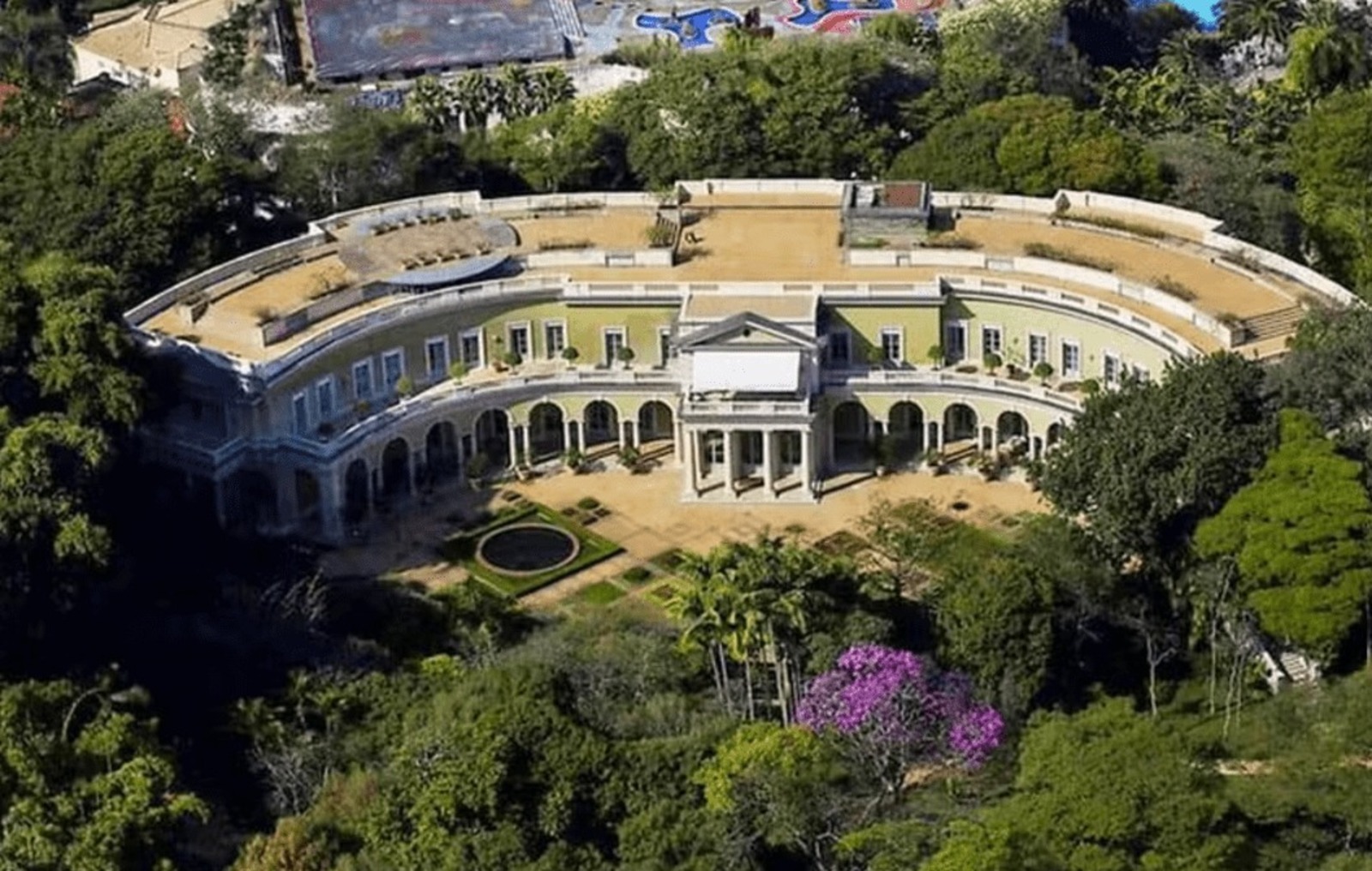


Safra Family Mansion in Morumbi Surpasses Palacio da Alvorada and the White House in Size and Enters the List of the Largest in the World
The residence of the Safra family, located in Morumbi, West Zone of São Paulo, secured the 11th position among the largest houses in the world, according to a survey by Architectural Digest (AD). The property was built by Joseph Safra in the early 1990s and is currently part of his widow, Vicky Safra’s, estate.


Dimensions Impress with Grandeur
With over 11,000 square meters, the property surpasses in size the Palacio da Alvorada, the official residence of the Presidency of the Republic in Brasília, and also the White House, the address and work center of the President of the United States in Washington.
This comparison highlights the extraordinary dimensions of the house.
-
These living root bridges and ladders are over 700 years old and help indigenous people survive in one of the rainiest regions in the world.

-
From sertanejo star to international investor: Ana Castela invests millions in a mansion in the USA, creates a themed accommodation in Orlando, and shows that the “boiadeira” also wants to grow away from the stage.

-
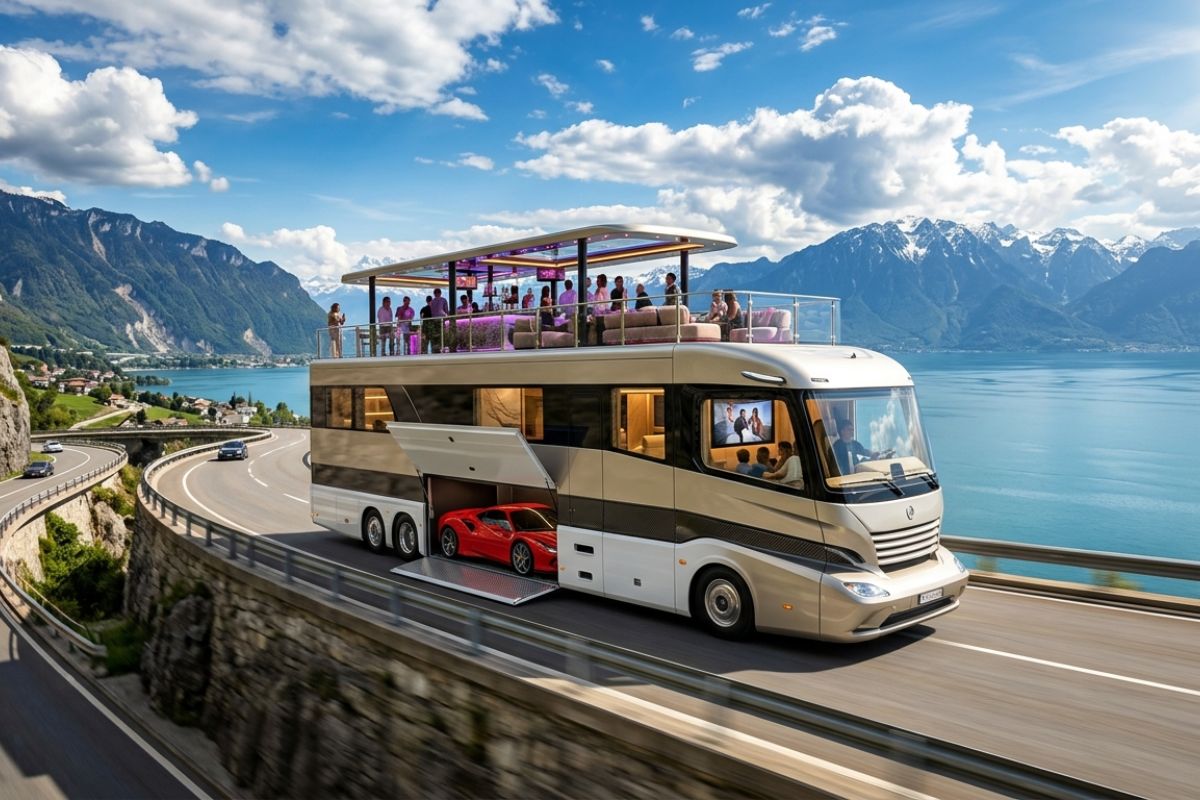
The 10 most stunning motorhomes in the world: a $3 million trailer with a rooftop nightclub and garage for a Ferrari, “palaces on wheels” with Italian marble, private cinema, and five-star hotel luxury for billionaires.
-
Trump wanted to spend $400 million on the White House, but the courts prohibited the million-dollar construction.


Additionally, the mansion was designed with inspiration from Roman palaces. It houses 130 rooms, a helipad, an Olympic-sized swimming pool, and an extensive green area with large trees.
There are reports that the construction also includes nine elevators, reinforcing the monumental character of the residence.
Safra Mansion: Luxury Coupled with Discretion
Despite its imposing nature, little is known about the interior of the property. This is because the Safra family is known for its discretion, as well as maintaining a strict security system that restricts public information.
This combination of luxury and privacy enhances the aura of mystery surrounding the property.
Indian Palace Tops the List
The first place in the ranking belongs to the Lakshmi Vilas Palace, located in Gujarat, India. Built in 1890, it remains the residence of the royal family of Vadodara.
The space comprises 170 rooms and exquisite details, such as marble from Rajasthan, Venetian mosaics, and stained glass imported from Belgium.
Part of the palace is open to the public, but the upper floors remain private for the family.
Other Notable Mansions
In the survey, AD also highlighted Buckingham Palace in London, which ranks seventh, and the Palace of Versailles in France, which comes in eighth place.
The presence of the Brazilian mansion on this ranking reinforces its relevance in the global luxury residence scene.
With information from InfoMoney.
You May Also Like: From 460 to Only 47: Why Mega Mansions in São Paulo Are in ‘Extinction’ and What the New Symbol of Wealth is for the Rich?
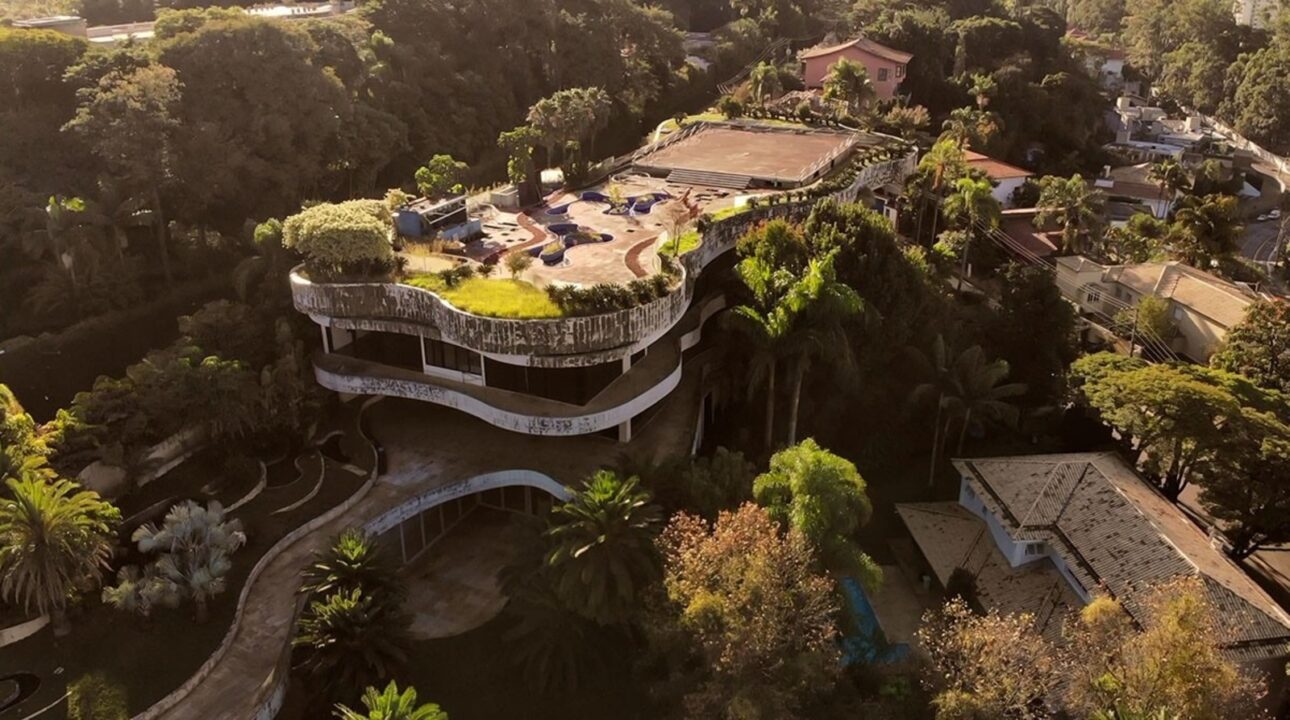
The Safra family built in 1996 the largest mansion in the city of São Paulo. Inspired by the Palace of Versailles, the construction features 130 rooms, five floors, and almost 11,000 square meters. Located in Morumbi, the residence is considered the 11th largest in the world.
In the same year, another 28 mansions were completed in the capital. This movement was part of a phase of significant investments by millionaires and celebrities in the city, betting on urban palaces as the ultimate symbol of status.
Survey by the City Hall
A survey conducted by Metrópoles in the city hall’s IPTU records shows how this reality has changed.
The database classifies luxury residences as standard F, the highest category. These constructions have an average of 1,000 m² of built area.
The study reveals that the 1970s were the period of greatest effervescence, with 447 mansions built. In the 1980s, there were 463, followed by 334 in the 1990s.
From the 2000s, the pace decreased: 375 constructions, falling to 281 in the 2010s. In the 2020s, the drop is drastic: only 47.
The most recent mansion built in São Paulo is located in Jardim Paulistano. The property has four suites, eight parking spaces, and a swimming pool. With over 1,500 m² of area, it was valued at R$ 57 million.
In total, the city has 2,040 horizontal residences considered high luxury. More than 95% of them are over 710 m², reinforcing the grand profile of these constructions.
Escape of the Wealthy
Despite São Paulo being the largest metropolis in the country, the construction of mansions has given way to gated communities in other cities.
Alphaville, in Barueri and Santana de Parnaíba, has become a hotspot, housing artists and influencers.
Porto Feliz has also emerged as a preferred destination, with Fazenda Boa Vista attracting businesspeople and celebrities.
The Tamboré residential area, known as “Paulista Beverly Hills,” is home to famous individuals like Simone Mendes, Deolane Bezerra, Carlinhos Maia, and Fiuk.
The area even includes an Arab castle with 13 towers, a symbol of the ostentation of new wealth outside the capital.
Urban Planning and Verticalization
Urban planner Lucila Lacreta explains that the pressure from the real estate market and high land values encourage verticalization.
In neighborhoods without restrictions, construction companies prefer to erect buildings of 50 floors instead of mansions.
For Lucila, exclusively residential neighborhoods, like Jardins, help to contain the impacts of rampant verticalization.
Other urban planners argue for the densification of these areas, claiming that many plots are underutilized in regions with complete infrastructure.
Abandoned Mansions
Not all luxury constructions have withstood the test of time. The most emblematic case is the mansion of former banker Edemar Cid Ferreira, in Morumbi. The second largest in the city, the residence deteriorated and was auctioned off after years of abandonment.
This type of situation reinforces how the model of living in urban palaces has lost strength amid social and security changes.
Mansion Exits, Luxury Apartments Enter
As mansions have become rare, luxury apartments have gained ground. Data from the city hall shows that, in 2023 alone, 460 standard F apartments were built, the highest number since 2011.
Notable figures have also migrated to the upper echelons. Presenter Fausto Silva sold his mansion in Jardim Guedala, spanning 3,716 m², in 2019 to live in a R$ 120 million penthouse.
Former governor João Doria continues to reside in his mansion in Jardim Europa, featuring a soccer field and over 3,000 m² of built area.
Historical Roots
The first mansions in São Paulo date back to the coffee elite. Many were located in Campos Elíseos, a central neighborhood now degraded.
Some have survived, like Casa da Don’Anna, designed by Ramos de Azevedo and constructed between 1912 and 1914.
On Avenida Paulista, mansions of the industrial elite have also had a similar fate. The mansion of the Matarazzo family, for example, became a parking lot before being demolished.
The IPTU registration further indicates that luxury constructions, once concentrated in the Jardins América and Europa, began to spread from the 1970s.
Today, Morumbi, Cidade Jardim, and other neighborhoods house the largest properties.
In addition to verticalization, other factors explain the decline of mansions. Smaller families, greater concern for security, and the search for gated communities have led the wealthy to rethink their living arrangements.
Thus, mansions in São Paulo have become more of an exception than a rule.
Mansion in São Paulo: A Closing Cycle
The contrast is evident: while in 1980 more than 460 mansions were built, in the current decade, they barely reach 50.
This shift demonstrates how the city has reinvented itself. If wealth previously erected urban palaces, now they prefer gated condominiums or luxury penthouses.
In the end, São Paulo continues to be a stage for luxury. But the nature of that luxury has changed in terms of location, size, and even concept.
With information from Metrópoles.







Heliporto ou heliponto?
Heliporto
Significado: É um aeródromo público com instalações e facilidades para apoio às operações de helicópteros, processamento de passageiros e/ou cargas.
Infraestrutura: Inclui áreas de pouso e decolagem, pátios para estacionamento, locais de reabastecimento, salas de espera, e outras instalações de suporte para as aeronaves e seus ocupantes.
Heliponto
Significado: Uma área projetada para pouso e decolagem de helicópteros.
Infraestrutura: É mais simples, focada apenas na superfície segura e marcada para as operações de voo, sem hangares, oficinas ou reabastecimento.
Diferença principal
A principal distinção é a amplitude da infraestrutura. Todo heliporto é um tipo de heliponto, mas nem todo heliponto é um heliporto. Um heliponto é o básico para pousar e decolar, enquanto um heliporto oferece um conjunto mais completo de serviços e instalações.
Definição obtida através de IA
Vcs procuram alga ou algo,se procurar algo pra te preencher procure jesus cristo
Tenha fama de bom e tu trabalha em qualquer lug