





 Portuguese
  English
  Spanish
  5 min of reading
  0 comments


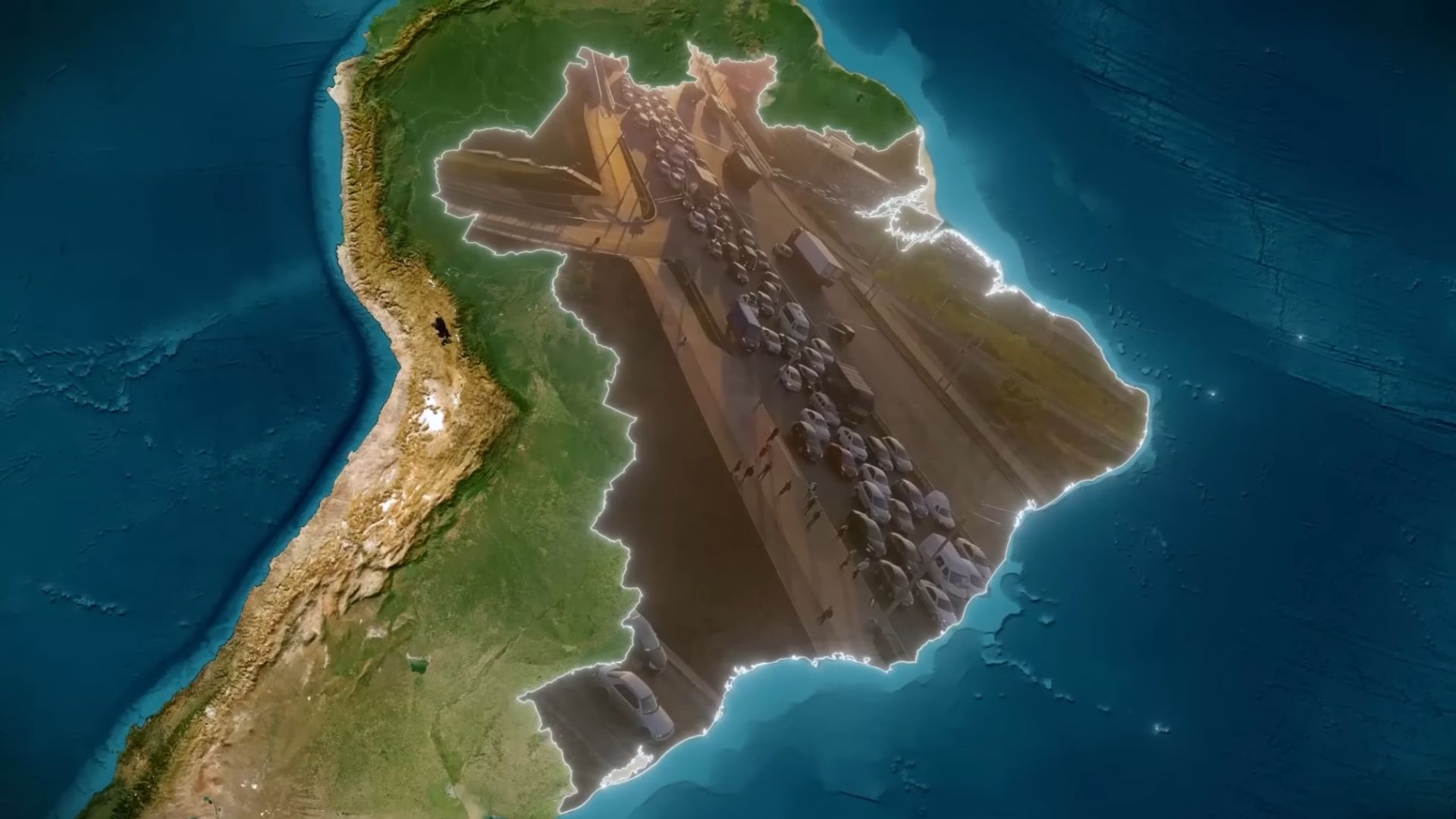
Porto Guará Advances as One of the Largest Private Investments in the Brazilian Port Sector, Focusing on Logistics Efficiency, Rail Integration, and Reduction of Operational Bottlenecks in Paraná.
The Porto Guará Private Use Terminal, designed for Paranaguá on the coast of Paraná, is advancing in environmental licensing and intends to operate outside the urban area, focusing on bulk, liquids, and containers.
With an estimated investment of R$ 5.6 billion and a projected total capacity of 31.5 million tons per year, the initiative seeks to expand docking windows, reduce truck queues, and integrate truck, train, and ship into the same logistics complex.
The project stands out at a time of high activity: the Ports of Paraná closed 2024 with 66.7 million tons handled, according to official data from the port administration.
-
The largest food company on the planet, JBS, has just opened a 4,000 square meter laboratory in Florianópolis to develop customized proteins that modulate muscle mass gain, immune response, and metabolic performance.

-
After nearly 30 bids and competition among industry giants, a Spanish company purchases one of the largest airports in Brazil for almost R$ 3 billion and takes over the management of Galeão in a concession that will last until 2039.

-
The Federal Revenue Service now automatically cross-references everything you declare with data from banks, credit cards, brokerage firms, and insurance companies, and any discrepancy between your income and your expenses triggers an alert in seconds.

-
Amid global tensions, Brazil blocks the United States’ proposal at the WTO and paves the way for a trade crisis and possible retaliations.


Strategic Location and Road and Rail Access
The project is planned for the Emboguaçu region, west of the organized port of Paranaguá, in an area of approximately 200 hectares.
According to a report published by Construction Time, road access will be via BR-277, before the main entrance of the city, which should prevent heavy traffic from passing through the urban perimeter.
In the rail modal, the connecting branch will be through the EF-277 (Curitiba–Paranaguá), managed by Rumo, with planned diversions to reduce interference in the local network.
The back area will include sorting yards, warehouses, and segregated internal roads, which, according to sector technicians, allows for greater operational efficiency and safety.
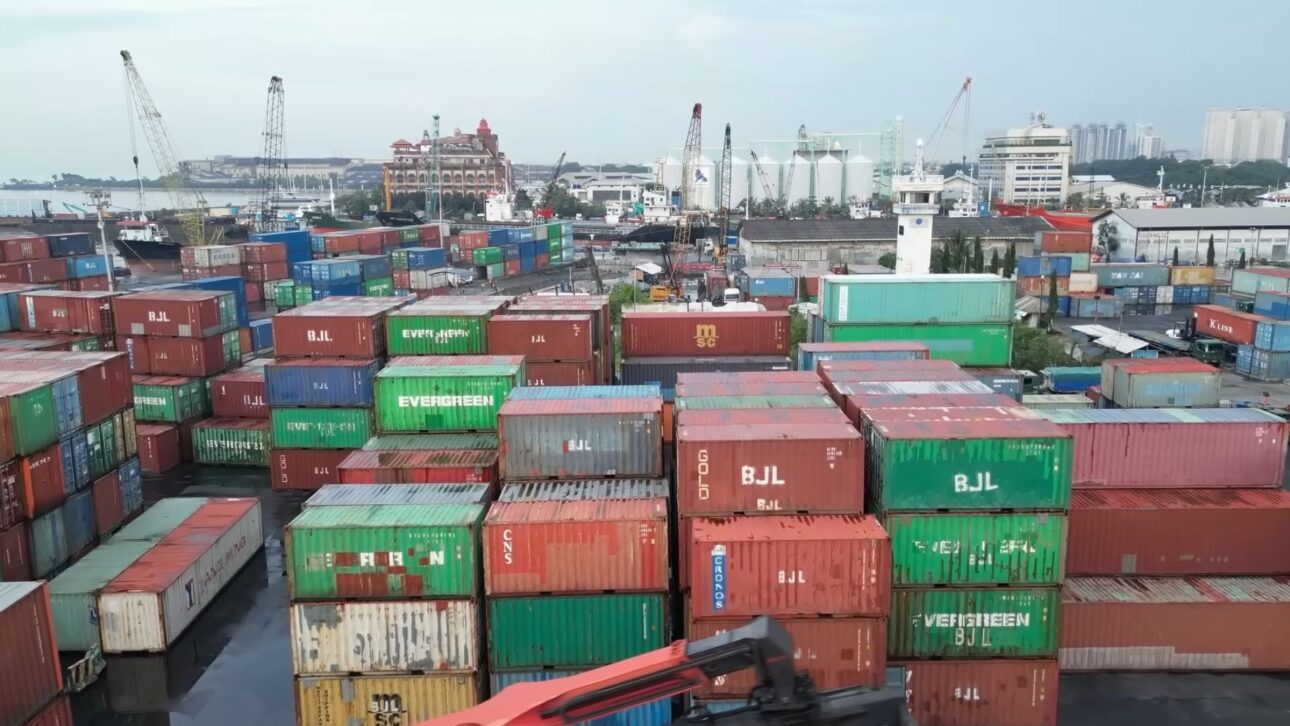
Operating Outside the Urban Area Reduces Bottlenecks
The relocation of Porto Guará outside the urban area aims to reduce logistical and urban conflicts, according to infrastructure specialists consulted by the sector.
This strategy seeks to relieve pressure on the access roads of Paranaguá and enhance operational capacity during large agricultural harvests, especially of soy and corn.
According to Construction Time, the project was designed to optimize the flow of trucks and trains without directly interfering with urban traffic.
Rail Integration is the Technical Differential
One of the main technical differentials of the project is the rail integration.
The terminal will have internal tracks of mixed gauge, connecting to the EF-277 and, in the future, to the Nova Ferroeste, which will allow compatibility with different railway systems.
According to Construction Time, this integration tends to reduce transshipments and increase the participation of trains in cargo transport, enhancing operational efficiency.
Implementation Stages of Porto Guará
The project will be implemented in three phases.
The first phase will focus on operations involving vegetable solid bulk, with road and rail hoppers, and enclosed belts for dust control.
The second phase will cover liquid bulk and compatible chemical products, with vertical tanks and effluent containment systems.
Finally, the third phase will contemplate the movement of containers, with automated yards, gates equipped with OCR, and electric cranes.
As highlighted by Construction Time, the phased operation was planned to allow gradual expansion and reduce financial and environmental risks.
Maritime Structure and Large-Scale Operations
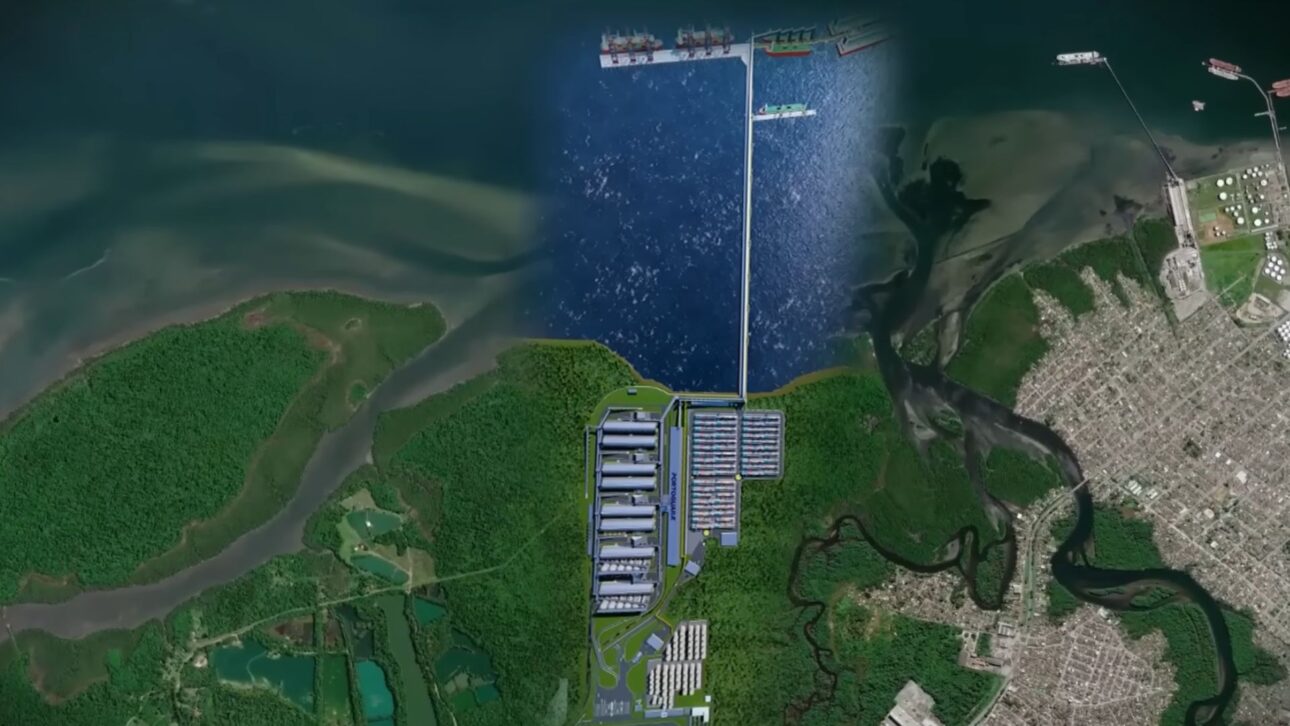
The maritime arrangement provides for multiple dedicated piers and seven berths at the end of the project, sized for large vessels.
The goal, according to engineers involved in the planning, is to ensure predictability in docking schedules and reduce the time vessels spend in port.
Construction Time reported that the terminal will have automated loading systems and enclosed belts to limit noise and particle emissions, adhering to environmental standards required by Ibama.
Environmental Management and Impact Mitigation
Porto Guará envisions an integrated environmental management structure, with containment basins, effluent treatment stations, and continuous air and water quality monitoring.
Buffer zones and reforestation with native species are planned in areas near mangroves.
Environmental technicians state that the licensing model adopted seeks to ensure control of noise, vibrations, and traffic during the implementation phases.
Project Complements the Public Port of Paranaguá
Porto Guará is considered a complementary project to the public port of Paranaguá, according to sources in the port sector.
In recent years, the port system of Paraná has been breaking handling records, driven by agribusiness and increased imports of fertilizers.
The creation of a private terminal, outside the urban area and with greater rail capacity, should help reduce bottlenecks and enhance regional competitiveness.
Construction Time emphasized that the enterprise will operate in an integrated manner with the Paraná port system, acting as a logistical reinforcement and not as a direct competitor.
Licensing and Execution of Works
The project received authorization as a Private Use Terminal (TUP) in 2022 and is undergoing federal environmental licensing.
Since then, the responsible company has been meeting the requirements of Ibama, conducting public hearings and technical complements.
The execution schedule foresees that each module will be implemented as licenses are released, allowing parts of the terminal to enter operation gradually.
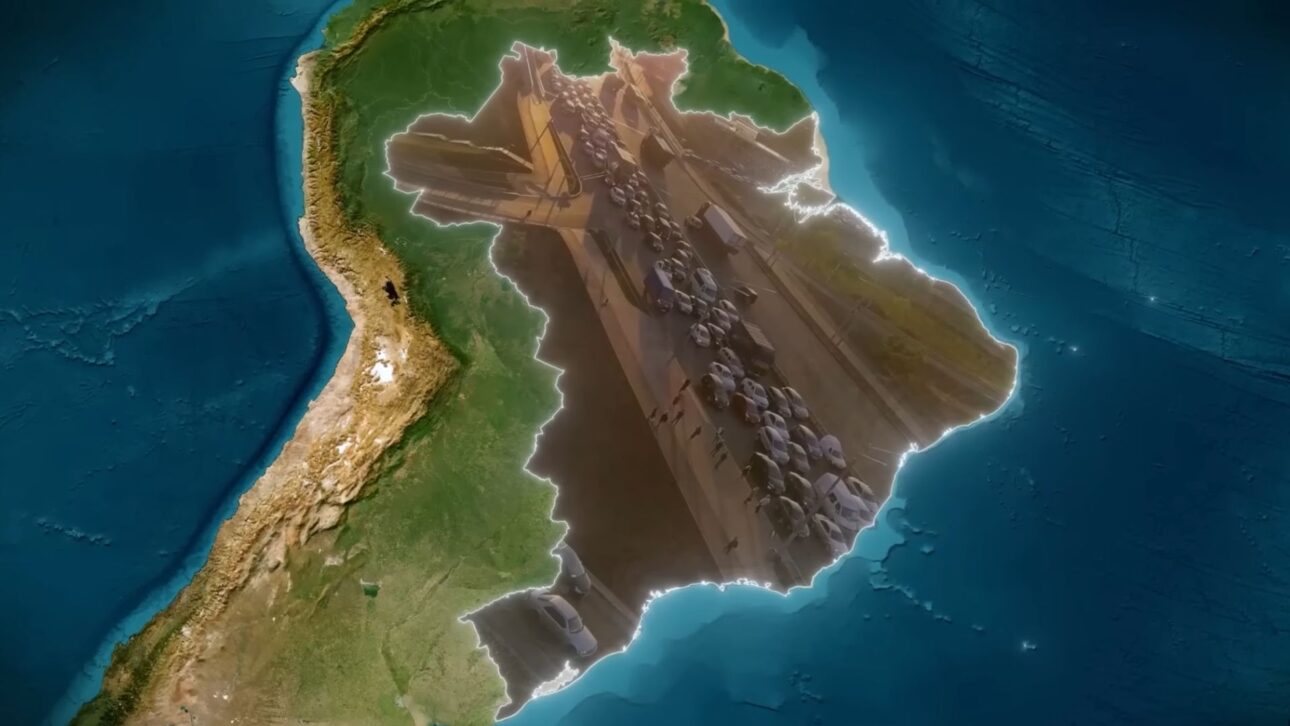
Economic Impacts and Job Creation
According to specialists in regional economics, the construction and operation of Porto Guará are expected to generate direct and indirect jobs in engineering, transportation, and storage.
The relocation of operations outside the city may reduce congestion and CO₂ emissions, as well as increase safety on urban roads.
The expectation is that integration with the rail network will extend the reach of the logistics corridor, connecting the interior of Paraná and the Midwest to international routes.
Perspectives and Challenges of the Project
Experts point out that the next challenges involve consolidating rail integration, implementing environmental systems, and aligning with the Nova Ferroeste, deemed essential for increasing rail participation in grain transport.
Execution will depend on the pace of licensing, attracting investments, and coordination between public and private sectors.
How could the installation of a multimodal terminal outside the urban area change the logistics dynamics of the South and the flow of Brazilian exports in the coming years?






-

-

-

-

-

18 pessoas reagiram a isso.