





 Portuguese
  English
  Spanish
 6 min of reading
  4 comments





Aquaculture Operation in Paraná Reveals Industrial Numbers, Integrated Technology, Accelerated Logistics, and Total Utilization of Fish, with Large-Scale Production, Millionaire Costs in Feed, Automation in the Field, Specialized Slaughterhouse, and Export of Fresh Fillets to the North American Market.
A large-scale aquaculture operation in Paraná reveals the scale and sophistication of the tilapia chain in Brazil, with numbers that impress by their regularity and daily volume moved.
Every day, about 14.5 tons of fish are taken from the water, while the daily feed consumption approaches 20 thousand kilograms, evidencing the level of planning required for the activity.
The system comprises 800 net tanks, automated fishing, and integrated logistics with a slaughterhouse, a structure that allows fresh fillets to reach the United States in up to 48 hours after slaughter.
-
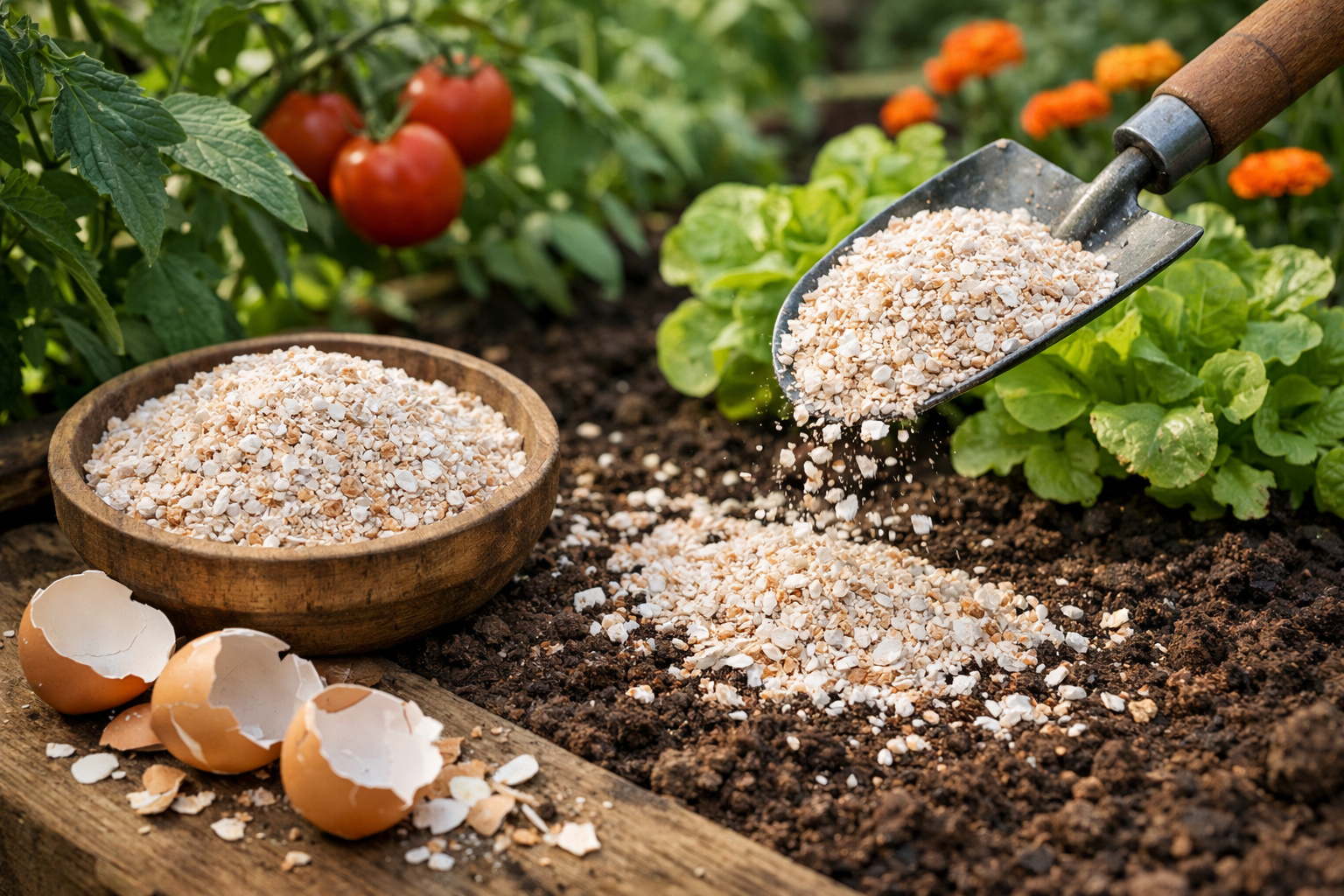
The eggshell that almost everyone throws away is made up of about 95% calcium carbonate and can help enrich the soil when crushed, slowly releasing nutrients and being reused in home gardens and vegetable patches.
-
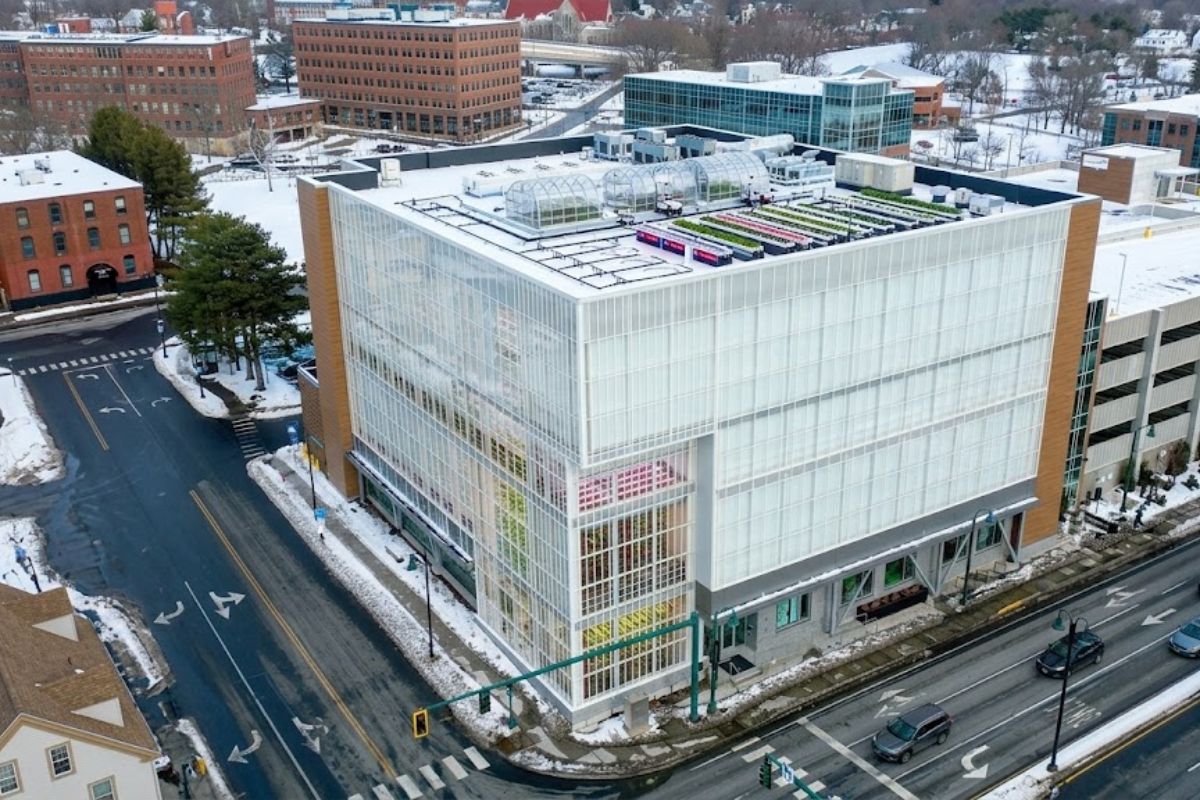
This farm in the United States does not use sunlight, does not use soil, and produces 500 times more food per square meter than traditional agriculture: the secret lies in 42,000 LEDs, hydroponics, and a system that recycles even the heat from the lamps.
-
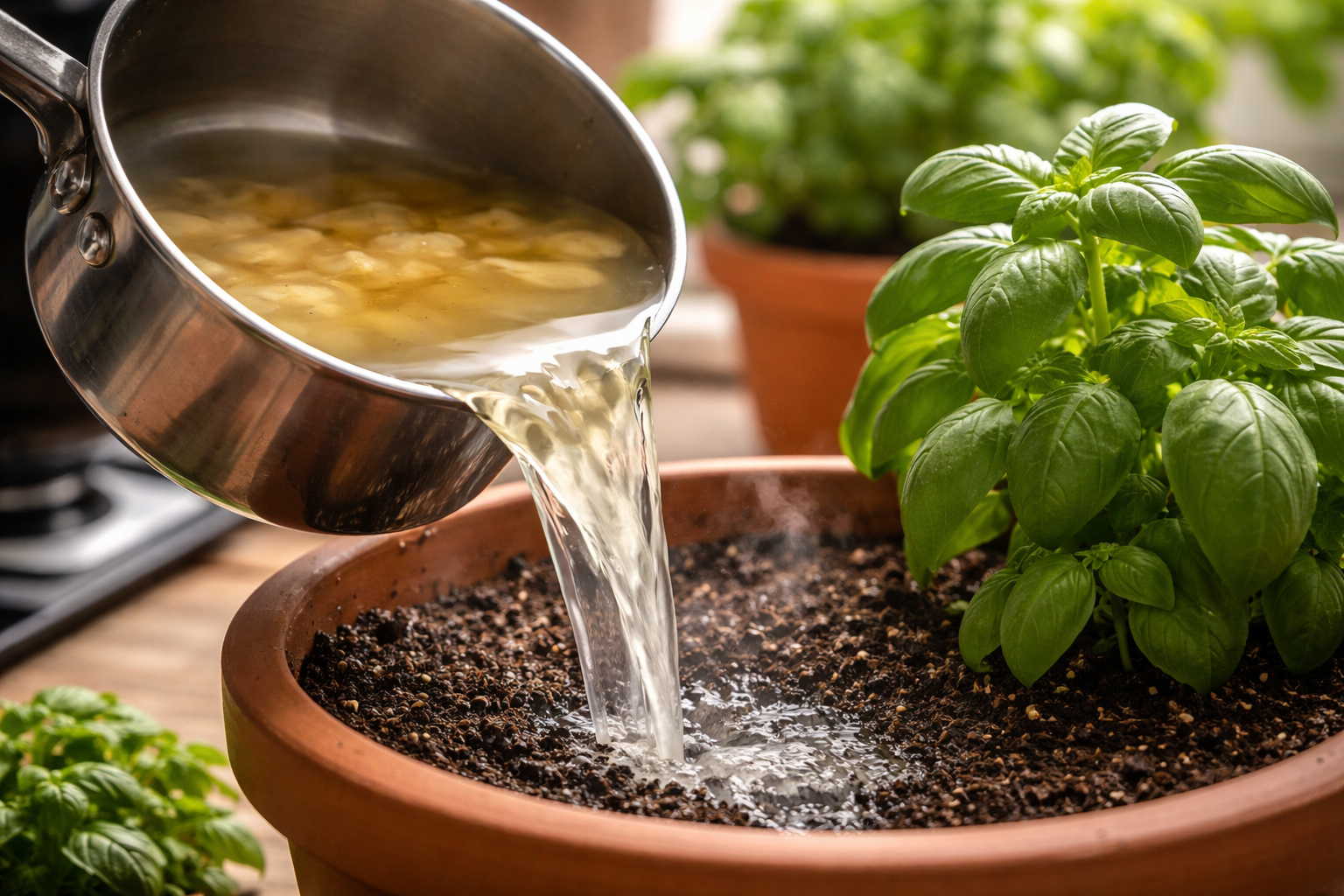
The water that almost everyone throws away after cooking potatoes carries nutrients released during the preparation and can be reused to help in the development of plants when used correctly at the base of gardens and pots, at no additional cost and without changing the routine.
-
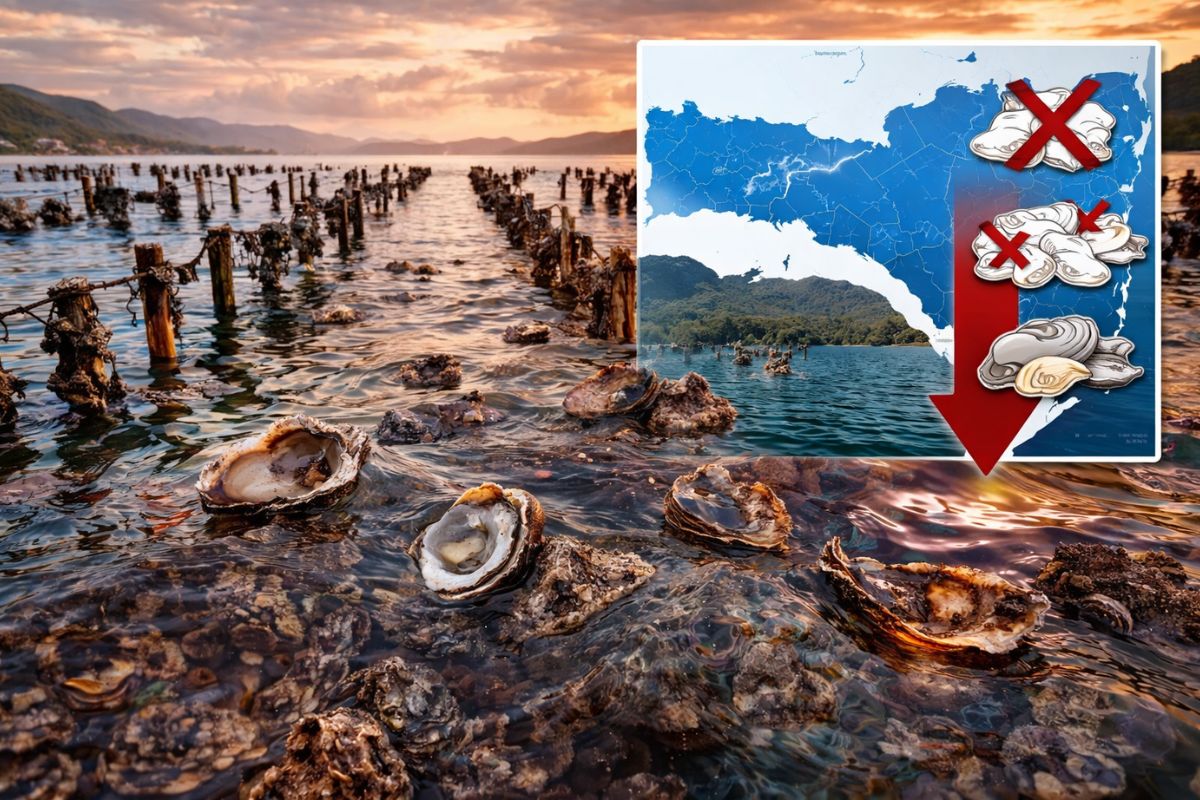
The sea water temperature rose from 28 to 34 degrees in Santa Catarina and killed up to 90% of the oysters: producers who planted over 1 million seeds lost practically everything and say that if it happens again, production is doomed to end.

The information was presented by Richard Rasmussen during a technical visit recorded in a video published on his YouTube channel, Richard Rasmussen.
By closely following the routine of the property and the partner slaughterhouse, he detailed numbers, methods, and the backstory of one of the largest gears in national tilapia farming.
Feed Consumption and Feed Conversion in Tilapia Farming
According to Richard Rasmussen, the basis of the entire production calculation lies in the feed, an item that accounts for a large part of the system’s costs.
The operation works with an average feed conversion of 1.6, meaning that the fish consumes between 1.6 kg and 1.7 kg of feed for each kilogram of meat produced.
This variation is directly linked to the season of the year, as water temperature affects fish metabolism and appetite.

As highlighted in the video, any error in this calculation compromises the entire operation.
“The hole is big,” he commented while observing the volumes involved and the need for precision in calculations.
On an annual scale, the cost with feed exceeds R$ 1 million, a value that requires strict control to ensure the economic viability of the business.
Automated Fishing and Large-Scale Fish Removal
The production area has 800 net tanks, distributed in standardized modules that facilitate handling and biomass control.
Each tank, according to Rasmussen, produces between 2.6 and 2.7 tons of tilapia per cycle, depending on handling and fattening stage.
On the day of the recording, the forecast was to fish around six tanks, a volume sufficient to reach 14.5 tons shipped.
One of the main differentiators of the system is the suction fishing, which replaces manual work in the water.
In this model, a hose connected to an automated device sucks the fish directly from the tank, separates the water, weighs the fish, and directs it to thermal boxes.
As the host observed, it previously required up to six people to perform the same task.
Today, two people operate the system, while another monitors the equipment on the boat, reducing time, physical effort, and operational risks.
Size of Tilapia Defined by Market Demand

During the visit, Richard Rasmussen explained that the size of the fish slaughtered varies according to market demand, a decisive factor for the planning of fishing.
In times of higher pressure, tilapia weighing 700 grams can be sent to meet urgent orders.
At equilibrium moments, the standard focuses on between 900 grams and 1 kilogram, a more valued range for fillet production.
According to him, the current market absorbs larger fillets better, which directly influences the timing of slaughter.
“Whatever is ready goes, depending on the need,” he reported, showing specimens above the standard, weighing more than 1 kilogram.
Slaughter on Ice and Specialized Cold Storage Structure
Another point highlighted in the video is the slaughter model adopted in the operation.
The fish comes out of the tank and is immediately placed on ice, where it suffers thermal shock, dies quickly, and remains fresh.
Rasmussen explained that the partner slaughterhouse, GT Foods Group, has a specific structure to receive the tilapia already at this stage.
As reported, it is the only federally certified slaughterhouse that allows receiving the fish directly on ice, without needing live transport with oxygen.
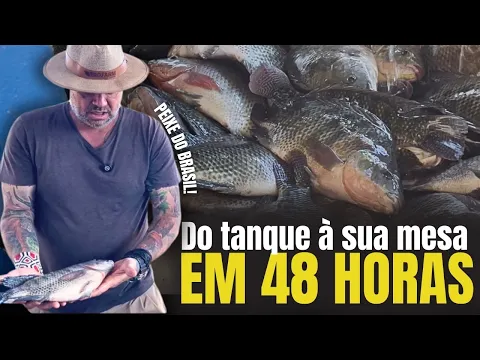

The fish is unloaded into cold chambers and goes for cutting the next day, maintaining sanitary standards and the quality of the final product.
Integration Between Field and Industry Reduces Costs
While following the loading, Richard Rasmussen drew attention to the integration between field and industry, one of the pillars of the system’s efficiency.
The fish comes out of the tank, goes through weighing, enters the refrigerated truck, and goes directly to the slaughterhouse, all within a few hours.
This agility, as he commented, is essential to meet demanding markets and reduce losses along the chain.
The result is a fresh product, with traceability and high added value.
Total Utilization of Tilapia Becomes a New Source of Revenue
After filleting, one of the most strategic aspects of the operation comes into play: the complete utilization of the fish.
According to Rasmussen, what was previously treated as waste has turned into an additional source of revenue for the slaughterhouse.
The carcass, composed of about 33% fat, 33% dry matter, and 33% water, is sold for the production of flour used in pet food.
Skin and scales go to other industrial purposes, while the oil extracted from the entrails and visceral fat supplies the pet market, especially to improve the palatability of cat food.
As he highlighted, the carcass can be sold for R$ 0.80 to R$ 0.90 per kilogram, a price that, although low, transforms an old cost into an essential component of profitability.
Brazilian Tilapia Production and International Market

During the conversation, Richard Rasmussen recalled that Brazil currently occupies the fourth position in the world ranking of tilapia production.
According to him, the country has the potential to advance even further, driven by the availability of water, favorable climate, and technology applied to production.
He also mentioned the international market, highlighting that the United States is currently the main destination for Brazilian fillet, surpassing traditional suppliers like China.
The difference, as he emphasized, lies in the quality of the product and logistics, as the fillet is slaughtered in Paraná and reaches fresh, without freezing, to American shelves in up to 48 hours.
Genetic Improvement Accelerates the Production Cycle
Another point addressed in the video is the genetic improvement of tilapia raised in Brazil, a decisive factor for the sector’s competitiveness.
Rasmussen explained that the fish used is not the same as that found in the wild in Africa, as the lineage has undergone genetic selection.
This process has drastically reduced the fattening time, making production more efficient.
While an unimproved tilapia can take up to two years to reach slaughter weight, the fish raised in this system reaches commercial standard in five to six months.
This difference directly impacts costs, predictability, and scale of production.
While showcasing each stage, Richard Rasmussen reinforced the complexity behind a common food on the consumer’s table.
From feed calculation to record time export, Brazilian tilapia relies on technology, management, and industrial integration.
In light of this scenario, how far can Brazil go in the global competition for animal protein markets?








Thanks Shared up on daily updated SARNISSA African Aquaculture network on fb Best wishes Will Casammak Aquaculture
Interessante como o Brasil tem um potencial enorme para ajudar sua população. Desde que não deprecie a natureza e favoreça aos necessitados; acho incrivel ações e inovações como estas
Lamentável. Em vez de incentivar a cultura de um peixe brasileiro, criam essa praga que já chegou no mar, está se adaptando e não tem predadores. E ainda tem gente que aplaude. Enquanto isso, peixe brasileiro está sendo cultivado…o tambaqui.
Se você não conhece, para de falar abobrinha, vai pesquisar e estudar!!!