





 Portuguese
  English
  Spanish
  3 min of reading


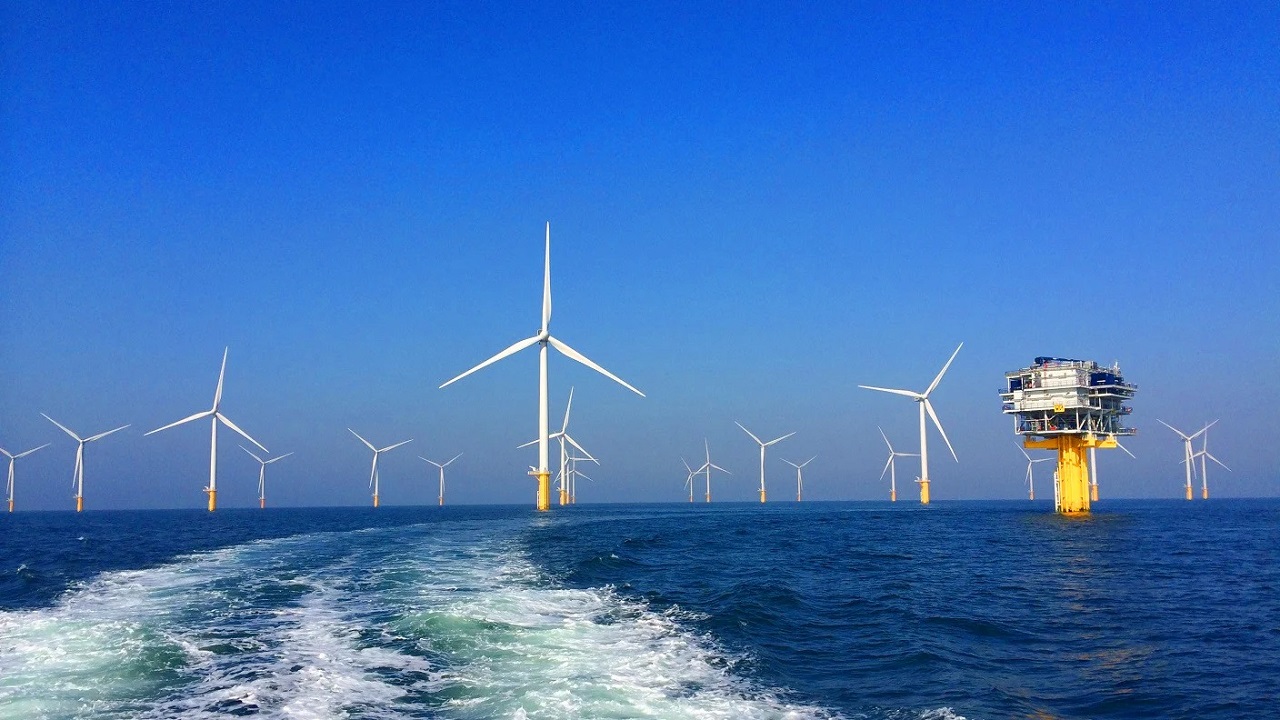
The Netherlands Will Receive A New Offshore Wind Energy Project From CrossWind, A Company Formed By Shell And Eneco. The Project Will Have Capacity To Generate Up To 759 MW Of Energy.
An offshore wind energy megaproject will be installed off the coast of the Netherlands capable of generating energy for one million homes. The first wind turbines have already started installation in the project, and one of them features blades larger than the wings of an Airbus A380. To put it into perspective, this model has a length of 238 feet, equivalent to 70 meters.
Offshore Wind Power Plant Will Have Capacity Of 759 MW
The Hollandse Kust Noord park, as it is called, is being constructed by CrossWind, a joint venture formed between Eneco and Shell. The project is located 18.5 km off the coast of the Netherlands and is expected to start operations by the end of this year.
The offshore wind energy project will have a total installed capacity of 759 MW, which will allow for the generation of at least 3.3 TWh of energy annually, enough to meet 2.8% of the country’s energy demands.
-
Researchers discover a possible hydrogen deposit of up to 46 million tons beneath an ancient coal basin, and the volume could exceed half of the entire global production.

-
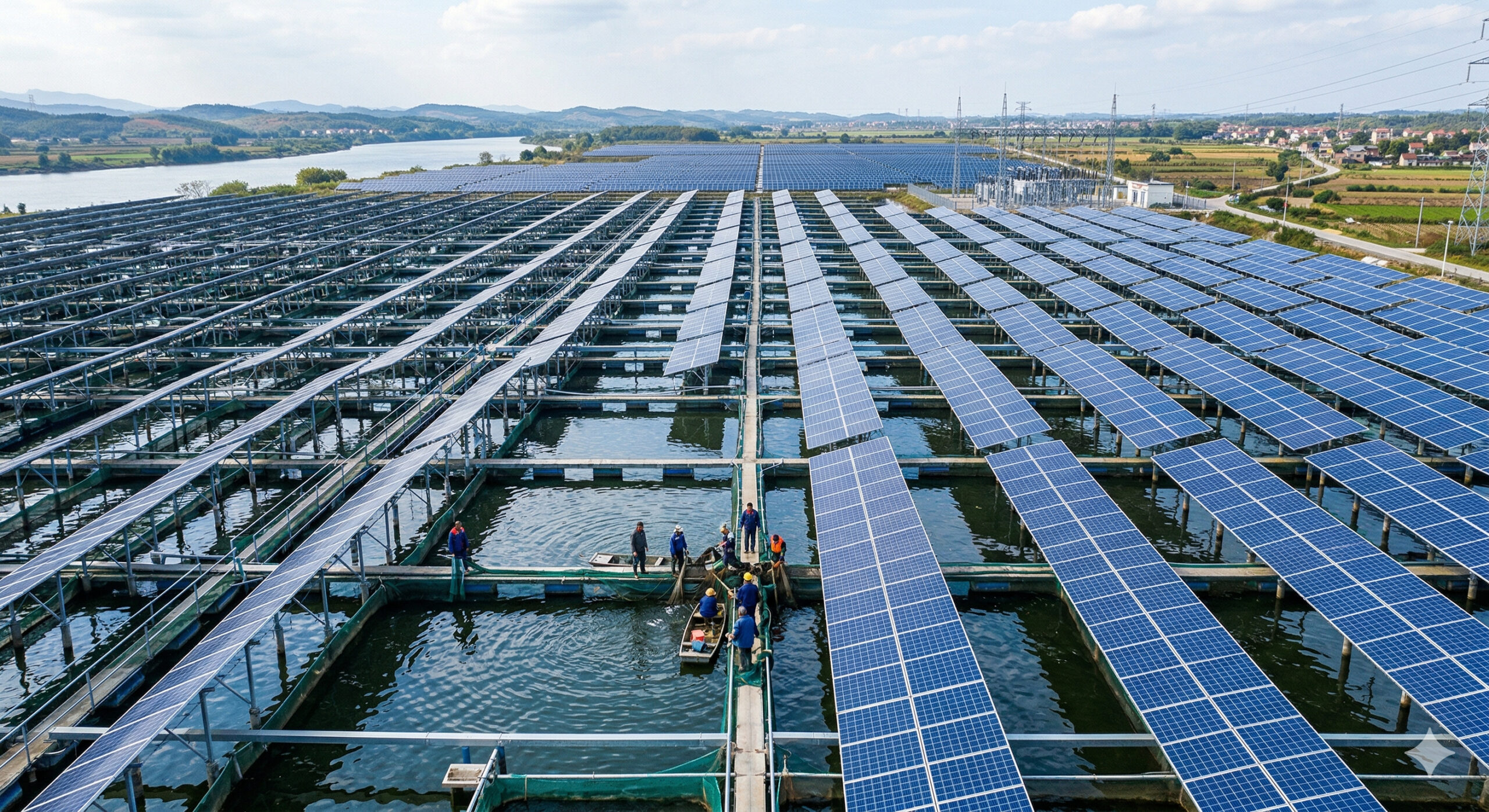
China bets on the Fishery-PV model and transforms fish farms into giant solar plants, covering ponds with panels that generate energy while utilizing the same space for large-scale aquaculture production.
-
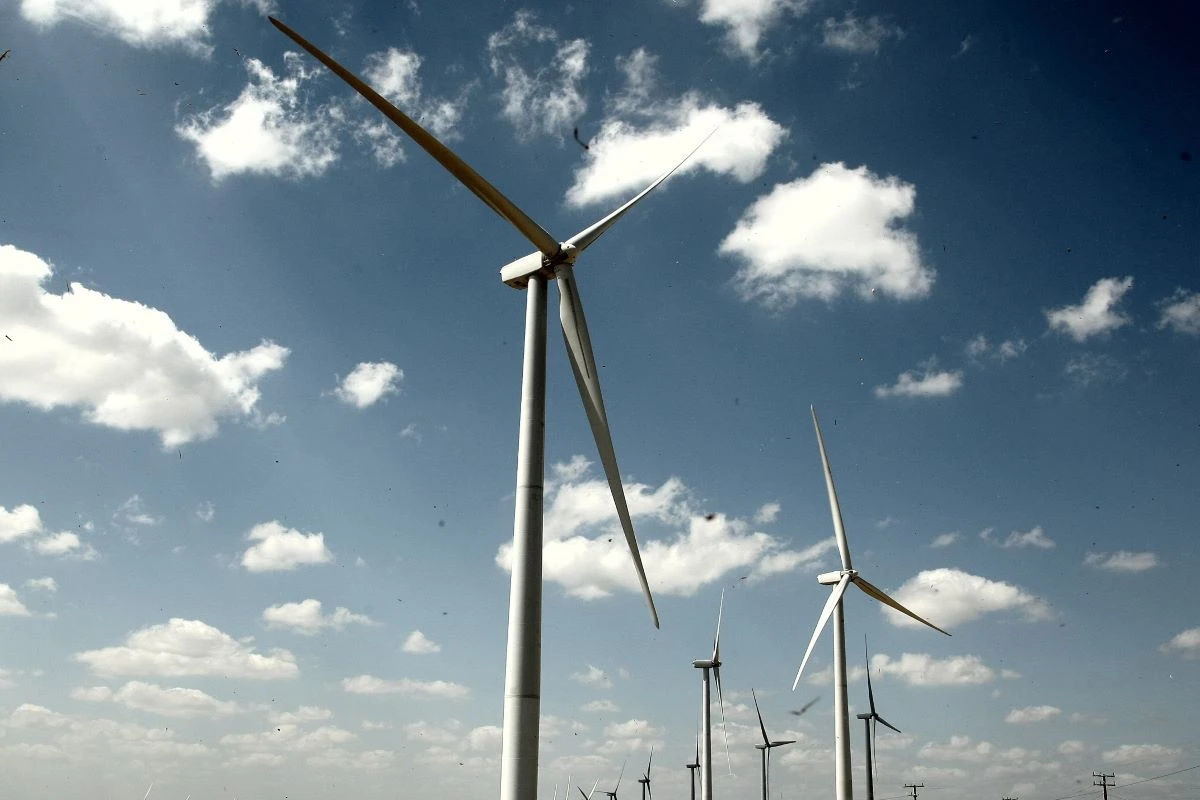
Urgent energy transition: Greenpeace advocates for massive investments and points to Brazil as a global leader in wind energy production in the coming years.
-
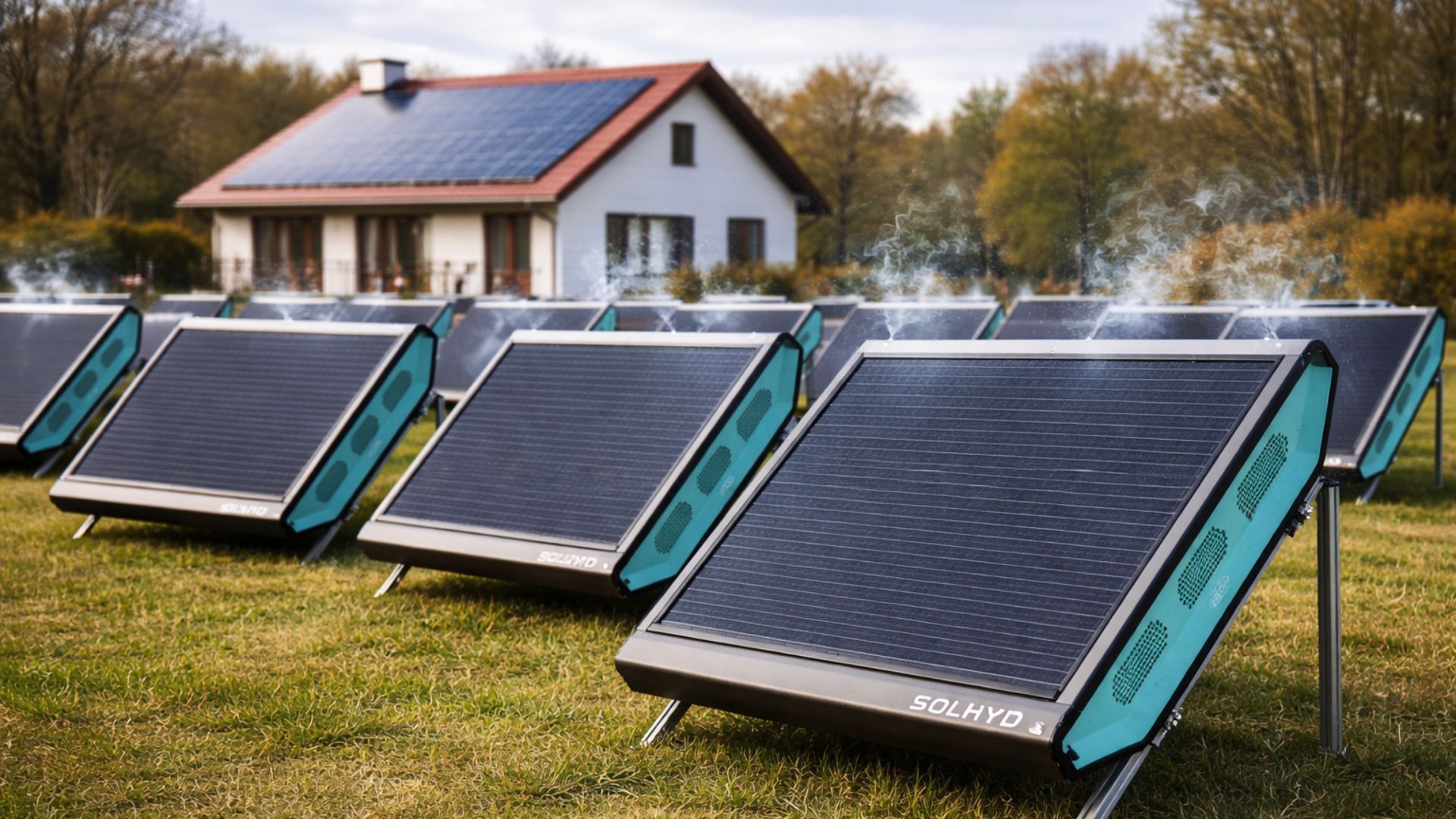
Green hydrogen at home: Belgium launches new technology that makes solar panels produce fuel from the moisture in the air, which could boost the energy transition.

In total, the offshore wind farm will consist of 69 Siemens Gamesa wind turbines, one of which is the 11.0-200D with 97-meter blades, 17 meters longer than the wings of the Airbus A380, and a production capacity of up to 11 MW.
The wind turbines are supported by monopiles, and the installation process is taking place 24 hours a day, seven days a week, according to CrossWind in a press release. Each wind turbine takes an entire day to be installed.
The wind turbine is installed in parts, with blades only able to be installed when there is a long weather window, where the wind is under 12 m/s, a speed that makes it difficult to hold an umbrella, for comparison.
Offshore Wind Power Plant Will Also Test Other Technologies
In February of this year, CrossWind signed a contract with Elogen, a company of the Gaztransport & Technigaz (GTT) group, to design and build a 2.5 MW proton exchange membrane (PEM) electrolyzer.
The electrolyzer will convert renewable energy from the wind turbines on-site into green hydrogen, giving the project greater flexibility to adapt to variations in offshore wind energy generation, according to the company responsible.
According to the project director and CEO of CrossWind, Tjalling de Bruin, the company is looking forward to this partnership with Elogen to innovate offshore wind energy in the park located in the North Sea.
With the agreement in place and the electrolyzer installed with the latest technologies, it will be possible to demonstrate acceleration in the energy transition by 2025. The installation of technologies on-site began in October 2022 and was completed earlier this month.
Technological Solutions To Ensure Continuous Power Supply
The monopiles without TP, which were produced at Sif’s facilities in Maasvlakte in Rotterdam, will support the SG 11.0-200 DD 11 MW wind turbines from Siemens Gamesa expected to be fully commissioned later this year. The PEM electrolyzer is one of the 5 technological solutions to ensure the continuous power supply that CrossWind needs for the offshore wind farm.
The 5 solutions include a floating photovoltaic park, wind turbines that are optimized for the grid to mitigate the negative effects of “waking” that wind turbines have on each other, short-term battery storage, green hydrogen produced through electrolysis as an additional storage technique, and the integration of these individual measures to generate a continuous power supply regardless of the wind.








Seja o primeiro a reagir!