





 English
  Francês
  Alemão
  Italiano
  Japonês
  Norueguês
  Portuguese
  Spanish
  2 min of reading
  0 comments



Expert Explains The Construction Of Flamengo’s Future Stadium, Revealing Intriguing And Revolutionary Details.
The construction of Flamengo’s new stadium is generating a lot of anticipation and curiosity among fans. Specialist Fabrício Chicca brought unprecedented details about the project, highlighting inspirations, challenges, and goals of this ambitious endeavor.
Fabrício, known for his knowledge in the field, emphasized that Flamengo is analyzing different models of European stadiums to define the best approach for the construction. Among the inspirations are Bayern Munich’s Allianz Arena and Borussia Dortmund’s Signal Iduna Park. Each of these stadiums brings unique elements that can be incorporated into Flamengo’s stadium to create a unique and vibrant atmosphere.
Details Of The Construction Of Flamengo’s New Stadium


According to the specialist, one of the strengths of Signal Iduna Park is its simplicity and functionality, characteristics that Fabrício believes are essential for Flamengo’s new stadium. “A stadium needs to be cheap and simple to operate, with a high level of automation to reduce costs and provide an amazing experience for fans,” Fabrício stated.
-
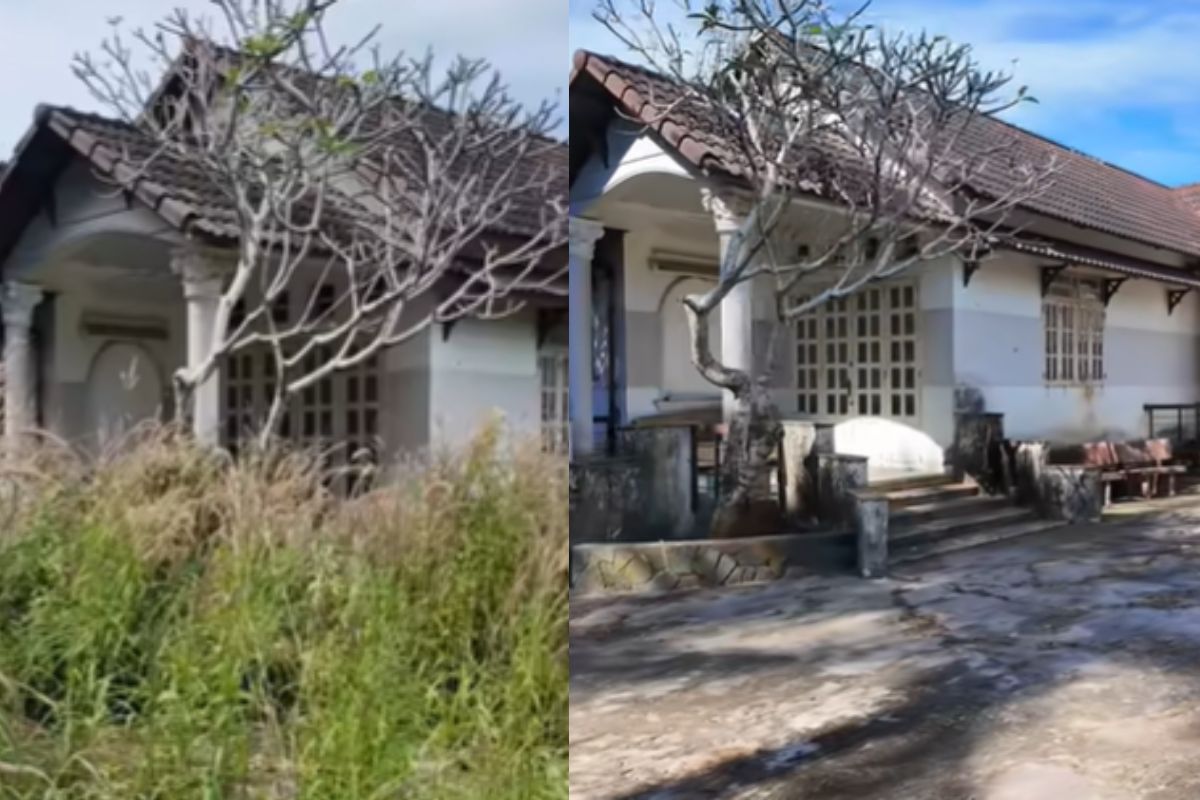
Abandoned house for 15 years disappears in the woods, shocks owner with unrecognizable scenery and is reborn in an intense transformation after almost 90 hours of work in just 10 days.
-
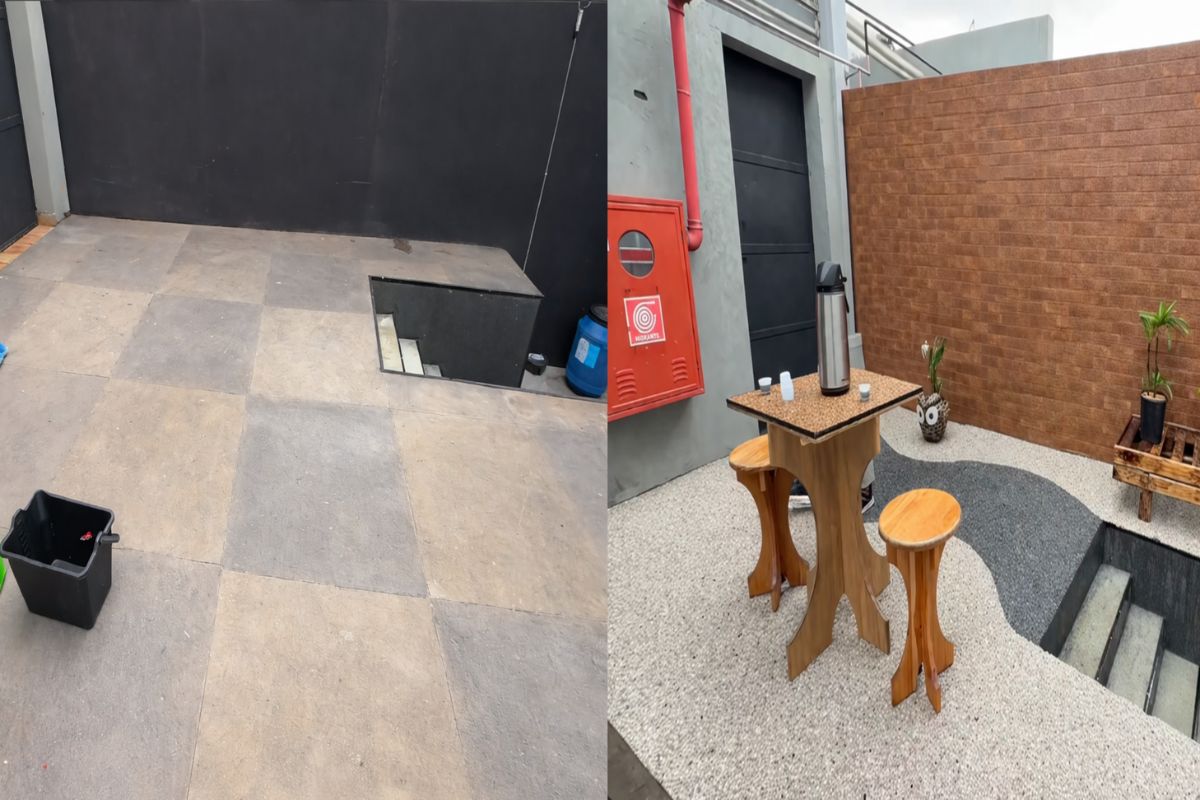
In just three hours, a natural stone floor transforms the entrance of the house with an organic effect, immediate drainage, and a sophisticated non-slip finish that doesn’t puddle water, dries quickly, and impresses with the final result.
-
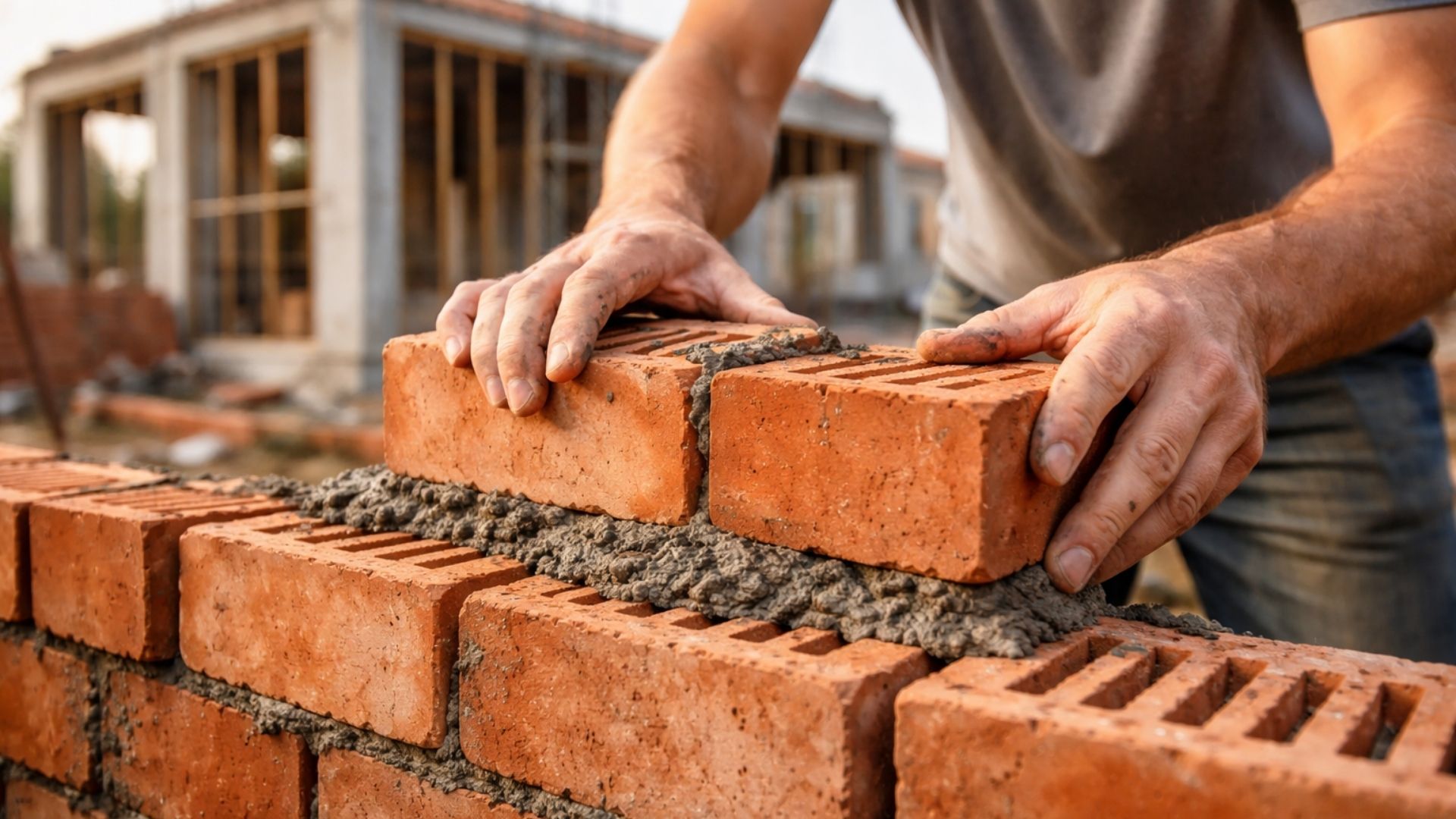
‘Interlocking brick’ made of earth arrives in the construction industry with cost reductions of up to 40% on the project.
-
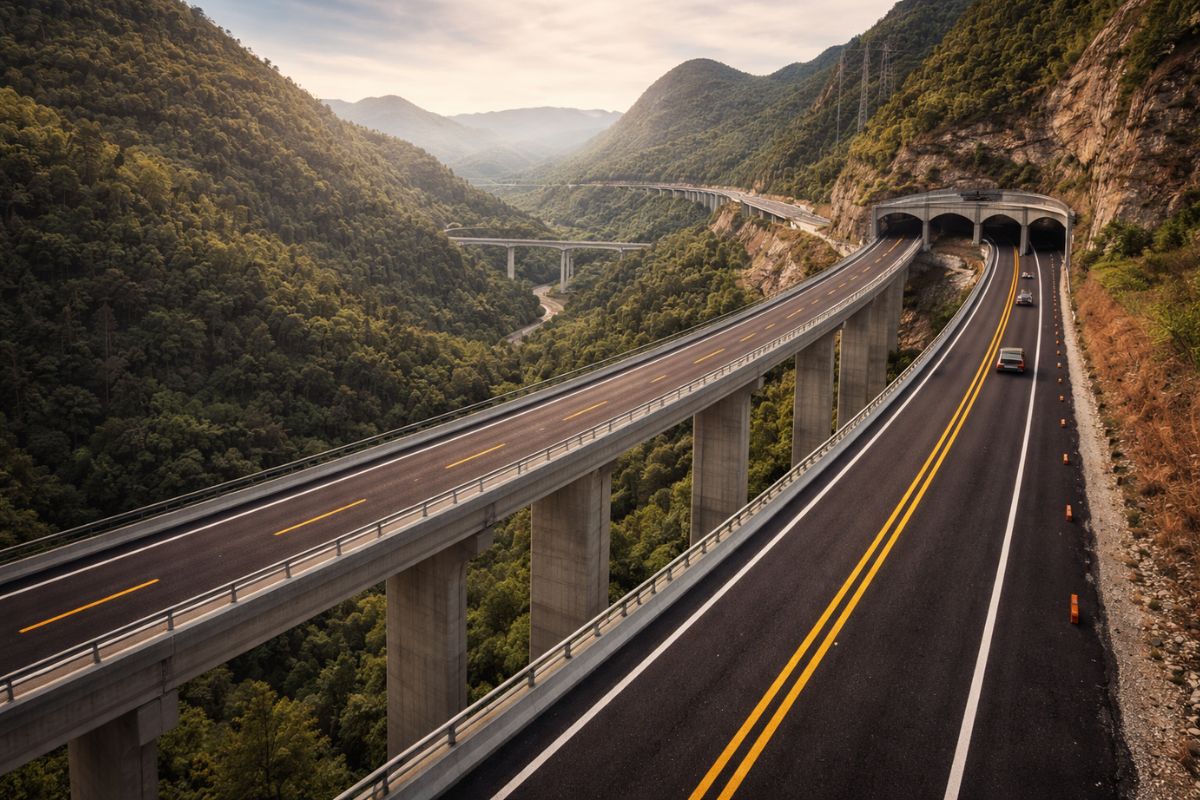
Espírito Santo will receive the largest engineering project in its history with the duplication of BR 262, which will have 50 viaducts, 28 bridges, and 2-kilometer tunnels cutting through the most challenging mountainous region of the entire state.
He emphasized the importance of good acoustics and the proper incline of the stands to create a pressure environment against opponents, similar to what happens in Turkish stadiums, like Galatasaray’s.
Capacity Of The New Stadium
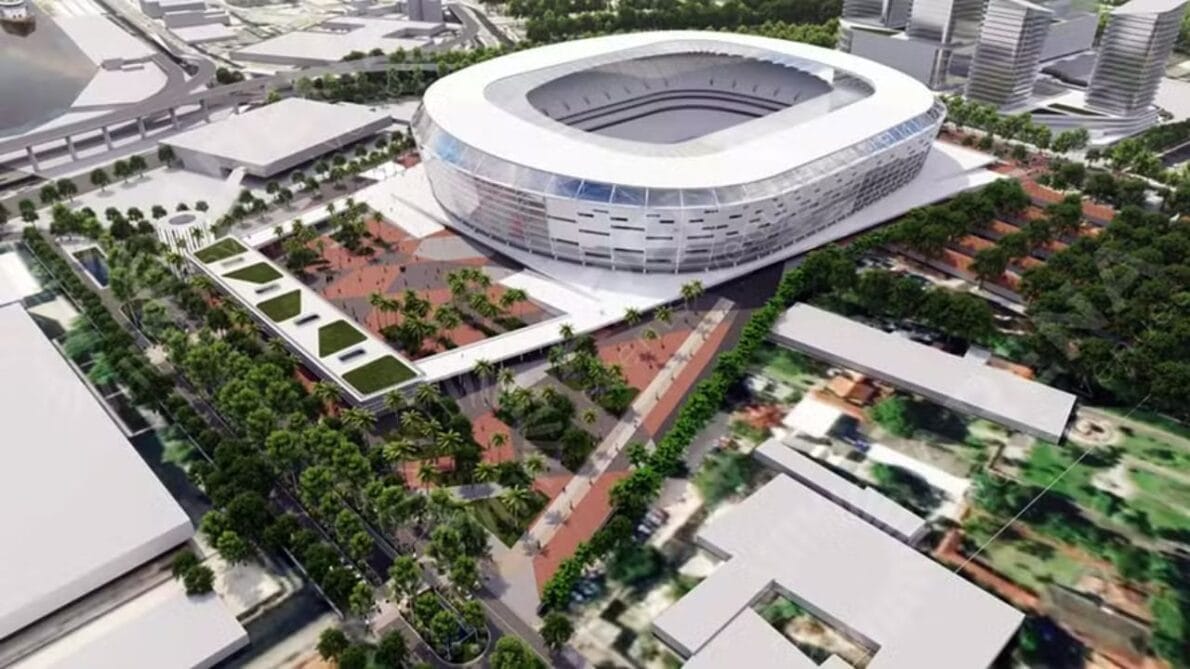
Another crucial point discussed by Fabrício is the capacity of the new stadium. According to him, it is vital that Flamengo’s stadium has a minimum capacity of 80,000 seats, surpassing the current Maracanã. “The biggest challenge is to balance this capacity with the surrounding infrastructure and Brazilian laws,” he explained. The stadium’s location at Gasômetro, near the Novo Rio bus station, requires careful planning during construction to avoid negative impacts on traffic and ensure accessibility for fans.
Fabrício also highlighted the need for a project that takes into consideration security and comfort for fans, as well as being financially sustainable for the club. “Flamengo should seek an architecture firm capable of creating a stadium that is a source of pride for the fans, without sacrificing simplicity and operational efficiency.”
The construction of Flamengo’s stadium promises to be a milestone in the club’s history, bringing a new chapter for the fans. With the combination of elements from different European stadiums and adaptation to Brazilian needs, the project aims to provide a unique and unforgettable experience for all supporters.










Seja o primeiro a reagir!