





 Portuguese
  English
  Spanish
  2 min of reading
  2 comments


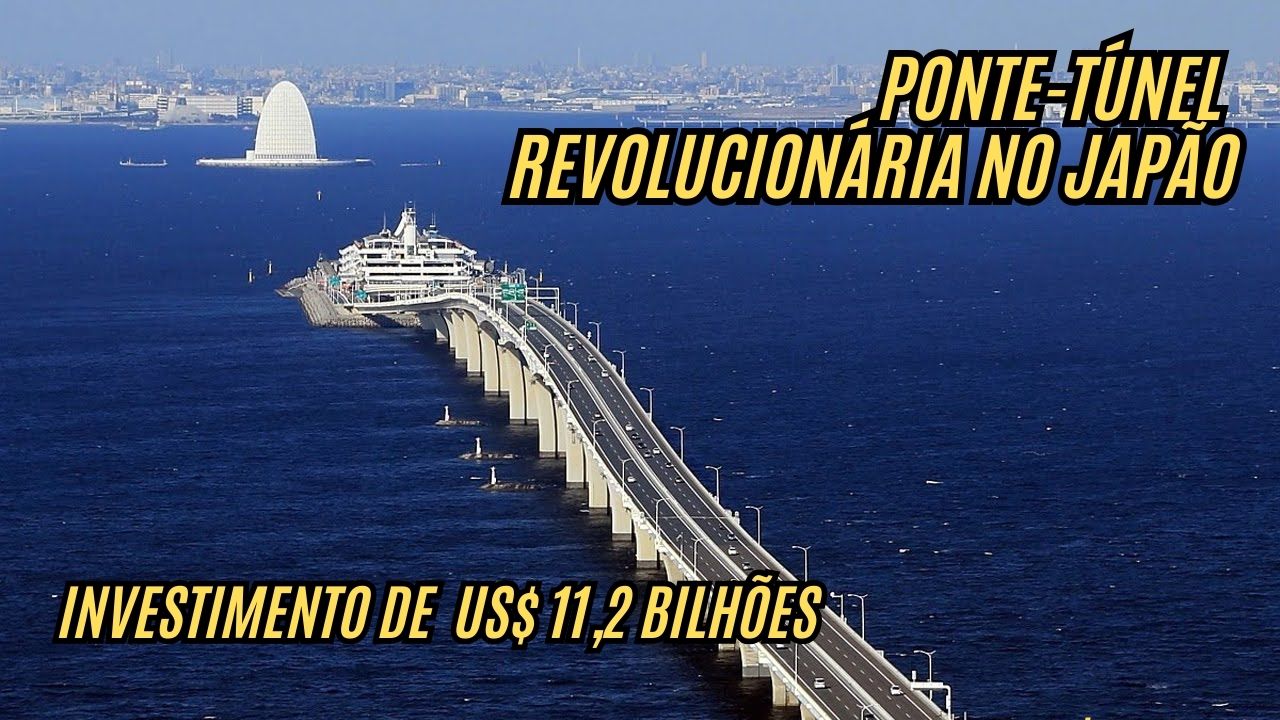

Discover the Megaproject That Transformed Mobility in Japan and Can Inspire Solutions for Brazil.
Imagine crossing one of Japan’s most iconic bays in minutes, on an expressway that combines bridge and tunnel and challenges the limits of modern engineering. This is the megaproject in Japan, the Tokyo Bay Aqualine, an expressway that connects the cities of Kawasaki and Kisarazu across Tokyo Bay. It had an investment of approximately US$ 11.2 billion.
What Is the Tokyo Bay Aqualine?
The megaproject in Japan, officially known as the Tokyo Bay Aqualine, is a 15.1 km route that combines 9.6 km of submerged tunnel and 4.4 km of bridge, linking strategic areas of the Tokyo metropolitan area.
Its ambitious construction was motivated by logistical issues such as lengthy travel times and intense traffic congestion. Before its completion, the journey between Kawasaki and Kisarazu could take up to 90 minutes; now, it only takes 15 minutes.
-
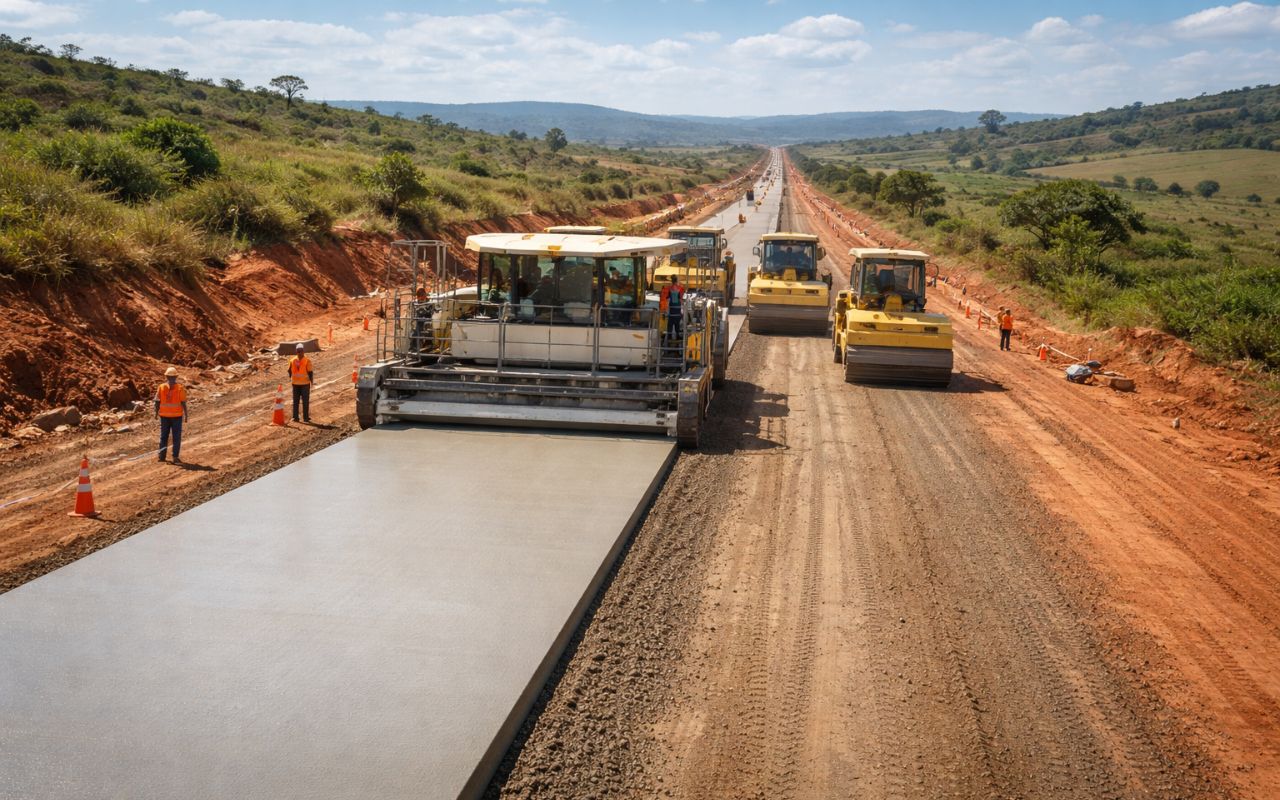
New CCR concrete paving technology promises roads up to 3x more durable, less maintenance, and cost reduction in Brazil.
-
Made from recycled plastic, plastic wood is gaining space in the construction industry because it does not rot, resists moisture, and reduces maintenance costs over the years.

-
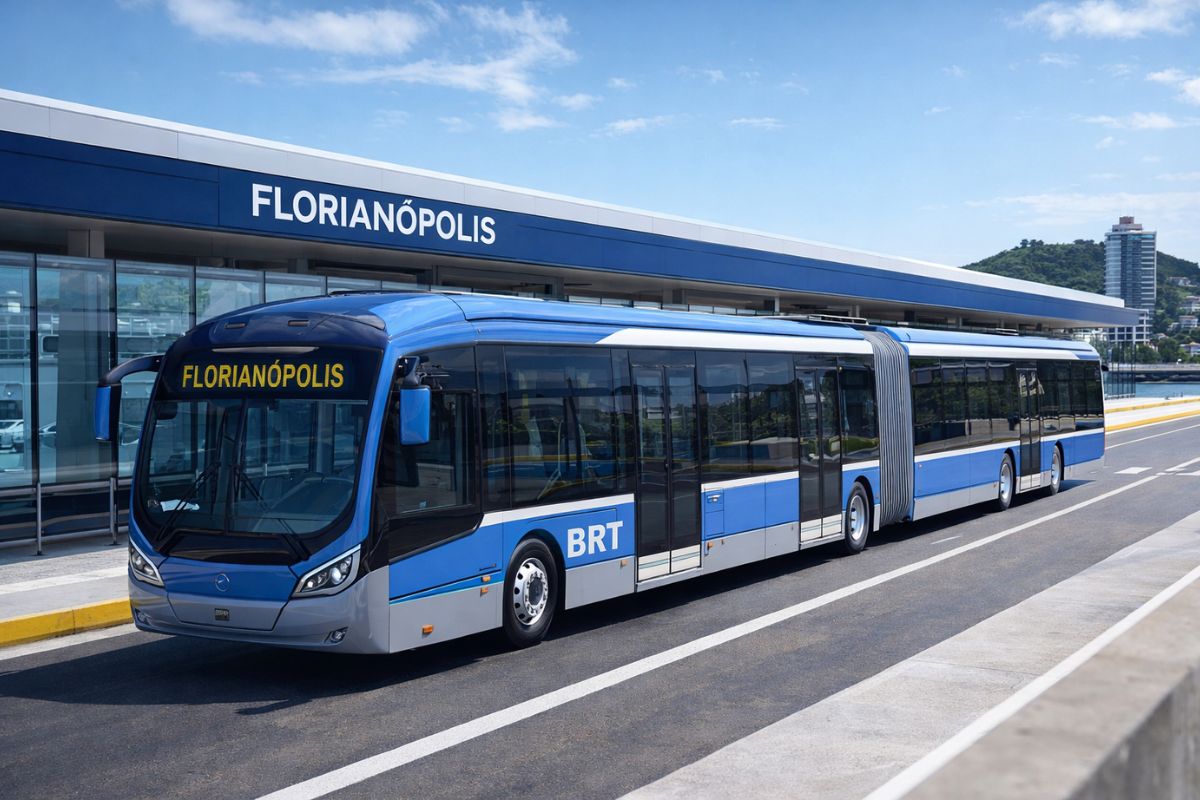
Florianópolis will receive a million-dollar BRT that will begin construction in 2026 with nearly 400 million in funding from the federal government and the Inter-American Development Bank, and the map already shows the routes for the exclusive bus corridors.
-
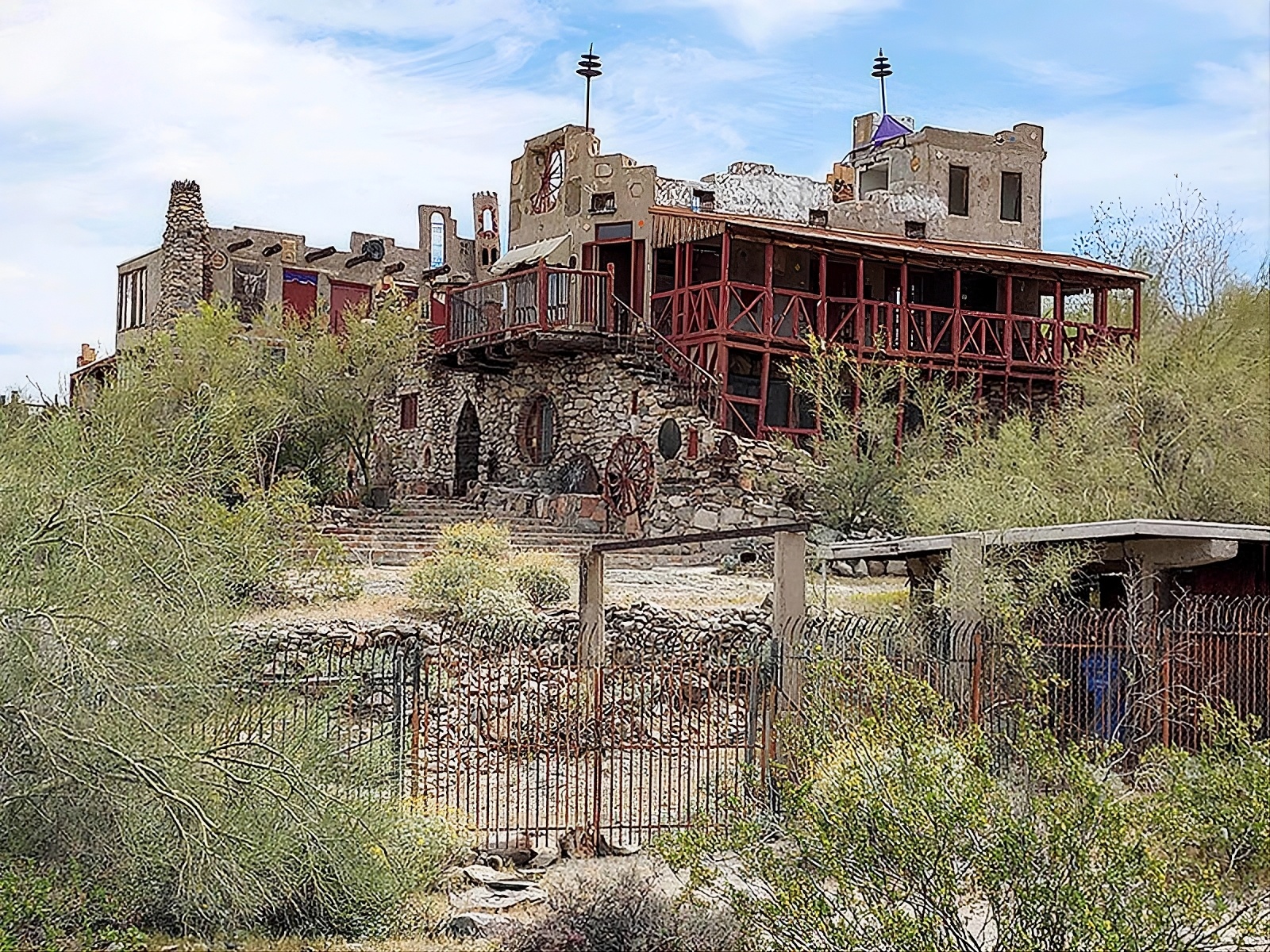
Without a blueprint, without an engineer, and using scrap from the dump, a father spends 15 years building an 18-room castle for his daughter, featuring tram tracks, 13 fireplaces, and over 700 m², which may now be demolished.

Why Is This Project So Impressive?
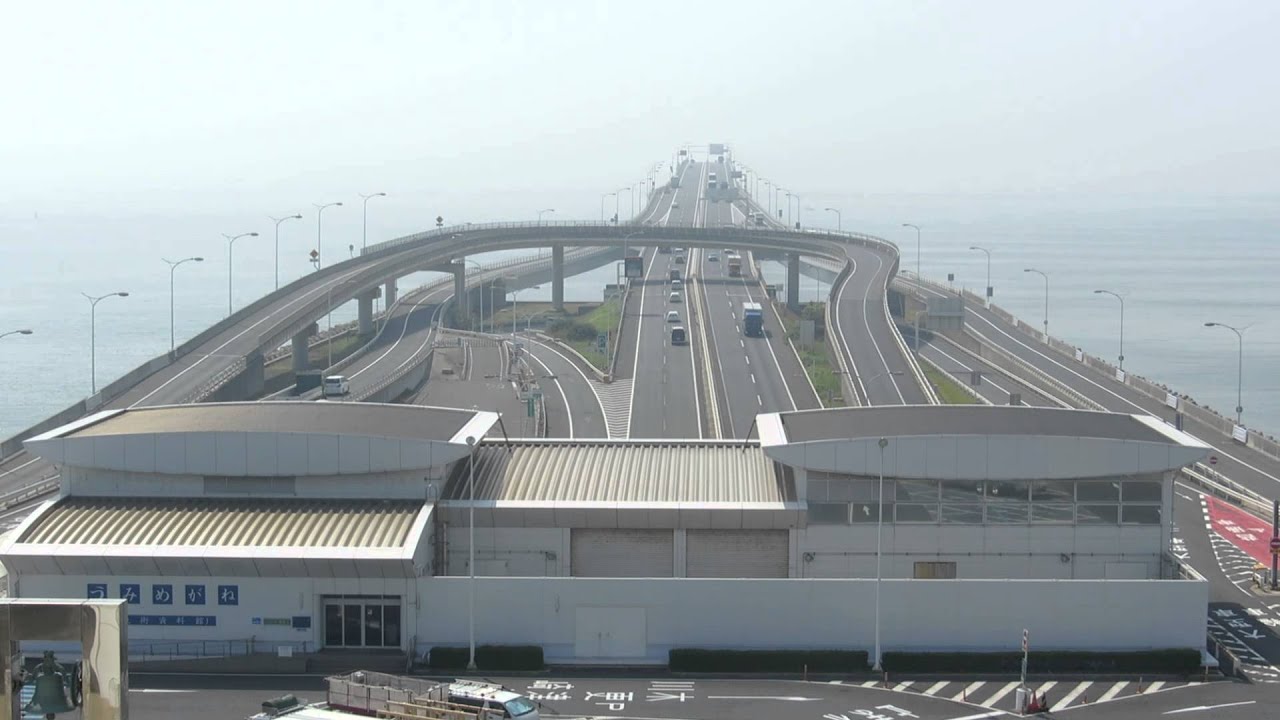
Built in one of the most challenging terrains on the planet, under soft soil and in a high seismic activity region, the Aqualine employed cutting-edge technologies such as the SL Shield method for tunnel excavation and soil stabilization techniques.
The project also included the creation of two artificial islands that connect the tunnel and the bridge, ensuring stability and serving as tourist attractions.
Impacts of the Megaproject in Japan
The inauguration of the Tokyo Bay Aqualine brought numerous benefits to the Tokyo metropolitan area. It reduced congestion in the city center, facilitated the transport of goods such as fresh seafood, and promoted industrial and commercial development in the areas around the bay. Additionally, it encouraged tourism, transforming the Bosō region into a popular leisure destination among the Japanese.
And in Brazil?
The megaproject in Japan is an inspiration for solutions in infrastructure in Brazil. With mobility challenges in large cities like São Paulo and Rio de Janeiro, a similar project could alleviate congestion, shorten distances, and promote economic growth in less accessible regions.
The Tokyo Bay Aqualine symbolizes Japanese ingenuity and determination. Is Brazil ready to adopt such advanced technologies and solve its own transportation challenges?







Também pode contar com mega projeto chineses que o Ponte de Hong Kong-Macau-Zhuhai,só ponte de mais de 28km , que combina 6,6km de túnel submerso e 4 ilha de conexão , total de extensão 55km , muito maior que do esse do Japão, só perde no túnel no mar.
Faltou contar que essa mega obra chamada de a Skyline foi construída nos anos 1990, ou seja, três décadas atrás. E foi modelo para outra construída na China. Ela é super linda. Eu estava no Japão, à época e passei por lá.
Por falar em pontes sobre o Mar, a China construiu uma na região de Shanghay com168 km.