





 Portuguese
  English
  Spanish
 2 min of reading
  1 comment


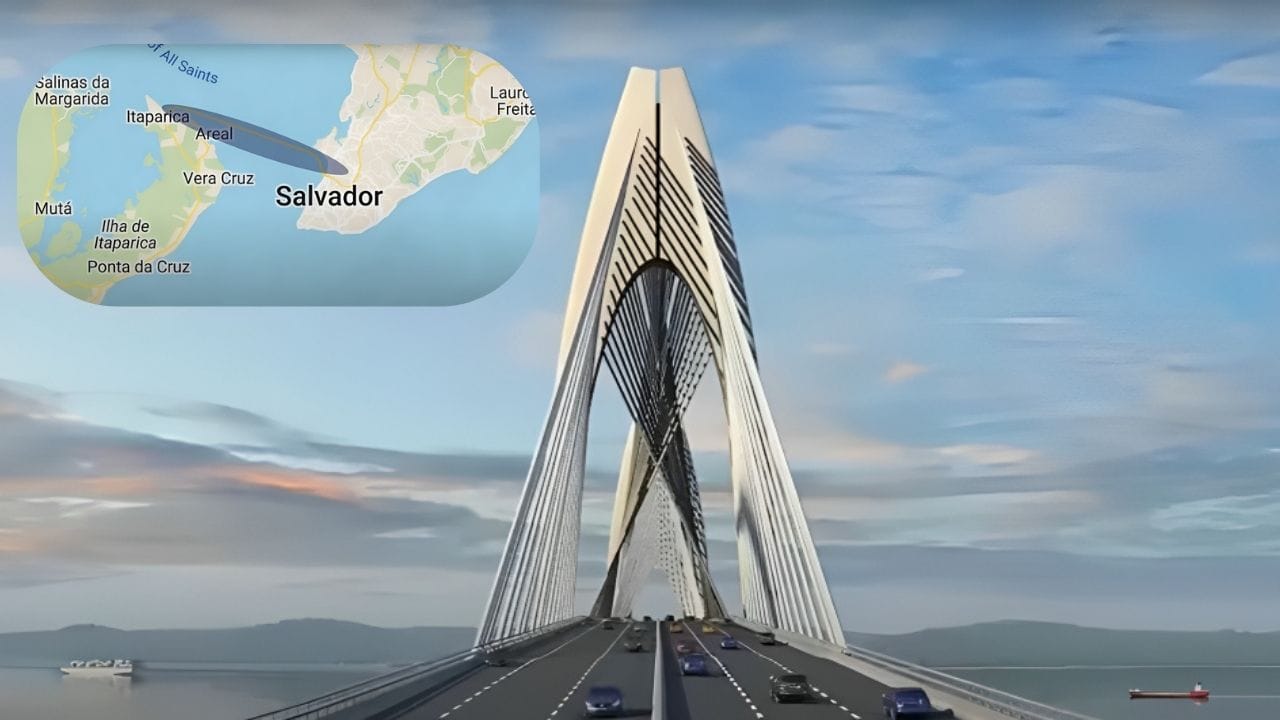


The Long-Awaited Construction of the Salvador-Itaparica Bridge, a Milestone in Brazilian Engineering, is About to Get Off the Ground. Expected to Start in Less Than 60 Days, This Ambitious Project Promises to Transform Urban Mobility in Bahia, Connecting the Capital Salvador to the Island of Itaparica.
With a length of 12.36 km, the Salvador-Itaparica Bridge is not just a megaproject due to its physical structure, but also because of the impact it will bring.
It will be the second largest bridge in Brazil, second only to the Rio-Niterói Bridge, and the largest in Latin America considering its stretch over water. It joins the list of the largest bridges in the world.
Currently, the crossing between Salvador and the Island of Itaparica is mainly done by ferries. With the bridge, the route that is currently 454 km will be reduced to 311 km, saving almost two hours of travel time.
-
Historic bankruptcy of Centauro shocks the market, and the century-old company puts more than 500,000 products, machines, and complete infrastructure up for online auction.

-
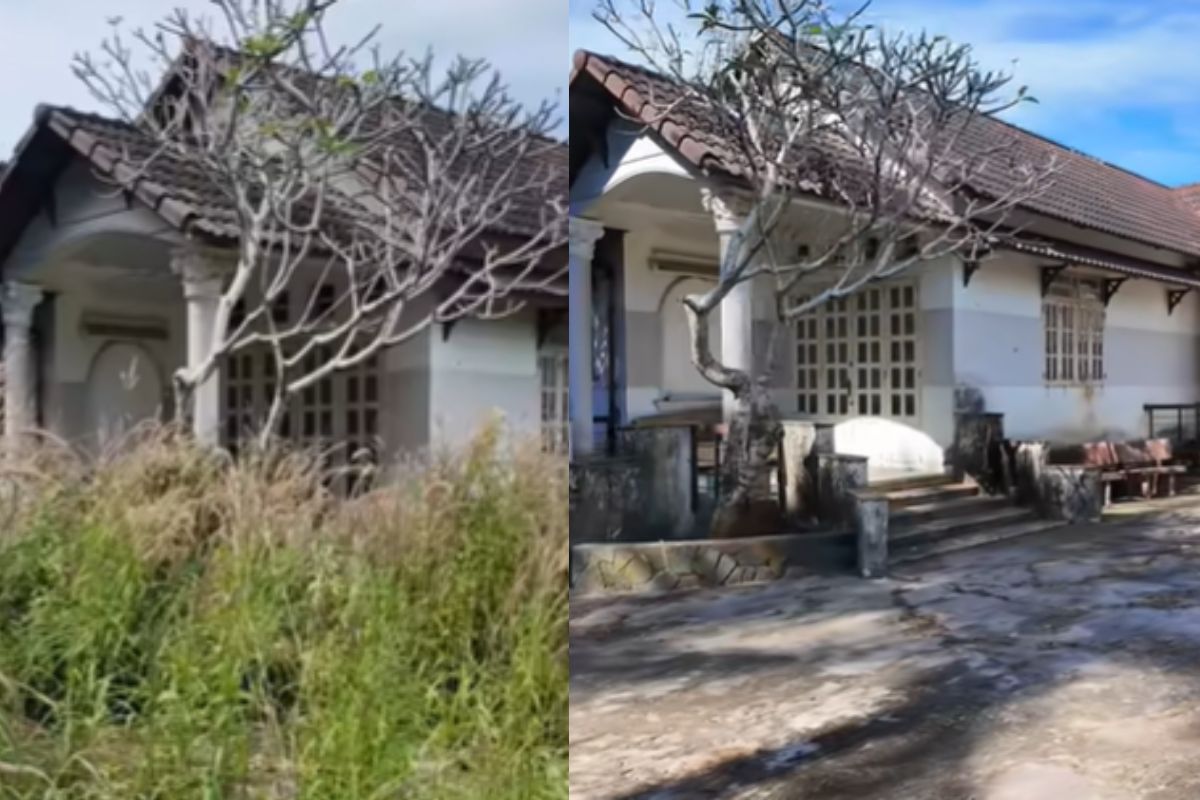
Abandoned house for 15 years disappears in the woods, shocks owner with unrecognizable scenery and is reborn in an intense transformation after almost 90 hours of work in just 10 days.
-
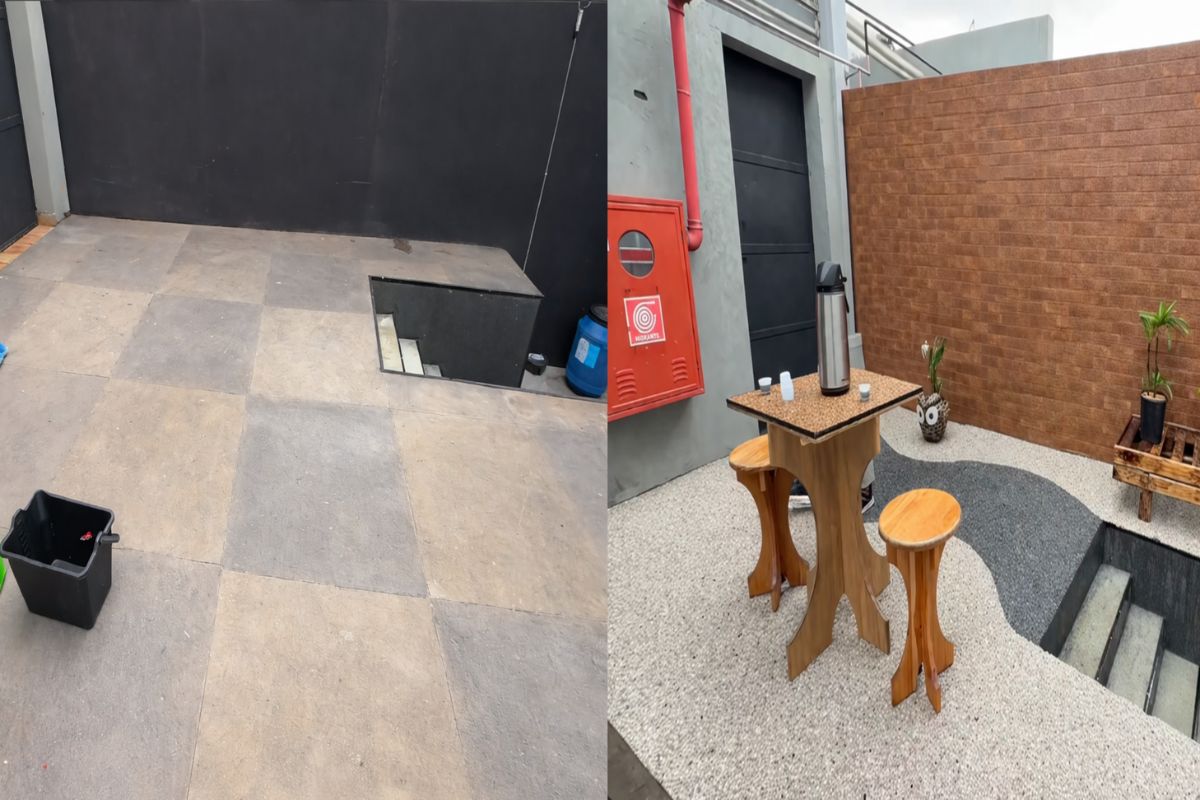
In just three hours, a natural stone floor transforms the entrance of the house with an organic effect, immediate drainage, and a sophisticated non-slip finish that doesn’t puddle water, dries quickly, and impresses with the final result.
-
‘Interlocking brick’ made of earth arrives in the construction industry with cost reductions of up to 40% on the project.


It is estimated that 15 million people and 44 municipalities will benefit, with more than 140,000 vehicles circulating daily on the structure.
The Bridge in Salvador Will Be Built by Two Renowned Chinese Conglomerates, Specialists in Large Infrastructure Projects


The initial investment, which was approximately R$ 6 billion, rose to R$ 13 billion after additional studies. The project not only includes the bridge but also the revitalization of the road systems in Salvador and on the Island of Itaparica.
The bridge will feature a cable-stayed section of 0.86 km and will rise 85 meters above sea level, allowing navigation of large vessels.
The width of the bridge varies between 26.4 and 30 meters, with the possibility of future expansion. The pillars will have a maximum height of 70 meters, and the foundations will be made with large-diameter drilled piles.
The Construction of the Salvador-Itaparica Bridge is Seen as an Engine of Economic and Social Development for the Region
During the works, more than 7,000 jobs will be created. The bridge will facilitate access to other regions of Bahia and the country, boosting tourism and local commerce.
With an expected completion between 2027 and 2028, the Salvador-Itaparica Bridge is an example of how large works can transform the reality of a region.
The expectation is that once completed, the bridge will not only improve mobility, but also become a symbol of innovation and progress for Bahia and Brazil.










Coado começa a escrisao de com tratassao de trabalho