





 Portuguese
  English
  Spanish
  8 min of reading
  0 comments


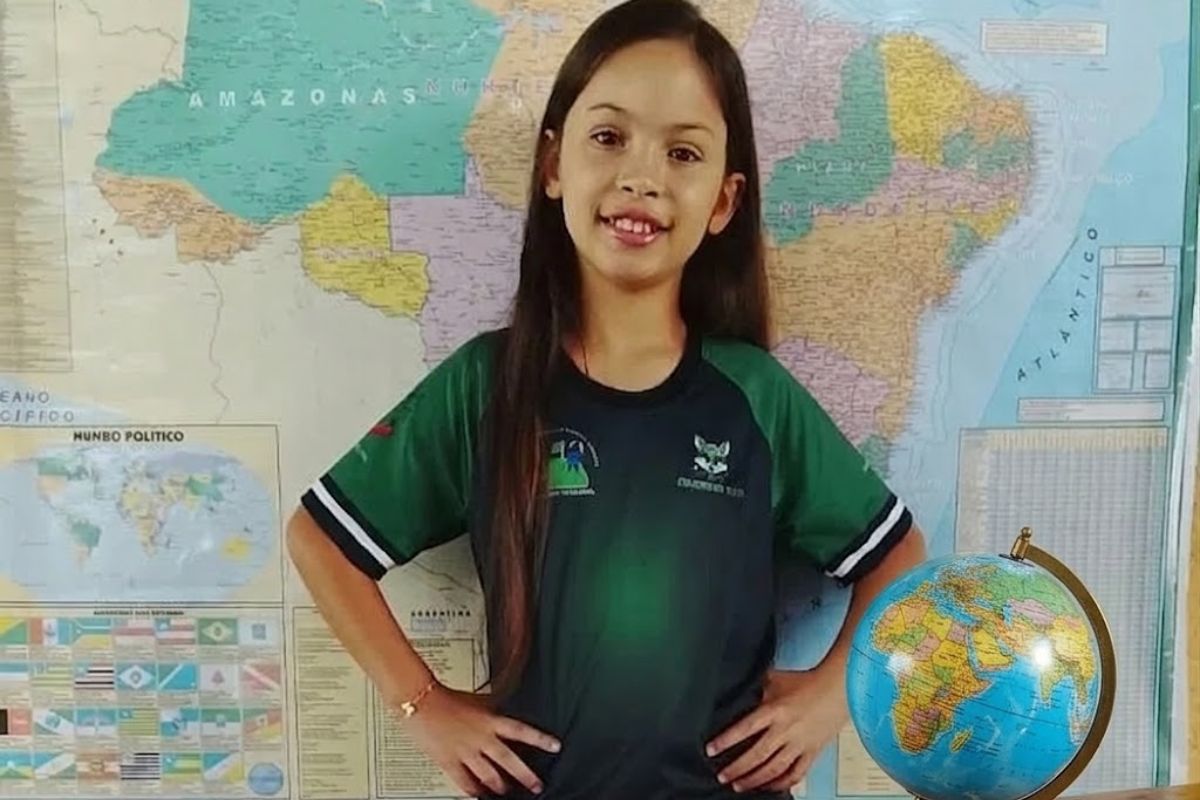
The Presence at the Robotics World Championship in Ontario Crowned Alana’s Performance After a National Stage in São Paulo, But the Achievement Opened Another Challenge for the Capoeirana Family: Raising Between R$16 Thousand and R$20 Thousand to Ensure That the Mother Accompanies the Girl on a Safe International Experience.
The robotics world championship became part of the routine of an 8-year-old girl from Nova Era after Alana, a resident of the Capoeirana community, secured a spot to represent Brazil at the international stage of the FIRA RoboWorld Cup, scheduled for July in Canada. The result came after the student’s team reached seventh place in a national competition held in São Paulo, concluding a short preparation cycle while simultaneously opening a rare opportunity for a public school child.
The achievement, however, did not bring only celebration. While the city hall announced it would cover tickets, accommodation, documentation, and the logistical part of the children’s trip, the family began to face another race: making it possible for Eliane Lopes da Silva, Alana’s mother, who is not included in the coverage, to join her. For an 8-year-old child, the international trip is not just displacement; it is also emotional adaptation, safety, and family presence.
How Alana Reached the Robotics World Championship
Alana’s journey in robotics began about a year ago when she was selected to participate in the Na Mochila Project, a social initiative focused on STEAM education, an acronym that encompasses science, technology, engineering, arts, and mathematics. The project serves students from public schools in municipalities in the Médio Piracicaba region, such as João Monlevade, São Domingos do Prata, Nova Era, and Rio Piracicaba, and has been accumulating participation in national and international tournaments.
-
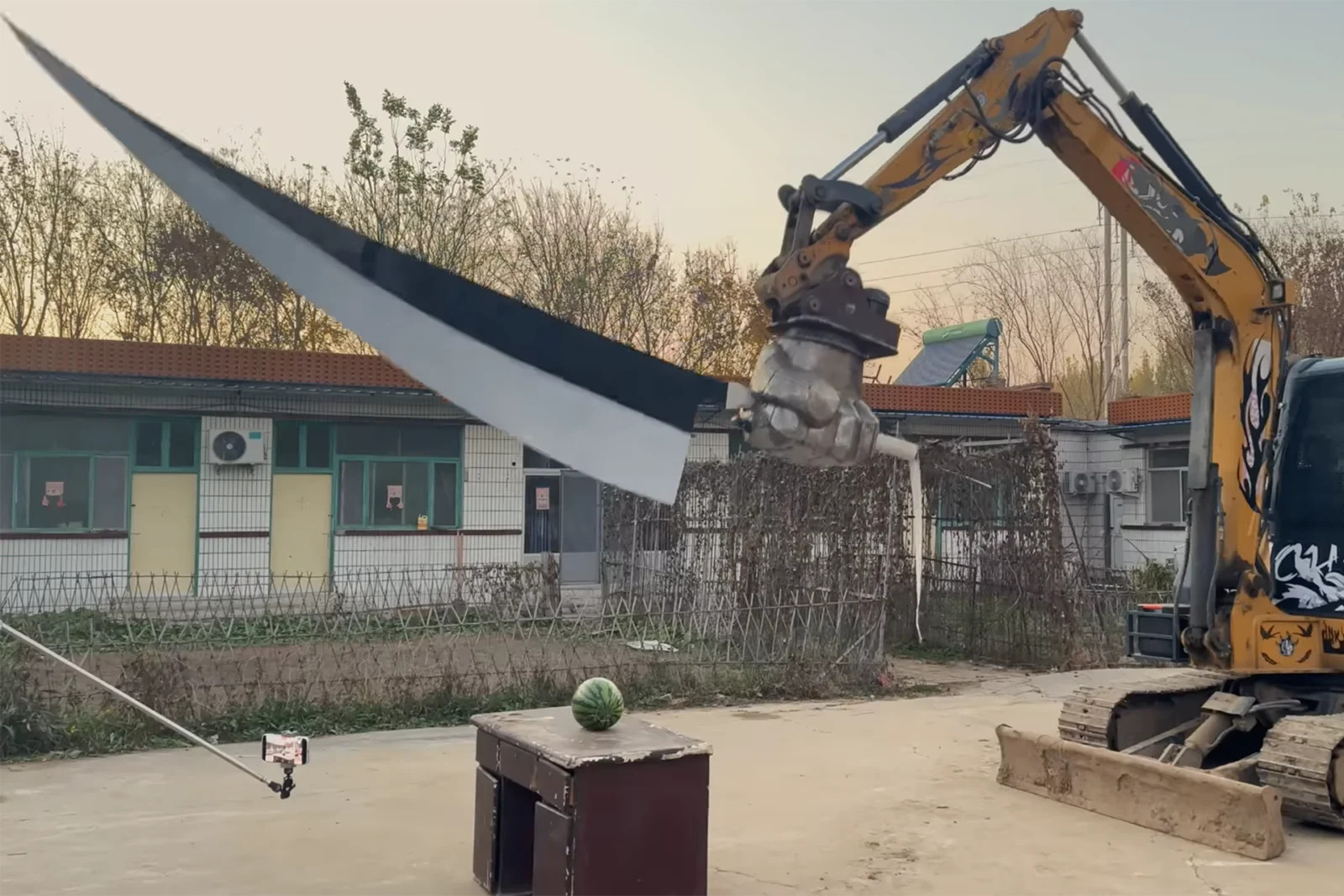
YouTuber creates an excavator equipped with a giant 4.5-meter sword to challenge his brother to a rematch, and the invention quickly goes viral on social media.
-
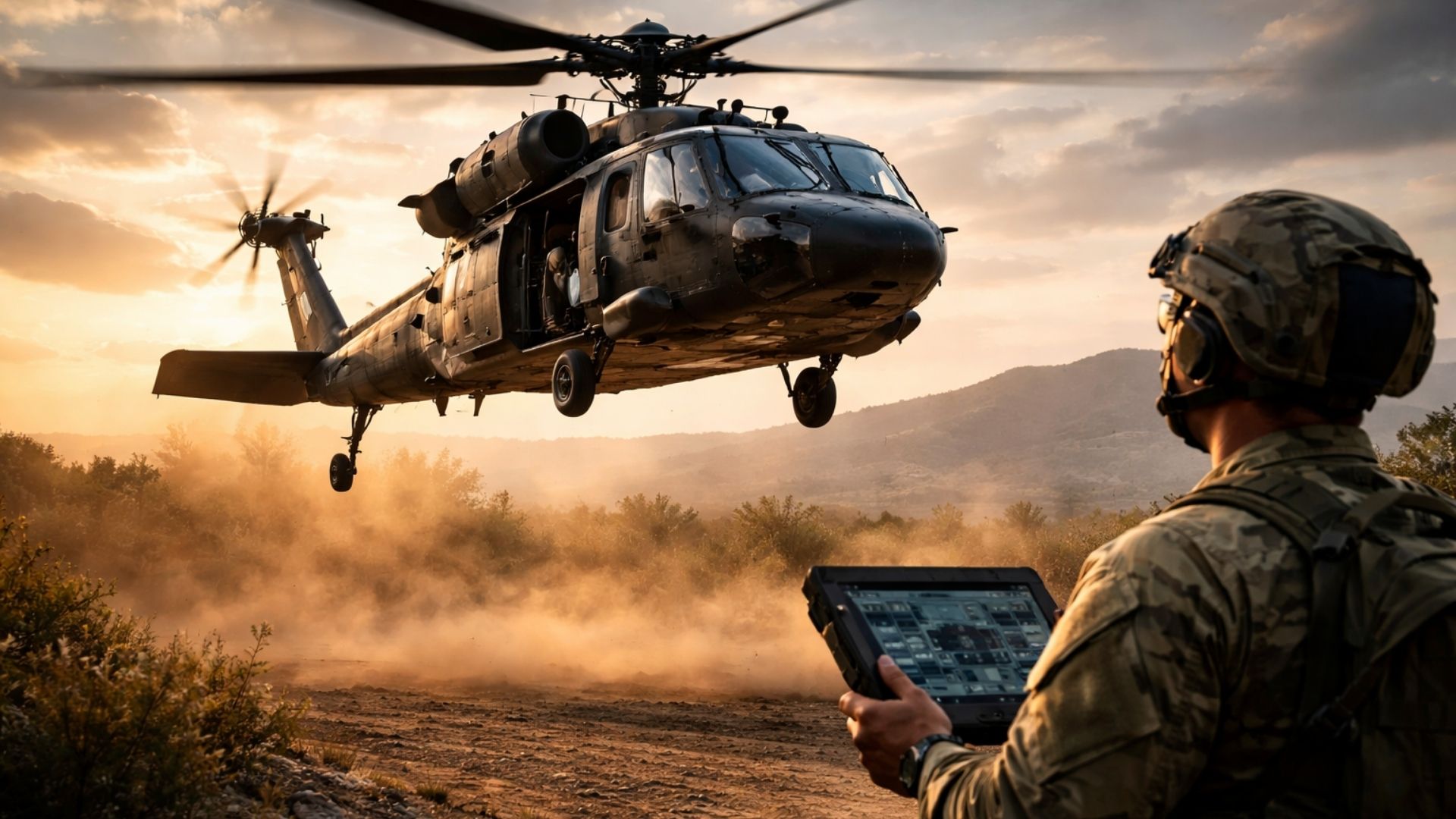
The U.S. Army surprises the world by presenting the UH-60MX Black Hawk helicopter capable of flying without pilots, controlled by a tablet, featuring the MATRIX system, smart sensors, and full autonomy in real combat and rescue missions.
-
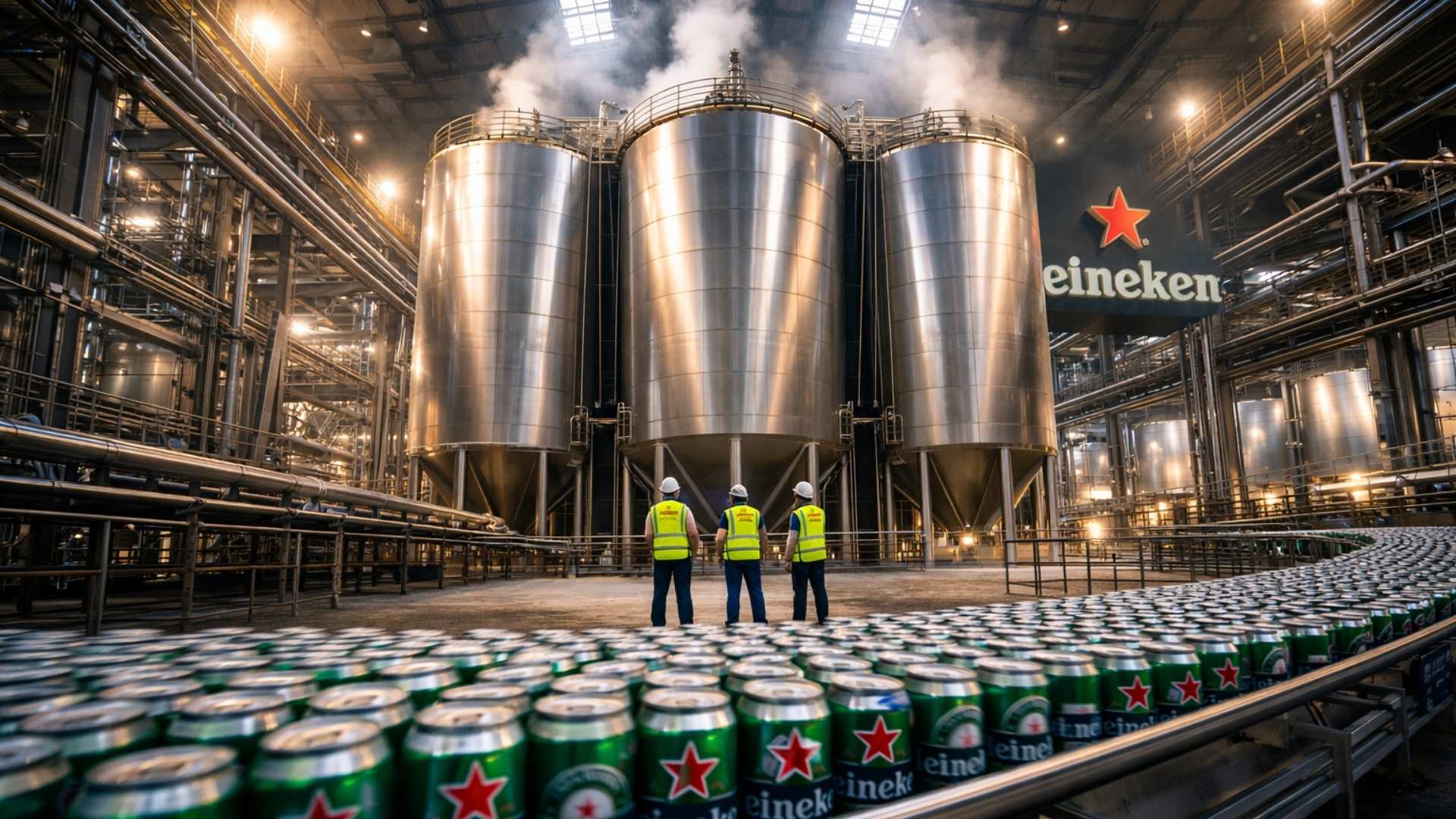
Heineken’s factory in Brazil produces 300 million beer cans in just 4 months, reaches 1 million hectoliters, received R$ 2.5 billion, and is already projecting an annual capacity of 5 million with sustainable technology.
-
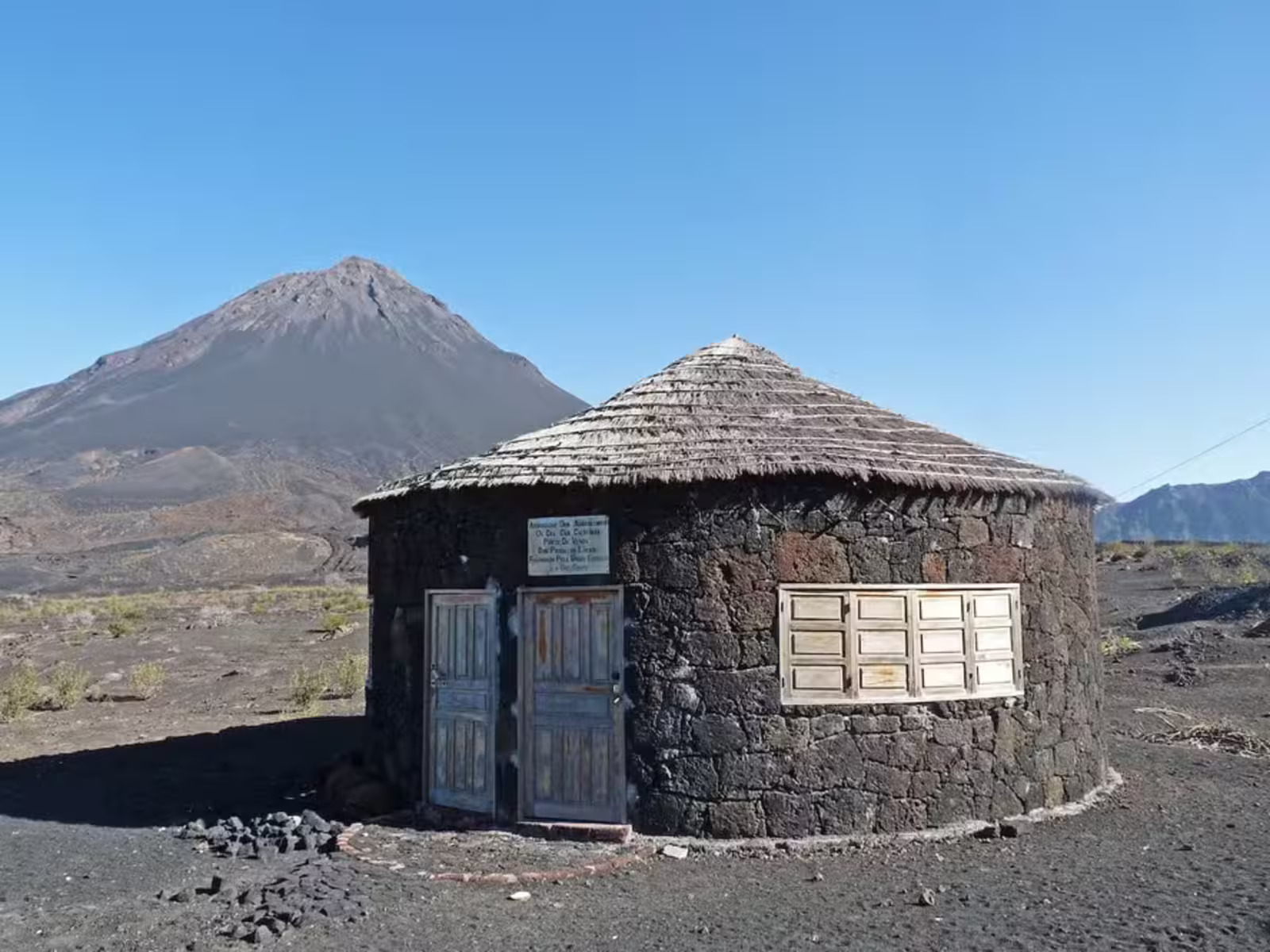
Inside an active volcano in Africa, residents use volcanic rocks to build houses in an impressive setting.

In Alana’s case, joining the project was tied to criteria such as academic performance and attendance. The student, who lives in Capoeirana and studies at the Municipal School Cecília Gabriela Martins Quintão, began to stand out for her consistency, creativity, and quick learning. What started as a formative activity turned into a competitive path, with training sessions, events, and more frequent contact with challenges related to educational robotics assembly and reasoning.
The slot at the robotics world championship gained form after the team’s performance at the national stage in São Paulo. With about two months of targeted preparation, the group achieved seventh place, a result that secured qualification for the international competition. Instead of appearing as an isolated achievement, the conquest is seen as a culmination of a routine of dedication that, for a child of this age, required discipline, adaptation, and constant family support.
Alana’s recent story helps to understand this advancement. Her mother reports that her daughter became more deeply involved in the field through the project’s activities and the development of a small robot named Algodão. The experience broadened the girl’s interest and transformed robotics into a concrete part of her school and extracurricular daily life. It is not just about participating in a competition, but learning early to transform curiosity into method.
What the Trip to Canada Represents for the Family
The delegation’s trip is scheduled for July 14, heading to the province of Ontario in Canada, where the tournament takes place. The city hall of Nova Era informed the family that it would cover the essential items for the students’ participation, including tickets, accommodation, documentation, and the necessary support for issuing passports and visas. This coverage ensures the operational basis for the children but leaves out family members or legal guardians.
This is where the achievement at the robotics world championship bumps into a practical limitation that is decisive for the family. Eliane lives with Alana and organizes her daughter’s routine around school, training, and travel for team-related activities. The absence of the mother on an international trip, with everything it represents in terms of comfort and reference, is seen as a factor that could compromise the girl’s participation. For the family, the mother’s presence is not an administrative detail; it is part of the condition for the experience to be possible.
The campaign created to fund Eliane’s journey aims to raise between R$16 thousand and R$20 thousand. This amount includes tickets, visas, accommodation, and living expenses in Canada, which may vary according to the exchange rate of the Canadian dollar. The goal is to cover a minimum structure for the mother to accompany her daughter throughout the trip, without placing on the child the pressure of facing a completely new reality alone.
Alana’s cousin, Pablo Felipe da Silva Miranda, initiated the mobilization on social media and also reached out to businesses, journalists, and people in the area. The fundraising was organized directly, with a Pix key in Eliane’s name, so that the funds go directly to her account. This choice aims to convey transparency and avoid unnecessary intermediation. In a scenario where every contribution can define the presence of a guardian alongside the child, the campaign becomes not just financial but acquires an emotional and community dimension.
The Role of the Project and the Reach of Educational Robotics
Alana’s trip to the robotics world championship also helps illuminate the role of initiatives that work with technological education outside major centers. The Na Mochila Project connects public school students to experiences that normally seem distant from the reality of smaller communities. By introducing robotics, logic, creativity, and problem-solving early on, the project broadens horizons and reshapes what these students can envision for their own futures.
This impact is not abstract. The project’s recent history includes participation in national and international tournaments, as well as a silver medal in a world competition held in Daegu, South Korea, in the Mission Impossible U14 category. This accumulation shows that the education provided is not limited to the initial presentation of technology, but can generate consistent and competitive results. When a social project creates conditions for public school students to reach a global tournament, it alters the scale of local expectations.
In practice, this means that robotics is no longer seen merely as a complementary activity, but takes on a role of intellectual formation and professional horizons. Eliane perceives this change in the way her daughter views her own possibilities. For her, contact with the field has led Alana to associate study, effort, and opportunity in a more concrete way, seeing learning as a bridge to paths that previously seemed unattainable.
This effect is even more significant when viewed from Capoeirana, described by the family as a low-income community, with both urban and rural characteristics. In such contexts, opportunities for international travel and insertion into highly technological environments tend to be rare. Thus, the slot at the robotics world championship does not represent just a trip; it serves as visible proof that talent and discipline can emerge far from the more privileged centers.
The Team, the Preparation, and the Change in Routine
Alana will compete in the FIRA Kids category, aimed at her age group. The Capoeirana delegation, as informed by the family, will consist of four girls. Alana and Roberta were part of the team that participated in the national championship, while Laura and Lívia will serve as substitutes. The group reflects a collective effort involving school, project, coaches, family members, and a support network sustaining the students’ participation.
The preparation required a reorganization of the household routine. Alana spends her day at school and participates in training on Saturdays. When there are events in other locations, travel also enters the family’s schedule. This imposes logistics that go far beyond enthusiasm for the competition. There are schedules, documents, commitments, and practical decisions that fall particularly on the mother, who has been monitoring her daughter’s growth within robotics since the first steps.
This daily change helps explain why the campaign for Eliane’s trip is treated as a necessity and not as an extra comfort. For small children, the presence of a guardian is often central not only for bureaucratic issues but also for emotional balance in the face of sudden changes. An airplane, a foreign country, a new language, a new routine, and an international competition compose a package of experiences that can be both striking and challenging. Emotional safety is also part of performance.
Amid this, mobilization continues with posts on social media and attempts to reach supporters in the region. The proposal put forth by the family is clear: raise the necessary funds to cover the mother’s trip. If there is excess, the intention is to direct part of the amount to the Na Mochila Project, contributing materials and support to other children served. This aspect enhances the campaign’s reach, as it connects Alana’s individual urgency to a broader educational formation network.
When an Individual Achievement Changes a Community’s Perception
Stories like Alana’s often draw attention due to the combination of age, competitive result, and international travel. But the deeper aspect may lie in what they reveal about access and belonging. An 8-year-old girl, a resident of a community in the interior of Minas Gerais, a student at a municipal school, reaching the robotics world championship after a short preparation time breaks a silent logic whereby certain spaces would remain reserved for more predictable and privileged trajectories.
This rupture matters because it produces a collective effect. When a child from the community advances in a global scenario, other families begin to view the school, educational projects, and technology differently. The achievement ceases to be merely a competitive result and becomes a local symbol of possibility. What changes is not just the destination of a trip, but the image of the future within the community.
At the same time, the need for a campaign to fund the mother’s presence demonstrates that recognition of talent still coexists with very concrete material barriers.
The spot exists, the capacity has been demonstrated, the institutional support covers part of the journey, but the essential family link still depends on mobilization. This exposes how promising trajectories can remain vulnerable when complete conditions for permanence and support are lacking.
If the trip to Canada is confirmed with Eliane’s presence, Alana’s experience will hold strength not only for the competition itself but for what it may represent for other public school children who today view technology as something distant.
And, even before the trip, the story already plays an important role by showing that the robotics world championship can begin long before the competition arena: it starts where someone decides to believe that an opportunity needs to be whole, and not half.
The campaign continues to be a crucial part of this journey. Do you believe that stories like Alana’s show a new path for children from public schools in smaller cities? And, in your view, should public authorities, social projects, and the community share the responsibility for opportunities like this more broadly?






Seja o primeiro a reagir!