





 Portuguese
  English
  Spanish
  6 min of reading
  0 comments


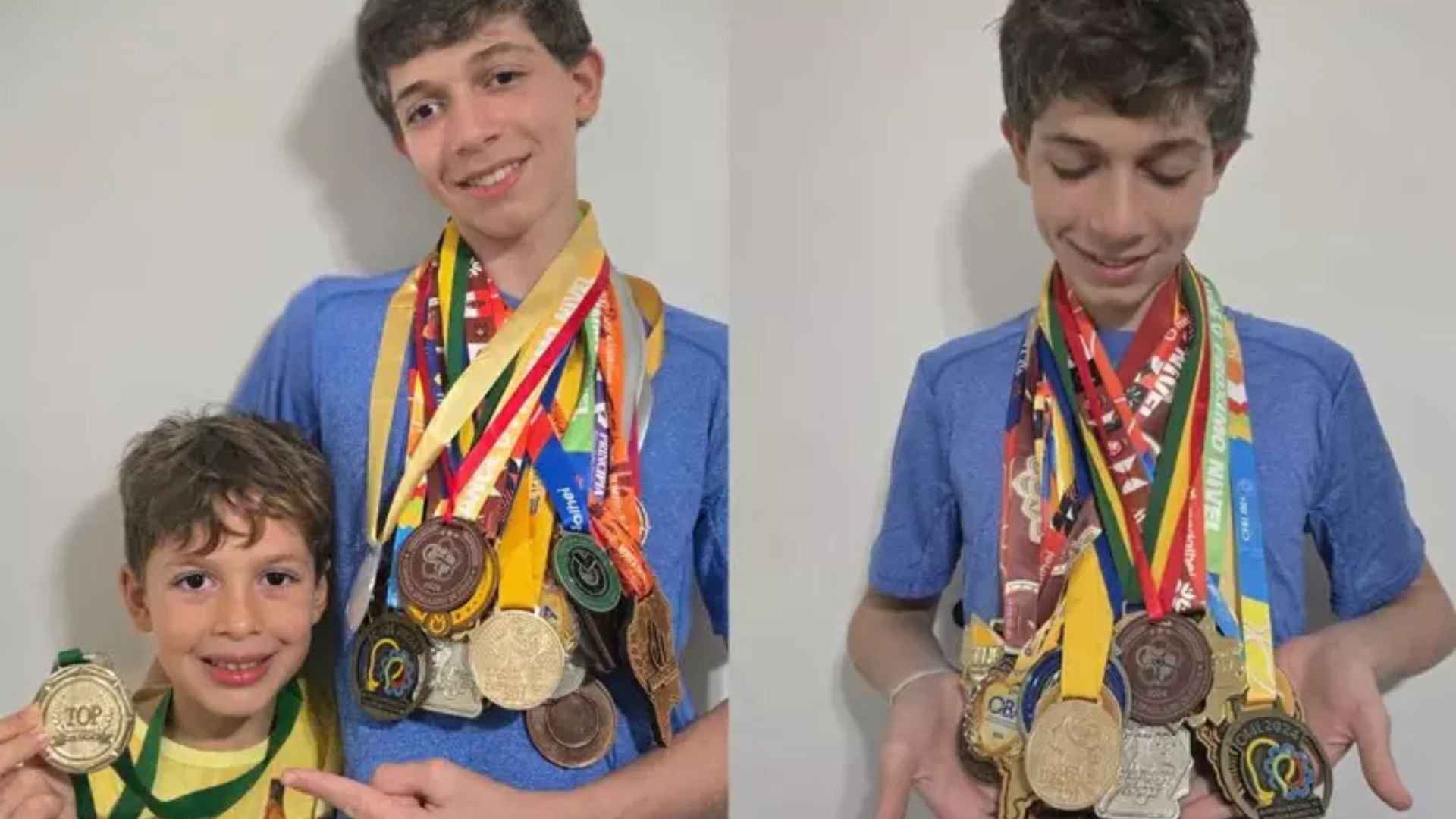
At 13, Niterói Student Accumulates 27 Gold Medals in Scientific Olympiads. With a Routine of Just 30 Minutes of Daily Study, He Transforms Curiosity into Method and Shows How Learning Can Be Light and Enjoyable.
At 13 years old, Theo Correia, from Niterói (RJ), claims to have accumulated 27 gold medals in scientific olympiads and says he studies for about 30 minutes a day outside of class hours.
The student attributes his results to curiosity and the joy of learning, not to the pursuit of podiums. “The medals rust, but knowledge remains,” he sums up.
How Curiosity Guides the Routine
Since childhood, Theo has been interested in science and mathematics. At home, reading and discussing academic topics were frequent.
-
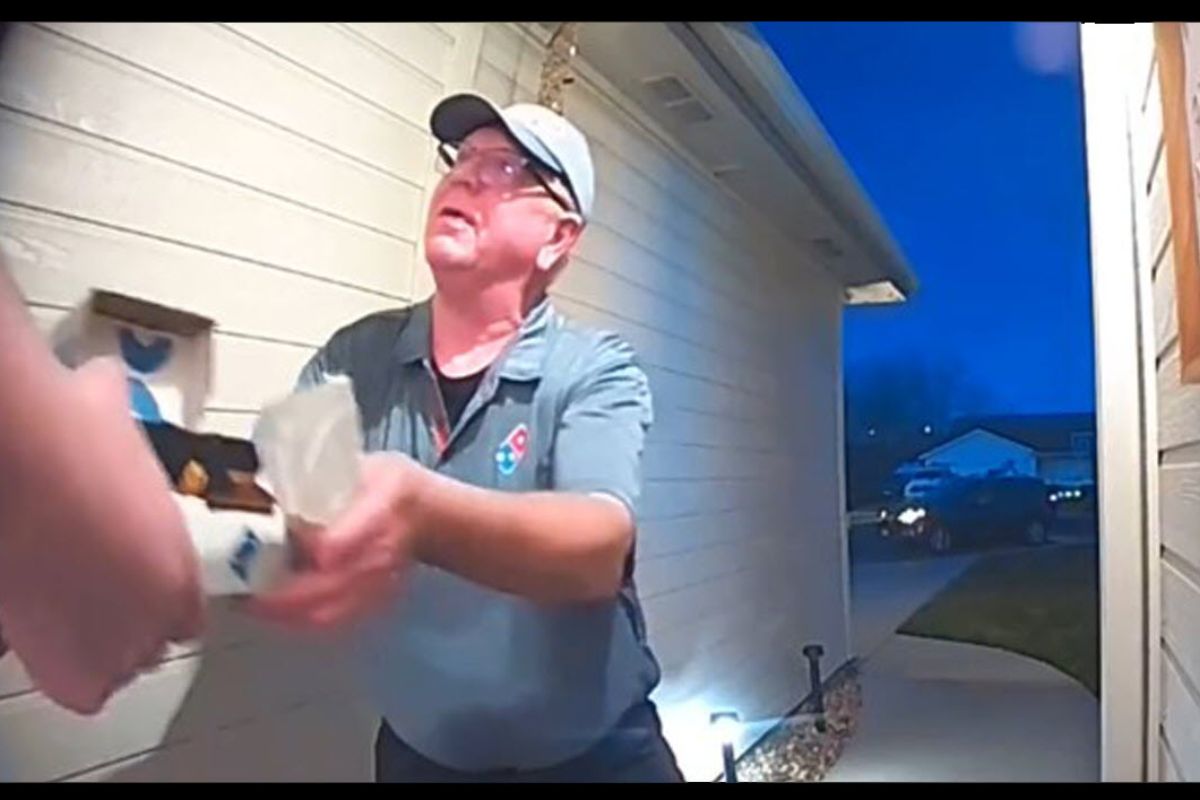
A 68-year-old pizza delivery driver went off route to buy a soda that was missing from a visually impaired customer’s order, refused an extra tip, and now Dan Simpson has over R$ 546,000 in donations from people around the world who want to ensure he can retire peacefully on April 30.
-
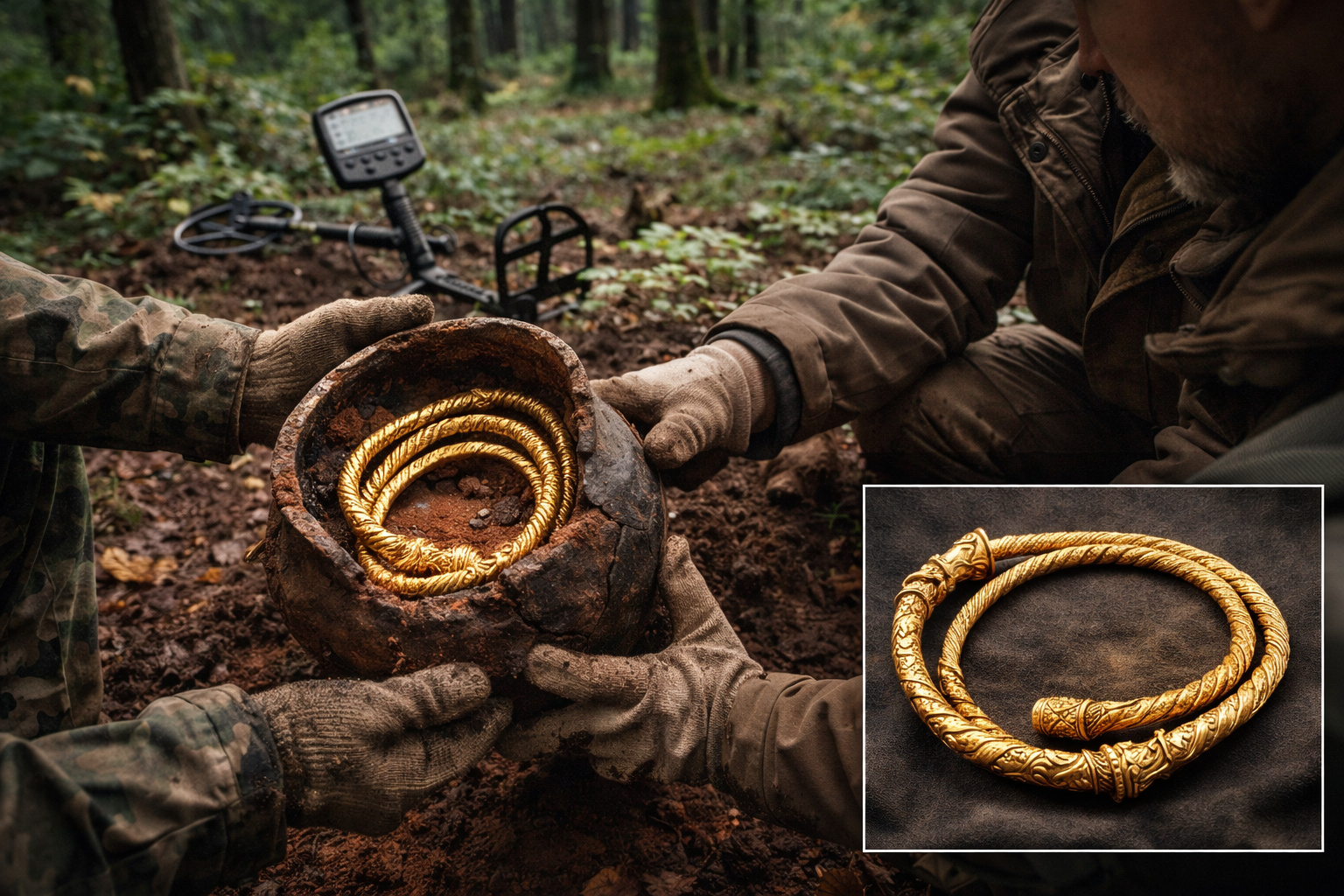
Amateur archaeologists were searching a forest in Poland with metal detectors when they found a ceramic pot buried for over 1,500 years. Inside was a pure gold necklace weighing 222 grams, folded to fit in the vessel, and when experts examined the piece, they discovered it was the first Gothic torque ever found in Polish territory.
-
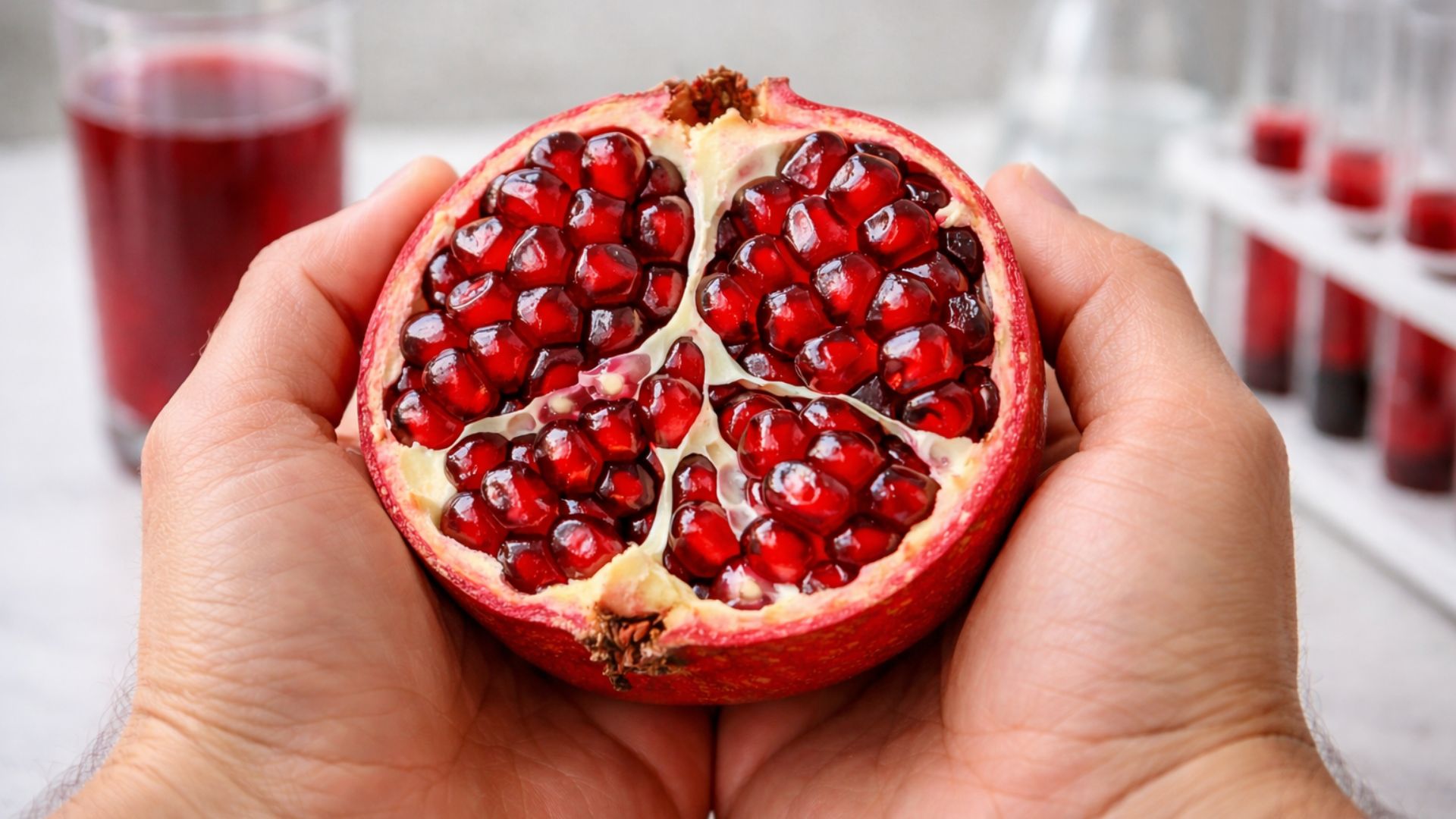
Millions of people have been eating pomegranates for centuries without knowing that this ancient fruit contains punicalagins, which scientists are studying for their possible effects on memory and vascular health.
-
Argentina patrols the South Atlantic with ships built in France and monitors over 1.1 million km² with 87 m OPVs, a range of 7,500 miles, 360° radar, and a 30 mm cannon against illegal fishing in the 200-mile zone.

The student reports that enthusiasm for new content, rather than competition, sustains his daily discipline.
According to him, when he participated in tests aiming solely for medals, his performance declined. Focus, he asserts, needs to be on the process of learning.
First Contact with Olympiads and the Change in Attitude
The teenager began participating in tests in 2022, in the Kangaroo of Mathematics and the National Olympiad of Science.
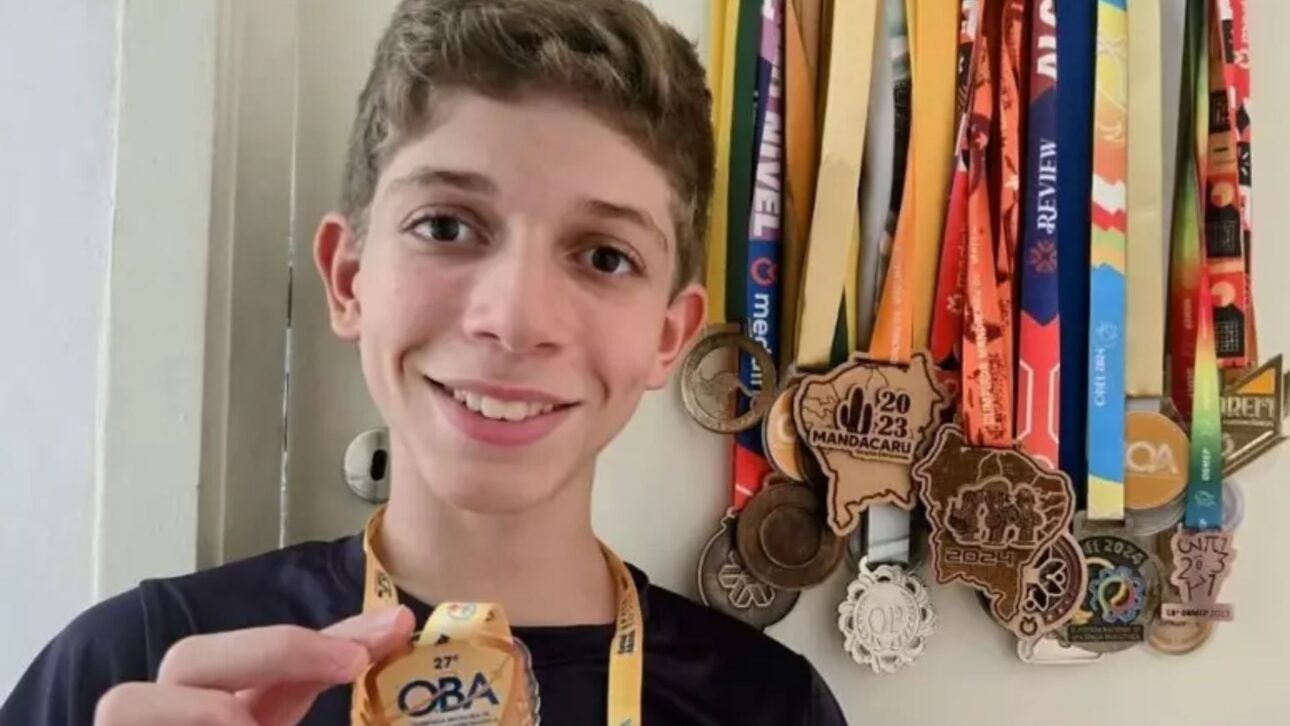
Without structured preparation at that moment, he finished with bronze and realized he could advance.
The following year, not repeating the result, he identified that he prioritized the podium over the experience.
From this diagnosis, he decided to expose himself to more competitions, treating each exam as an opportunity for study.
From Stumble to Advancement in Exact Fields
With the change in approach, Theo expanded the range of subjects.
He included physics, mathematics, and astronomy among his areas of interest.
During this phase, he reports having won consecutive golds at the Mandacaru Olympiad of Mathematics and receiving the trophy “Outstanding Student”, awarded to the top placements.
According to the student, the gain came when he transformed preparation into a pleasurable activity, with small and frequent goals.
Study Culture at Home: Support and Method
At home, encouragement was constant. His mother, Priscila Correia, a journalist with a degree in literature, helped make studying more playful and structured the resolution of questions.
The family states that the home environment valued reading and organizing reasoning. Theo often explains content to his mother and other family members as a technique for retention.
During the pandemic, he even recorded videos on a segment called “Professor Theobaldo” on Priscila’s profile to share what he was learning.
Streamlined Schedule and Consistency
The student attends regular schooling in the morning and, in the afternoon, practices activities like taekwondo and English.
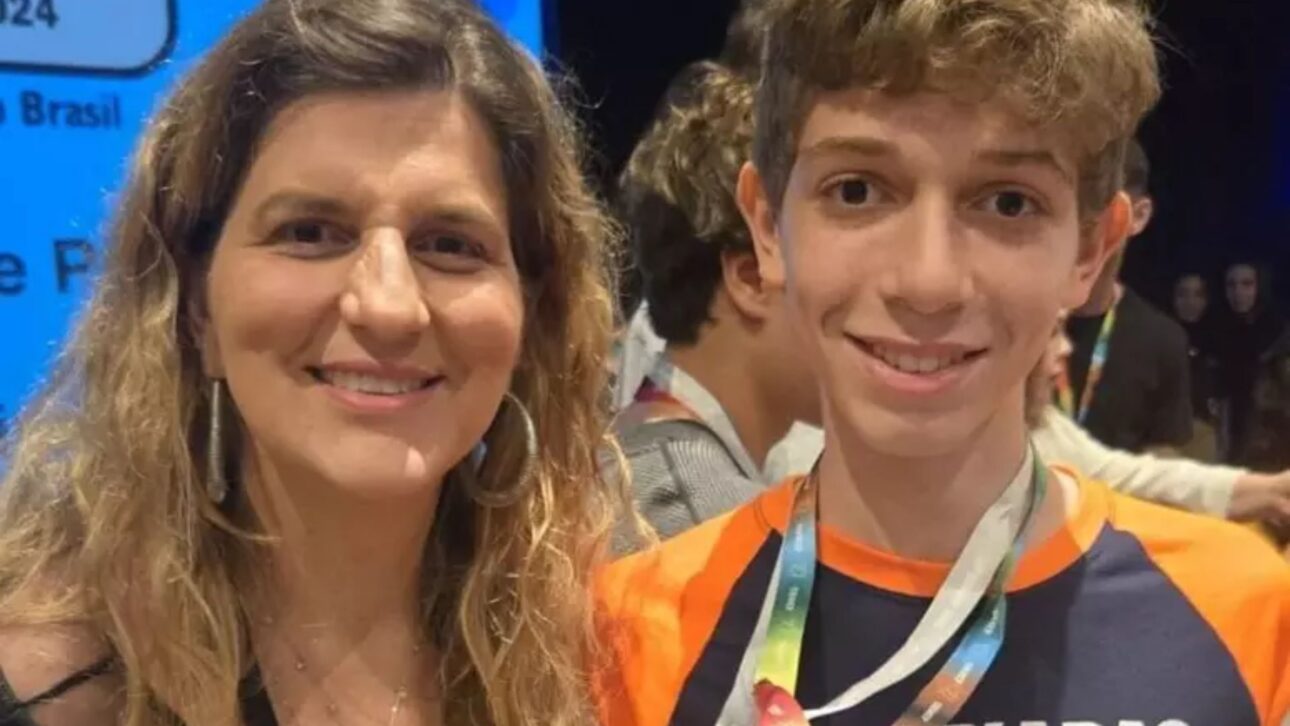
Even with a full schedule, he claims to reserve about half an hour daily to review subjects or solve exercises.
When he can’t maintain the pace, he compensates with longer sessions on alternate days.
To record discoveries and doubts, he keeps a thick notebook, where he writes down key concepts and resolution strategies.
Own Method: Brief and Cumulative Study
Theo describes studying as a cumulative process. With each new topic, he records mental shortcuts and practical examples.
The short time, he says, works because a foundation has been built over the years. The notebook serves as external memory to reactivate what has already been seen and connect content.
Instead of marathons, he prefers consistency, review, and application in various problems.
Olympiads as a Tool, Not an End
Participation in competitions, according to the student himself, serves as a diagnostic tool.
By facing different tests, he identifies gaps and returns to the content with a specific goal.
The result in medals appears as a consequence. “There has to be some extra motivation, a desire to learn, a desire to improve inside,” he states.
By reducing the anxiety for immediate achievements, he reports gaining lightness and efficiency.
School, Peers, and Multiplication of Interest
At school, Theo created a committee focused on scientific olympiads to encourage his peers.
The initiative attracted dozens of students in its early meetings, with discussions about announcements, schedules, and study paths.
The group dynamic includes division by areas, material exchange, and mock tests.
When someone doesn’t achieve the expected result, the guidance is to analyze the test, understand the mistake, and adjust the preparation.
Learning by Teaching: The Power of Collaborative Study
The student says he enjoys studying in teams and explaining content. Teaching, for him, consolidates his own learning.
In study circles, he often presents problems, asks colleagues to verbalize their reasoning, and discusses solution alternatives.
The objective is to make the steps leading to the correct answer visible. In the end, each participant records lessons and points of interest for the next round.
Extended Family and the Younger Brother’s First Experiences
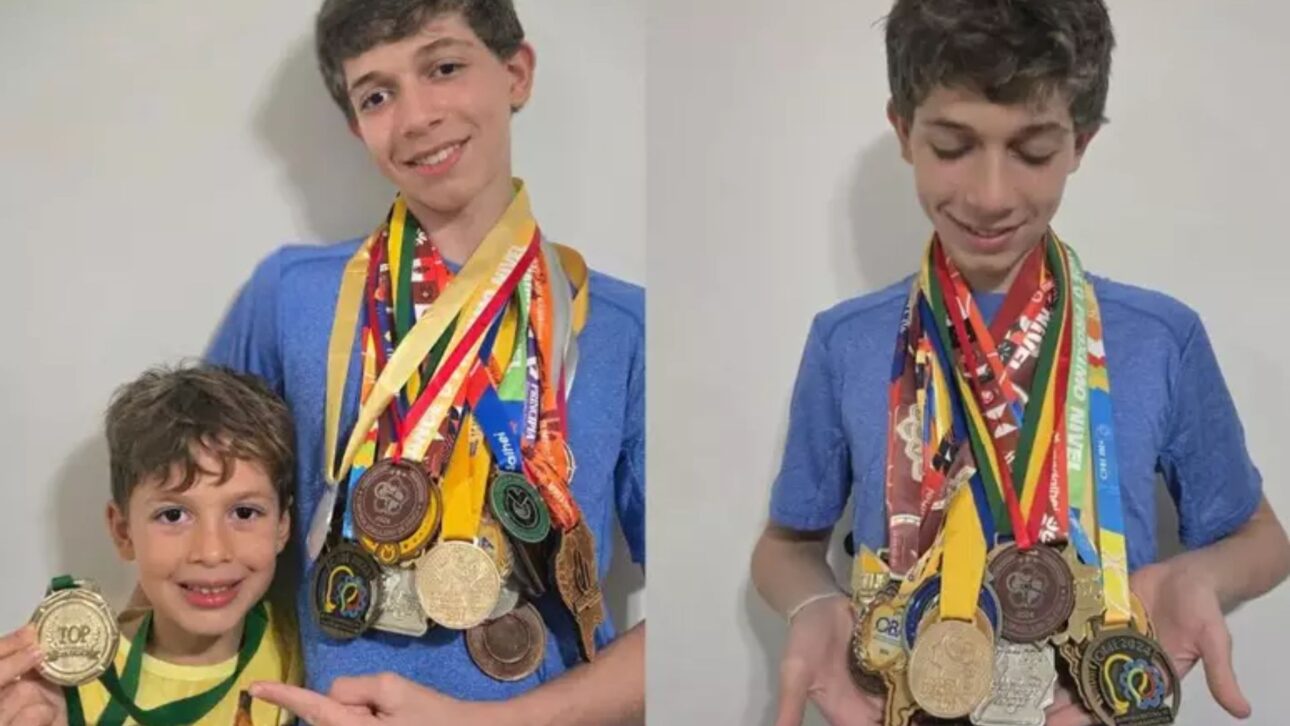
The interest in olympiads, the family reports, has reached the younger brother, Benjamin, 7 years old.
According to Priscila, he has already participated in competitions, winning gold in the Portuguese Olympiad and silver in the Literature Olympiad, while working on themes like “Tin Soldier.”
For Theo, his younger brother’s experience confirms the thesis that it is possible to develop a taste for study when the process is clear, recurring, and well-supported.
Internet as a Tool, Not a Showcase
Theo’s presence on social media is discreet. The teenager uses the internet to research content, exchange materials, and share summaries.
As he reports, the priority lies in resources that broaden his repertoire, such as past exams, digital books, and introductory articles.
Navigation is guided by objectives: researching a concept, verifying a demonstration, testing an exercise. Personal exposure, he says, is not a priority.
What Sustains Interest
When explaining why he studies, Theo argues that learning goes beyond college entrance exams or careers.
“Study isn’t just about having a good career or getting into a university. It keeps us healthy and is part of human nature. We can’t let our brains stagnate. Studying is good for development, cognitive health, everything,” he asserts.
This statement summarizes the way he sees his routine: studying as a habit of care and constant curiosity.
How to Turn Study into Fun
In practice, the student describes three main axes. First, assign meaning to the content, connecting the topic to real problems or challenges from olympiads.
Then, divide the study into short blocks, with clear objectives and quick reviews. Finally, exchange what he learned with others, because teaching requires organizing thought.
For Theo, this cycle creates intrinsic motivation that keeps studying light even during busy weeks.
An Ongoing Journey
The results of recent years, with 27 gold medals among over 60 medals in total, have been accumulated in stages.
The turning point, according to the student himself, occurred when he stopped treating the medal as the end goal. The habit of noting, reviewing, and sharing content solidified the foundation to tackle different tests.
At the same time, the family and school provided an environment to experiment and make mistakes, which reduced the pressure for immediate successes.
How can stories like Theo’s inspire more schools and families to transform half an hour of study into a pleasurable and consistent routine?





-

-

-

-

9 pessoas reagiram a isso.