





 Portuguese
  English
  Spanish
  2 min of reading



The American oil company ExxonMobil announced, like other companies, that it will make cuts for the year 2020. The current situation, with the drop in the price of a barrel of oil associated with lower demand due to the Covid-19 pandemic, has led the company to reduce its total investment for the year by 30%, from US$ 33 billion previously expected to US$ 23 billion.
The company also announced that it will reduce its cash operating expenses by 15%, which will be driven by deliberate actions to increase efficiency, cut costs, and include the expected lower energy costs.
-
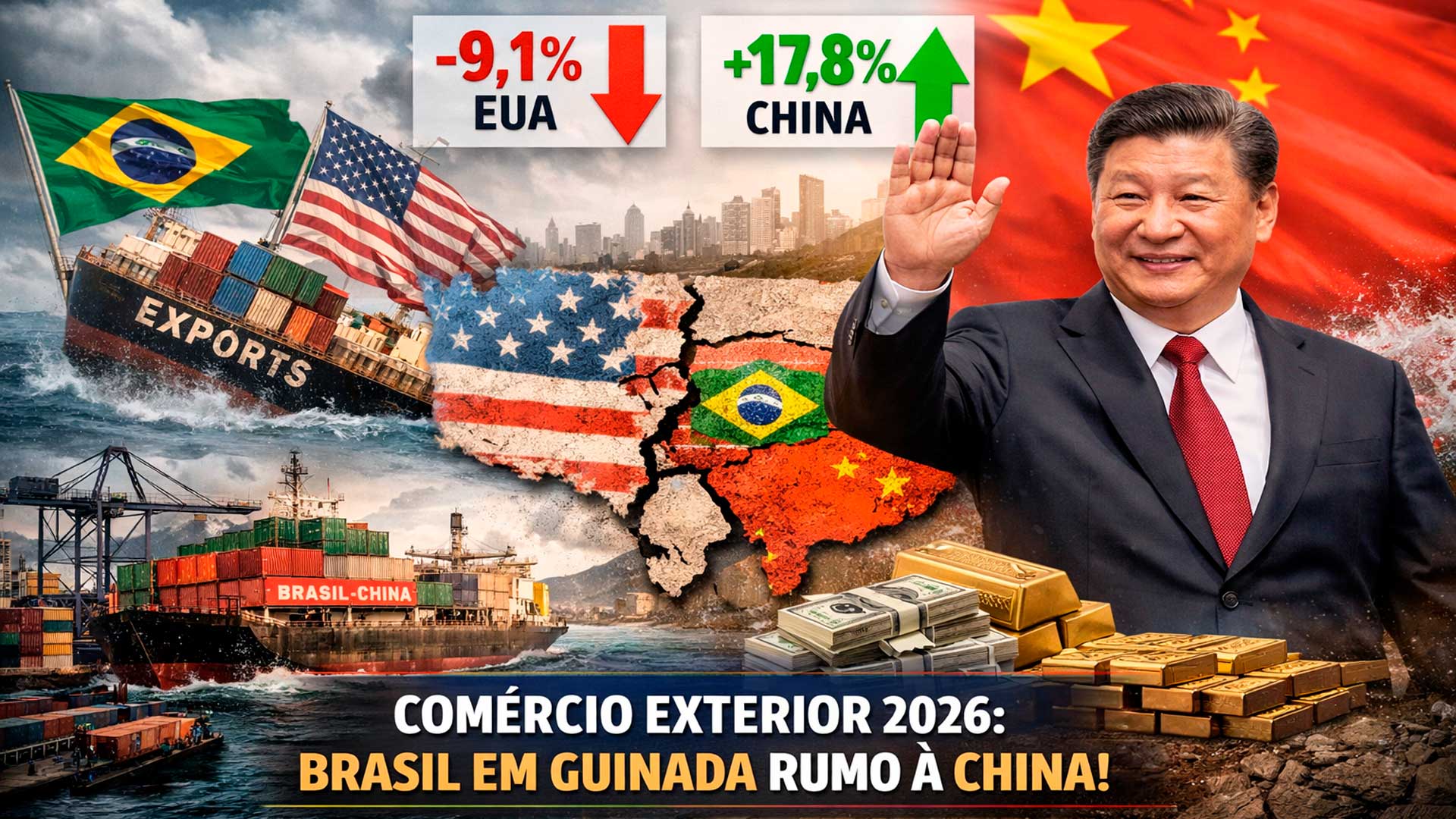
Brazil’s exports to the U.S. plunge for the eighth consecutive time, while China expands its leadership, and this is changing the landscape of foreign trade in 2026.
-
The Federal Government wants to curb family indebtedness and is considering releasing FGTS with a renegotiation that could cut up to 80% of debts for families and individual micro-entrepreneurs (MEIs).

-
‘Theory of the Madman’ is the strategy that explains why Trump threatened to end Iran and hours later offered a two-week truce as if nothing had happened.

-
Oil secures a larger drop, exports advance in March, and Brazil ends the month with a surplus of $6.4 billion despite the strong rise in imports.

According to the president and CEO of ExxonMobil, Darren Woods, “After a thorough assessment of the impacts of pandemic and market conditions, we have worked closely with our business partners to plan and execute capital adjustments that preserve long-term value, maximize cost efficiency, and position us stronger when market conditions improve.”
Just as Petrobras did with oil and gas production, Exxon announced that it is monitoring the market and may announce additional reductions in investments and expenses if necessary.
The company stated that, “The majority of the capital spending reduction will be in the Permian Basin, where short-cycle investments can be more easily adjusted to respond to market conditions, preserving long-term value. Reduced activity will affect the pace of drilling and completion of wells until market conditions improve.”








Seja o primeiro a reagir!