Portuguese
  Spanish


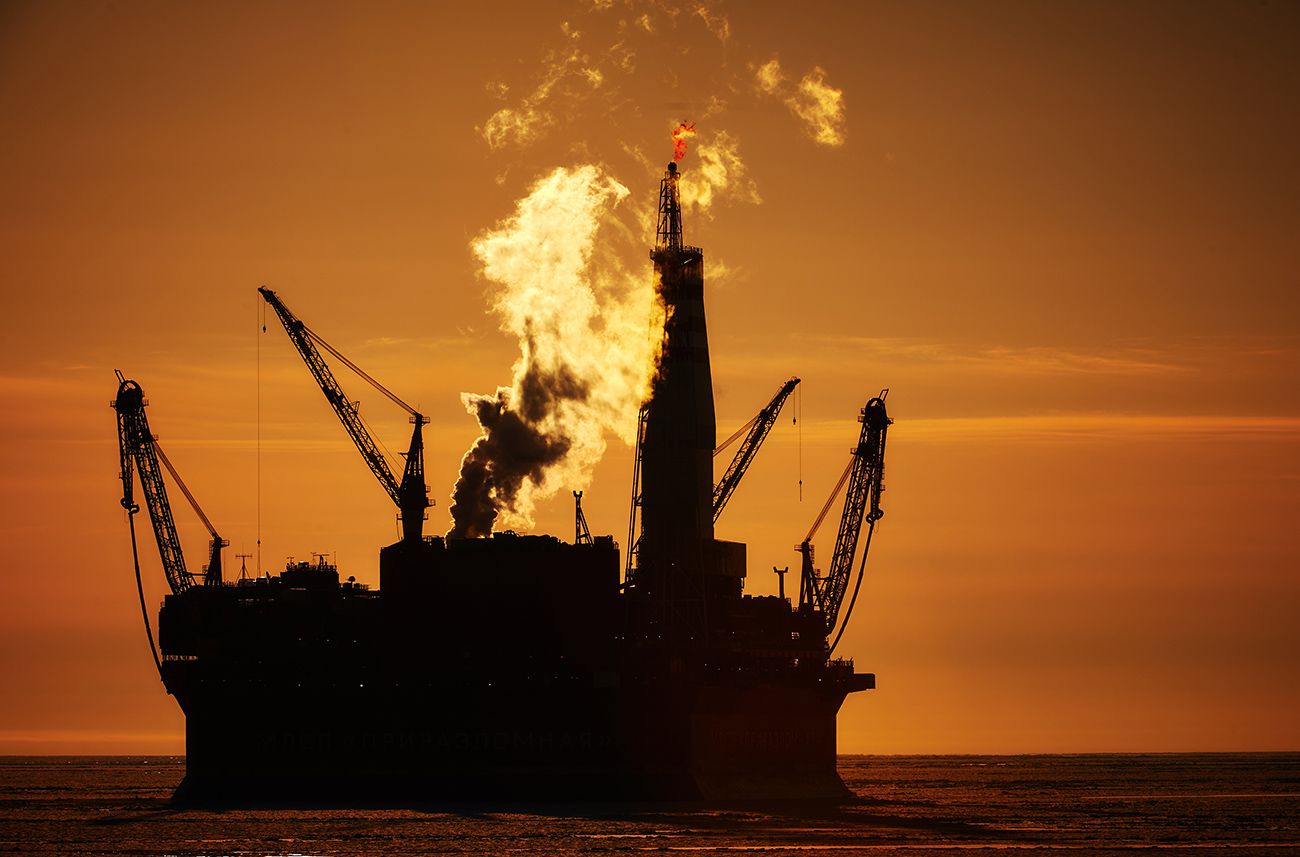

The American oil company ExxonMobil announced, like other companies, that it will make cuts for the year 2020. The current situation, with the drop in the price of a barrel of oil associated with lower demand due to the Covid-19 pandemic, has led the company to reduce its total investment for the year by 30%, from US$ 33 billion previously expected to US$ 23 billion.
The company also announced that it will reduce its cash operating expenses by 15%, which will be driven by deliberate actions to increase efficiency, cut costs, and include the expected lower energy costs.
-
At 14 years old, she worked in a factory in Hong Kong, studied economics abroad, and then entered the Chinese real estate market, which helped change the landscape of Beijing.

-
While NATO secured more than $10 billion in missiles and space surveillance at a single forum, Brazil still spends 1.1% of its GDP on defense and is stalling its own anti-aircraft system.

-
Corn ethanol attracts R$ 23 billion in 21 new plants and prepares for a nearly 50% jump in Brazilian production by 2027, even with high interest rates.
-
A newly opened terminal in the middle of the Amazon has begun transporting soy and corn through Amapá, eyeing the queue of ships that is congesting the ports in the South.


According to the president and CEO of ExxonMobil, Darren Woods, “After a thorough assessment of the impacts of pandemic and market conditions, we have worked closely with our business partners to plan and execute capital adjustments that preserve long-term value, maximize cost efficiency, and position us stronger when market conditions improve.”
Just as Petrobras did with oil and gas production, Exxon announced that it is monitoring the market and may announce additional reductions in investments and expenses if necessary.
The company stated that, “The majority of the capital spending reduction will be in the Permian Basin, where short-cycle investments can be more easily adjusted to respond to market conditions, preserving long-term value. Reduced activity will affect the pace of drilling and completion of wells until market conditions improve.”