





 English
  Francês
  Alemão
  Italiano
  Japonês
  Norueguês
  Portuguese
  Spanish
  3 min of reading


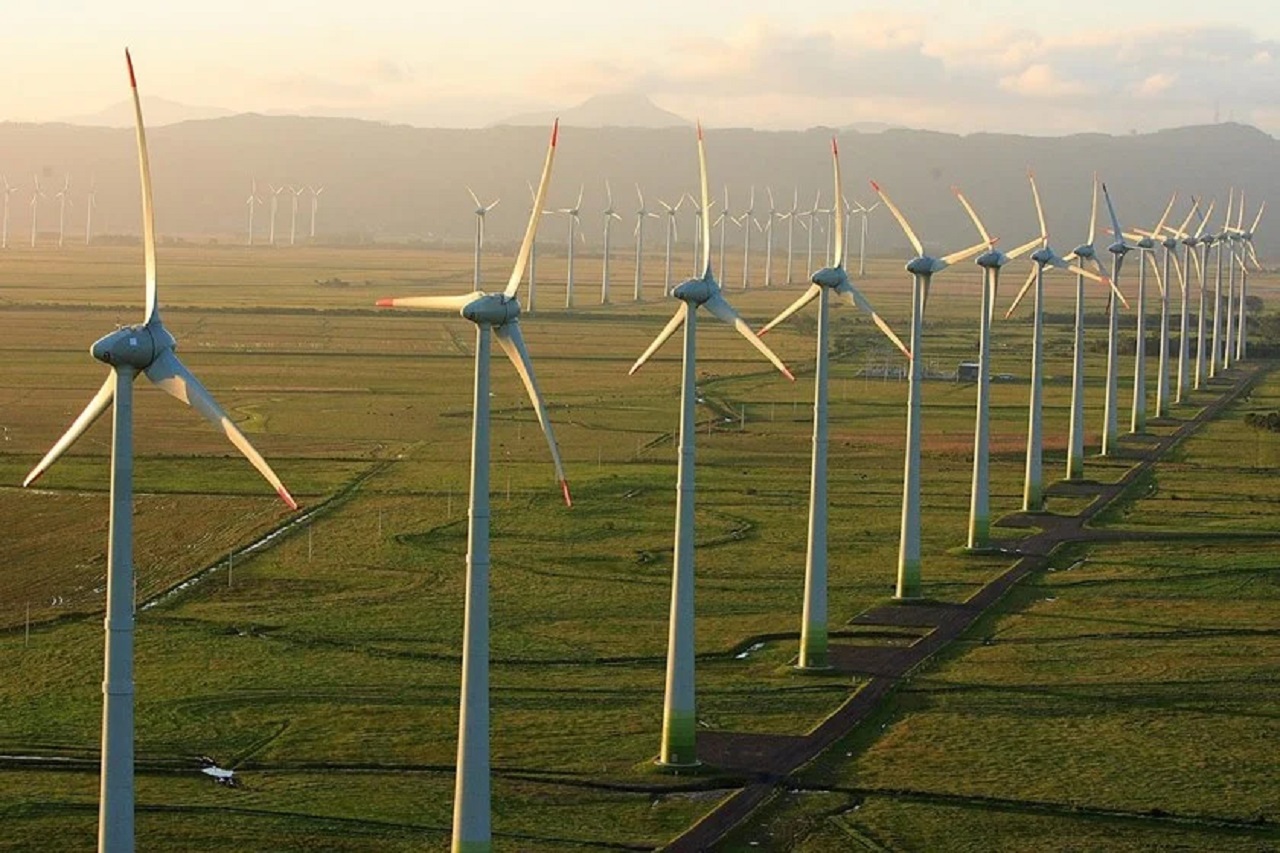
A Report from the Global Wind Energy Council Shows That Brazil Has Moved Up to Sixth Place in the International Ranking of Onshore Wind Energy Production. Learn More About the Topic.
In July 2022, the wind energy in Brazil reached a total of 22 gigawatts (GW) of installed capacity, enough to supply 28.8 million homes per month. This is equivalent to 20 cities the size of São Paulo. According to the Brazilian Wind Energy Association (ABEEólica), the sector represents 12% of the country’s electric matrix, with 812 wind farms distributed across 12 states and 9,294 wind turbines in operation. Just in June, Brazil saw an increase of 165.6 megawatts (MW) in its electric matrix, according to the National Electric Energy Agency (Aneel). Of the total, more than half (87.6 MW) comes from wind farms.
Wind Energy and Development


The latest data from the ABEEólica shows that from 2011 to 2022, the construction of wind farms generated nearly 196,000 jobs, averaging 10.7 jobs per MW installed. Additionally, each R$ 1.00 invested in wind farms increased GDP by about R$ 2.90.
The Director of Institutional Relations at the National Industry Confederation (CNI), Mônica Messenberg, highlights the progress: “The expansion of wind farms brings not only job and income generation but also technological innovation, the development of new business models, and other facilities that should improve the competitiveness of the Brazilian industry.”
-
With 160,000 m² of collectors, an area larger than 20 football fields, Silkeborg, in Denmark, hosts a solar thermal plant that heats 19,500 homes and could become the largest solar heating plant in the world.

-
A study reveals the expansion of renewable energy procurement in Brazil and shows how companies are taking advantage of opportunities to reduce expenses, ensure energy efficiency, and strengthen strategic environmental commitments.

-
Mato Grosso do Sul excels in the sugar-energy sector: the state reaches a milestone of 22 operating mills and accelerates the production of clean energy in MS with a focus on sustainability.

-
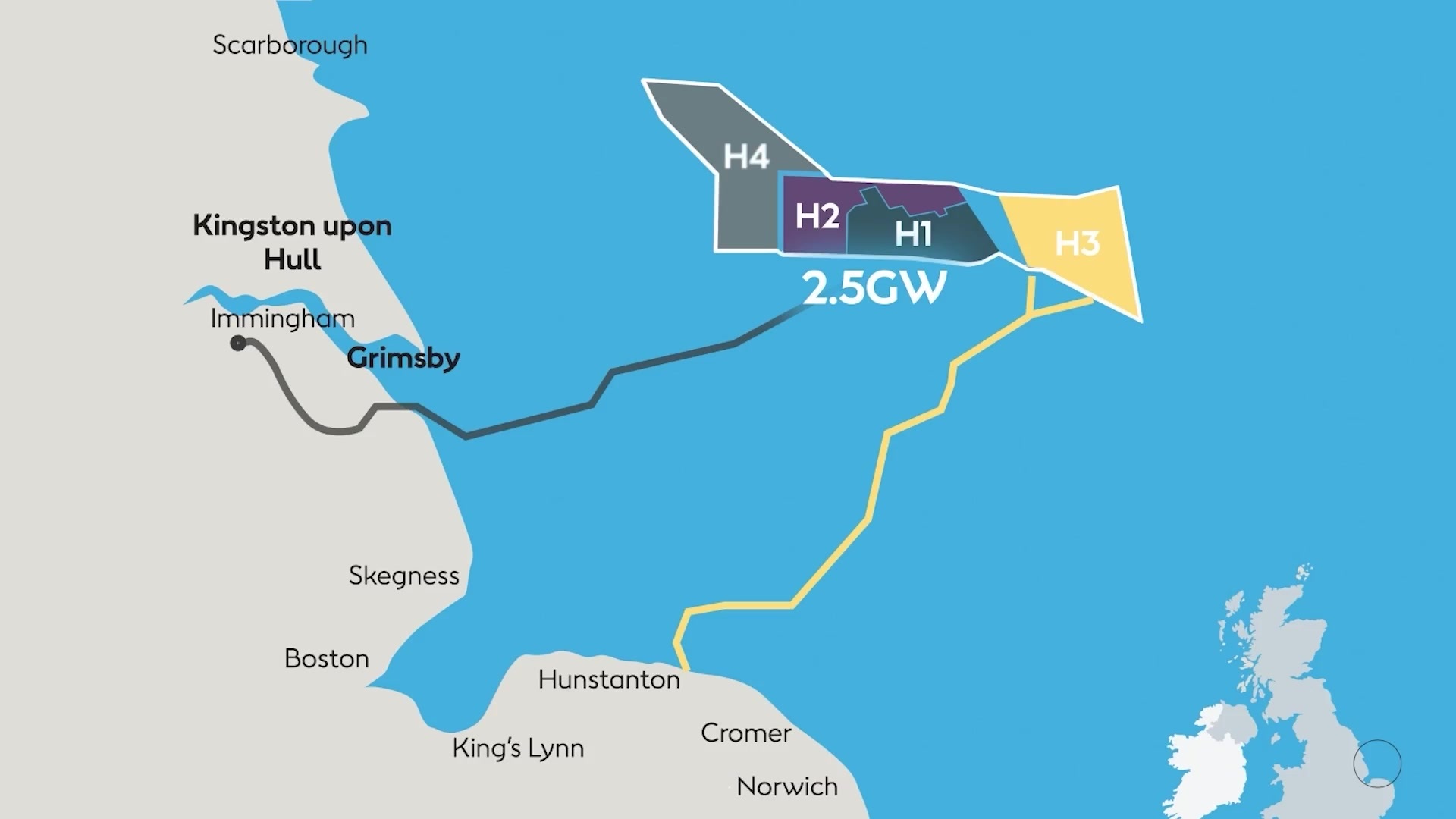
231 turbines of 260 meters at 160 km from the coast, monopiles weighing as much as nine blue whales embedded in the North Sea, and a crane ship taller than the Eiffel Tower: Hornsea 3 will be the largest offshore wind farm on the planet by 2027, and its first components have already arrived in England.
According to ABEEólica, since the installation of wind farms, the real GDP of the municipalities has grown by 21.15%, and the Municipal Human Development Index (IDHM) has increased by 20%.
Investment and Expansion of Wind Energy
ABEEólica estimates that the installed capacity of wind energy could reach 37.09 GW by 2026. For Sandro Yamamoto, the sector could exceed 12% of the Brazilian electric matrix.
“Today we have 800 plants installed, with another 400 planned for installation over the next 4 years, in addition to new technologies. Wind energy with storage systems can provide energy 24 hours a day. We just need to advance towards greater competitiveness in terms of storage. So, there is a lot of room for wind energy to grow in the Brazilian electric matrix.”
Currently, Brazil ranks sixth in the world for installed wind energy capacity. In 2012, the country ranked 15th. According to Sandro Yamamoto, investments in Brazil have increased in recent years.
“In 2021, approximately US$ 5 billion were invested in wind energy in Brazil, accounting for 44% of all investments in renewable energy in the country, which caused Brazil to surpass France last year. And we were the third country that installed the most wind farms last year. We are ahead of many countries in terms of renewable electricity generation, but investment must continue.”
Sandro Yamamoto Highlights the Two Main Reasons for the Increase in Wind Generation in Brazil
The technical director of the association, Sandro Yamamoto, highlights the two main reasons for the increase in wind generation in Brazil: the quality of Brazilian wind and competitive prices.
“Brazil is blessed with the quality of its winds, especially in the Northeast region. These are very strong winds that do not change direction, allowing us to have the best winds in the world. Thus, the plants installed in Brazil generate much more energy than those installed in other countries. This means that the price of energy sold by wind farms is also competitive.”
According to Mônica Messenberg, Brazil has already achieved the desired global energy transition, as 85% of the Brazilian electric matrix is composed of renewable energies, while the global average is only 30%.






Seja o primeiro a reagir!