Portuguese
  Spanish


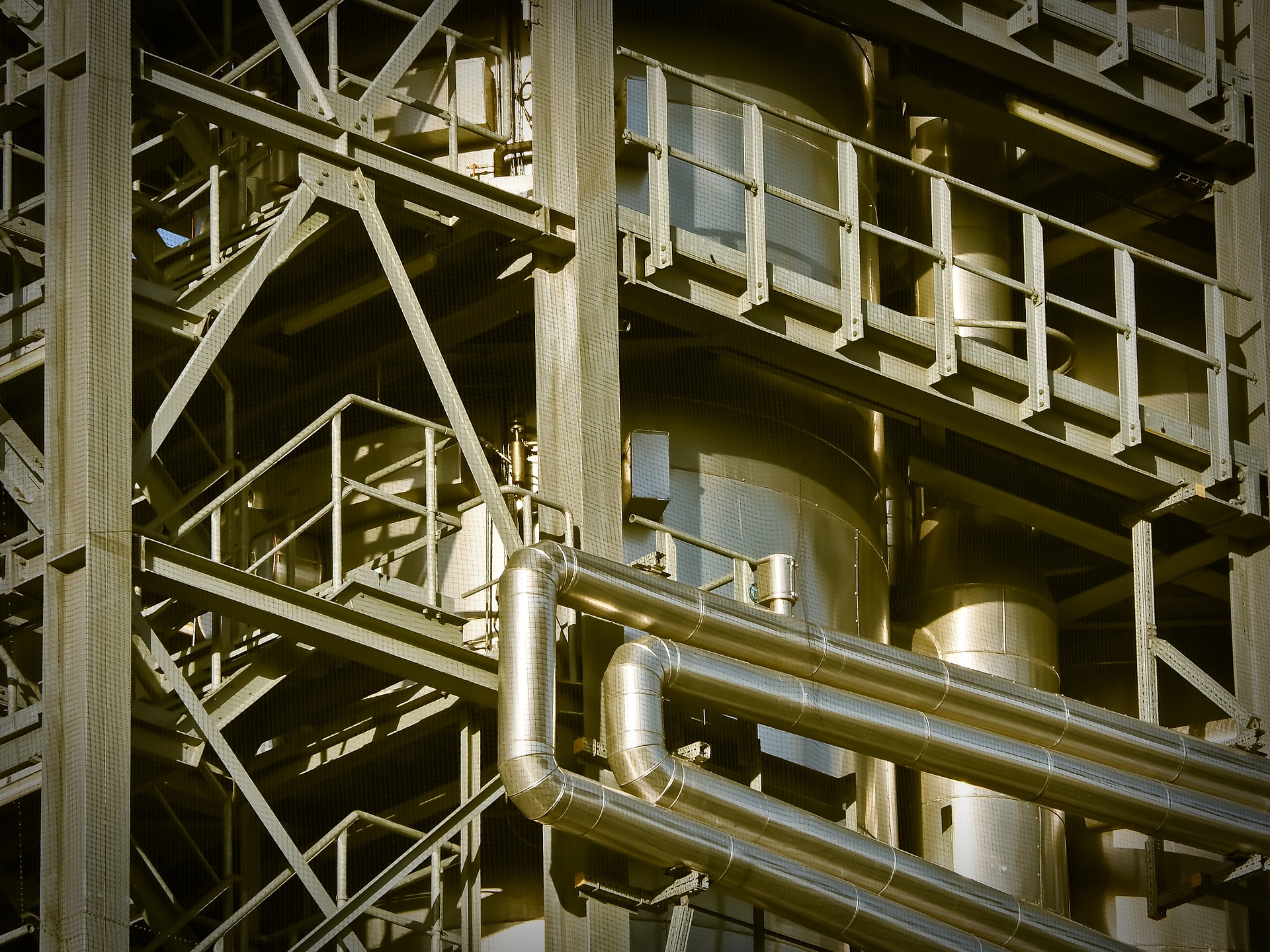

ArcelorMittal, a multinational headquartered in Belo Horizonte, Minas Gerais (MG), entered into a partnership with RWE, a German company, for the creation of offshore wind farms for energy development and use of green hydrogen to reduce CO2 emissions in the environment. Thus, both companies will be able to produce steel with low carbon dioxide emissions in Germany. Depending on the results, if they are viable and sustainable in the long term, the multinational may expand its portfolio to Latin America.
The memorandum signed this week is historic for boosting the production of zero carbon steel with green hydrogen in Europe. The goal of both institutions is to increase this offshore market by 2030, a deadline many countries have to present coherent data on the Paris Agreement and emission reductions for climate control and global effect. ArcelorMittal, along with RWE, stated that it needs renewable energy on a large scale to decarbonize some metal production sites, especially those located in Bremen, Hamburg, Eisenhüttenstadt, and Duisburg.
Both companies are also considering the possibility of opening more tenders to work together on offshore in the North Sea, to have space for large-scale production and thus partner with other companies in the sector that wish to operate in an environmentally friendly manner. According to both brands, the “Wind Energy at Sea Act” (WindSeeG) could shape the entire branch and trajectory of the German offshore sector; public investments from the government are essential.
Competitive Prices in Electricity, Use of Green Hydrogen, and Partnership Between ArcelorMittal and RWE


According to ArcelorMittal and RWE, competitiveness in energy use is a way to ensure that there will be no inflation peaks in the sector. This is because, when relying on monopolies, whenever an increase is needed due to scarcity, everyone must suffer without the prospect of switching to another energy brand. It is precisely because of this near-global monopoly that many developing countries, during crises with water or raw material shortages, suffer from high inflation exceeding double digits.
-
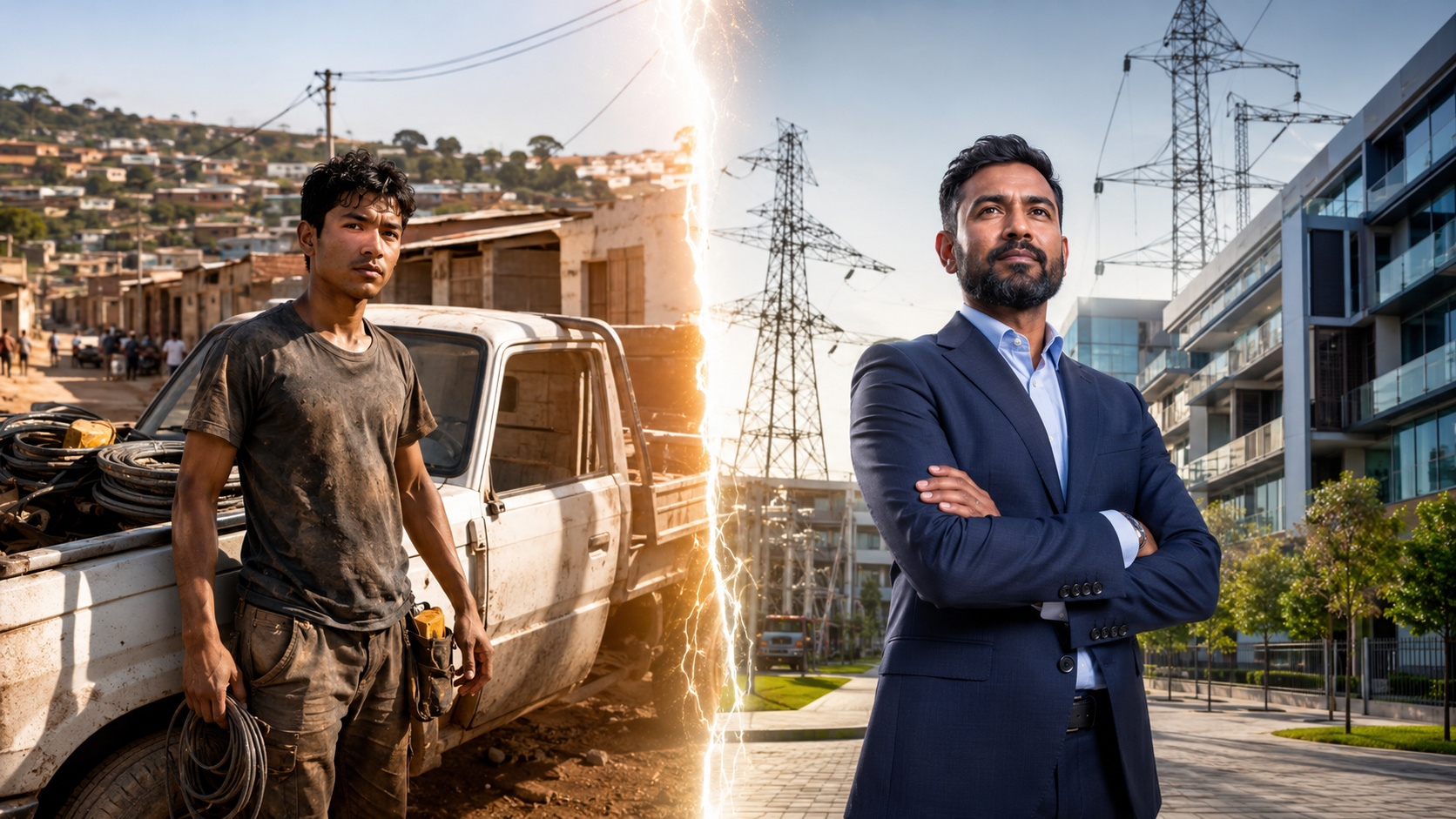
Fired during apartheid and with a little borrowed money, an electrician started with a borrowed truck and transformed electrical services into a group connected to energy, real estate, and infrastructure in South Africa.

-
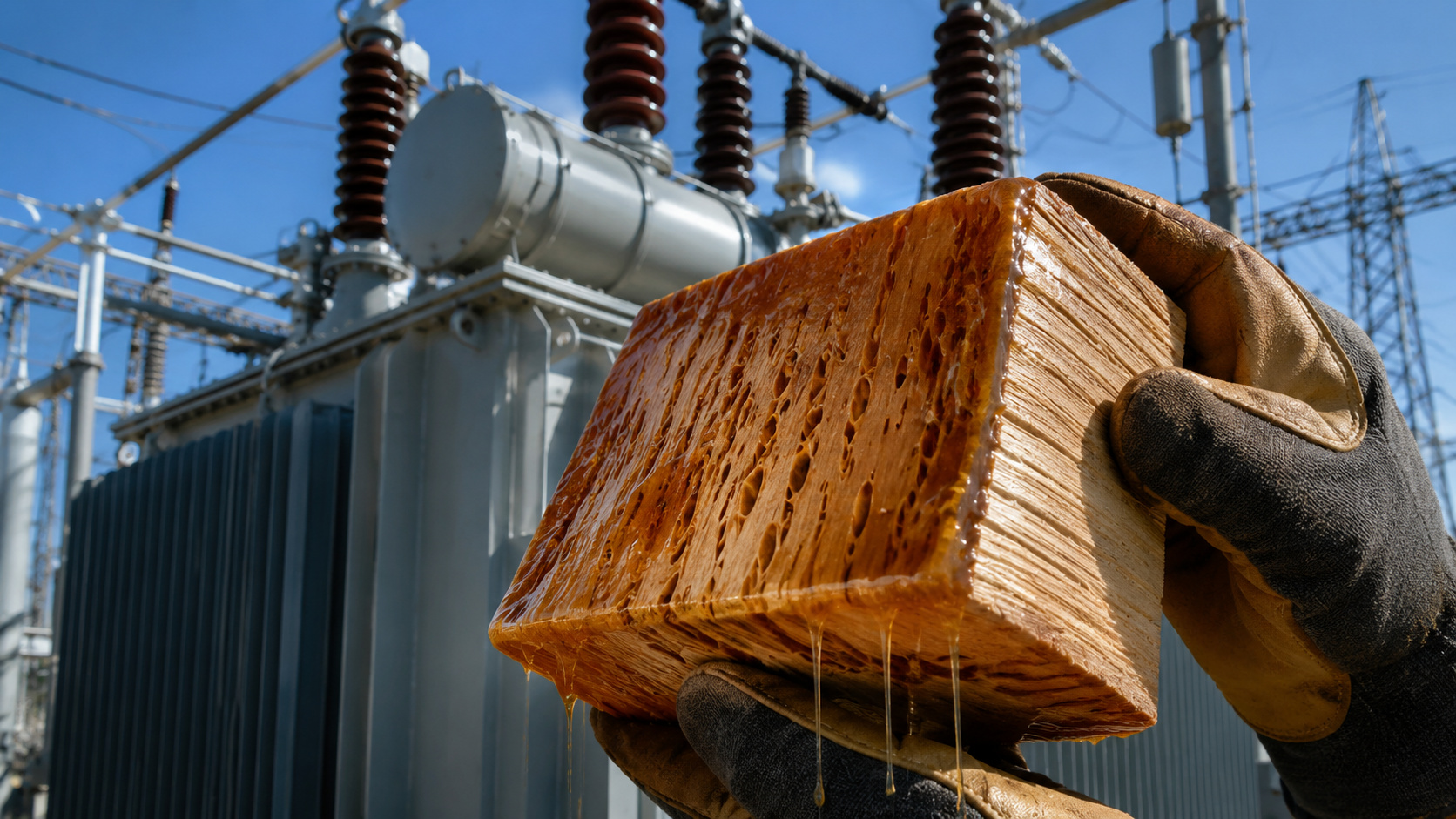
Wood has ceased to be just a construction material in Yale research and has become insulation for electrical transformers that face intense heat, aging, and increasing pressure from the renewable energy-powered grid.
-
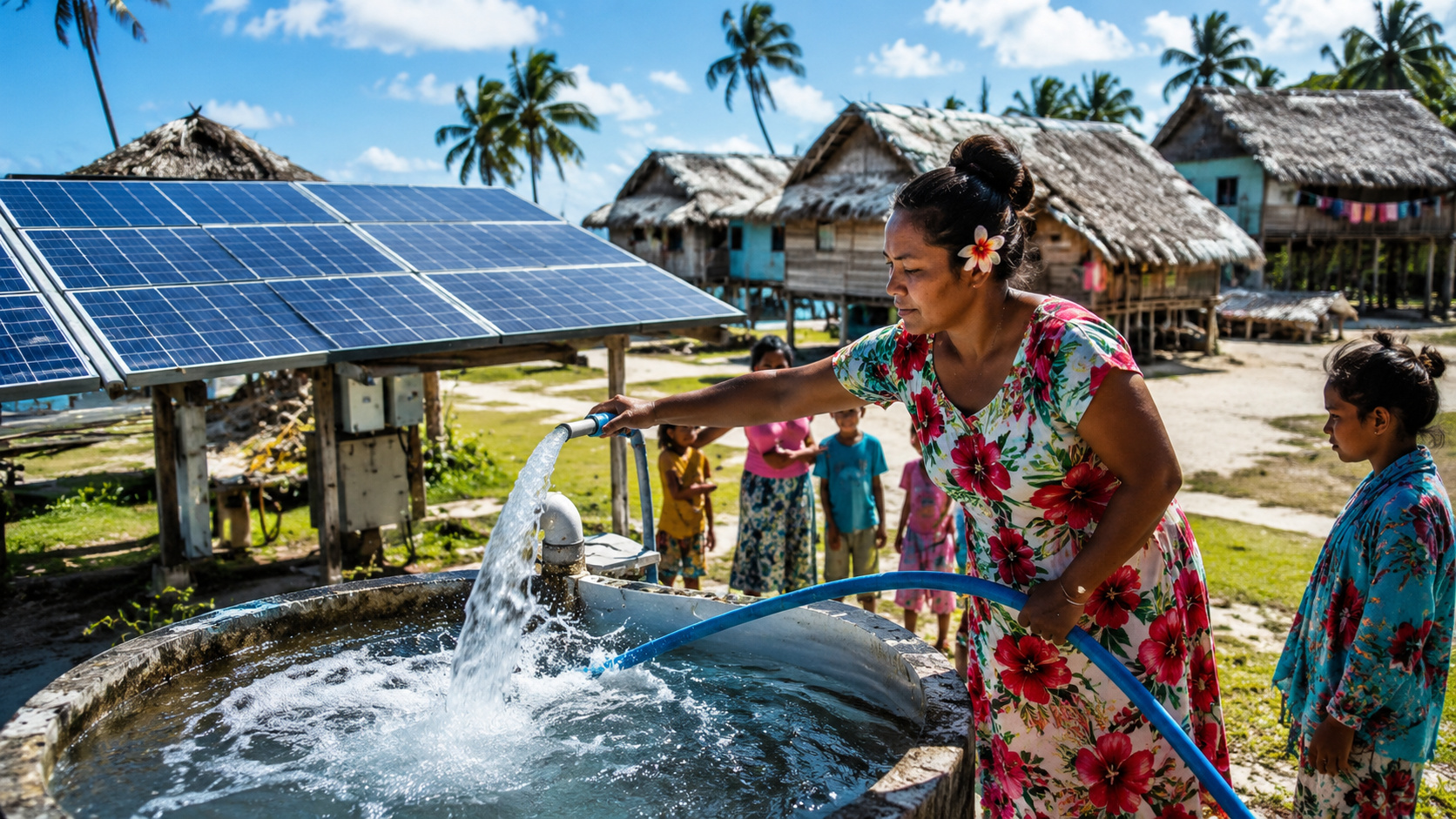
More than 1,000 residents of a remote island in Kiribati now have clean water and electricity with solar systems operated by the community itself.
-
They exchanged the idea of a large house for a 35 m² warehouse, spent US$ 12,000 on the structure, and created a tiny house in Colorado with space to live and work.

Green Hydrogen and Electrolysis Plants
The two institutions stated that they are looking for plants to carry out the hydrolysis and electrolysis process for the production of green hydrogen. Currently, this category of energy is not only pioneering in the steel sector but also in aviation. It was reported on Wednesday, June 22, that companies are developing an aircraft engine that runs 100% on green hydrogen. According to Airbus, responsible for investments alongside Cantar, the first presentation of this development is expected to take place in 2023, in Australia. Moreover, mining will also generally use this technology to automate processes.
Production of 70 MW
The first facility is located in Bremen and Eisenhüttenstadt and is expected to achieve a production of at least 70 MW by 2026. The intention to increase production in the long term is clear; however, it is still subject to public funding and low interest rates. If the institutions need to turn to banks, they would have to pay high fees, making the investment unfeasible.
“Electricity from renewable energies and green hydrogen should become the trademark of industrial production in Germany”, Sven Utermöhlen, CEO Offshore Wind, RWE Renewables.