





 Portuguese
  English
  Spanish
  3 min of reading
  0 comments


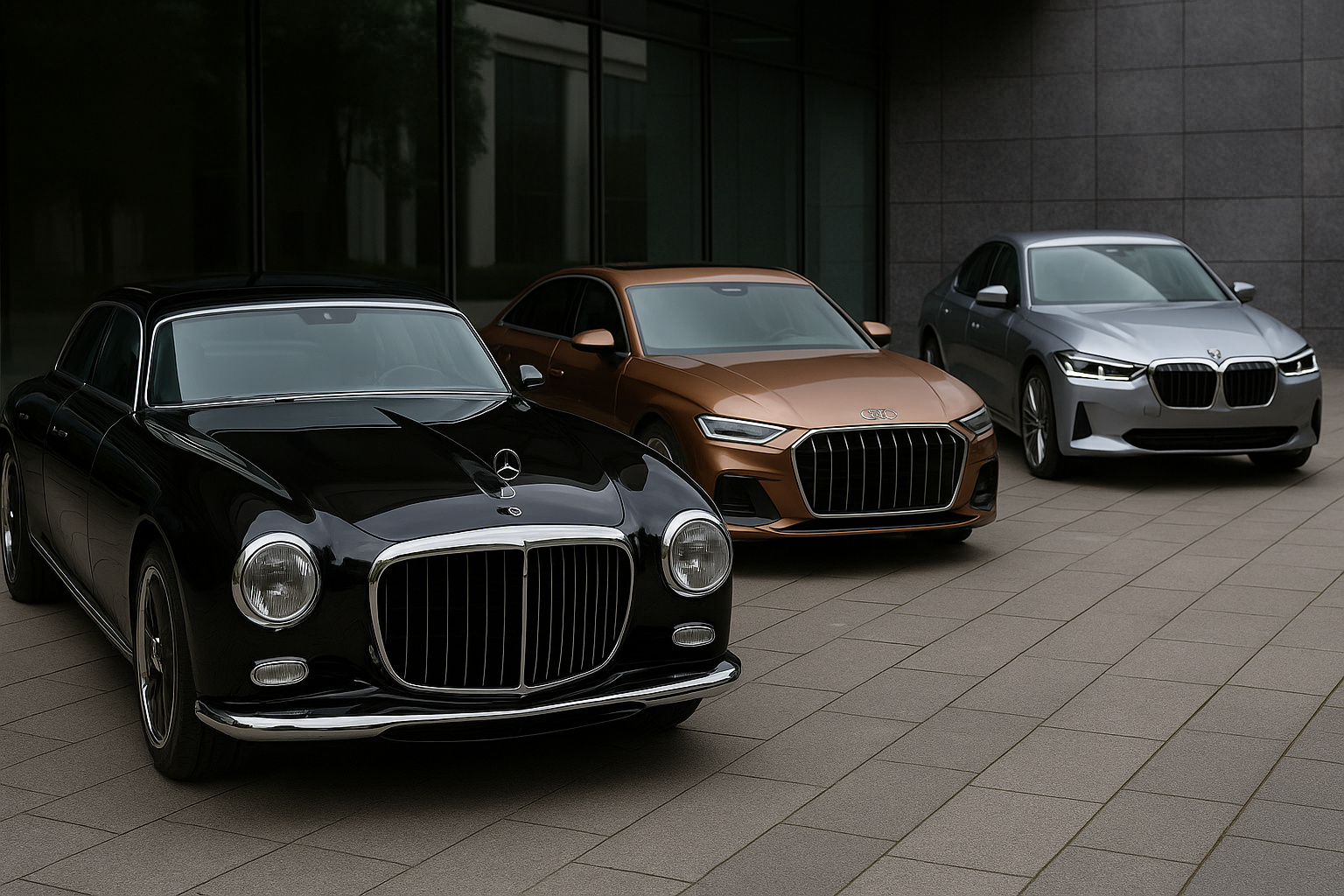
German Automakers Revisit The Past To Strengthen Identity And Turn Nostalgia Into Strategy For The Future Of Luxury Electric Cars
In 2025, the legendary Mercedes-Benz, Audi and BMW decided to revisit their design roots. In the face of rapid changes in the automotive sector, geopolitical tensions, and the electric transition, the German premium brands saw in the past a source of stability, elegance, and confidence. Thus, what once seemed like nostalgia became brand strategy and aesthetic innovation.
Mercedes-Benz Vision Iconic Revives The Luxury Of The 1950s
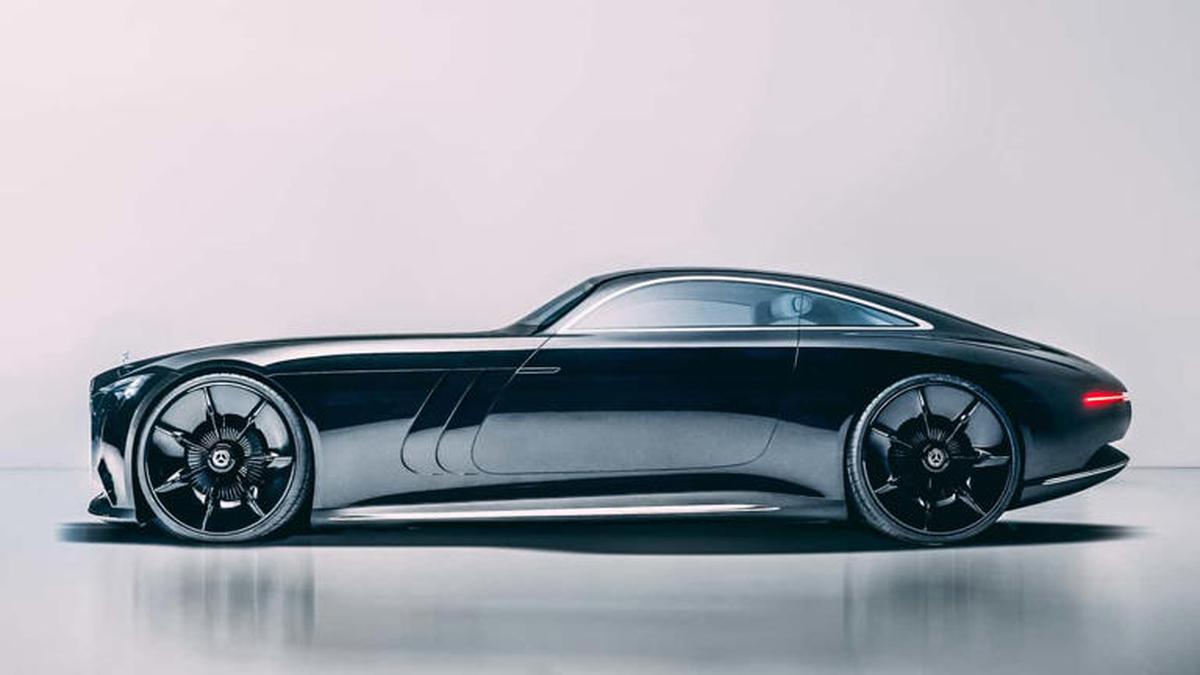
Unveiled in October 2025, during the Shanghai International Auto Show, the Mercedes-Benz Vision Iconic symbolizes the reconciliation between tradition and modernity.
The model features a horizontal chrome grille, round headlights, and elongated silhouette, inspired by the classics 300 SL and Ponton, as Mercedes-Benz AG itself stated.
Moreover, the sculptural body in solid black and the accentuated aerodynamic lines create a contrast between sobriety and technology. According to Gorden Wagener, the brand’s global design chief, “the future must speak the language of the past.”
For Mercedes, reclaiming familiar visual elements offers aesthetic certainty in a transforming world, consolidating rational luxury and formal elegance as symbols of its DNA.
-
The car stored for 38 years: when opening the barn door, what appears is breathtaking and looks like a scene from a movie!

-
Fiat works miracles in the Brazilian market, lowers the price of its 0 km hatch to R$ 69,990, reestablishes the model as the cheapest car in the country, and reignites the battle against Kwid and C3.
-
Chevette with cooking gas: How the gas cylinder ends up being used in cars clandestinely and why this makeshift solution can result in leaks, explosions, damaged engines, and seized vehicles.

-
Fiat launches the new 2027 Toro hybrid with 48V, 176 hp, an electric motor of 15.5 hp, a 0.85 kWh battery, up to 7% fuel savings, 8% fewer emissions, and possible exemption from IPVA.

Audi Concept C Translates Vertical Simplicity Into Electric Sophistication
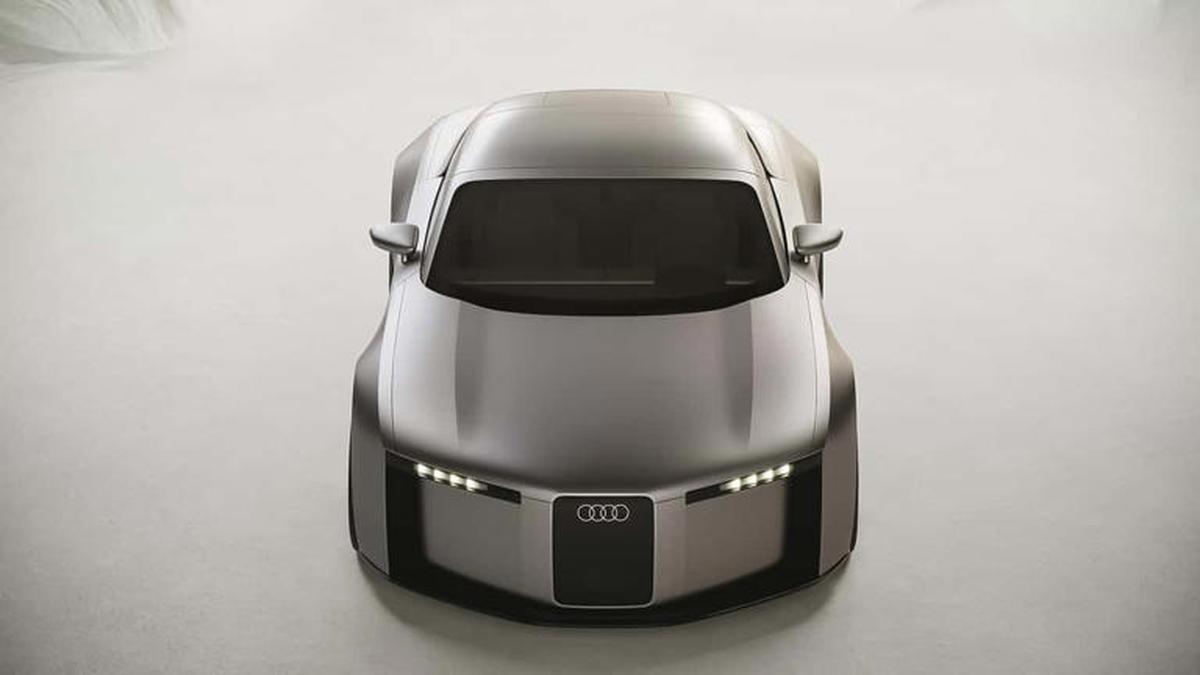
In the previous month, in September 2025, Audi AG unveiled the Concept C in Milano, a milestone of the new “radical simplicity” philosophy led by Massimo Frascella.
The new front end abandons the octagonal shape and returns to a slim and rigorous vertical grille, inspired by the legendary Auto Union Type C from 1936.
According to the Audi Media Center, the concept aims to redefine the past with a modern language, eliminating the superfluous and highlighting pure proportions.
This aesthetic will form the basis of Audi’s new generation of electric vehicles by 2027, combining German precision and minimalist emotion.
The Concept C demonstrates that looking back can be the boldest step towards the future.
BMW iX3 And The Reinvention Of The Historical Double Kidney
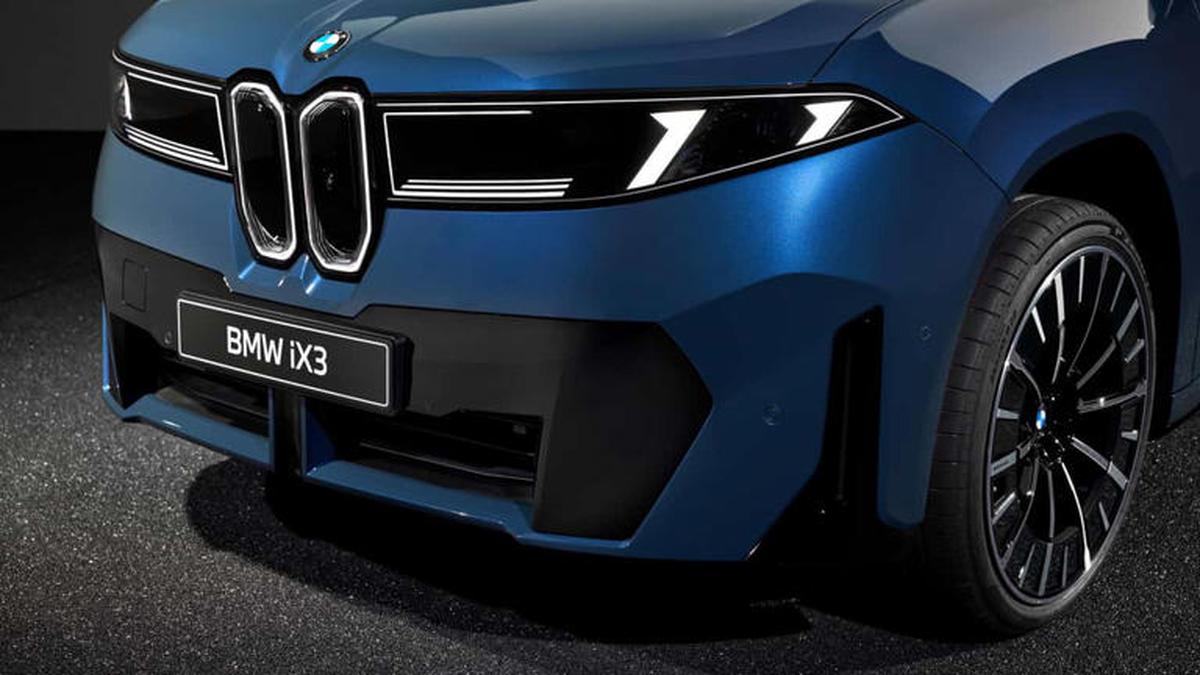
Also in 2025, BMW AG presented the new iX3, an electric SUV that reintroduces the narrow and vertical double kidney, a symbol present in its models since the 1960s.
According to Adrian van Hooydonk, the brand’s design director, the aesthetic of the Neue Klasse translates into “clarity, boldness, and emotion.”
The body combines vertical headlights, clean proportions, and a solid stance, reclaiming the essence of the sports coupes that marked BMW’s visual identity.
Thus, the Bavarian brand unites tradition and innovation in a balance that reinforces the prestige of its technical heritage.
Global Trend: The Past As An Antidote To Uncertainty
According to a Reuters Automotive report from 2025, interest in models inspired by classic designs has grown 18% in Europe since 2023, especially among premium electric car consumers.
This phenomenon reflects an emotional search for recognizable and safe forms, contrasting with the cold aesthetic of the digital age.
Retro design, therefore, is not mere nostalgia, but a way to communicate authenticity and cultural heritage.
While the future demands innovation, the past offers the language of trust — and this has become a competitive advantage in times of technological transition.
Between Tradition And Future: The Soul Of German Design Is Reborn
Although they follow distinct paths, Mercedes, Audi, and BMW share the same purpose: to transform historical legacy into contemporary value.
Mercedes evokes refined emotion, Audi translates radical simplicity, and BMW reinvents sporting tradition.
All, however, converge on one point: aesthetic memory is the new fuel of modernity.
In an increasingly automated industry, human and historical design once again inspires emotion, identity, and belonging.
In light of this, does the future of the automobile really belong only to technology — or also to the memory it evokes?








Seja o primeiro a reagir!