





 Portuguese
  English
  Spanish
  6 min of reading
  0 comments


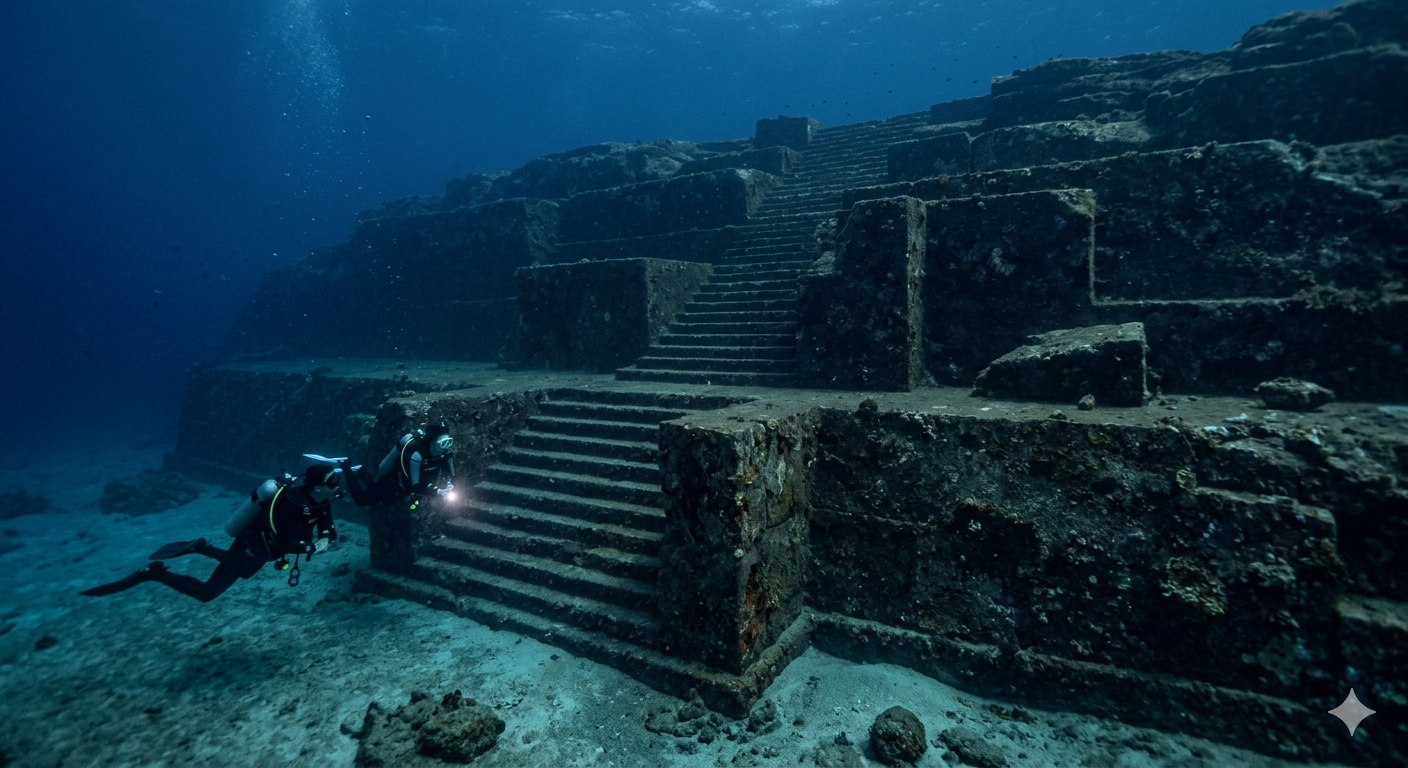
Discovered in 1986 in Japan, the Yonaguni Monument has giant steps and right angles on the sea floor and divides scientists between an ancient ruin or geological formation.
In 1986, a Japanese diver named Kihachiro Aratake was exploring the waters near Yonaguni, in the southwestern tip of the Japanese archipelago, when he found something that would completely change how that region would be studied by geologists and archaeologists — a discovery that would later be analyzed in academic studies and reports published by outlets such as National Geographic, G1 and by researchers from the University of Ryukyus, in Okinawa. Yonaguni is part of Okinawa Prefecture, an area known for its clear waters and the presence of hammerhead sharks that attract divers from all over the world. Aratake was searching for new diving spots for tourists when he noticed something unusual on the sea floor.
At a depth of 5 to 25 meters, he observed a massive stone structure that appeared to have giant steps, rectangular platforms, and walls with surprisingly straight angles. What initially seemed like just a geological curiosity quickly transformed into one of the most intriguing debates in modern archaeology and marine geology.
The Impressive Size of the Submerged Structure
After the initial discovery, researchers and divers began mapping the formation. What they found impressed even experts accustomed to exploring underwater structures.
-
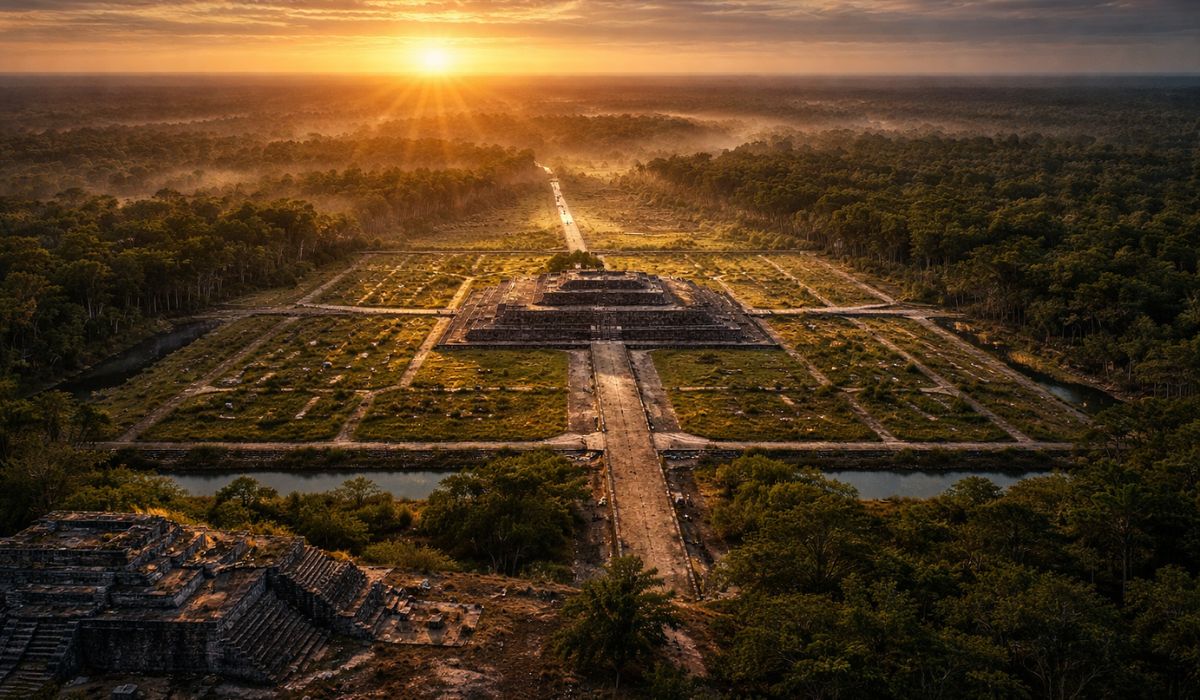
In Mexico, a 3,000-year-old Maya site with the dimensions of an entire city may have been built as a colossal map of the cosmos, created to represent the order of the universe and reveal how this people organized space, time, and rituals.
-
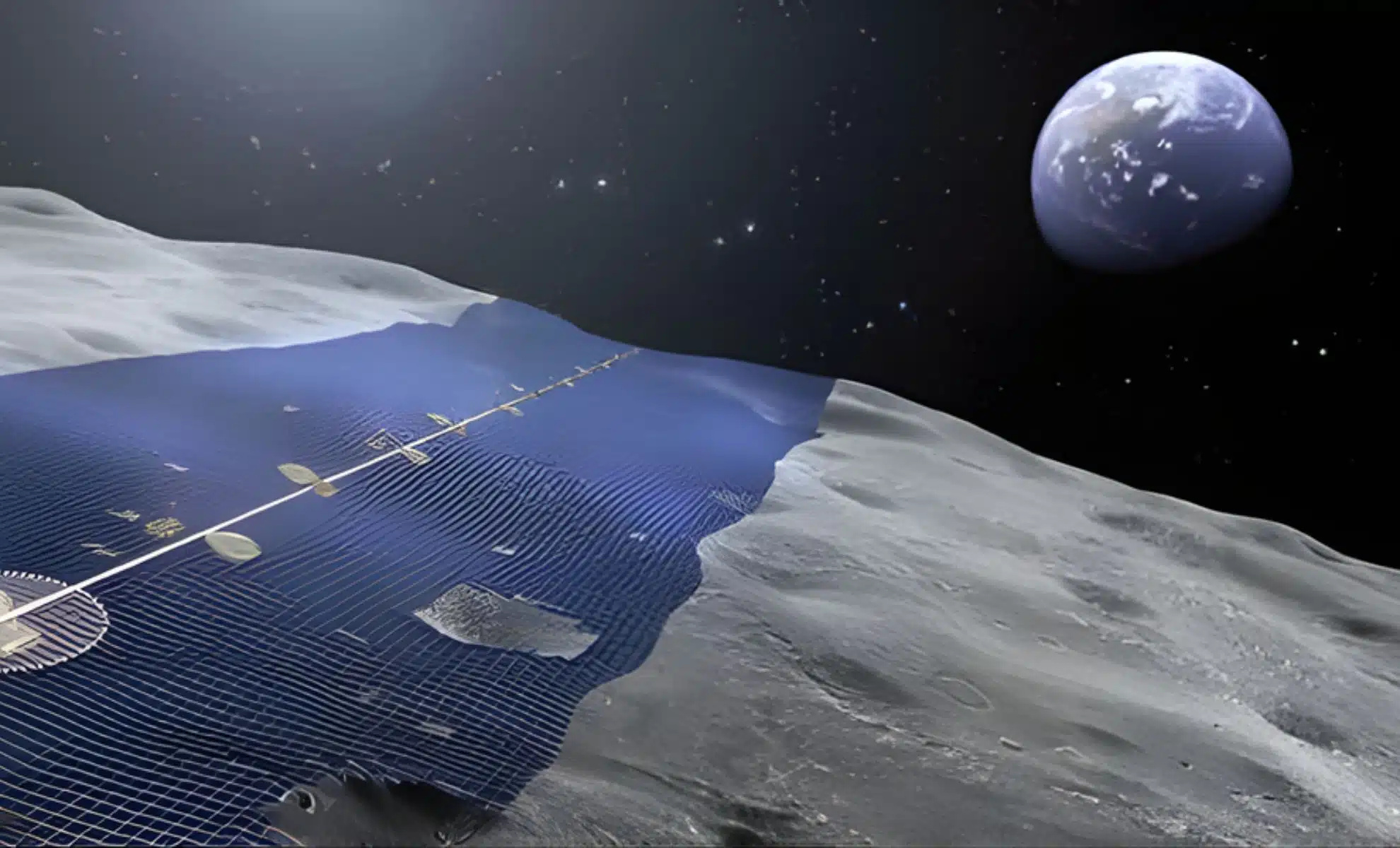
Japan wants to build a solar ring of 10,900 kilometers on the Moon to continuously send energy to Earth.
-
Weighing almost 1 ton, with temperatures of up to 3,000°C, the ability to launch 10,000 fragments within a radius of 1 km, capable of penetrating concrete and melting steel, Turkey’s terrifying bomb emerges as one of the most destructive non-nuclear weapons ever presented.

-
After a submarine disappeared beneath the “Doomsday Glacier,” scientists announce a new monstrous machine capable of operating at 3,000 meters depth to return to the heart of the ice and investigate a threat that could raise sea levels worldwide.


The so-called Yonaguni Monument measures approximately:
- 100 meters long
- 60 meters wide
- 25 meters high
The main structure resembles a gigantic stepped pyramid, with terraced levels descending towards the sea floor.
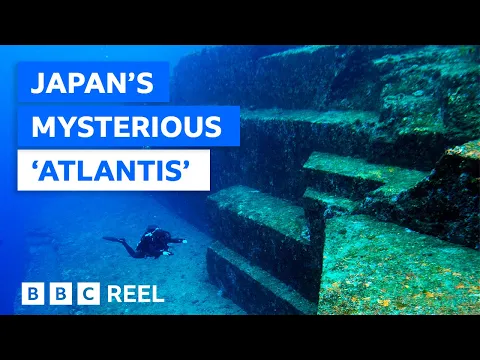

Some of these steps are several meters high and wide, forming flat surfaces that resemble platforms or monumental stairways.
Moreover, several parts of the formation present angles close to 90 degrees, something typically associated with artificial constructions. These characteristics have led many divers to describe the site as a kind of “submerged city” or “underwater pyramid”.
The Geometric Formations That Sparked the Scientific Debate
What truly placed the Yonaguni Monument at the center of scientific discussions were the apparently very precise geometric shapes observed in various parts of the structure.
Among the elements most cited by researchers are:
- long and flat steps
- rectangular platforms
- relatively smooth vertical walls
- almost right angles between stone blocks
- structures resembling stairs or ramps
In some areas, the terraces seem to form successive levels, creating the impression that the structure was built in layers.
These characteristics led some experts to suggest that the formation could be a monument built by an ancient civilization, subsequently submerged by rising sea levels after the last Ice Age. However, this hypothesis remains highly controversial.
The Theory of an Ancient Submerged Civilization
One of the primary advocates for the idea that the Yonaguni Monument may have artificial origins is the Japanese marine geologist Masaaki Kimura from the University of Ryukyus. Kimura has studied the structure for decades and argues that certain characteristics of the formation are difficult to explain solely through natural processes.
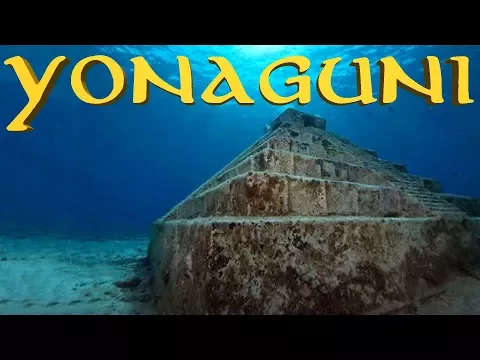
Among the points he highlights are:
- the presence of perfectly aligned terraces
- consistent geometric angles
- surfaces seemingly cut flat
- structures that resemble staircases
Kimura even suggested that the formation could be part of an ancient submerged city, built thousands of years ago, before sea levels rose at the end of the last Ice Age. According to this hypothesis, the structure could have been built around 10,000 years ago, when sea levels were significantly lower.
This scenario would open up the possibility that ancient civilizations existed in the region long before the first known societies in Japan.
The Hypothesis of the Natural Formation Defended by Geologists
Despite the popularity of the theory of a submerged civilization, most geologists believe that the Yonaguni Monument is the result of natural sedimentary rock formation processes. One of the primary defenders of this interpretation is American geologist Robert Schoch, known for his studies on geological formations and ancient structures.
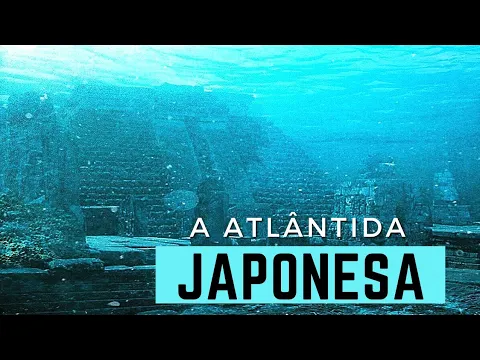
According to Schoch, the formation is primarily composed of sandstone and siltstone, types of sedimentary rock that often display natural fractures in straight lines. These fractures can occur due to geological processes such as:
- tectonic movements
- earthquakes
- marine erosion
- natural fractures in the rock
When these rocks break along natural planes of weakness, they can form blocks with relatively flat surfaces and angles close to 90 degrees. In coastal environments subject to strong seismic activity — like the Okinawa region — these fractures can create surprisingly geometric shapes.
The Role of Earthquakes in the Formation of the Structure
The area where the Yonaguni Monument is located is in a geologically active region, near the junction of several tectonic plates. This tectonic activity generates frequent earthquakes that can fracture layers of sedimentary rock.
When these fractures occur in stratified rocks like sandstone and siltstone, they can create flat surfaces and blocks with relatively regular shapes.
Over time, the action of ocean currents and erosion can remove parts of the surrounding material, leaving stepped structures that resemble steps or platforms. According to this interpretation, the artificial appearance of the Yonaguni Monument would be the result of a combination of:
- natural geological fractures
- marine erosion
- partial collapse of rock layers
The Dating of the Coral Found in the Structure
One of the few concrete pieces of evidence used to try to determine the age of the formation came from the analysis of corals found attached to the structure.
These corals were dated to approximately 2,000 to 3,000 years, indicating that parts of the formation have been submerged for at least that long.
However, this dating does not determine when the original structure formed, as the corals may have attached themselves long after the rock formation was created. For this reason, the exact age of the Yonaguni Monument remains an open question.
Why Japan Does Not Recognize Yonaguni as an Archaeological Site
Despite the huge public interest and the popularity of the site among divers, the Japanese government does not officially recognize the Yonaguni Monument as an archaeological site.
This is because no clear evidence of human activity has been found, such as tools, artifacts, or inscriptions that confirm the presence of an ancient civilization at the site.
Without this type of evidence, most specialists consider it more prudent to classify the structure as a natural geological formation until more concrete proof is found.
Yonaguni Has Become One of the Most Famous Diving Sites in Japan
Regardless of the structure’s origin, the Yonaguni Monument has become one of the most famous diving destinations in Japan. Divers from all over the world visit the island to explore the submerged formation and observe its impressive platforms and giant steps up close.
The region is also known for the presence of large schools of hammerhead sharks, which frequently appear in the waters near the island during winter.
This combination of abundant marine life and a possible archaeological mystery has transformed Yonaguni into a unique tourist attraction.
One of the Greatest Enigmas of Submarine Archaeology
Almost four decades after its discovery, the Yonaguni Monument remains one of the most intriguing cases in archaeology and submarine geology.
On one side, there are researchers who believe that the structure may represent the remains of an ancient submerged civilization. On the other, geologists argue that all observed characteristics can be explained by natural processes. To this day, neither interpretation has been able to provide definitive evidence capable of settling the debate.
While new research does not bring more conclusive answers, the Yonaguni Monument remains one of the great mysteries hidden in the depths of the ocean, reminding us that there is still much to discover about the geological and human history of our planet.







-

Uma pessoa reagiu a isso.