





 Portuguese
  English
  Spanish
 3 min of reading


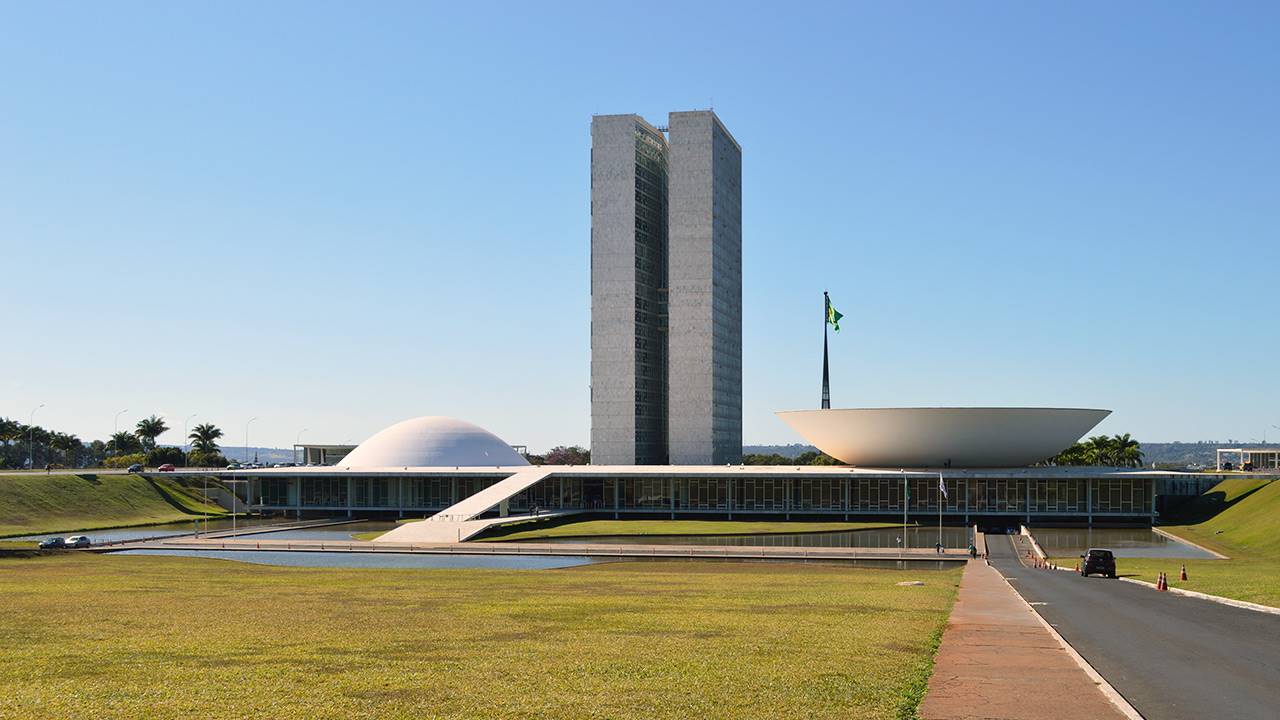
The MME Issued a Note Stating That the Operation of Refineries and Distribution Bases Will Continue Processing and That It Will Not Affect Fuels
The Ministry of Mines and Energy (MME) says it will ensure the national fuel supply to consumers, according to a note released on Sunday (8).
Following the invasion of the Three Powers, located in Brasília, Petrobras received threats of attacks on its facilities, including the Reduc and Repar refineries. The state-owned company is therefore intensifying security for fuels.
Silveira states that the unit is closely monitoring the progress of protests at these structures and is coordinating with other ministries and states to ensure supply.
-
The government requests the Federal Revenue Service for a new system to automate the income tax declaration, reducing errors, time, and bureaucracy for millions of Brazilians.

-
Pix in installments, international Pix, and contactless payment without internet: the Central Bank revealed the new features coming to the tool that is already used by almost every adult in Brazil.

-
Mercado Livre has just started selling medications with delivery in up to three hours to your door, and this move could completely change the way Brazilians buy medicines on a daily basis.

-
In Dubai, rising tensions from the war in the Middle East are causing super-rich individuals to leave the Gulf and direct their fortunes to a new financial refuge in Asia.


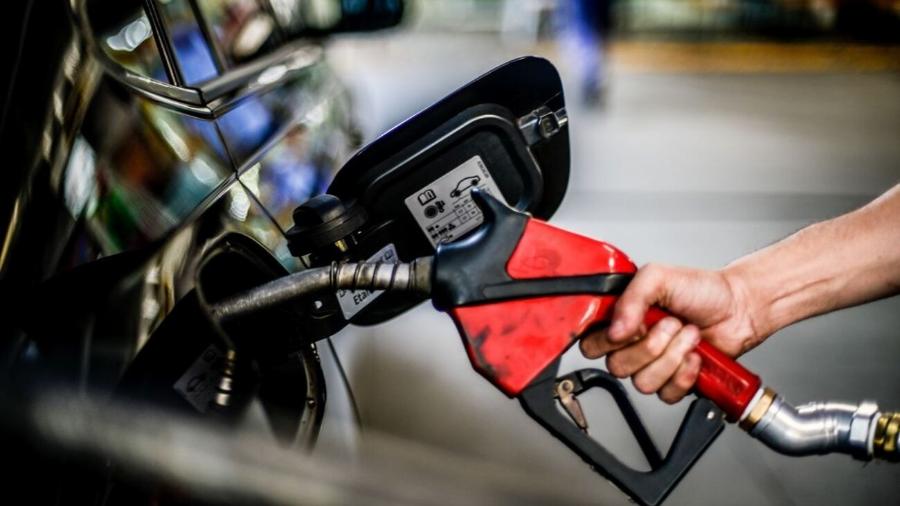
FUP Is On High Alert After Invasion of the Three Powers Square
The United Federation of Oil Workers (FUP) issued a statement informing that “the appeal for intervention in refineries and fuel distributors.”
According to FUP, “the failed attempt by terrorists to invade Petrobras facilities demonstrates the strategic importance of the company and increases our responsibility.
By the end of the morning on Monday, small groups of protesters were mapped near refineries and distributors in São Paulo and Minas Gerais.
“We continue to monitor closely and work with other departments and states to ensure supply. We will remain firm and committed to the Brazilian company,” says the governor’s note.
Fuel Prices Increase
Adopted by the dominant refining agent, the Import Parity Price (IPP) has dominated electoral debates since it was introduced in 2016.
As Petrobras is a de facto monopoly in the refining sector and has the majority of the underlying infrastructure for importing derivatives.
The company is a price setter in the Brazilian market, not a price taker and, therefore, its pricing policy is very important for the company, for agents operating in the market and attracting investments.
Criticism of the IPP is generally based on the fact that Brazil is a net exporter of oil, exporting 1.34 million barrels per day in 2021 with revenues exceeding US$30 billion (ANP, 2022).
At the cost of pre-salt oil production at around US$3.44/boe, without leasing, and US$25.16/boe, with government participation.
This is because the country, despite being a net exporter of oil, needs to import derivatives to ensure internal fuel supply and, as there are private agents in the market.
In the event of price fluctuations, operations are no longer profitable, causing some of them to stop importing due to their inability to pass on higher prices.
The solution to build refineries so that the country stops being a net importer of gasoline, diesel, and LPG must allow time for environmental licensing.








Seja o primeiro a reagir!