





 Portuguese
  English
  Spanish
  2 min of reading


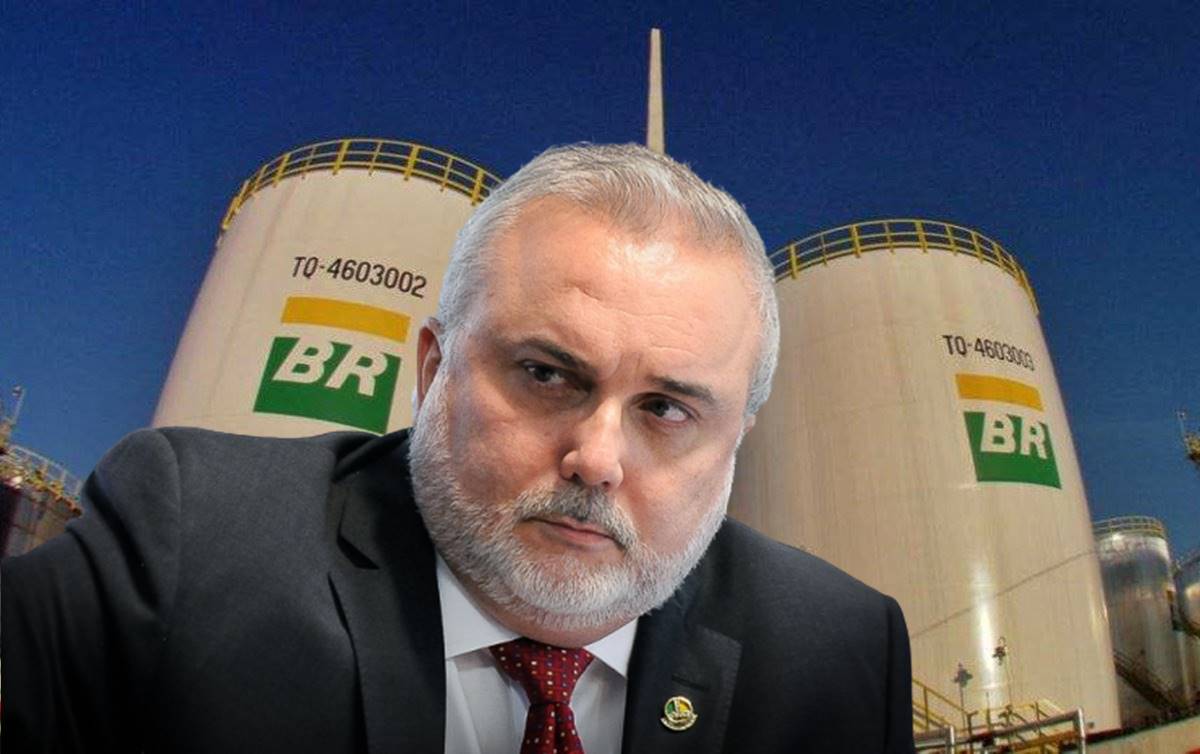
Fuel Prices In Brazil Have Been Adjusted To The PPI Since Temer’s Inauguration In 2016.
Senator Jean Paul Prates (PT-RN), likely the next president of Petrobras, stated to Blog G1 that the fixing of fuel prices is “a responsibility of the government, and not just of a market company.”
The president of the PT, Gleisi Hoffmann, verified the blog report stating that a legislator would assume the direction of Petrobras. A formal announcement will be made on Friday (30).
According to Prates’ statements, the rules that the government, in its capacity as government and majority shareholder, will be followed by Petrobras. But it is safe to assume that all parties involved will weigh the benefits of oil and fuel production in Brazil against the potential loss of profit for its investors.
-
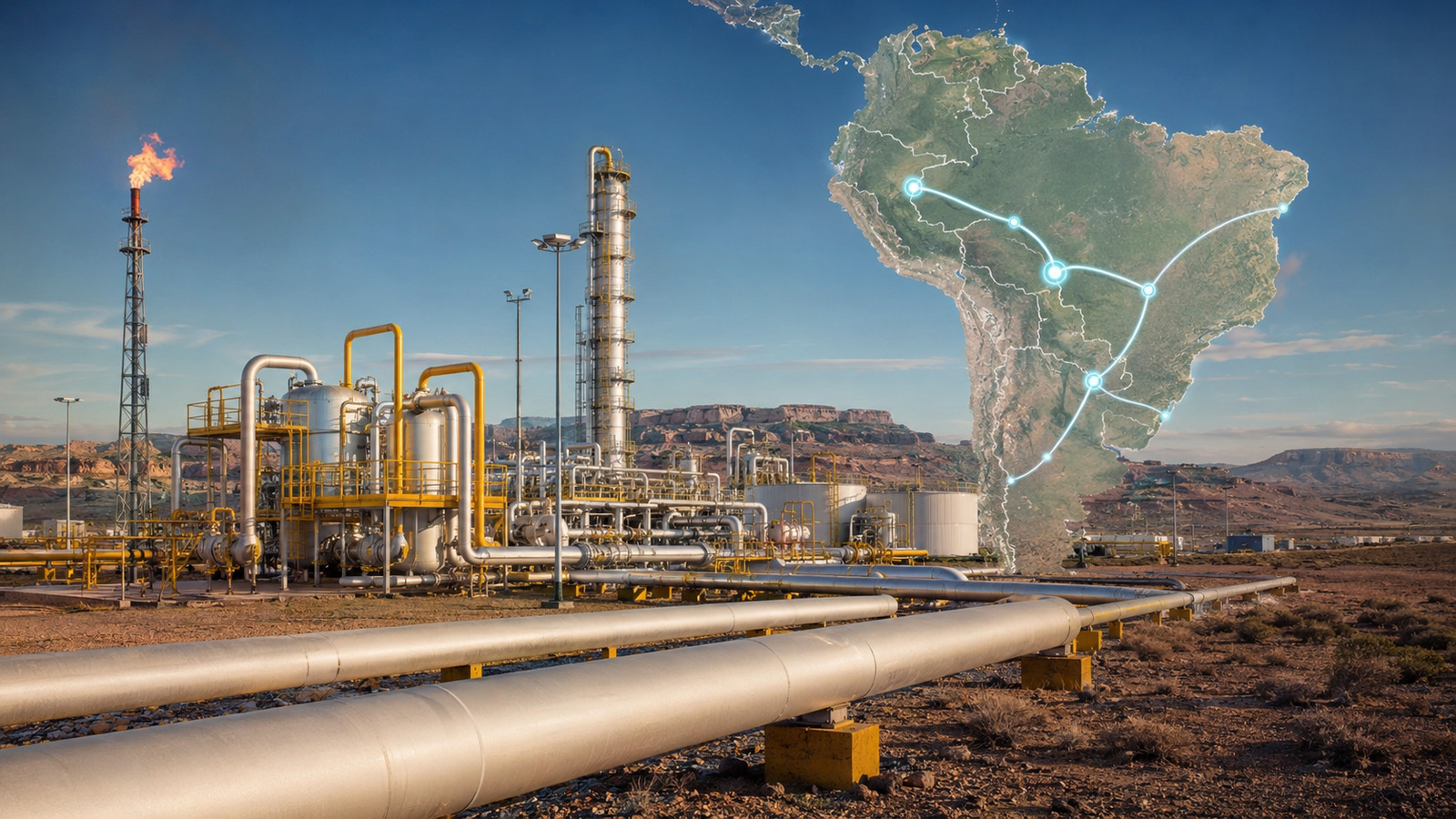
Vaca Muerta can supply gas to Brazil, Chile, Uruguay, Bolivia, and Argentina for up to 124 years, but it requires more than $10 billion in infrastructure to distribute the gas.

-
Criminals dig a secret tunnel to tap into Petrobras pipeline, steal 100,000 liters of fuel and put thousands of people at risk of explosion in the Federal District.

-
Oil surges again after attacks and standoff between the US and Iran increase global tension
-
HIDDEN TREASURE AT THE BOTTOM OF THE SEA? Oil discovery nearly 20,000 feet deep challenges engineering limits off the coast of Brazil



Today, the International Parity Price (PPI) is used by Petrobras to determine the retail price of diesel and gasoline sold to distributors.
Adopted in 2016 under the government of Michel Temer (MDB), this strategy has been condemned by both the current and the next government (during the campaign, Lula made the famous statement: “I cannot enrich the shareholder and impoverish the housewife”).
The government had already regulated prices and, in an effort to control inflation, Petrobras sold gasoline and diesel below market costs.
Lula is facing a series of issues, including rising gasoline prices, in his early days in office. This is due to the expiration of the federal tax suspension, won during Bolsonaro’s election, which ends this upcoming Saturday (31). The Brazilian Infrastructure Center predicts that the price of a gallon of gasoline, a gallon of ethanol, and a gallon of diesel will increase by R$ 0.69 as a result.
Energy Transition Without Giving Up On Oil
The new president of Petrobras also stated that facilitating the company’s energy transition will be his main priority, without sidelining oil operations.
A realistic and fruitful plan for the company will be developed after the first months, assessing the situations of each unit of the organization, as Prates says.








Be the first to react!