





 Portuguese
  English
  Spanish
  3 min of reading



High Dollar Value Threatens Fuel Prices in Brazil, Despite Recent Drop in Oil Prices
The price of a barrel of oil type brent closed with a drop of approximately 9.45% this Tuesday, the 5th. With the news of the drop in oil prices, it was expected that fuel prices could decrease; however, according to economists, the rising dollar value prevents a drop in fuel prices, as in the past thirty days, the US dollar, used for oil transactions, has registered an increase of 12.55% against the real, Brazil’s currency.
A study conducted by Professor Alberto Ajzental from Fundação Getúlio Vargas (FGV) recorded an increase in the price of brent oil in reais. In June, the price of a barrel reached R$ 573, the highest value recorded since the beginning of the pandemic. About two years ago, in June 2020, oil averaged R$ 224.
Increase in Interest Rates and Brazil’s Political and Economic Situation Are Key Factors for the Dollar Increase
According to economists, the two main factors impacting the dollar price and preventing Brazilians from feeling the benefits of the drop in oil prices and consequently in fuel prices are: the increase in interest rates in the United States and Brazil’s internal political and economic situation.
-
Petrobras confirms that it will reimburse amounts to distributors and return the price difference from the gas auction following a regulatory decision.

-
Petrobras buys back fields for billions — what no one is talking about regarding this decision and how it could impact jobs and oil in Brazil.

-
New escalation of tensions and oil crisis in the Middle East forces world powers to accelerate energy transition plans.
-
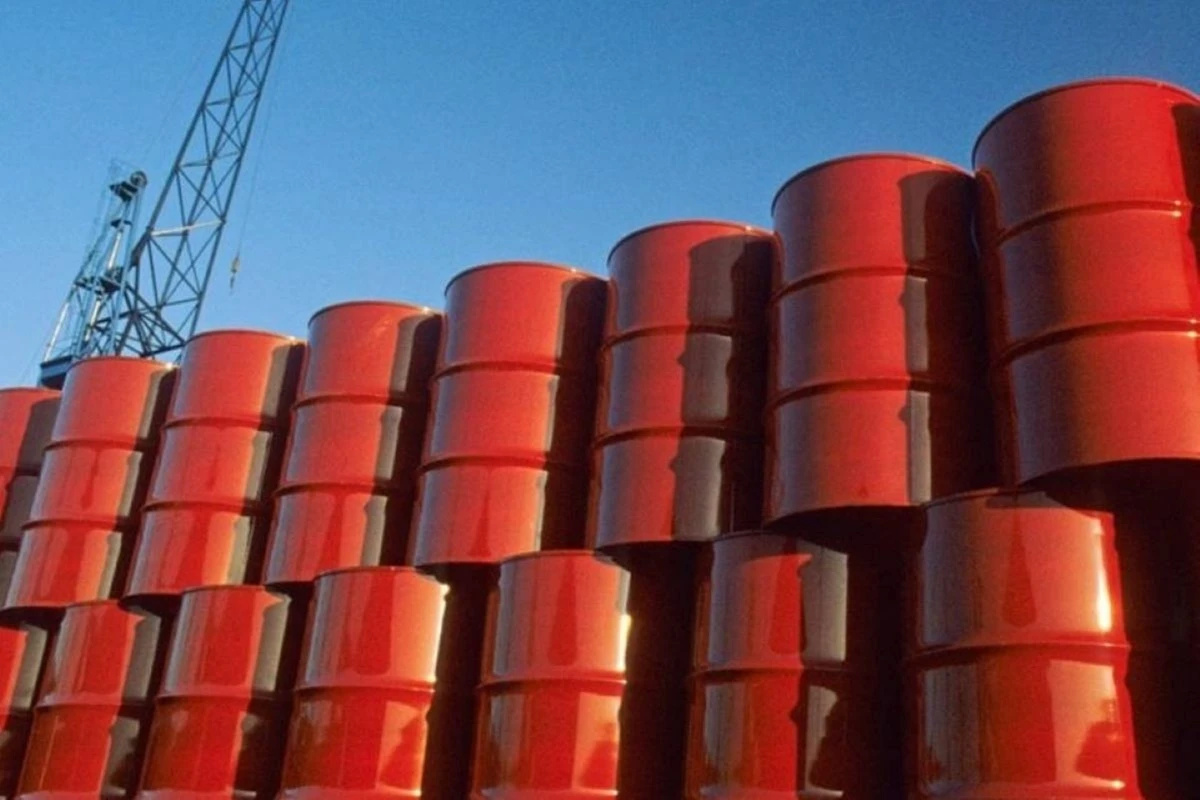
Giant reservoirs with a capacity of 18 million cubic meters have turned Fujairah into one of the largest energy vaults on the planet. This facility, located outside the Strait of Hormuz, stores oil on a colossal scale and has become a silent piece that supports the global flow of fuels.

“The real continues to be devalued due to inflation, and Brazil has a very delicate political situation, especially with the start of the electoral process. Furthermore, there is a global scenario of high inflation, where banking institutions are raising their interest rates. In the US, for example, the increase in interest strengthens the dollar,” says Ajzental.
The professor further explains that Brazil’s economic situation could lead to future problems. Ajzental cites the so-called “Kamikaze PEC,” which allows resources for creating financial aids for certain groups of the population and economic sectors.
Although the price of oil has dropped this week, the current global oil situation should not be stable. As explained by Adriano Pires, director of the Brazilian Center for Infrastructure, the most significant decline recorded this Tuesday, the 5th, is a return of the market signaling an economic scarcity, leading to the devaluation of fuels.
“There is still a potential chance that Russia will reduce oil and gas production to pressure Western countries. This will result in product supply being lower than demand and could cause an increase in the price of brent oil,” explains Pires.
Drops in Oil Prices Shook Major Companies
The major drops in oil barrel prices directly impacted the stocks of major fuel companies. According to data obtained on Tuesday, out of a total of five stocks with the largest declines on Ibovespa, four were from oil companies;
- 3R Petroleum (RRRP3) -7.44%;
- PetroRio (PRIO3) -7.11%;
- Petrobras (PETR3) -4.27%;
- Petrobras (PETR4) -3.81%;
- SLC Agrícola (SLCE3) -3.15
Furthermore, according to Adriano Pires, although oil could contribute to the decrease and adjustment of fuel prices in Brazil, regarding the foreign market, the high dollar value outweighs the commodity’s decline.
According to Abicom (Brazilian Association of Fuel Importers), also this Tuesday, the average fuel adjustment was at 0.28, or 6% for gasoline and 0.21 or 4% for diesel.









Seja o primeiro a reagir!