





 Portuguese
  English
  Spanish
  4 min of reading
  0 comments


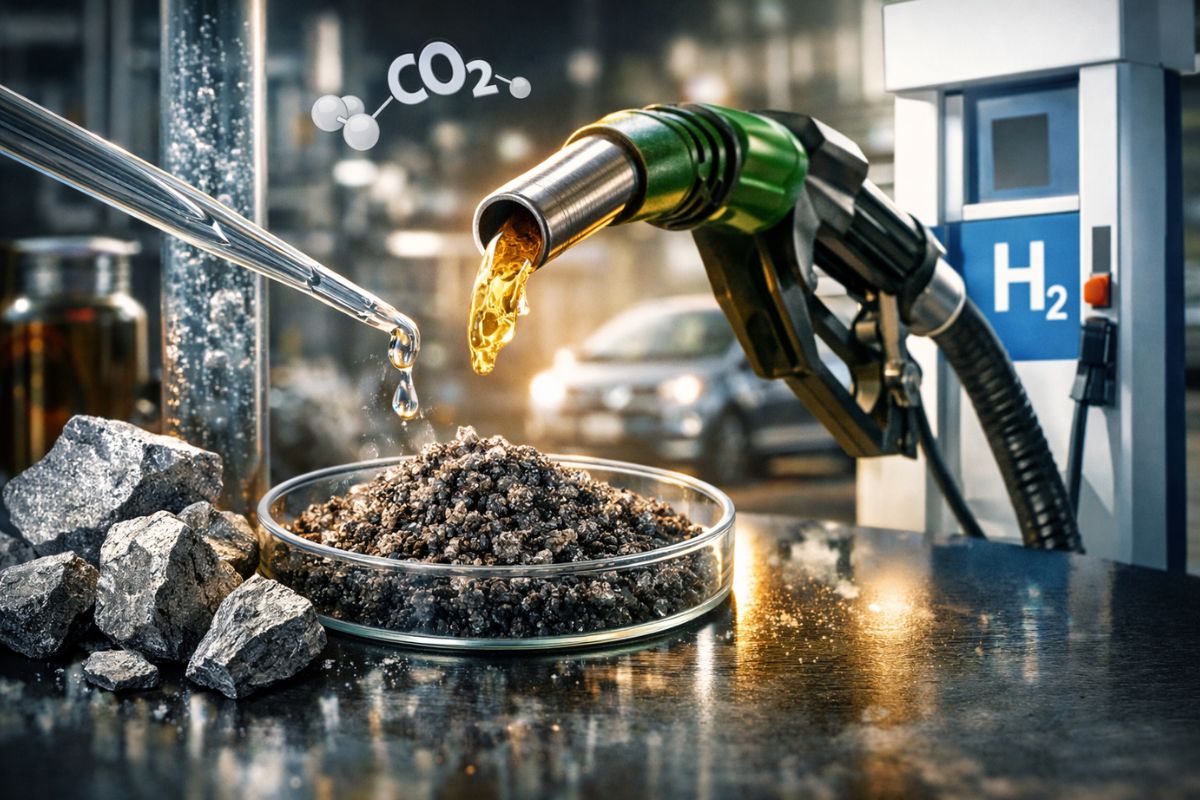
Yale and Missouri Researchers Showed That a Manganese Catalyst Converts Carbon Dioxide into Formate, a Key Piece for Storing Hydrogen and Bringing Clean Fuel to Fuel Cells. The Trick Was to Reinforce the Ligand with an Extra Donor, Increasing Stability and Performance Against Expensive Metals for Longer.
What seems like just another laboratory breakthrough touches on a sensitive point of the energy transition: how to transform carbon dioxide into something useful without relying on rare metals. By using manganese, an abundant and cheap metal, the team describes a way to generate formate and bring the clean fuel debate closer to practical applications.
At the same time, the finding puts pressure on an old barrier: hydrogen is promising in fuel cells, but producing and storing hydrogen efficiently still limits the leap to scale. If formate can function as a “carrier” and the catalyst can withstand the pressure, the equation changes.
A Common Metal, a Giant Problem and a Reaction Hard to Sustain
Converting carbon dioxide into formate is not a new idea, but execution often stumbles on the same obstacle: the catalyst needs to be efficient and, above all, durable. Many cheap materials can react well at first, but degrade quickly, losing activity and increasing any attempt at continuous use.
-
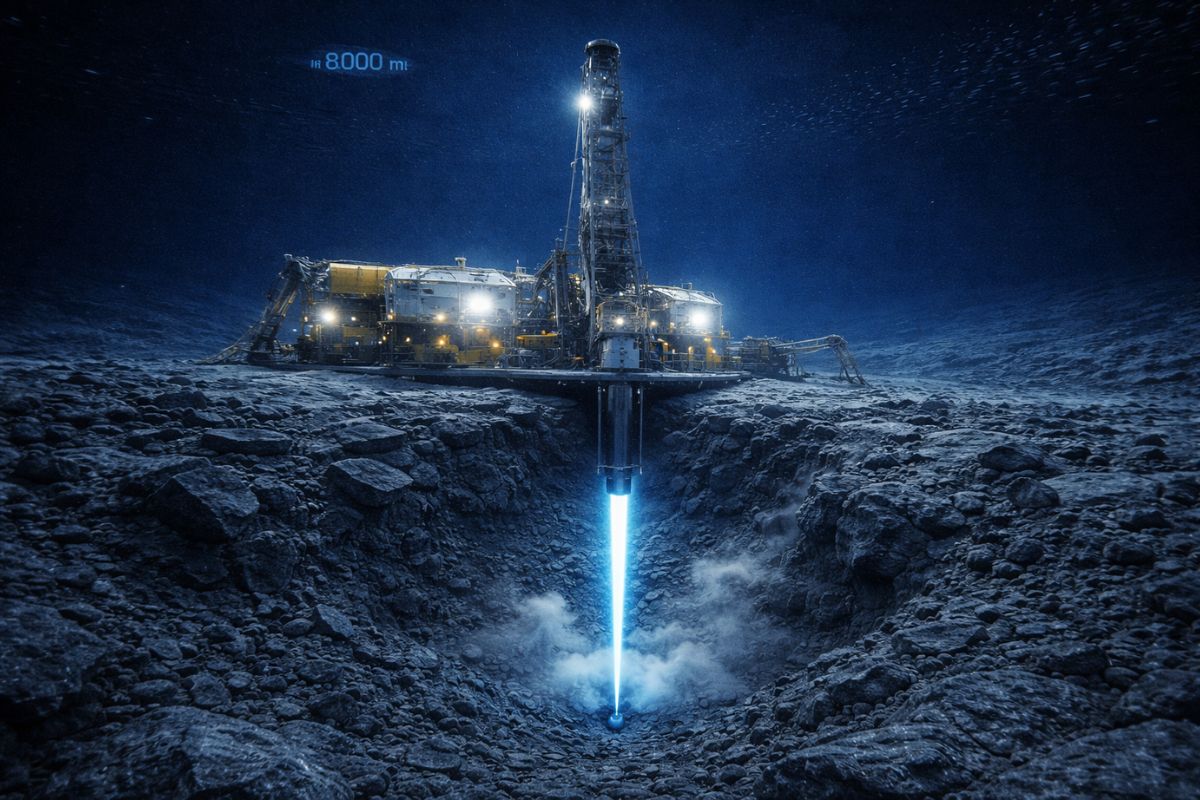
Scientists drilled nearly 8,000 meters into the ocean floor above the fault that caused the 2011 tsunami in Japan and discovered that a layer of clay 130 million years old was responsible for making the wave much worse than any model had predicted.
-
Thousands of years after causing the largest eruption of the Holocene, one of the world’s largest supervolcanoes is rebuilding itself beneath the sea south of Japan, receiving new magma and alarming scientists with its transformation.

-
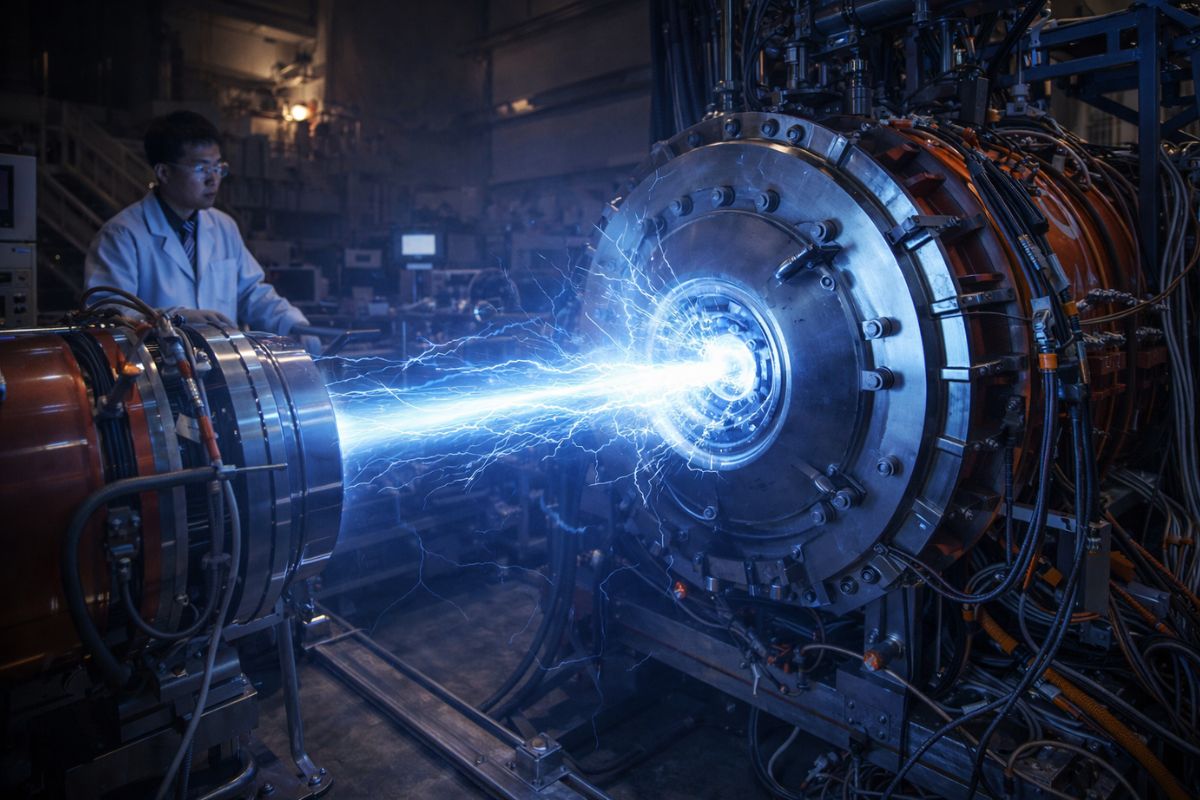
China has activated a magnet 700,000 times more powerful than the Earth’s magnetic field that operates for over 200 consecutive hours while consuming little energy, and now the world wants to know what Beijing plans to do with this technology in 2026.
-
Mercado Livre has started selling medications in Brazil with delivery in up to 3 hours, and the project that launches in São Paulo may expand to the entire country, transforming the way millions of Brazilians buy medicines.


The study precisely describes the turning point on this issue. The manganese catalyst was redesigned to last much longer than alternatives of low cost and, unexpectedly, outperformed several options based on precious metals, which usually lead when it comes to performance.
The implication is direct: it is not enough to convert CO2; it is necessary to maintain stable conversion long enough to make sense outside the laboratory and to sustain clean fuel pathways.
Why Formate and Formic Acid Entered the Center of the Conversation
Formate, and its protonated form known as formic acid, appear as candidates to “carry” hydrogen in a more manageable way. Formic acid is already produced on an industrial scale and is used as a preservative, antibacterial agent, and in leather tanning, making the discussion less abstract than it seems.
The critical point is the source of this product. Currently, industrial production of formate heavily relies on fossil fuels, which limits environmental gains in the long term.
For this reason, the proposal to manufacture formate directly from carbon dioxide attracts attention: it reduces the stock of greenhouse gas and creates a useful input, bringing the clean fuel pathway closer to a logic of chemical reuse.
Hydrogen Fuel Cells: Promise, but with Concrete Bottlenecks
Hydrogen fuel cells generate electricity from the chemical energy of hydrogen, functioning similarly to a battery. In practice, large-scale adoption still suffers from two reinforcing pains: cost and the difficulty of producing and storing hydrogen efficiently.
This is where formate comes in as a strategic piece. If it can be produced sustainably and efficiently from carbon dioxide, it becomes an attractive intermediary for powering systems that seek clean fuel, especially when the goal is to deliver hydrogen where it needs to go with fewer losses and less logistical complexity.
The “Trick” of the Ligand: Stability that Changes the Game
The team attributes the main improvement to a molecular design choice: the addition of an extra donor atom in the ligand. Ligands are atoms or molecules that bind to the metal and directly influence how the catalyst reacts, how long it remains active, and which chemical pathways it favors.
In practice, this change helped stabilize the manganese catalyst and maintain its efficacy, reducing the tendency for decomposition that usually undermines catalysts made of abundant metals.
Durability is not a detail: it separates “works” from “works all the time”, and this defines whether the route can someday sustain a clean fuel chain with predictability.
Who Signed the Work and Why It Matters Beyond CO2
The study was conducted by scientists from Yale University and the University of Missouri and published in the journal Chem. Among the main authors are Justin Wedal (postdoctoral at Yale) and Kyler Virtue (graduate research at Missouri), with Nilay Hazari (Yale) and Wesley Bernskoetter (Missouri) as senior authors. Funding came from the Office of Science of the U.S. Department of Energy.
The group also argues that the design principle used here can extend beyond carbon dioxide conversion. In other words, the lesson is not just “manganese works,” but how to adjust the structure around the metal to gain stability. If this logic can be replicated in other reactions, the impact may surface in more fronts of applied chemistry related to clean fuel.
What This Turn Means for the Future
The result suggests a scenario where abundant metals, like manganese, cease to be synonymous with “cheap but fragile” and begin to compete with expensive solutions where it truly matters: sustained efficiency and long-term viability. This does not eliminate challenges of scale, industrial integration and complete production pathways, but changes the starting point with a simple message: common metal can deliver serious performance when the design is smart.
Capturing carbon dioxide to turn into formate, improving hydrogen storage, or reducing catalyst costs without losing stability? And, considering Brazil, in which sector could this chemistry make the most sense in the short term?







-

-

-

4 pessoas reagiram a isso.