





 Portuguese
  English
  Spanish
  4 min of reading
  0 comments



The Worldcoin Project, Led by Sam Altman, Scanned the Irises of 115 Thousand Brazilians in Just One Month. Promising to Combat Fraud and Ensure Digital Privacy, the Initiative Divides Opinions and Raises Important Ethical Questions About the Use of Biometric Data.
Few modern technologies have generated as much debate as the iris scanning system promoted by World, a project co-created by Sam Altman, CEO of OpenAI.
The advancement reached Brazil with bold promises, but also laden with doubts and controversies that continue to stir experts and the general public.
With more than 115 thousand Brazilians already registered in less than a month, the numbers are impressive, but what is really behind this technology?
-
Giant Roman treasure found at the bottom of Lake Neuchâtel in Switzerland reveals an advanced trade system, circulation of goods, and armed escort in the Roman Empire about two thousand years ago.

-
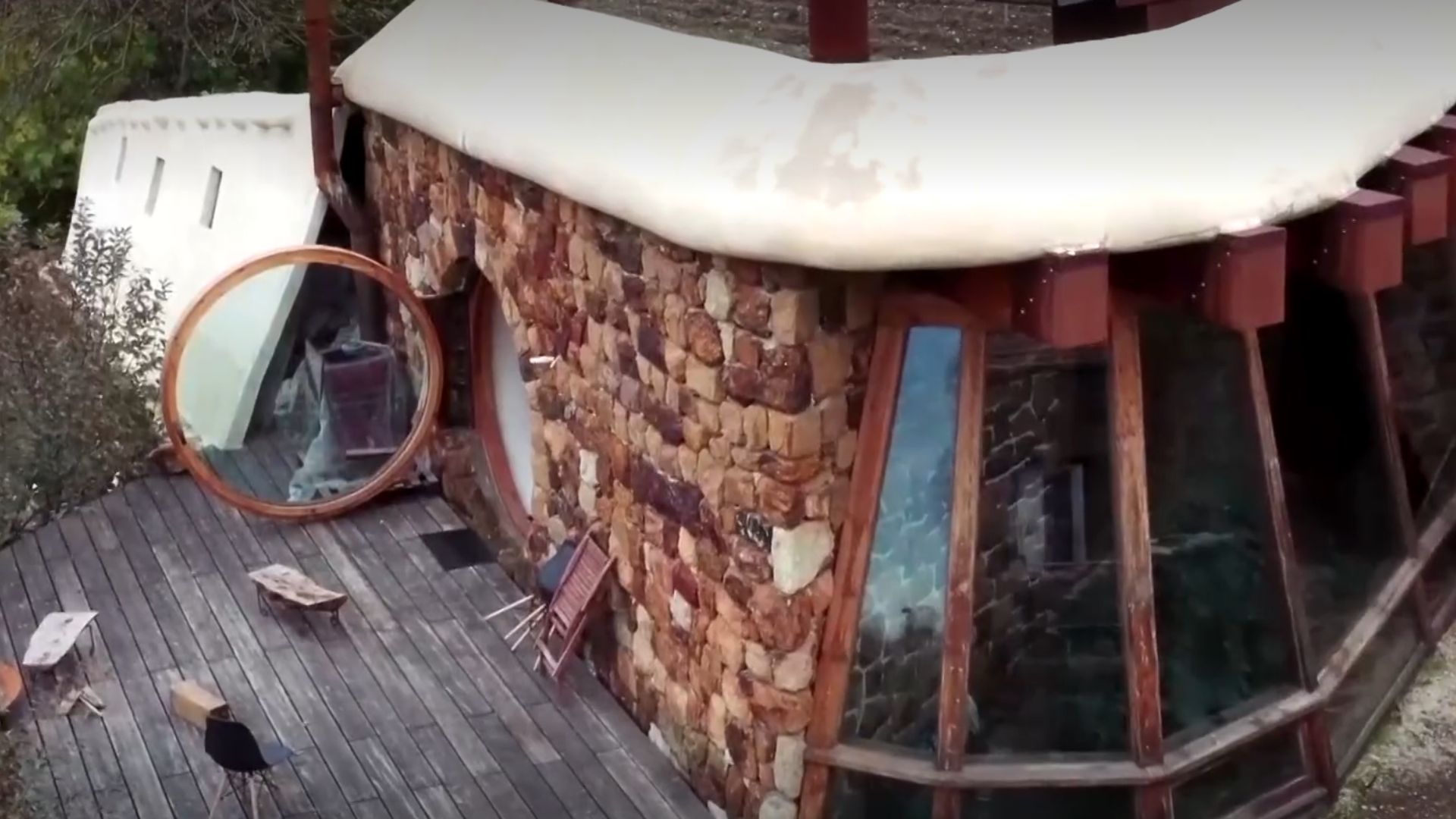
He buried 1,200 old tires in the walls to build his own self-sufficient house in the mountains with glass bottles, rainwater, and an integrated greenhouse.
-
The aircraft carrier HMS Prince of Wales is heading to the Arctic with F-35 fighters, helicopters, and warships in an operation that repositions the United Kingdom at the forefront of NATO in 2026.

-
He found the largest gold shipwreck in the United States with tons of the precious metal at a depth of 2,400 meters in the Atlantic and recovered a treasure that no one thought possible to reach, but 500 gold coins disappeared without explanation.

Since November 2024, World has been operating in Brazil with the aim of offering an innovative digital passport that promises to differentiate humans from robots and combat online fraud. However, while the promise sounds futuristic, the risks and ethical implications of biometric data collection raise important questions.
What Is the World Project?
World uses technology based on iris scanning, intending to create a unique digital identifier. This project has three main pillars:
- World ID: a digital passport that transforms the iris registration into a unique numerical sequence;
- Worldcoin Token (WLD): a cryptocurrency distributed as a reward for registrants;
- World App: an application that allows transactions using the cryptocurrency.
To participate, users must go through a simple process:
- Download the World App;
- Schedule an appointment at one of the verification locations;
- Perform the iris scan using the Orb camera.
According to the company, after capturing, the image is encrypted and deleted, leaving only the numerical code associated with the user. This technology promises to be more secure than traditional methods, such as facial recognition, and aims to prevent digital fraud and ensure user authenticity on online platforms.
The Reach in Brazil
Since the start of operations on November 13, 2024, more than 115 thousand Brazilians have had their irises scanned. Additionally, around 519 thousand people have an account on the World App, according to data provided by the company to the G1 portal.
The scans are performed at 20 service points in the city of São Paulo, such as the Boulevard Tatuapé Shopping Center, located in the East Zone.
According to the company, the service is free, and participants receive 25 Worldcoin tokens, equivalent to approximately R$ 470, as an incentive.
Despite its rapid adoption, the project has faced scrutiny from the National Data Protection Authority (ANPD). The institution began investigations into the handling of personal data even before its official launch in the country.
Controversy and Criticism
Privacy and digital rights experts have expressed concerns about the initiative. The lack of transparency regarding what data is collected and how it is used is a critical point.
Rafael Zanatta, director of Data Privacy Brazil, emphasized the need for a Civil Advisory Council to ensure that privacy rights are respected. He stated:
“It is essential for the company to be accountable to society democratically, going beyond just offering technologies to differentiate robots from humans.”
Another point raised by critics is that, even with the deletion of iris images, the numerical identifier generated from them is a sensitive biometric data. Nina da Hora, from the Institute of the Hour, warned about the risks of reusing this system for commercial purposes, raising ethical questions:
“It is extremely delicate to assert that they need to invade people’s privacy to protect them.”
Regulation and Security
Before the official launch in Brazil, the ANPD requested further explanations from the company regarding its data collection and storage practices.
In response, World stated that it uses an advanced encryption system called Anonymous Multi-Party Computation (AMPC), which fragments data into parts that cannot be directly linked to users.
Additionally, World highlighted that the data is stored in “computational nodes” operated by trusted universities and partners.
The company reinforced its commitment to data security and anonymization, stating that it complies with all regulations in the countries where it operates.
Global Impact
The World project is not limited to Brazil. The initiative is already operating in the United States, Mexico, and Germany, but has temporarily paused operations in Spain and Portugal.
The main goal is to implement the technology globally, creating a universal authentication system.
Among the potential uses is the replacement of tools like Captcha, widely used to identify humans on websites. According to the company, artificial intelligence is already capable of bypassing this verification, making systems like World ID a more robust solution.
Furthermore, the company believes its technology can contribute to “global democratic processes” and even pave the way for the implementation of a universal basic income, distributed through cryptocurrency.
The Future of Privacy
Although World defends its system as secure and innovative, ethical and regulatory challenges remain. Large-scale biometric data collection raises questions about privacy protection, especially in countries with legislation still in development in this area.
The Brazilian case is emblematic and can serve as an example for other countries. As the project progresses, it will be crucial to balance technological innovation with the fundamental rights of citizens.







-

-

2 pessoas reagiram a isso.