





 Portuguese
  English
  Spanish
  6 min of reading
  0 comments


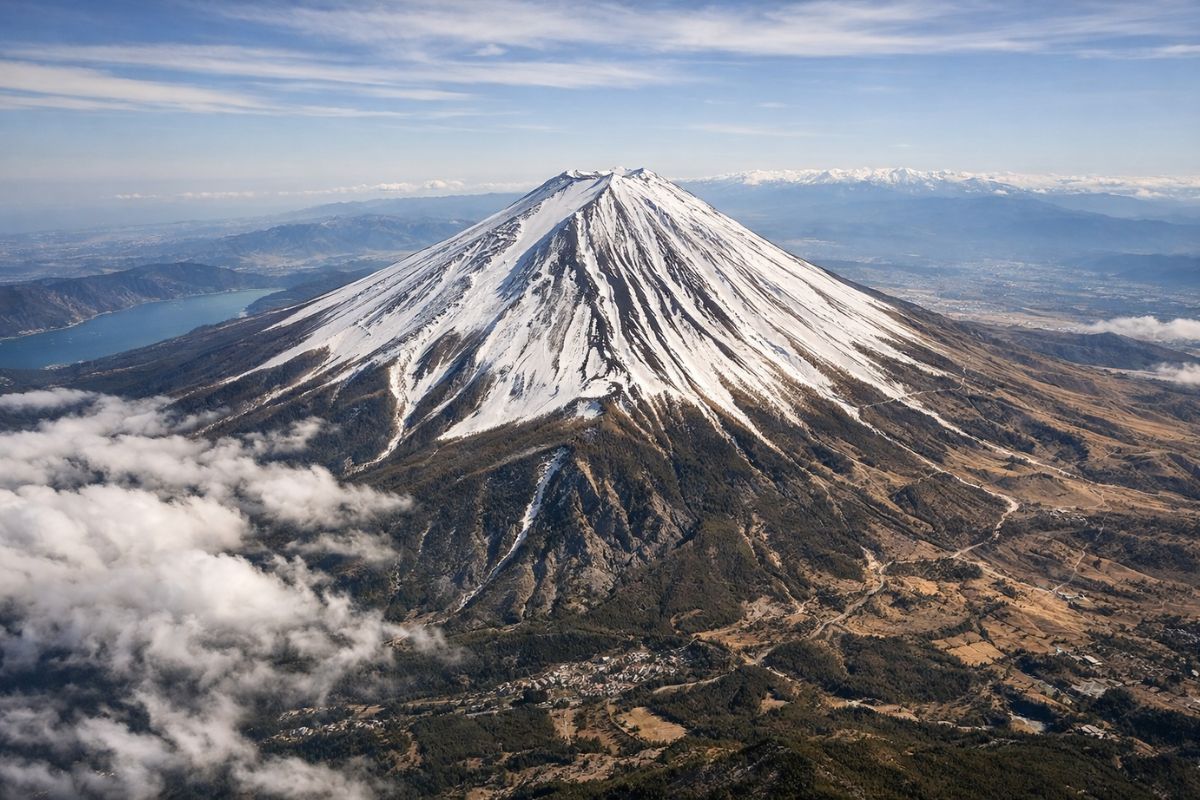
Climbing Mount Fuji During The Official Summer Season Attracts Thousands Of People Who Face Cold, Lines, And A Long Ascent Via The Yoshida Trail To Watch The Sunrise At Nearly 3,800 Meters, In A Journey That Requires Preparation, Planning, And Adaptation To The New Rules Of The Mountain.
Climbing Mount Fuji is one of the most sought-after experiences for those visiting Japan, but the journey to the top of the highest volcano in the country involves much more than stunning landscapes. The hike begins during the day, passes through rocky trails, and ends at dawn, when thousands of people attempt to reach the highest point before sunrise.
Along the route, there are lines, sudden temperature changes, and constant physical effort that requires preparation. The goal for many is to reach above the clouds and witness the sunrise at Mount Fuji, a scene considered symbolic by visitors who endure hours of climbing in search of this moment.
The Climbing Season And The New Rules Of The Mountain

The climb to Mount Fuji takes place only during a specific time of the year. During the summer, the mountain officially opens its trails to visitors, and the Yoshida Trail is one of the most used by those attempting to reach the top for the first time.
-
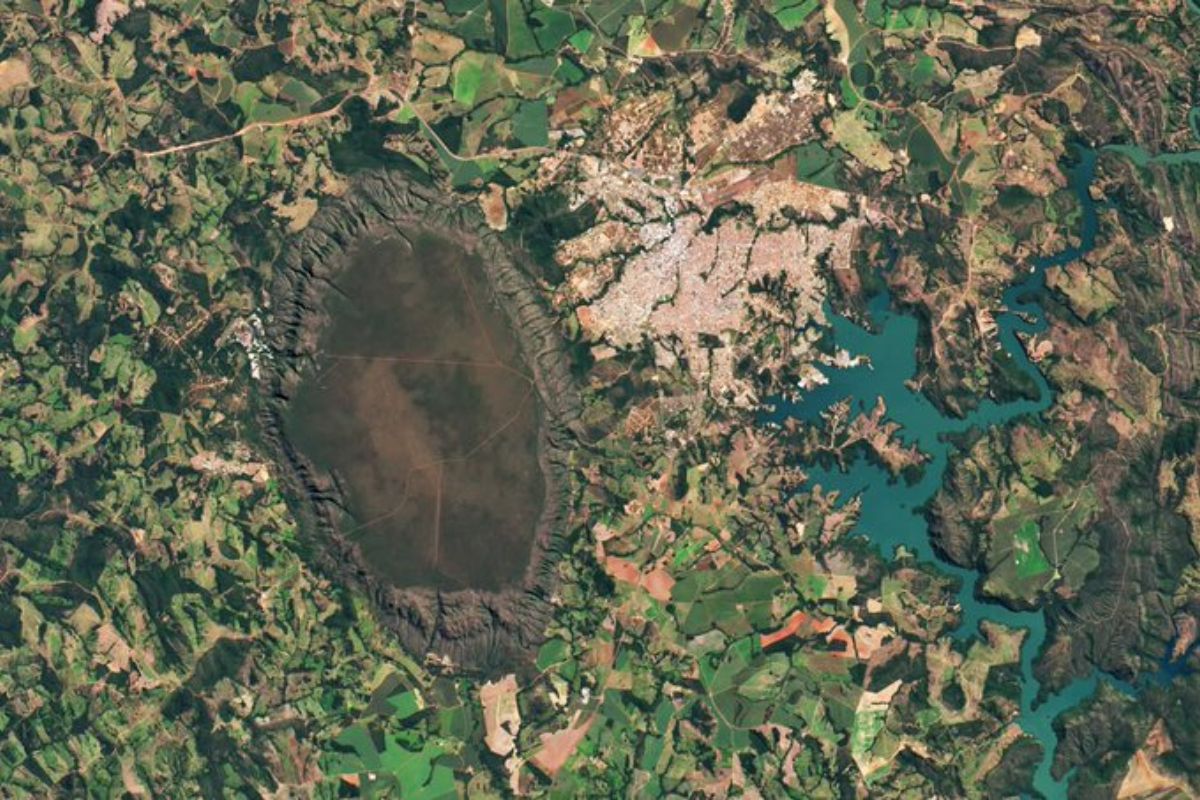
NASA published a photo taken from space of a mountain range in the interior of Goiás, and the whole world wanted to know what it was: beneath it lies the largest hot water spring on the planet, with temperatures reaching 70 degrees in the middle of the Cerrado.
-
A thermal block costing only R$ 0.40 catches attention by reducing heat by up to 80% using recycled styrofoam, a common kitchen ingredient, and a manual technique capable of producing 50 blocks from a single bag of cement.

-
The item in the house that consumes the most water is not in the kitchen; it is in the smallest room of the house and can account for up to 30% of the expenditure on its own.

-
While Argentina relies on the USA to provide communications, data transmission, and electronic warfare for the F-16, Brazil is accelerating with the Gripen and integrating the Link-BR2, a national technology that strengthens air defense.


This trail became known for being considered a more accessible route for beginners, but it still requires several hours of hiking.
The route starts at the so-called fifth station, where most people begin their ascent. Even though it is the most popular route, the path tends to get crowded, especially during dawn when many seek to reach the summit in time to watch the sunrise.
In recent years, some rules have changed the dynamic of the climb. Visitors who wish to witness the sunrise at Mount Fuji now need to sleep in accommodations on the mountain.
This measure came after problems with tourists trying to ascend and descend on the same day, which increased foot traffic on the trails and caused dangerous congestion during the night.
The Ascent Via The Yoshida Trail To The Mountain Stations

The hike starts at the fifth station, located at over two thousand meters above sea level. From this point, the Yoshida Trail proceeds through various intermediate stations that serve as stops for rest, food, or overnight stay.
Right at the beginning of the trail, many visitors already notice the change in the environment. The vegetation gradually disappears and the terrain becomes dominated by loose rocks and pebbles, requiring more attention with every step.
Between the sixth and seventh stations, fatigue begins to set in. The altitude surpasses two thousand meters, and the thinner air can affect those who are not used to it. Still, the trail remains busy, with people ascending and descending simultaneously.
Lines also become common in some sections. In narrower points of the trail, the traffic slows down, and groups of visitors end up waiting their turn to continue the ascent towards the top of Mount Fuji.
Preparation, Backpack, And Essential Items To Face The Ascent


Those who decide to tackle the climb of Mount Fuji need to prepare in advance. The backpack typically carries basic items that make a difference along the way.
Among the most common items are flashlights for walking in the dark, thermal clothing, rain gear, and hiking poles.
The temperature difference between the base of the mountain and the top can be significant, especially during the early morning when the cold wind intensifies.
Water and food are also part of the preparation. Many visitors bring about two liters of water and small meals to consume along the trail. Some opt to buy food at the mountain stations, but prices tend to be higher due to the difficulty of transport to those altitudes.
Another important detail is cash payment. In many parts of the mountain, especially at the intermediate stations, establishments only accept cash.
The Dawn And The Silent Race To The Top
After hours of climbing, many visitors spend the night in accommodations near the eighth station. The rest is usually short, as most wake up around two in the morning to start the final leg of the climb.
It is at this moment that the trail becomes crowded again. Hundreds of flashlights illuminate the path as a long line of people slowly advances towards the top of Mount Fuji.
The last portion of the ascent can take about an hour or more, depending on the flow on the trail. Even with accumulated fatigue, the anticipation of reaching the highest point of the mountain keeps the pace of the hike.
When they finally reach the top, many visitors encounter a surprising scene. The landscape reveals a sea of clouds below the mountain as the sky begins to change colors with the arrival of dawn.
The Sunrise Above The Clouds At Mount Fuji
The most awaited moment occurs a few minutes before the first light of day. People spread out along the edges of the top of Mount Fuji, searching for a spot with a good view of the horizon.
The cold is usually intense at this altitude. Strong winds sweep across the mountain top, and many visitors wear several layers of clothing while waiting for the sun to appear.
When the sun finally rises above the clouds, the crowd watches in silence for a few moments. The scene of golden light illuminating the sky and the sea of clouds below the mountain is considered one of the most remarkable moments of the climb.
Even with the cold and accumulated fatigue, many describe this moment as the reward for the long ascent.
The Long Descent And The End Of The Journey
After the sunrise, the final stage of the experience begins: the descent. Although it is quicker than the ascent, the path requires attention.
The descent trail is usually made up of loose dirt and pebbles, which causes many visitors to slip along the way. Hiking poles help maintain balance on this stretch.
The descent can take two to three hours to return to the fifth station, where buses transport back to the parking lot. Even though it is the last part of the journey, this stretch still requires physical effort, especially for those who have spent the night almost without sleep.
Basic Costs Of The Experience On The Mountain
Climbing Mount Fuji involves some basic costs that are part of the experience. Among them are accommodations in mountain lodges, transportation to the fifth station, and entry fees on the trail.
Accommodations with dinner and breakfast can cost around 15,000 yen. Bus transportation to the fifth station usually costs about 2,500 yen for round trip. There is also an entry fee for the trail, typically around 2,000 yen, in addition to an optional mountain conservation fee.
With these amounts, the basic cost of the experience can exceed 21,000 yen, not including extra expenses for food, water, or souvenirs purchased during the ascent.
Is It Worth Tackling The Ascent Of Mount Fuji?
Despite the physical effort, lines, and intense cold at the top, many visitors consider climbing Mount Fuji a unique experience. The combination of altitude, landscape, and the sunrise above the clouds transforms the journey into a memorable challenge.
The hike requires physical preparation, planning, and patience to deal with the flow of people on the trails. Still, for those who enjoy adventure and mountains, the experience is often described as unforgettable.
Now, the question that divides opinions among those who have tried or are thinking about attempting this ascent: would you face an entire night of trail and cold to see the sunrise from the top of Mount Fuji?






-

-

-

-

-

13 pessoas reagiram a isso.