





 Portuguese
  English
  Spanish
  3 min of reading
  0 comments


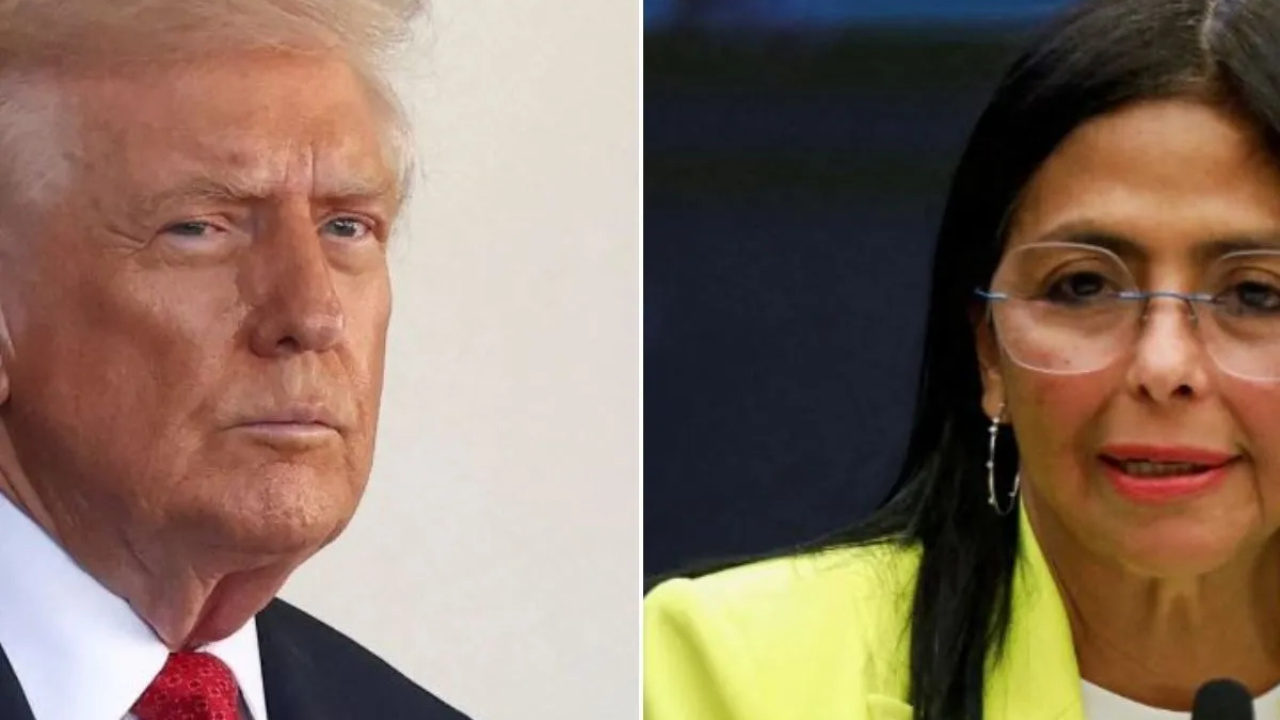
Venezuela Confirms Receipt of US$ 300 Million From Oil Sale Linked to 50 Million Barrels Agreement Announced by Donald Trump. Funds Are Expected to Strengthen the Exchange Rate and Drive Reforms in the Oil Law.
In a moment of strong political and financial instability, oil has once again taken a strategic position in Venezuela’s economy. This Tuesday (20), interim president Delcy Rodríguez stated that the country has already received US$ 300 million from the sale of oil.
This amount corresponds to the first installment of a supply agreement for 50 million barrels announced by the President of the United States, Donald Trump, following the arrest of Nicolás Maduro earlier this month.
Meanwhile, conflicting versions are emerging about the destination of these barrels. Nevertheless, the Venezuelan government hopes that the initial funds will help reorganize the exchange market and strengthen the internal economy, especially in a scenario of foreign currency shortages.
-
Lula reveals a masterstroke by Petrobras to undo a deal made by Bolsonaro, which involves the return of an important refinery that currently produces less than half of what was expected and makes Brazil dependent on international diesel.
-
A study confirms that the natural gas sector will reduce greenhouse gas emissions in Brazil by 0.5% and accelerate the energy transition by 2026.

-
Petrobras implements a severe adjustment and confirms a 55% increase in the price of aviation kerosene with a proposal for installment payments for the companies.

-
The rise in oil prices could ensure an extra revenue of R$ 100 billion for the Federal Government, indicates a recent economic study.


International Dispute and Conflicting Versions About the Barrels
At the same time that Caracas confirms the inflow of resources, Washington presents a different narrative. Donald Trump stated separately, also this Tuesday (10), that the United States removed the 50 million barrels from Venezuela and that they are already selling part of them on the open market.
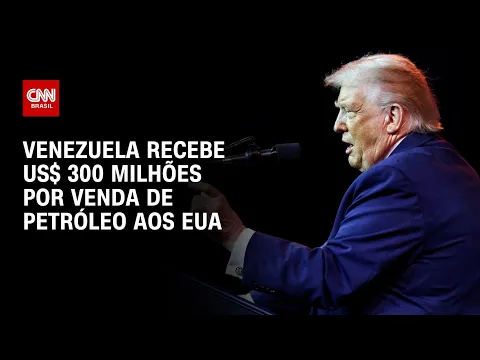

However, shipping records indicate that this volume has not yet been exported, raising doubts about the actual destination of the oil. Thus, uncertainty grows among analysts and investors, especially because logistical data do not confirm the claims made by the U.S. government.
Last week, Reuters reported that four Venezuelan banks were notified by the government that they would share US$ 300 million in oil revenue deposited in an account in Qatar. This mechanism will allow institutions to sell dollars to local companies that need foreign currency to import materials.
During an event in Caracas, Delcy Rodríguez stated: “We would like to inform that we received funds from oil sales and that we have already received, from the first US$ 500 million, US$ 300 million”. She then added: “These initial funds will be used in Venezuela’s foreign exchange market, by national banks and the central bank, to consolidate and stabilize the market and protect the income and purchasing power of our workers”.
Thus, the government bets that the inflow of these funds can relieve pressure on the exchange rate and reduce monetary instability.
Reform in Oil Law and New Partnerships
Alongside financial movements, the Venezuelan Congress is preparing to discuss structural changes in the energy sector. Deputy Jorge Rodríguez, brother of the interim president, stated that the reform of the main oil law will be based on a partnership model created during Nicolás Maduro’s government.
According to him, this reformulation should consider the so-called “productive participation contracts,” introduced in recent years as an alternative to the traditional model of joint ventures controlled by state-owned PDVSA.
Delcy Rodríguez had already informed parliamentarians that the government supports changes to the hydrocarbons law to attract foreign investment. Currently, the legislation provides for a single contract model, but new partnerships have followed less transparent rules, the terms of which have not yet been fully disclosed.
For Jorge Rodríguez, these contracts represent “a fundamental element to be addressed in the law reform”, reinforcing the government’s intention to redesign the oil sector and expand international participation in the Venezuelan oil market.
Do you think this agreement between the United States and Venezuela can really improve the situation in the country, or are we facing yet another chapter in Trump’s true plan?








Seja o primeiro a reagir!