





 Portuguese
  English
  Spanish
  5 min of reading
  11 comments


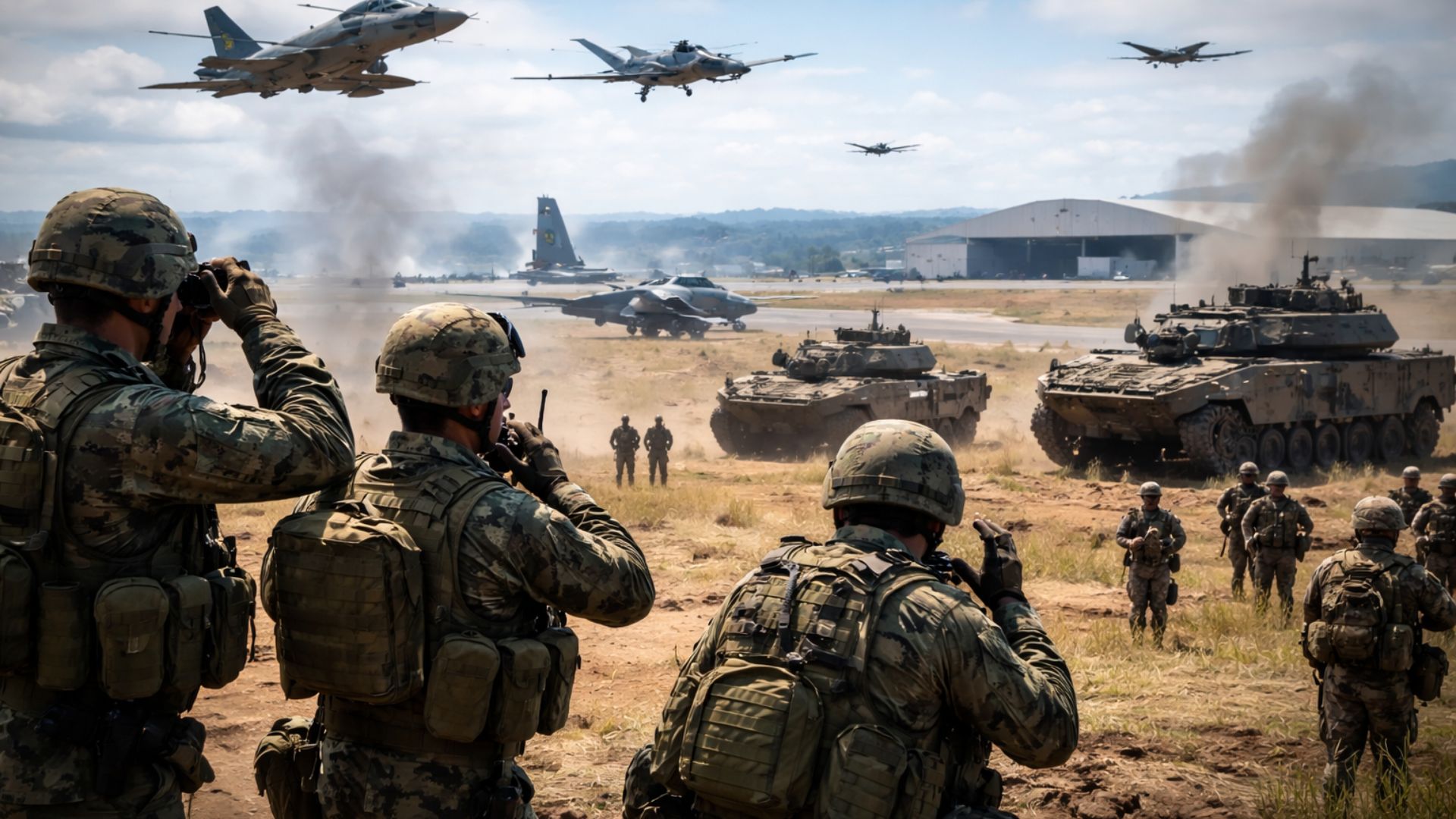


Military Movement in Santa Maria Brings Together Aircraft, Armored Vehicles, Long-Endurance Drones, and Integrated Actions Between FAB, Army, and Navy in a Training That Simulates Contemporary Conflicts and Tests, in Real Time, the Response of the Armed Forces in Different Operational Fronts.
More than 300 military personnel are participating, at the Santa Maria Air Base, in Rio Grande do Sul, in one of the main operational training exercises of the Brazilian Air Force focused on intelligence, surveillance, and reconnaissance.
The exercise began on March 2, 2026, and continues until March 16, bringing together resources from the Air Force, Army, and Navy in a contemporary conflict scenario that combines air, land, cyber, and monitoring operations.
Called the Operational Exercise of Intelligence, Surveillance, and Reconnaissance, EXOP IVR mobilizes manned aircraft, drones, ground sensors, and defense systems in a routine of missions that seeks to enhance the readiness of the Armed Forces in the face of increasingly dynamic threats.
-
For decades, a 50-kilometer ring structure in the middle of the Sahara has puzzled scientists: visible from space, it reveals layers of millions of years and turns the desert in Africa into a geological mystery.

-
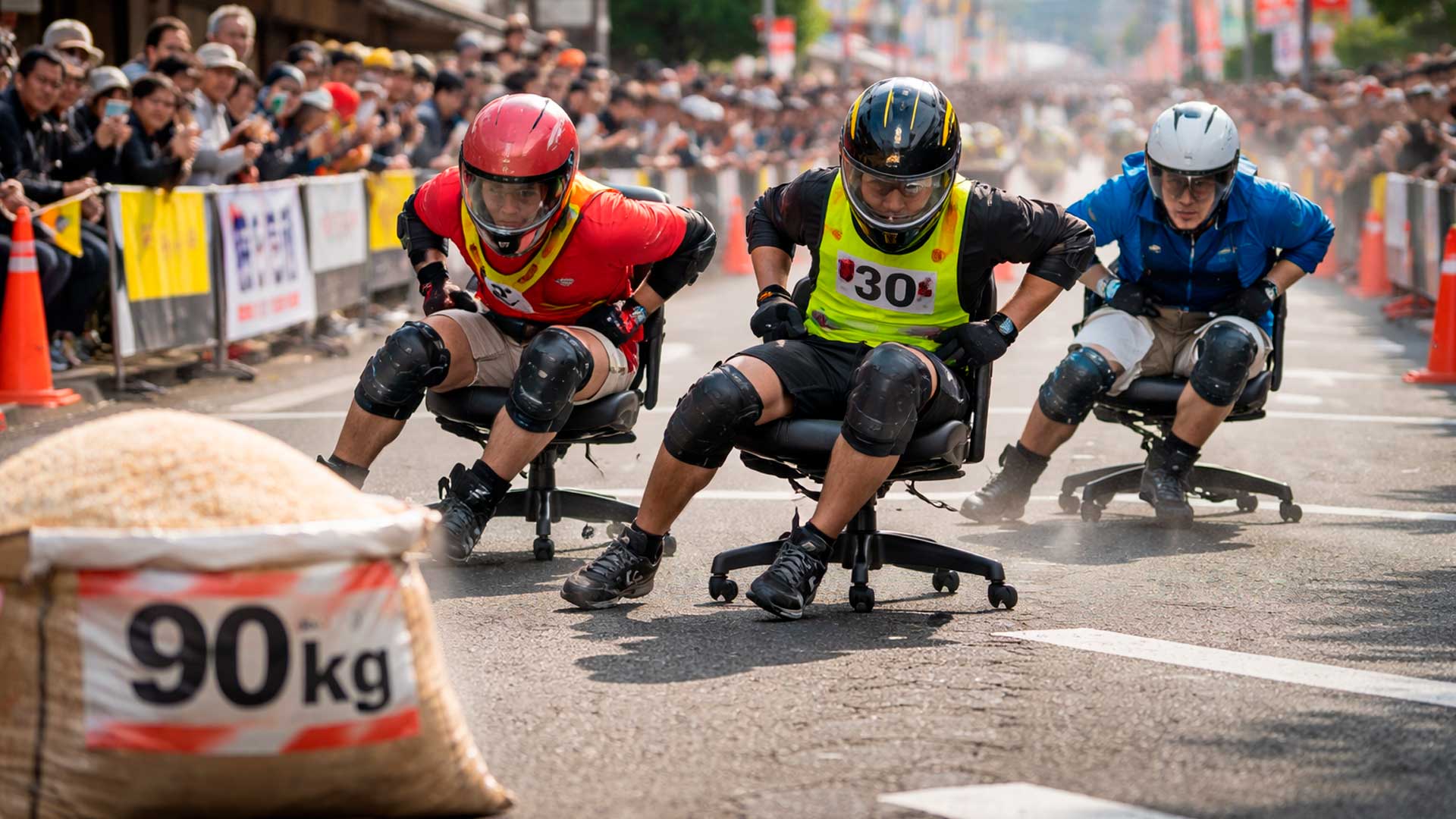
With an unusual prize, Japan transforms office chairs into a resistance race on the streets, the ISU-1 Grand Prix grows, fills events, and pays 90 kilograms of rice.
-
With a façade that resembles a giant zipper, the building in Milan creates a sense of strangeness, featuring lighting that transforms engineering and attracts the attention of residents and tourists.

-
The Brazilian city has 319 crooked buildings built on sandy soil without proper deep foundations, houses the largest beach garden in the world, with over 5 km, and is still considered the birthplace of surfing — meet Santos, in São Paulo.

The operation is based in Santa Maria and integrates about ten military units, focusing on data collection, aerospace surveillance, special reconnaissance, close air support, suppression of enemy air defenses, and cyber defense.
According to the commander of the Santa Maria Air Base and director of the exercise, Colonel Aviator Arthur Ribas Teixeira, the training was designed to keep pace with the speed at which conflicts change.
“Nowadays, we see that current conflicts evolve very quickly. They modernize rapidly with new means, new defenses, new interception aircraft, and new tactics,” he stated.
According to him, the training aims to keep the Air Force’s resources ready for different missions related to intelligence, surveillance, and reconnaissance.
Multidomain Warfare Guides Training in Santa Maria
The logic of the exercise is based on a central premise: before any action, it is essential to understand the operational environment and the capabilities of the opponent.
Colonel Arthur summarized this point by stating that “knowledge of the opponent is crucial” for any action to be executed efficiently.
In practice, the training simulates the identification of strategic positions, threat assessment, and the refinement of this information until it can guide real-time decisions.
In this model, operation in multidomain plays a decisive role.
The term, used by the military, describes the integration of resources employed across different fronts, such as land, air, space, and the digital environment, to build a broader understanding of the crisis scenario.
Instead of operating with isolated means, the exercise combines information obtained from sensors, aircraft, ground troops, and electronic systems to form a continuous situational awareness of the monitored area.
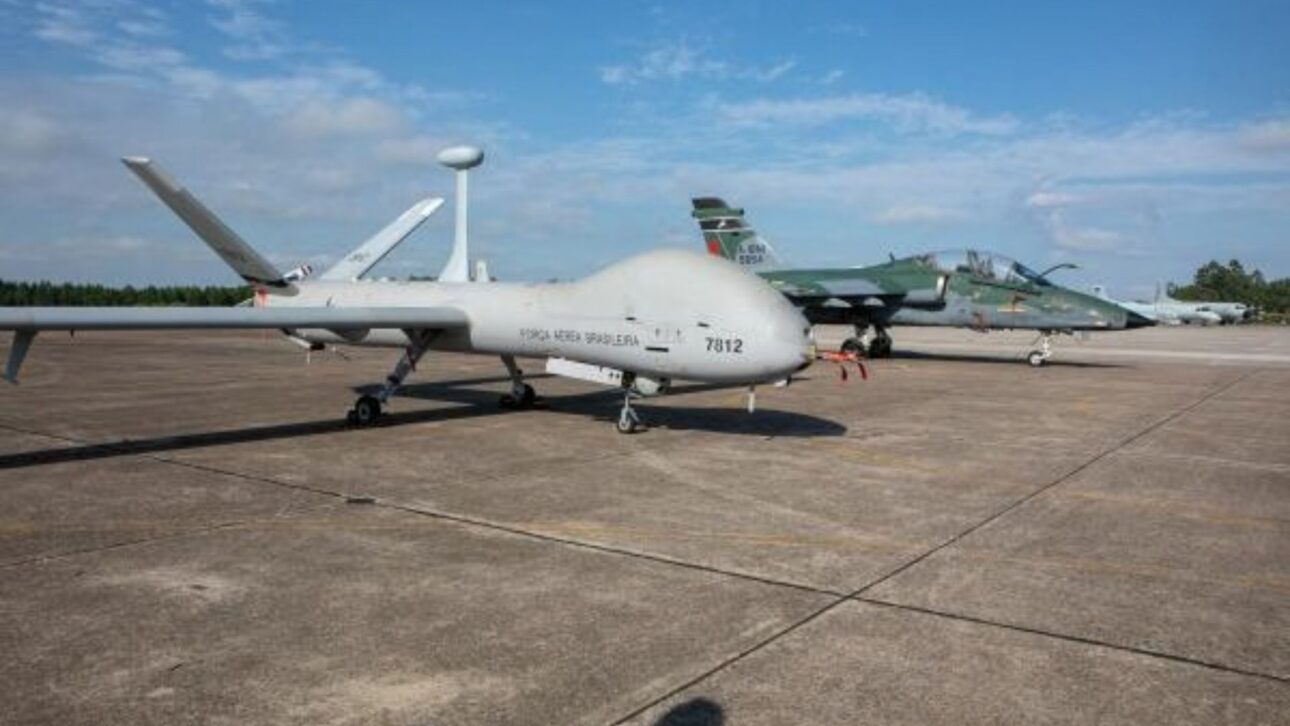
RQ-900 Drone Enhances Surveillance with Up to 30 Hours of Flight
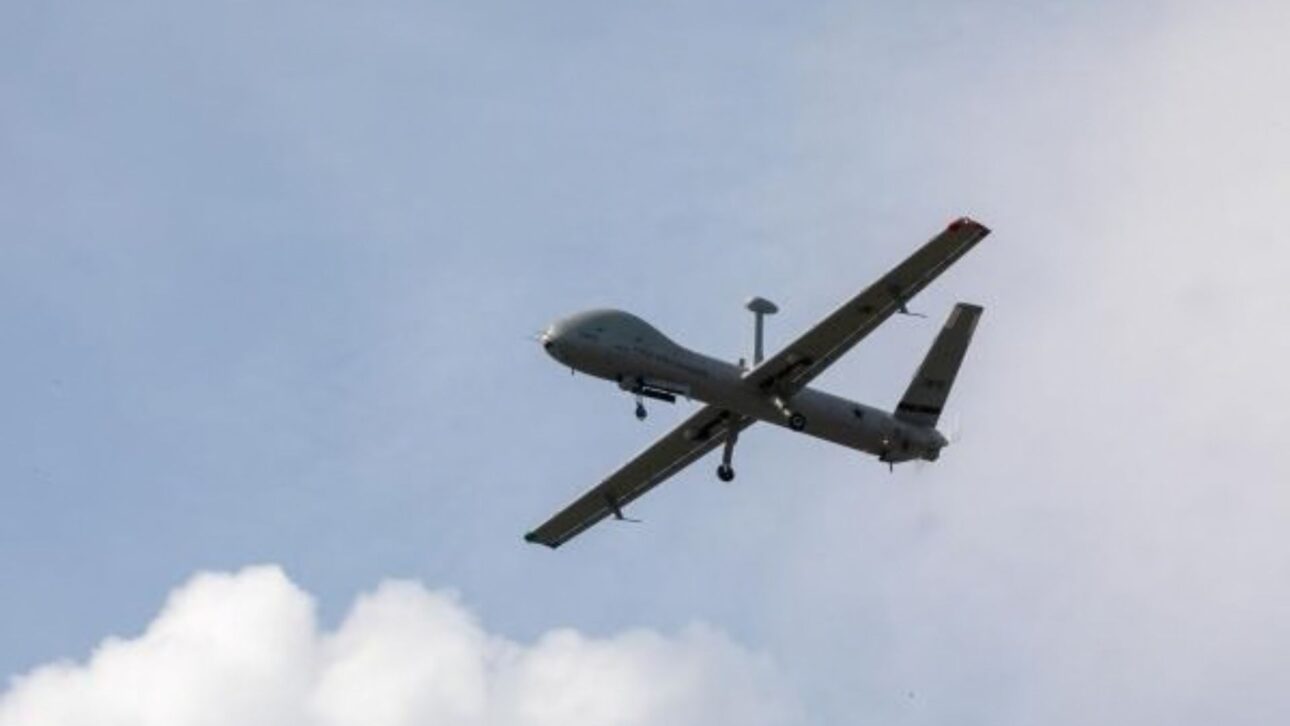
One of the most notable pieces of equipment in the training is the RQ-900, a remotely piloted aerial vehicle used by the FAB for surveillance and reconnaissance missions.
According to the report published in Santa Maria, the aircraft can remain in the air for about 30 continuous hours, a capability that extends prolonged monitoring of areas of interest and support to ongoing operations.
This type of endurance in the air is significant as it allows gradual changes in terrain to be tracked and movements to be identified without relying solely on short observation windows.
FAB Fighters, Army Armored Vehicles, and Air Defense in the Exercise
In addition to drones, the exercise brings together fighter, patrol, reconnaissance, helicopters, and air defense systems.
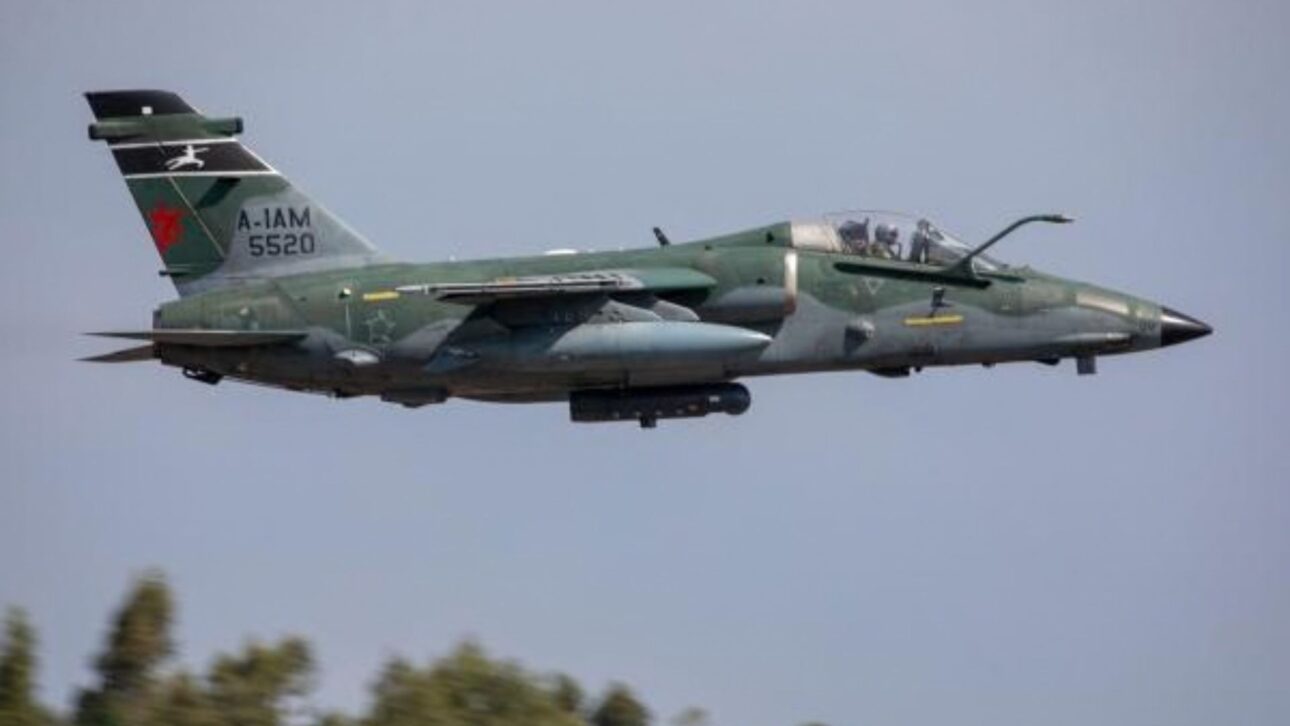
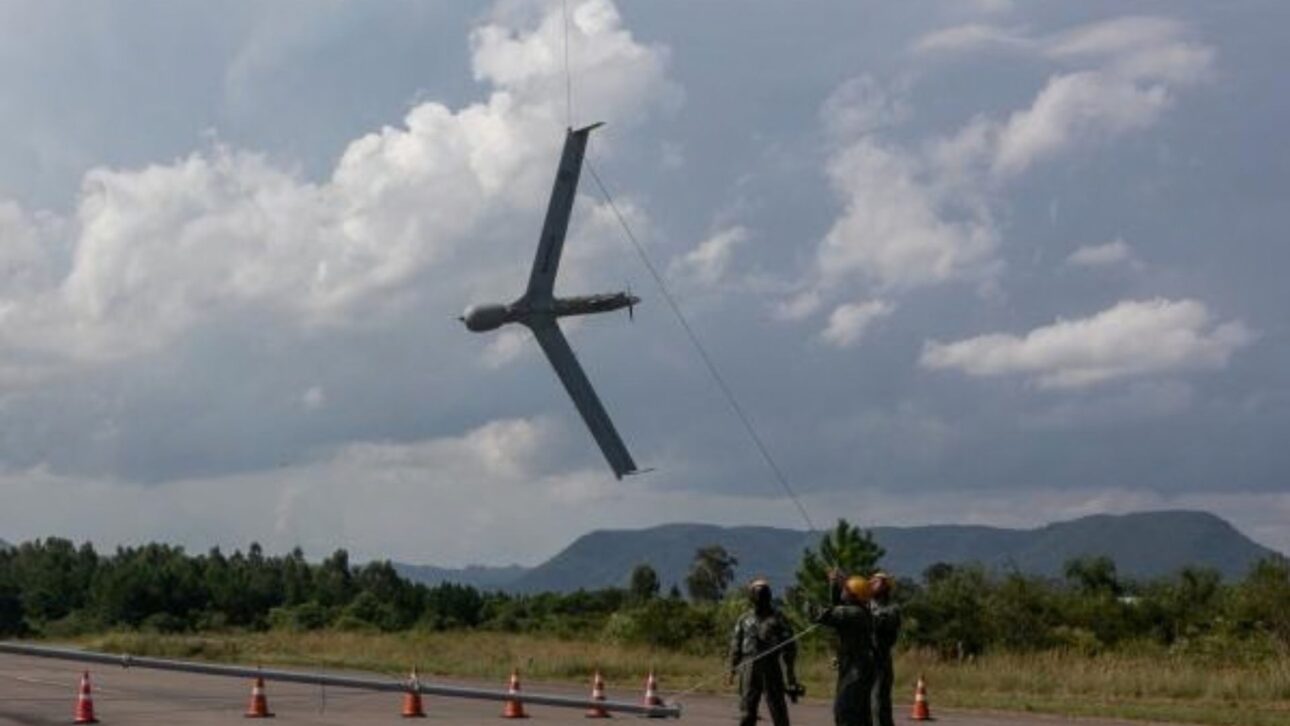
Among the aircraft and equipment used are A-1M, A-29, C-98, R-99, P-3AM, H-60L, and P-95M, in addition to the remotely piloted aircraft RQ-900 and RQ-1 ScanEagle, the latter belonging to the Navy.
Defense systems such as IGLA-S and Army armored vehicles like M-113, Guarani, and Gepard are also participating, according to the information released about the operation in Santa Maria.
In official publications about the 2025 edition of EXOP IVR, the FAB reported that the training in Santa Maria also served to reinforce interoperability among the three Armed Forces and expand the coordinated use of air defense resources, patrol aviation, reconnaissance, and cyber defense.
The continuation of this format in 2026 helps to show that the gaúcha base has solidified as one of the preparation centers for complex operational scenarios, where the flow of information is as crucial as the response capability.
Two Phases Simulate from Information Gathering to Open Conflict
This month’s training has been divided into two phases.
In the first phase, until March 7, the scenario simulates a period of peace, in which missions focus on information gathering within friendly territory, with less exposure of the employed resources.
The second phase, scheduled between March 9 and 14, represents an environment of open conflict, with more overt actions, such as suppression of enemy air defenses and close air support.
This division allows teams to train the transition from a period of observation and preparation to a more aggressive employment of available resources.
This operational design also serves as a test for sensors, communications, and doctrine.
By simulating hybrid threats and integrating different platforms, the Armed Forces are able to measure how their systems respond under pressure, which gaps persist, and what adjustments can be made to future procedures.
According to the base commander, this process favors both doctrinal evolution and readiness capability, two factors considered essential in crisis or confrontation scenarios.
Integration Between FAB, Army, and Navy is at the Center of the Operation
Another key aspect of the exercise is the joint action between the Air Force, Army, and Navy.
The evaluation from the command of the Santa Maria Air Base is that isolated employment of resources reduces efficiency, while integration enhances the utilization of complementary capabilities during crises.
This interoperability brings together, in the same training environment, squadrons of fighters, patrol, reconnaissance, control, communications, and air defense, as well as armored troops and remotely piloted aircraft from other Forces.
Santa Maria has hosted the exercise again due to its strategic conditions considered by the FAB, such as operational structure and airspace compatible with large-scale missions.
The base has been receiving this type of training since 2019, and the commander stated that the activity has reached its seventh edition, with successive improvements in doctrine, planning, and resource employment.
This history helps explain why the city remains at the center of training aimed precisely at anticipating, with the utmost realism possible, the challenges of contemporary warfare.






Mega exercícios com 300 militares, kkkk, com dois caças e dois drones, kkkkkkkkkkkkkkkk
Agora gastou de vez o restinho do combustível que tinha no tanque. Não invente que não aguenta nem 30min de guerra.
Medo do lules está claro.. kkkk