





 Português
  Inglês
  Espanhol
  4 min de leitura
  0 comentários


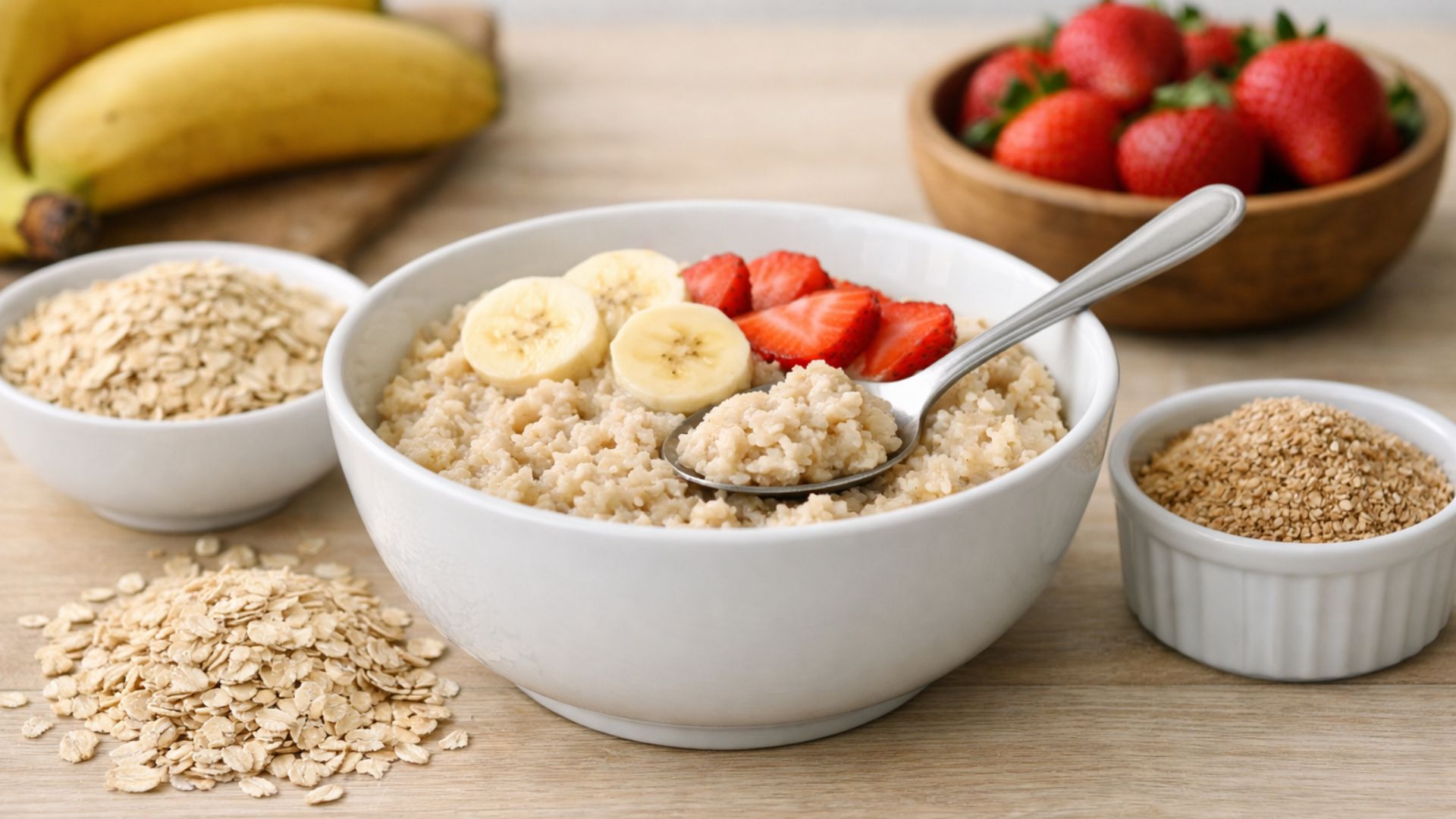
Discreet presence at breakfast hides compound associated with cholesterol reduction and glucose control, according to clinical studies and international regulatory bodies that analyze dose, type of oats, and food context to validate their metabolic effects.
The oats present in porridge, bread, and breakfast cereals remain at the center of a scientific and regulatory discussion due to a specific component: beta-glucan, a soluble fiber associated with the reduction of LDL, the bad cholesterol, and lower glucose responses after meals.
The decisive point, according to official assessments and clinical trials, is not the generic consumption of the cereal, but the amount effectively delivered by recognized sources, such as bran, flakes, and whole grain flour.
Beta-glucan from oats and impact on cholesterol
This distinction helps to understand why oats have gained unusual status among everyday foods.
-
Nestlé said it always encourages people to take a break with KitKat, but the thieves took the message too far by stealing 12 tons of chocolate from a truck that disappeared between Italy and Poland.

-
Neither in the refrigerator nor in a plastic bag: this is the correct way to store garlic.

-
While breaking the kitchen floor during a renovation, residents in England found 260 gold coins hidden for over 300 years, with pieces dated between 1610 and 1727 and an estimated value of hundreds of thousands of pounds.

-
More tolls! The Anchieta-Imigrantes system will start implementing charges in both directions with free flow on July 1st, a fee of R$ 19.35 per segment, the end of toll plazas, and a project for a new 21.5 km lane.


In the United States, the FDA maintains the authorization of the claim that diets low in saturated fat and cholesterol, when including soluble fiber from specific sources of oats, may reduce the risk of heart disease, always in the realm of risk reduction and never as a promise of treatment or cure.
Scientific evidence on LDL reduction


The basis of this attention lies in repeated results from intervention studies.
A meta-analysis published in the American Journal of Clinical Nutrition gathered 28 randomized clinical trials and found that daily intake of 3 grams or more of oat beta-glucan reduced LDL by an average of 0.25 mmol/L and total cholesterol by 0.30 mmol/L, with no significant effect on HDL or triglycerides.
Therefore, it is not a benefit attributed automatically to the word “oats.”
What the studies analyze is the quantifiable presence of fiber, in standardized doses, within a defined dietary pattern, which is why scientific literature and labeling standards refer to beta-glucan and not any product that merely includes the cereal in its formula.
Ideal amount of beta-glucan per day
The official rules follow this same logic.
The FDA regulation stipulates that the heart-related claim must specify the need for 3 grams per day of oat or barley beta-glucan, within a diet low in saturated fat and cholesterol, and requires that the packaging clearly indicates how much a serving of the food contributes to this daily total.
In Canada, the framework is similar but with additional composition criteria.
Health Canada recognizes cholesterol reduction with the consumption of oat beta-glucan and establishes that the minimum effective daily dose is 3 grams, in addition to requiring at least 0.75 grams per serving for a food to use the corresponding claim.
These regulatory requirements change the perspective on the shelf.
A cookie, a bar, or a drink sweetened with small amounts of oats may even leverage the image of the cereal, but that does not mean it delivers the same amount of fiber used in studies or that it meets the conditions required by health authorities.
Difference between oat bran, flakes, and flour
The difference between the forms of the grain is also relevant.
Health Canada considers oat bran, flakes, and whole grain flour as eligible sources, and states that bran must provide at least 5.5% of beta-glucan on a dry basis, while flakes and whole grain flour need to deliver at least 4%.
In practice, this helps to explain why seemingly similar preparations can have distinct effects.
A recipe with a small amount of oats may fall short of the ranges used in clinical research, while more concentrated portions of bran or whole oats tend to more easily meet the regulatory and nutritional targets observed in studies.
Oats and glucose control after meals
The discussion about glycemia has advanced more recently.
In an opinion published on February 20, 2026, the European Food Safety Authority concluded that there is a cause-and-effect relationship between the consumption of oat beta-glucans and the reduction of glucose peaks after meals, provided that the fiber is consumed under the evaluated conditions.
The opinion is technical and imposes a clear condition.
The meal must contain at least 30 grams of available carbohydrates per serving and, for every 30 grams of those carbohydrates, at least 3 grams of oat beta-glucans.
Furthermore, the EFSA reported that the conclusion was supported, among other data, by 16 relevant human intervention studies.
This focus is important because it prevents simplified readings.
What was supported was not a generic notion that “oats are good for blood sugar,” but a specific relationship between dose, meal composition, and glycemic response observed shortly after consumption, within parameters defined in formal regulatory analysis.
What changes in the choice of oats in everyday life
Oats remain a simple, inexpensive, and widely available food, but the scientific interest surrounding them stems from something measurable.
Health authorities and researchers have begun to look less at the cereal as a symbol of healthy eating and more at beta-glucan as a fraction capable of producing specific metabolic effects when consumed in adequate amounts.
Still, the regulation itself makes it clear that health claims do not equate to therapeutic promises.
The FDA clarifies that this type of message concerns risk reduction and not diagnosis, cure, mitigation, or treatment of disease, which preserves the difference between dietary strategy, clinical monitoring, and the use of medications when indicated.
Therefore, the most useful data for the consumer is not the idea of a “superfood,” but the combination of source, dose, and nutritional context.
When oats appear in recognized forms, with sufficient levels of beta-glucan and within a balanced diet, the literature supports measurable benefits on markers that typically appear in routine tests, especially cholesterol and postprandial glycemic response.






Seja o primeiro a reagir!