





 Portuguese
  English
  Spanish
  5 min of reading
  0 comments


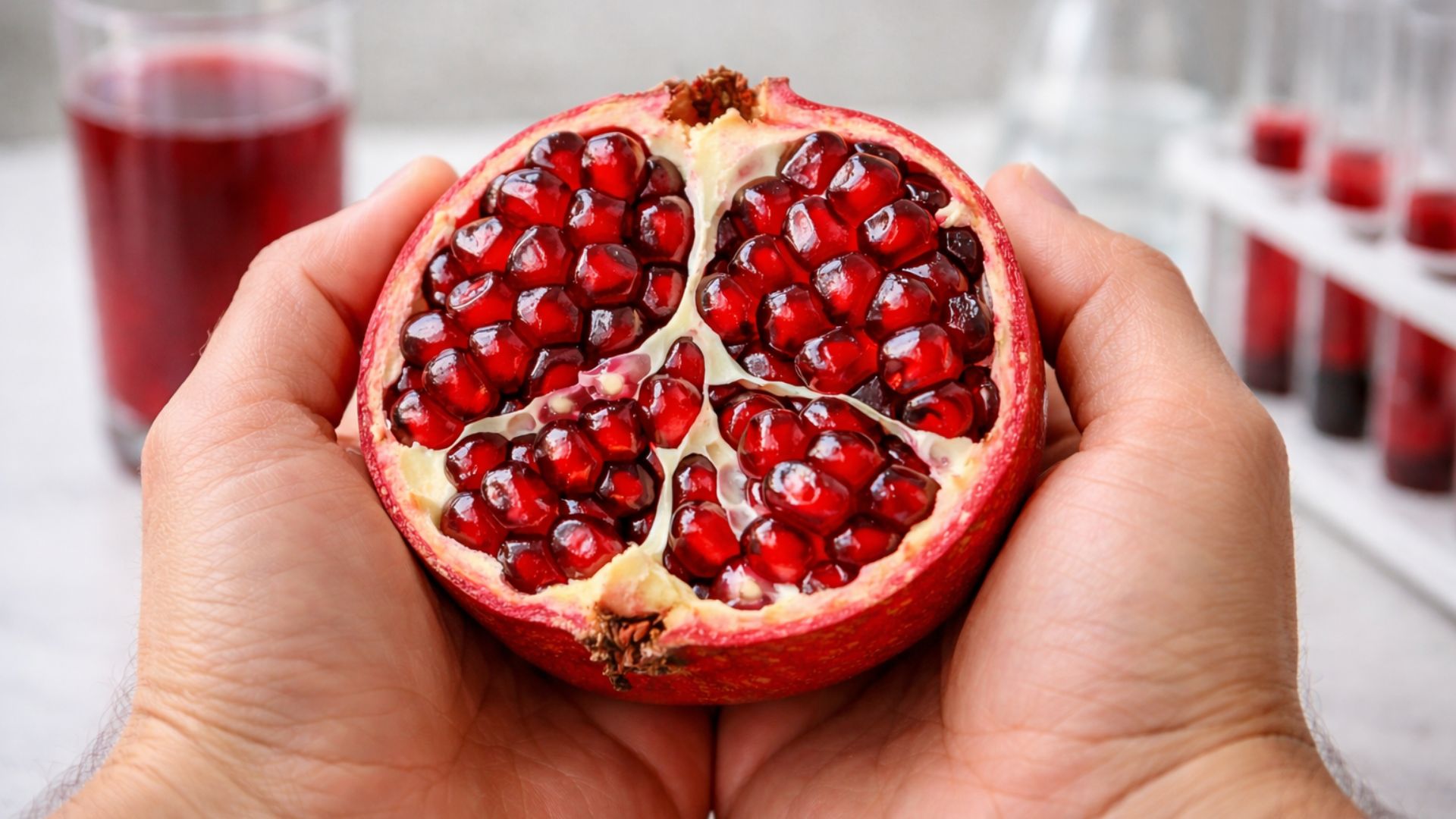
Ancient fruit enters the scientific radar due to antioxidant compounds associated with memory and blood pressure, with clinical studies pointing to specific and still non-uniform effects on cognition and vascular health, while researchers investigate biological mechanisms linked to punicalagins.
Pomegranate has taken on a more defined space in nutritional research because it brings together compounds that are no longer evaluated only in the laboratory but also in clinical trials with people.
Among them, punicalagins have gained prominence for appearing in high concentration in the juice obtained from the whole fruit and for being associated, in the most cited studies, with outcomes related to blood pressure, vascular function, and specific aspects of cognitive performance.
Although the fruit has been consumed for centuries and has a long presence in food and medicinal traditions, current scientific interest is based on more objective measurements.
-
Amateur archaeologists were searching a forest in Poland with metal detectors when they found a ceramic pot buried for over 1,500 years. Inside was a pure gold necklace weighing 222 grams, folded to fit in the vessel, and when experts examined the piece, they discovered it was the first Gothic torque ever found in Polish territory.

-
Argentina patrols the South Atlantic with ships built in France and monitors over 1.1 million km² with 87 m OPVs, a range of 7,500 miles, 360° radar, and a 30 mm cannon against illegal fishing in the 200-mile zone.

-
U.S. gardeners are starting to replace a historic item with a lighter, quieter battery model that doesn’t require fuel mixing.

-
Researchers from UFJF analyzed an audio tape from 1955 and concluded that Chico Xavier got 88% of the information about 18 deceased people in Portugal whom he had never met, and the international scientific journal Explore has just published the study that is reigniting the debate between science and spirituality 71 years later.

Instead of treating pomegranate as a generic symbol of healthy eating, recent literature attempts to identify which compounds are involved, how they are metabolized, and under what conditions measurable effects appear in the human body.
Compounds of pomegranate and the action of punicalagins in the body
From a chemical standpoint, pomegranate is considered a complex matrix of bioactive substances, and not just a fruit rich in flavor and pigments.
The chapter from NCBI dedicated to ellagitannins informs that the juice produced from the whole fruit especially concentrates these compounds and contains punicalagin, described there as the polyphenol with the highest molecular weight known in that context of analysis.
This data helps explain why scientific investigation is not limited to the consumption of the fruit in natura.

The same review reports that punicalagins are hydrolyzed in the intestine into ellagic acid and then transformed by the microbiota into urolithins, metabolites that have also begun to be studied for possible biological activity, especially in processes linked to inflammation, aging, and vascular integrity.
Studies on memory and brain aging
In the cognitive area, one of the most remembered studies was published in 2013 and evaluated middle-aged and elderly adults with mild memory complaints.
According to the article indexed in PubMed, 32 participants were randomized, 28 completed the trial, and the group that received pomegranate juice showed improvement in memory tests, as well as greater brain activity measured by functional magnetic resonance imaging.
The result drew attention because it involved a commonly consumed food, not a new medication, but the very design of the study imposed caution.
It was a preliminary trial, with a short duration and a small number of participants, which paved the way for longer research, without allowing for a broad or definitive protective effect on the brain to be claimed on its own.
This next step came in a larger study, published in the American Journal of Clinical Nutrition, with 261 adults aged 50 to 75 years.
In the randomized, double-blind, placebo-controlled trial, participants consumed 236.5 mL per day of pomegranate juice or placebo beverage for 12 months, and the main observed signal was the stabilization of the ability to learn visual information over the period.
The authors themselves noted that other cognitive measures evaluated did not show significant differences between the groups, which placed pomegranate in a more specific position within the literature.
Instead of a uniform effect on all memory, what exists so far is a localized clinical signal, which still depends on replication and careful interpretation.
Blood pressure and more consistent cardiovascular effects

In cardiovascular health, the most stable part of the evidence continues to focus on blood pressure.
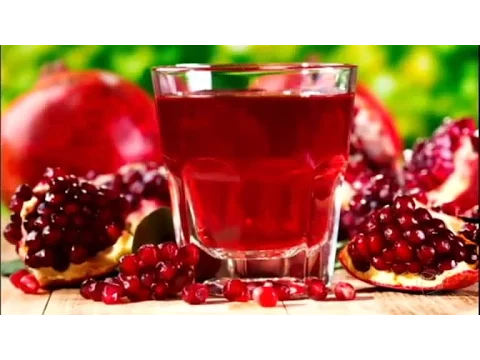
The NCCIH states that pomegranate juice or extract may help reduce blood pressure, although it emphasizes that additional studies are still needed to confirm and better quantify this effect.
This institutional assessment aligns with the result of a meta-analysis published in 2023, which gathered 14 clinical trials and 573 participants.
According to the authors, the consumption of pomegranate juice was associated with an average reduction of 5.02 mmHg in systolic pressure, with a more evident benefit in interventions of up to two months; within this scope, there was also a decrease in diastolic pressure.
When the analysis moves from the blood pressure device to endothelial function markers, the reading becomes less linear.
A meta-analysis published in 2021 concluded that pomegranate juice did not produce a significant effect on ICAM-1, VCAM-1, and E-selectin, but was associated with a reduction in IL-6, an inflammatory marker monitored in studies of vascular dysfunction.
Limits of current science on pomegranate and health
The heterogeneity of studies helps explain why the literature still avoids very broad conclusions about the fruit.
A critical review from 2021 noted that 86 studies in humans had already evaluated pomegranate juices and extracts, but pointed out that the most promising clinical evidence, although still limited, remains concentrated on the improvement of blood pressure, while results on inflammation, cognition, microbiota, and other outcomes remain inconsistent.
Moreover, much of the work did not simply investigate the everyday habit of eating pomegranate, but rather specific preparations, especially standardized juices and extracts.
The NCCIH highlights that many studies use juice instead of supplements, that most commercial claims cannot yet be safely supported, and that, although juice is considered safe, parts such as root, stem, and peel are not safe in large quantities.
This set of data shifts the discussion to a more precise point.
Pomegranate has moved from the realm of folkloric curiosity to that of clinical observation, but what science can affirm today is more limited than advertising often suggests: there are relevant compounds, there are human results of interest, and there are more solid signals in blood pressure than in memory or in more complex vascular markers.
Therefore, the growing interest in the fruit does not stem only from its food tradition but from the combination of rich chemical composition and effects that have begun to be measured methodically.
Still, the most accurate portrait of the available evidence indicates an area in development, in which pomegranate appears less as a ready-made solution and more as a promising object of research in nutrition, aging, and cardiovascular health.







Seja o primeiro a reagir!