





 Portuguese
  English
  Spanish
 3 min of reading
  0 comments


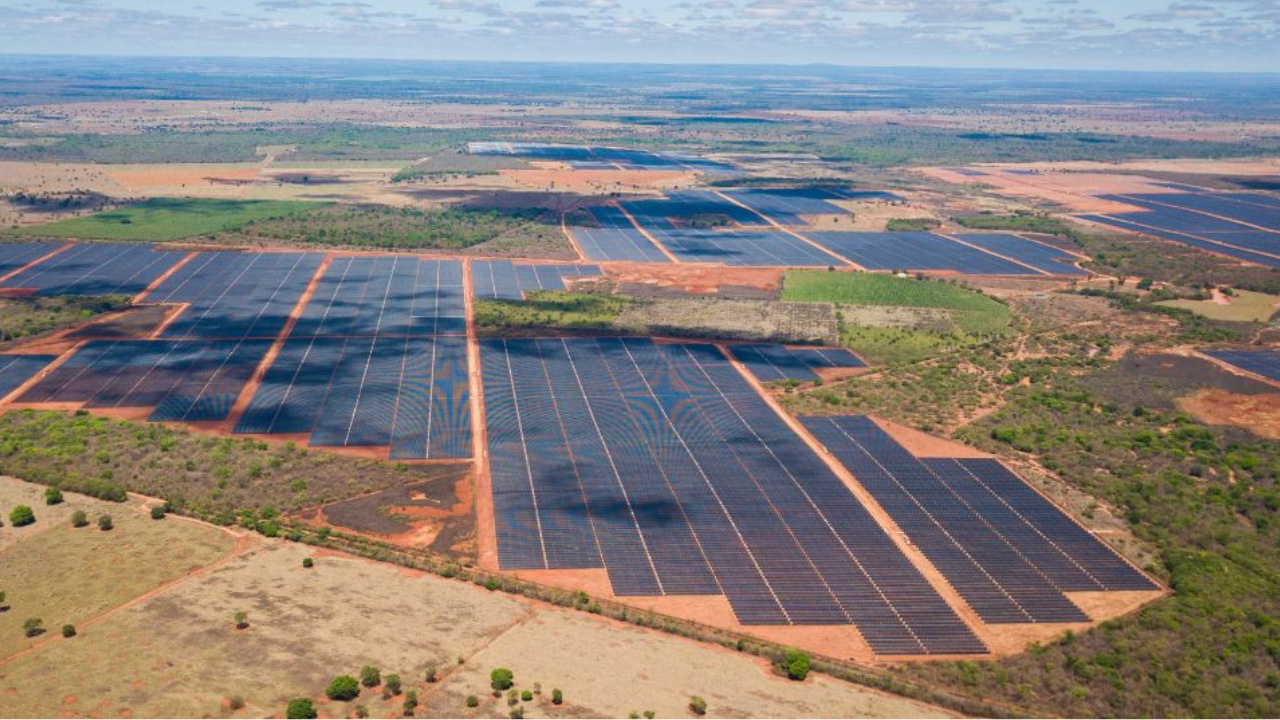
With 11 New Solar Energy Projects, Minas Gerais Stands Out in Brazil’s Energy Expansion. State Surpasses 1 GW in New Operations and Boosts Regional Development with Job Creation and Sustainability.
Minas Gerais reaffirms its position as a leader in solar energy generation in Brazil. The state was responsible, in October, for the largest energy expansion in the country, according to data from the National Electric Energy Agency (Aneel). 11 new projects were inaugurated last month, all located in Novo Oriente de Minas, in the Vale do Mucuri, adding 485.10 megawatts (MW) to the Brazilian energy matrix.
This advancement confirms the mining vocation for renewable sources, especially solar, which has become the flagship of regional energy diversification. By the end of 2025, Minas already totals 1,038.35 MW in new operations, trailing only Rio de Janeiro, which leads with 1,672.60 MW of added capacity.
State Transforms into a Hub of Solar Energy in Brazil
The energy market consultant of the Federation of Industries of the State of Minas Gerais (Fiemg), Sérgio Pataca, explains that the result is a product of a structural transformation in the mining matrix. “The vocation of Minas Gerais has ceased to be exclusively hydropower and has solidified as a hub of solar energy,” he stated.
-
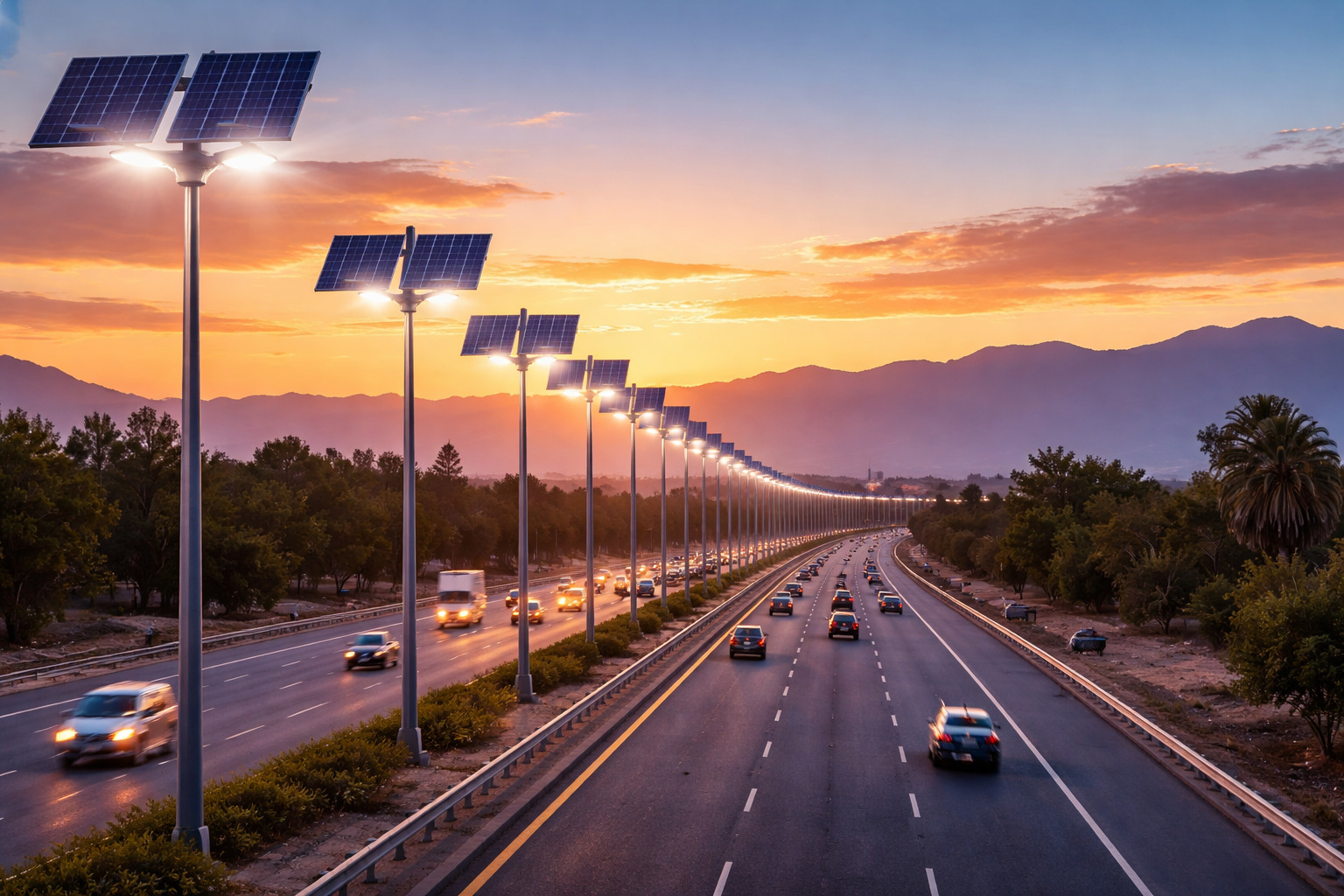
Argentina debuts its first 100% solar-powered highway and transforms an entire road into a showcase of clean energy.
-
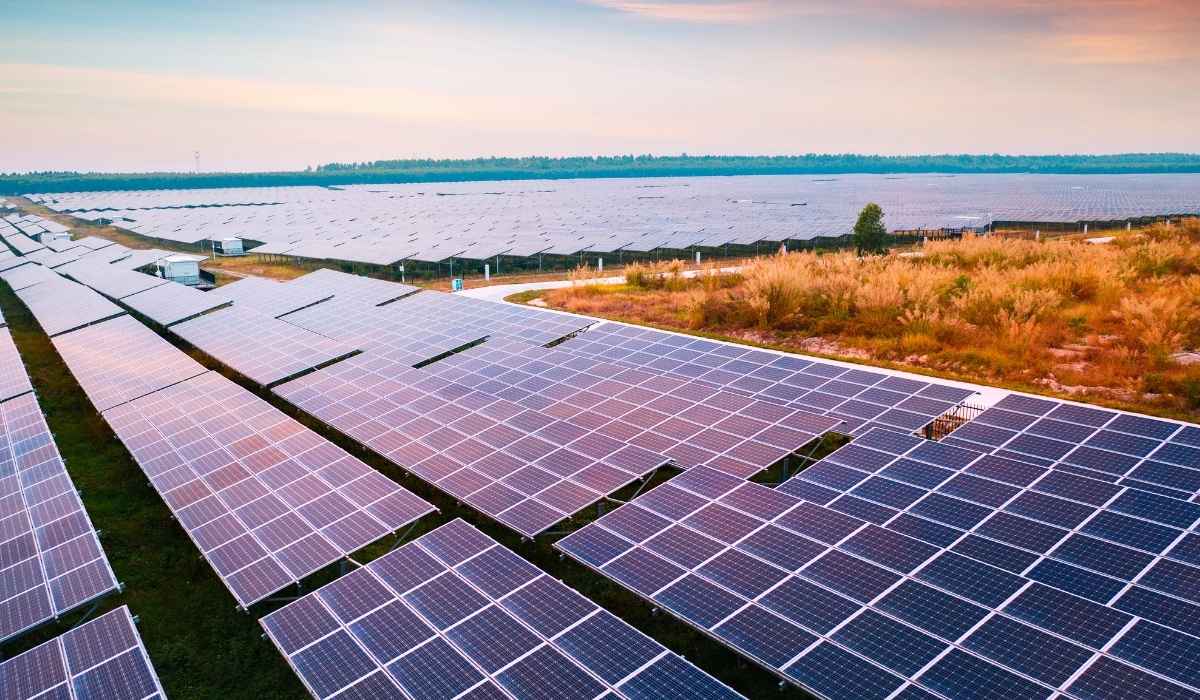
Minas Gerais reaches a historic record and surpasses the power of Itaipu, but network costs generate debate: Understand why solar energy in MG impacts the electricity bill of those without panels.
-
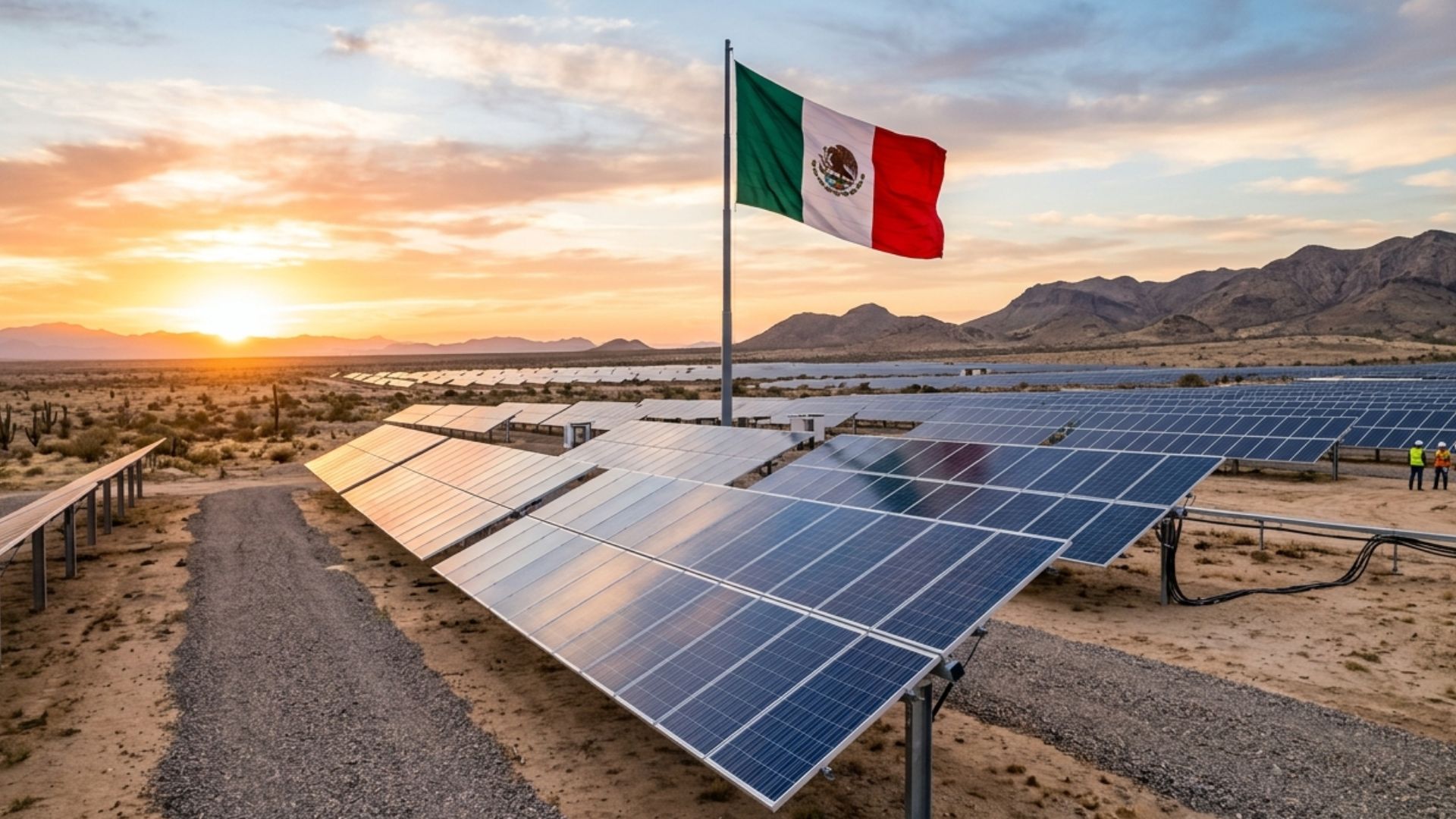
Mexico surprises the world by building the future largest solar plant in Latin America, advancing with planned expansion to over 1 GW, and boosting solar energy in the country.
-
Solar cells have just achieved the “impossible” with this 130% breakthrough.

According to him, 95% of the new plants installed in the state in 2024 were solar — and by 2025 this number has already reached 100%. The expansion is concentrated particularly in Northern Minas and the Triângulo Mineiro, regions where the dry climate and high solar radiation make photovoltaic technology more advantageous.
“Today, in installed capacity, solar energy is already the second largest source in the state: hydroelectric plants account for 51% and solar for 33%,” highlights Pataca, showing how Minas has become a reference in energy transition in Brazil.
Regional Development Driven by Sustainable Energy
In addition to being sustainable, the expansion of solar energy has been a driver of regional development. Regions historically lacking infrastructure, such as the Vale do Jequitinhonha and the Vale do Mucuri, have been receiving investments that create jobs and improve the quality of life of the population.
“Besides being a sustainable alternative, the expansion continues to develop the region, with job training, such as electrical and electromechanical technician, to meet the growing market,” emphasizes the consultant.
By December, four new solar plants are expected to come online in Minas Gerais — three of them in the Vale do Mucuri — reinforcing the local potential to become one of the main solar hubs in the country.
Solar Energy and Economy Go Hand in Hand
The accelerated growth of solar energy in Minas Gerais is directly related to economic performance. According to Pataca, energy demand keeps pace with the Gross Domestic Product (GDP) and industrial production.
“The growth in demand is directly linked to the advancement of production and GDP. The more the economy grows, the greater the consumption of solar energy, whether industrial, residential, or commercial,” he explains.
However, the specialist warns that, with the slowdown of the national GDP and the current economic scenario, it is likely that the creation of new enterprises will enter a phase of stability in the coming months.
Energy Transition and Opportunities for the Future
Despite the forecast of stability, technological advancement and the global debate on decarbonization indicate new opportunities for Brazil. The expansion of sectors such as artificial intelligence and the increased use of the internet boost the demand for clean energy, particularly in data centers, large consumers of electricity.
In Pataca’s view, the future of the energy sector is linked to the country’s ability to follow this global trend. “If being more renewable is not a global trend, Brazil loses the chance to host big businesses,” he asserts.
With these advancements, Minas Gerais not only expands its leadership in solar energy, but also consolidates itself as an example of how technological innovation and sustainability can go hand in hand in strengthening the regional and national economy.








Seja o primeiro a reagir!