





 Portuguese
  English
  Spanish
  7 min of reading
  0 comments


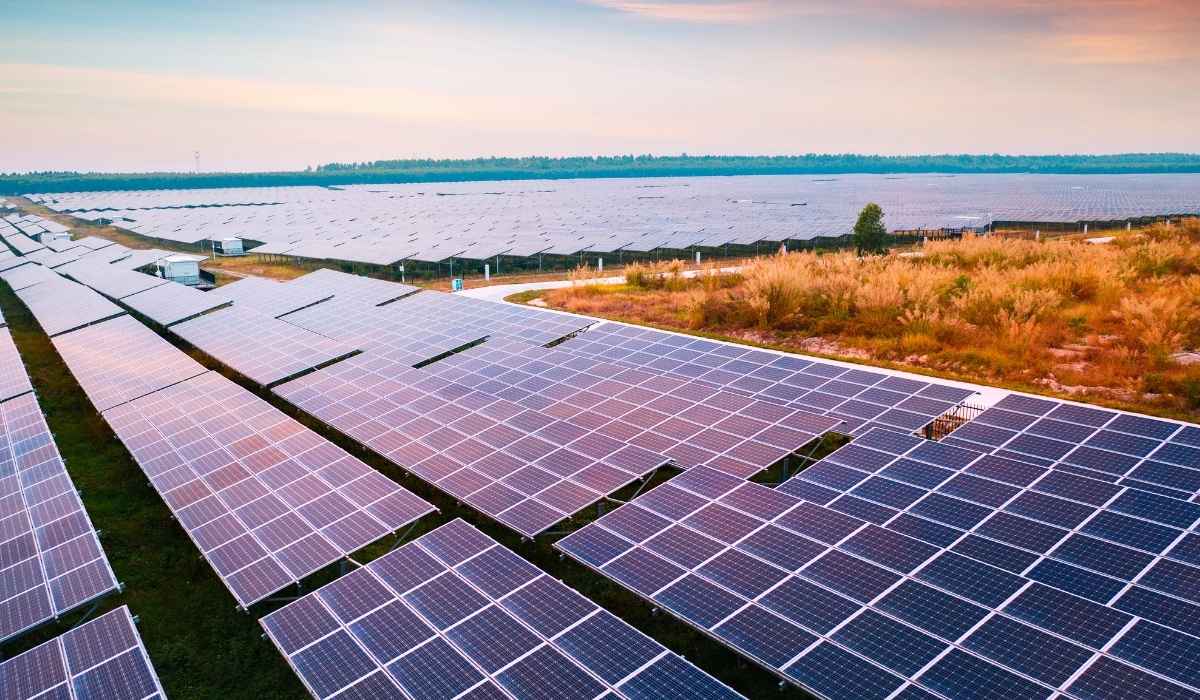
With an accelerated growth that exceeds the mark of 14 gigawatts, solar energy in MG consolidates Minas Gerais’ leadership in the sector, although the distribution of infrastructure costs pressures the rates of conventional consumers.
The state of Minas Gerais has just reached an unprecedented milestone in the history of the Brazilian electricity sector. The installed capacity of solar energy in MG has officially surpassed the generation capacity of the Itaipu Hydroelectric Plant.
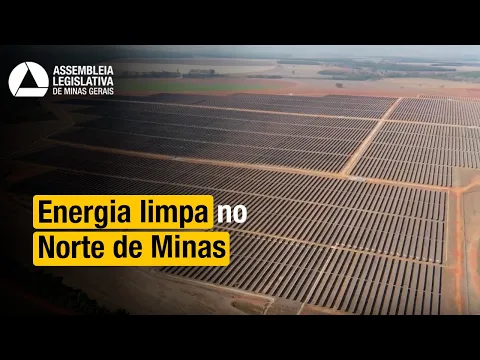
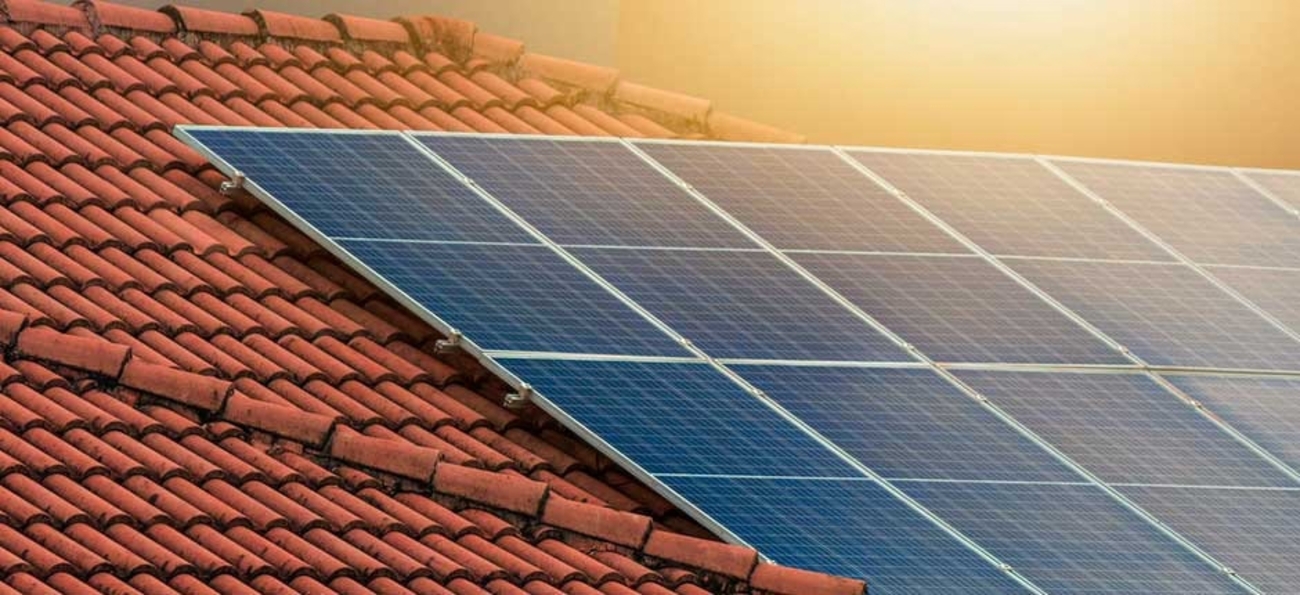
The territory of Minas now totals more than 14 gigawatts (GW) of operational capacity, considering both large photovoltaic plants and small systems installed on residential and commercial rooftops.
This volume of generation places the state at the forefront of the energy transition. However, it brings to light a complex economic challenge for the local distributor and regulatory bodies.
-
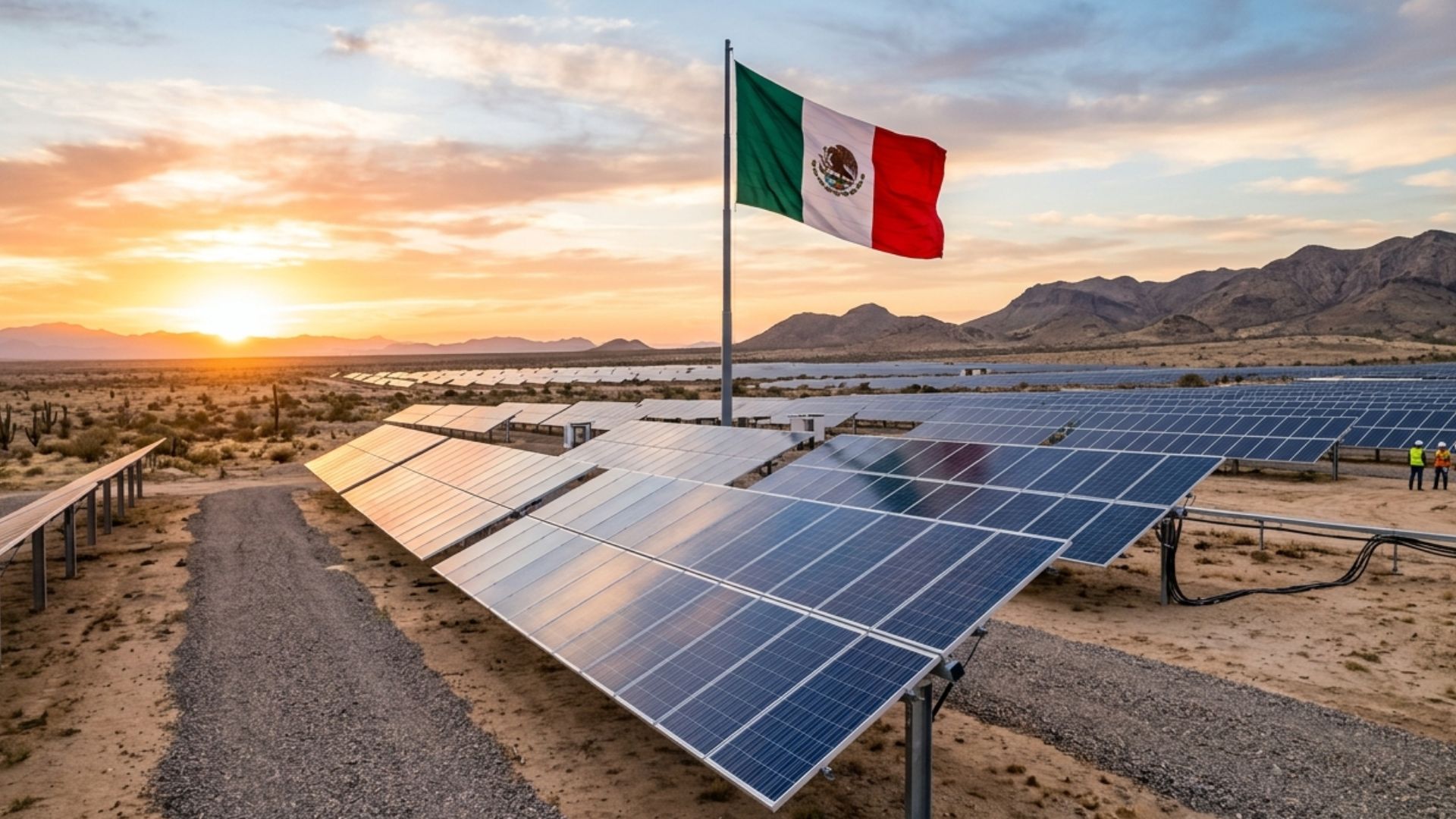
Mexico surprises the world by building the future largest solar plant in Latin America, advancing with planned expansion to over 1 GW, and boosting solar energy in the country.
-
Solar cells have just achieved the “impossible” with this 130% breakthrough.

-
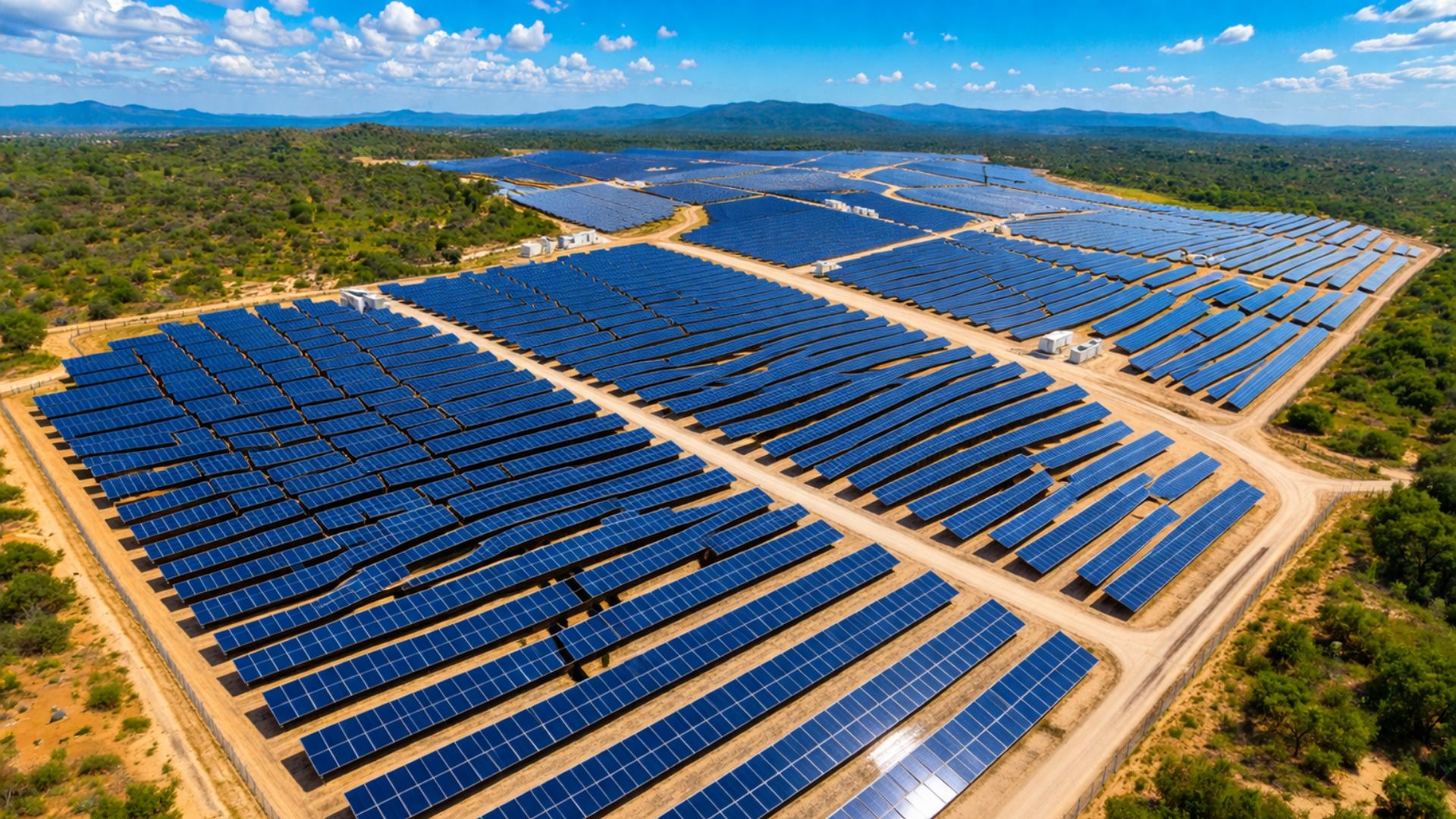
The Sol do Agreste Photovoltaic Complex begins operations in Pernambuco and accelerates the expansion of solar energy in Brazil, directly impacting the reduction of emissions and strengthening the sustainable energy matrix.
-
The Sol do Agreste Photovoltaic Complex begins operations in Pernambuco and accelerates the expansion of solar energy in Brazil, directly impacting the reduction of emissions and strengthening the sustainable energy matrix.
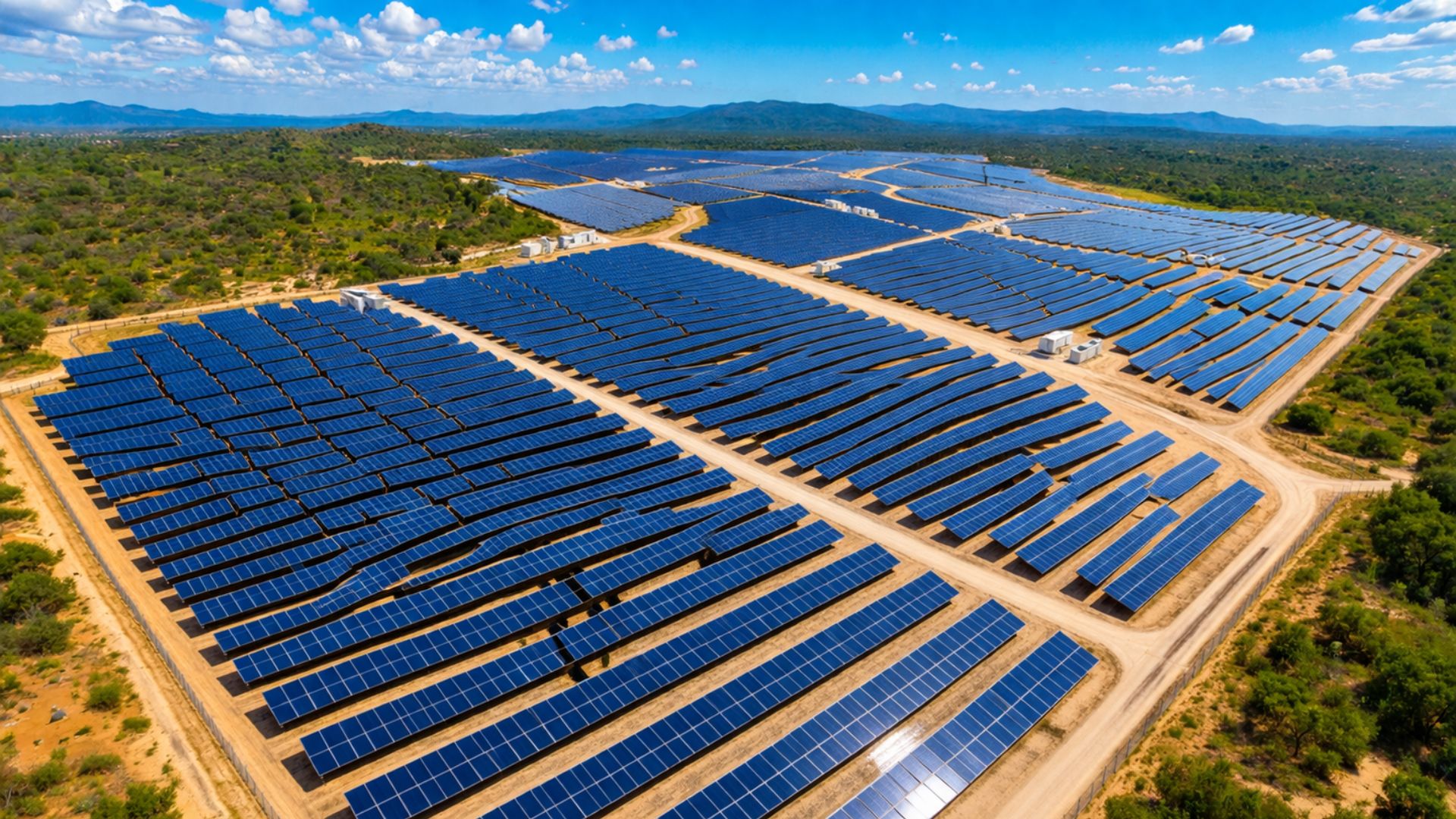

While thousands of consumers reduce their monthly bills through self-generation, the cost of maintaining the electrical grid remains the same and falls predominantly on those who still depend entirely on the traditional system.
This scenario generates a tariff phenomenon where the middle class and low-income families end up indirectly subsidizing the infrastructure used by those who produce their own energy.
The state government and Aneel are closely monitoring this imbalance, seeking solutions that maintain the incentive for clean sources without compromising the finances of the average citizen.
The phenomenon of accelerated expansion: Why does solar energy in MG grow so much?
The absolute leadership of Minas Gerais in the national ranking does not happen by chance, as solar energy in MG benefits from a unique combination of geographic, legislative, and economic factors. The state has solar radiation indices comparable to those of the Brazilian Northeast, especially in the North region and the Jequitinhonha Valley.
In addition to the favorable climate, Minas Gerais implemented, years ago, ICMS exemption policies that served as fuel for the sector. These laws reduced the payback period for consumers, attracting installation companies and component manufacturers to the mining territory.
The presence of large areas of degraded pastures also facilitates the construction of “solar farms.” Many rural producers have found that renting land for photovoltaic plants provides a more stable source of income than traditional livestock farming.
This movement has transformed the economic profile of several towns in the interior of Minas, which now receive billion-dollar investments from national and international groups.
However, this explosion of generators spread throughout the state requires a robust transmission network capable of channeling all this electricity to major consumption centers such as Belo Horizonte, Triângulo Mineiro, and the Southeast region of Brazil.
Tariff pressure: The other side of photovoltaic success
Despite the undeniable environmental benefits, the growth of solar energy in MG generates a side effect on electricity tariffs. The Brazilian electrical system operates under a cost-sharing regime for the grid.

When a consumer installs solar panels, they stop paying a large part of the charges and tariffs for using the distribution system (TUSD). But they continue to use Cemig’s grid as a kind of “battery” or support for times when the sun does not shine. Since the distributor has fixed maintenance costs for poles, cables, and transformers, the bill needs to be settled.
When a large group of users stops contributing to these fixed costs, the National Electric Energy Agency (Aneel) redistributes this amount to other consumers. This creates what experts call the “death spiral” or cross-subsidy.
In practice, the neighbor who cannot afford to invest in a solar system ends up paying a proportionally higher rate to cover the costs of the grid that the neighbor with solar panels uses.
This debate gained momentum with the implementation of the Legal Framework for Distributed Generation (Law 14.300), which began to gradually charge for the use of the grid. But many critics argue that the pace of charging is still insufficient to balance the accounts.
The technical challenge for Cemig to integrate solar energy in MG
The state-owned distributor faces a gigantic engineering challenge to manage the flow of energy. The electrical grid was originally designed for a unidirectional flow: energy flowed from large hydropower plants to homes.
With solar energy in MG, the flow has become bidirectional. Thousands of homes inject energy into the grid during the day, which can cause overvoltage in local transformers and frequency instability. To avoid damage to equipment and interruptions in supply, Cemig needs to invest billions in modernizing and digitizing the grid (smart grids).
These investments in technology also factor into the electricity tariff for all miners. The complexity increases when we consider the intermittency of solar energy. On cloudy days or at dusk, solar generation drops sharply, requiring thermal or hydropower plants to instantly increase their production.
This balancing maneuver has a high operational cost. The state is now discussing the need for large-scale battery storage systems to smooth out these generation curves and reduce dependence on the conventional grid during peak hours.
The socioeconomic impact and the generation of green jobs
Even with tariff discussions, solar energy in MG acts as a powerful engine for social development. The sector generates thousands of direct jobs in areas such as engineering, assembly, maintenance, and sales.

Cities that once suffered from economic stagnation now host training centers for photovoltaic installers. The profession of solar technician has become one of the most sought after in the state, offering attractive salaries and low requirements for long academic training, focusing more on practical technical training.
The installation of solar systems in schools, hospitals, and public buildings also generates savings for municipal coffers. The money that municipalities save on their electricity bills can be redirected to other essential areas.
Additionally, Minas Gerais attracts factories of inverters and panels seeking proximity to the largest consumer market in the country. This “green” industrialization strengthens the state’s GDP and places it in a strategic position to attract investments from international funds that prioritize ESG criteria.
Minas Gerais surpassing the power of Itaipu
To get an idea of the magnitude, the Itaipu Hydroelectric Plant has an installed capacity of 14 gigawatts (GW). The fact that solar energy in MG has surpassed this mark symbolizes a change of era.
While Itaipu is a unique and colossal structure, the solar power in Minas is made up of an “invisible plant” composed of hundreds of thousands of small systems spread throughout the territory. This decentralization increases the resilience of the system, as a failure on one roof does not affect the overall supply, unlike a problem in a large transmission line from a distant hydropower plant.
Another curiosity lies in the profile of the Minas consumer. Minas Gerais not only leads in large billion-dollar investment plants but also in what is called “distributed generation” (GD). The people of Minas have a culture of entrepreneurship and household economy that has driven the adoption of technology even before it became popular in the rest of Brazil.

Today, it is common to find solar systems even in isolated rural communities, where solar energy ensures the operation of water pumps and milk coolers, transforming productivity in the field.
The regulatory future and the search for tariff balance
Aneel and the Ministry of Mines and Energy are working on new regulations to address solar energy in MG and across the country. The goal is to create a “time-based tariff” system or price signals that encourage consumption when there is an abundance of sun and discourage excessive use during times of network stress.
Energy storage in residential batteries should also receive incentives so that consumers depend less on the distributor’s grid at night, reducing the impact on other users.
The government of Minas Gerais is also studying ways to democratize access to solar sources for low-income families through “community solar farms.” In this model, the state or cooperatives build the plant and distribute energy credits to those who do not have their own roof or resources to buy panels.
This energy inclusion is seen as a way to mitigate tariff inequality, ensuring that the benefit of reduced electricity bills is not restricted only to higher classes.
A path of no return for clean energy in Minas
The trajectory of solar energy in MG confirms that the state has chosen the path of sustainability and innovation. Surpassing the power of Itaipu is an achievement that makes Minas Gerais proud, but it requires responsibility in managing systemic costs.
The Brazilian energy transition necessarily passes through Minas Gerais, and the lessons learned in the state will serve as a guide for the entire country in the coming years.
The current challenge is to adjust the rules of the game so that the electrical grid remains a common good, fairly supported by all its users. Solar energy has ceased to be a niche technology to become the pillar of the mining economy.
With dialogue between the productive sector, government, and consumers, Minas Gerais will be able to maintain its solar leadership, ensuring cheap, clean, and, above all, fair energy for all its citizens.





Seja o primeiro a reagir!