





 Portuguese
  English
  Spanish
 3 min of reading
  0 comments


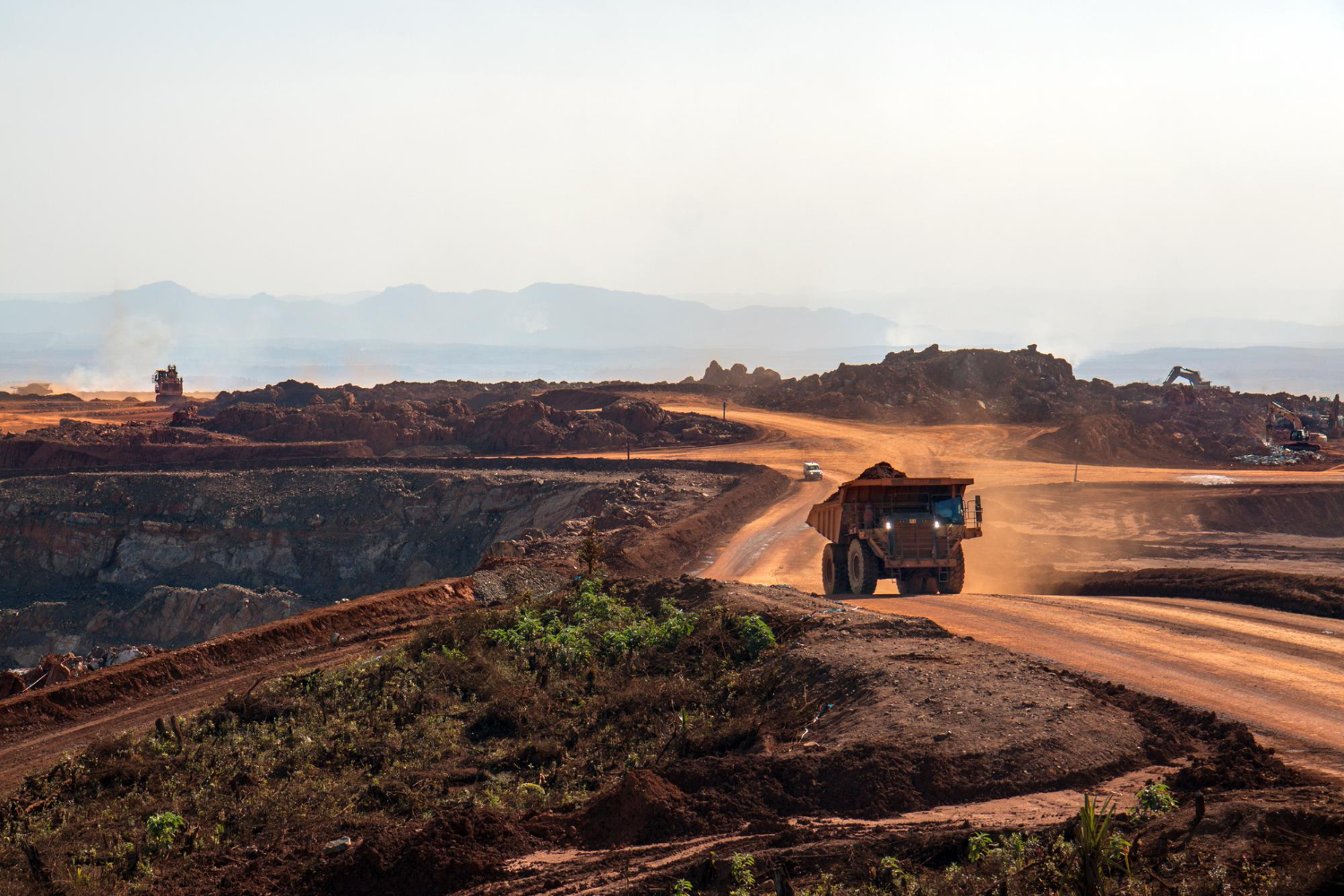
The Ministry of Mines and Energy Advances in Policies for a Just Transition in Artisanal Mining, Promoting Clean Technologies, Capacity Building, and Sustainable Cooperativism in Communities of the Legal Amazon
Artisanal mining is at the center of a national movement aiming to eliminate the use of mercury without compromising the livelihoods of the communities involved, according to a report published.
During the seminar “Controls: The Use of Mercury and the Future of Gold Extraction,” held on October 7 by Correio Braziliense in partnership with the Institute of Choices, the Ministry of Mines and Energy (MME) reaffirmed its commitment to a planned and fair transition.
The director of the Department of Sustainable Development in Mining at the MME, Julevânia Olegário, emphasized that the change is not only environmental, but also social and economic, affecting thousands of workers in the Legal Amazon.
-
Historic bankruptcy of Centauro shocks the market, and the century-old company puts more than 500,000 products, machines, and complete infrastructure up for online auction.

-
Brazil extracts 26.3 million tons of ore from what was previously treated as waste, transforming residues into wealth, producing over 3 million tons of sand, and demonstrating how national mining is relearning to generate value.

-
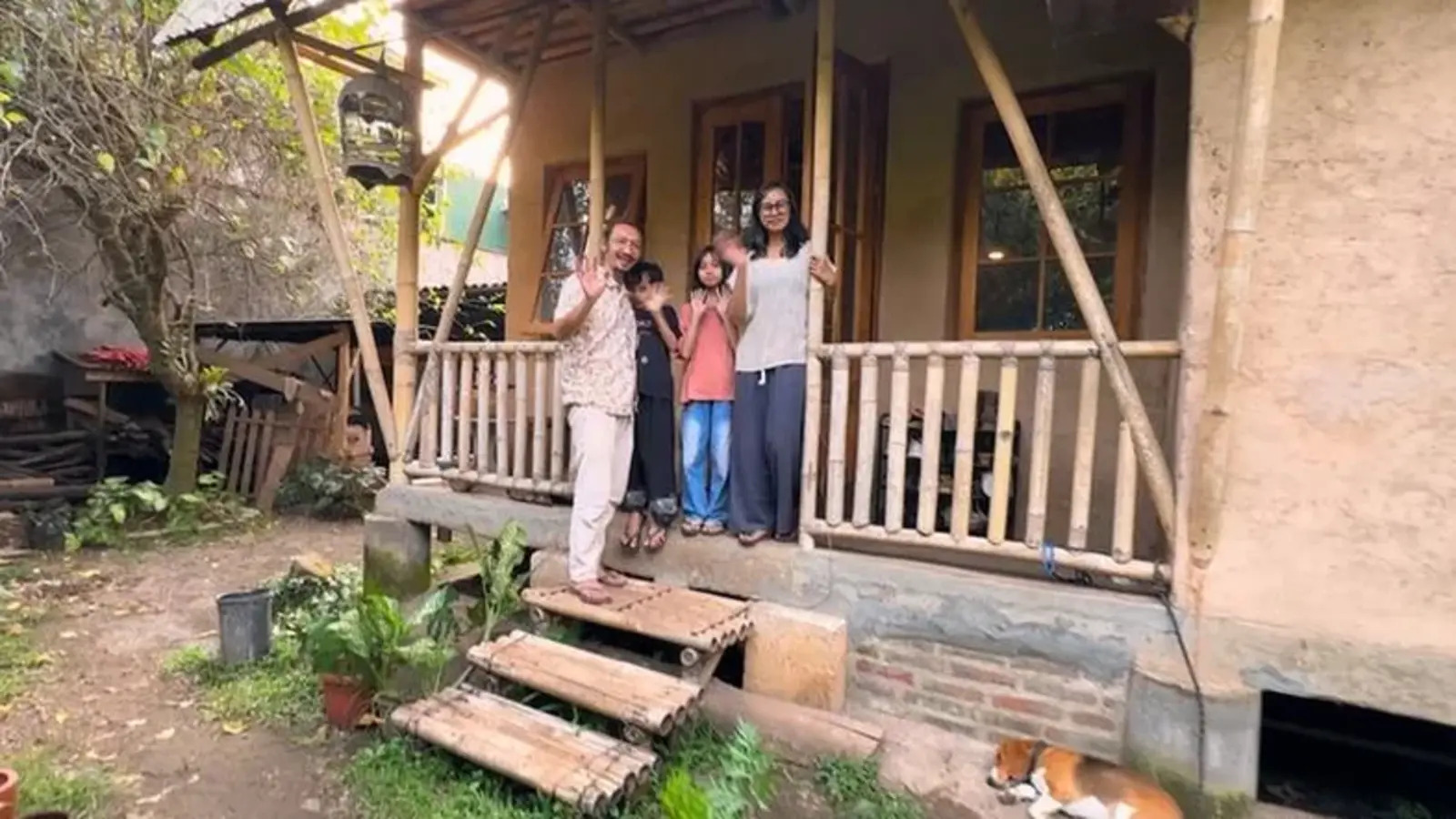
With earth, bamboo, straw, and lime mortar, a specialist builds a house for just over $460 and draws attention for its cost being much lower than traditional construction.
-
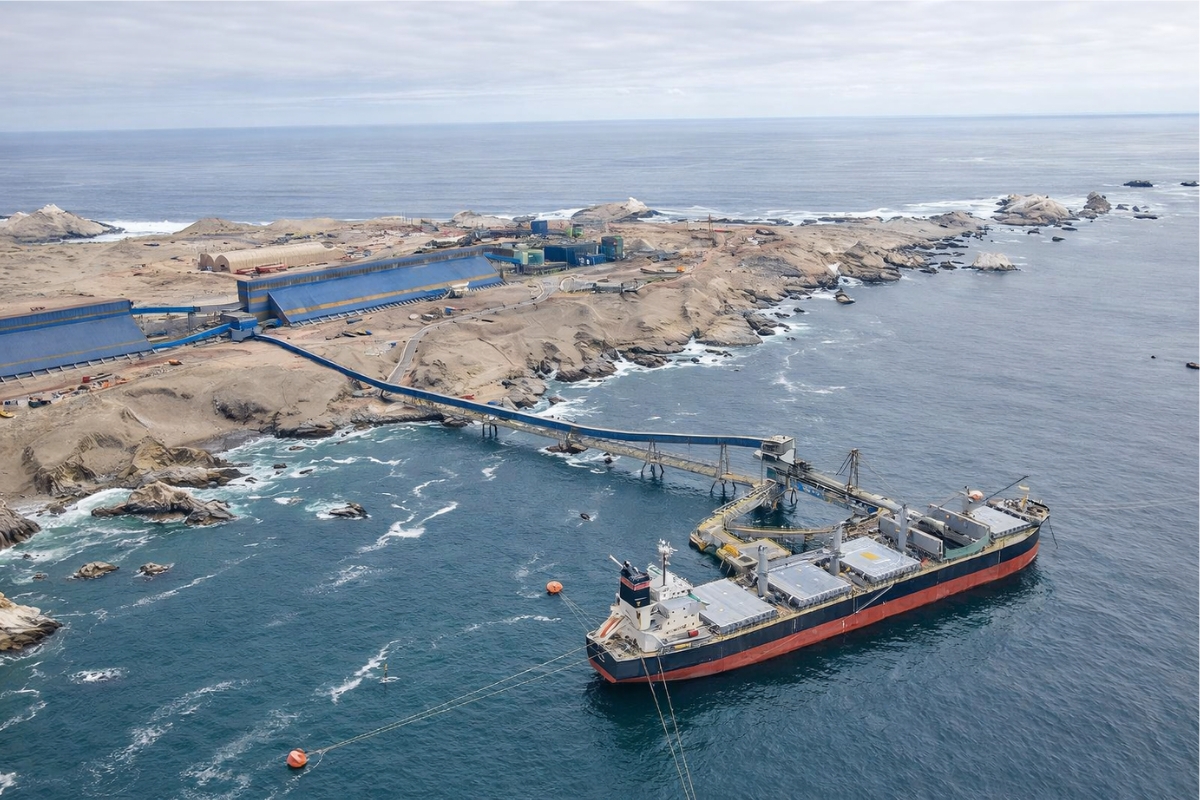
A $3.5 billion megaproject in Latin America pumps desalinated seawater at 1,050 liters per second over 194 km to keep a copper supermine in the Andes operational for another 20 years.

She stressed that the goal is clear: to eliminate mercury from artisanal mining. However, the transition must occur in a structured manner, with sustainable public policies and viable technological alternatives.
Olegário emphasized that “there is no immediate solution, but a continuous process with capacity building and community involvement.”
Clean Technologies and Innovation in Artisanal and Small-Scale Mining
The use of clean technologies in artisanal mining is one of the MME’s priority areas.
Brazil is a signatory to the Minamata Convention, which establishes global goals to reduce and eliminate the use of mercury.
However, experts warn that the replacement must be gradual, taking into account the living conditions of populations that depend on this activity in isolated regions.
According to the MME, the country has already developed safe technological alternatives that reduce mercury exposure and increase productive efficiency.
These solutions have been tested in partnerships with universities and research institutions, such as the University of São Paulo (USP), which leads a national study on artisanal mining.
Funded by the Global Environment Facility (GEF), the survey released in July presented unprecedented data on the socioeconomic conditions of the sector, essential for guiding more inclusive and sustainable public policies.
Capacity Building and Public Policies for Artisanal Mining Workers
Professional capacity building in artisanal mining is an essential pillar of this transition.
The MME has been promoting actions aimed at strengthening the communities involved through training, incentives for cooperativism, and access to new technologies.
The goal is to ensure decent working conditions and promote the formalization of the activity, reducing dependence on informal and unhealthy practices.
According to the Ministry, the Action Plan for Artisanal and Small-Scale Mining, currently under development, will be the main integrated management tool for the sector.
The document gathers guidelines from agencies such as the National Mining Agency (ANM), the Federal Police, and Ibama, and seeks to articulate efforts to balance mineral exploitation with environmental preservation and human development.
Cooperativism and Sustainability in the Transition of Artisanal Mining
Cooperativism in artisanal mining has proven to be a solid alternative to promote sustainability and reduce dependence on mercury.
By organizing workers into cooperatives, it is possible to expand access to credit, technology, and formal markets, strengthening the local economy and ensuring greater transparency in production chains.
The MME highlighted that, in addition to repressing illegal activities in protected areas, the focus is on creating legitimate opportunities for those who depend on artisanal mining.
This strategy involves partnerships between public agencies and research entities to implement sustainable and environmentally responsible production models.
With this, the government reinforces that the elimination of mercury must go hand in hand with income generation, social inclusion, and the rational use of natural resources, fundamental pillars for a truly fair and lasting transition.








-

Uma pessoa reagiu a isso.