





 Portuguese
  English
  Spanish
  3 min of reading


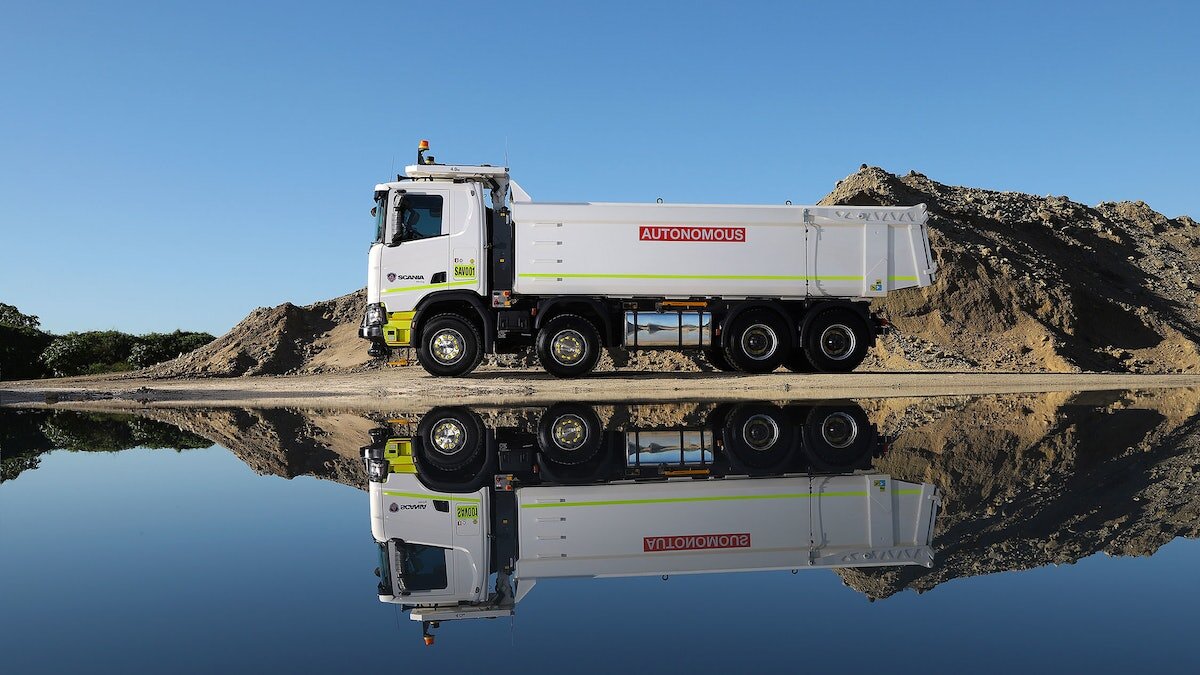
Scania and Rio Tinto Are Working on a Sustainability Project and Environmental Commitment in the Mining Sector. The Development of Electric Trucks and Autonomous Vehicles in the Miner’s Mines Are the Main Business Focuses.
Mining has been increasingly aligning with environmental commitments over the past few years. For this Tuesday, (10/18), Scania and miner Rio Tinto are working on a sustainability project in the segment. It involves the development of electric trucks to be used in a mine in the Pilbara region of Western Australia. The companies aim not only to minimize environmental impacts but also to ensure greater efficiency in production and processing of minerals.
Video: Tests with Electric Trucks Are Already Being Conducted
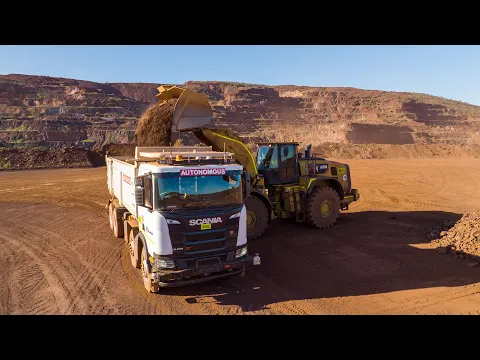

Electric Trucks and Autonomous Vehicles for Mining Are the Main Focuses of Scania and Rio Tinto’s Sustainability Project
The mining market is still one of the most polluting in the world, and companies in the sector are now coming together to develop solutions aimed at minimizing these impacts.
This is the case with Scania and miner Rio Tinto, which are working on a sustainability project focused on the electrification of vehicles used in mineral exploration.
-
After China, it’s now the turn of the USA to ‘secure’ a share of Brazil’s natural resources: the country buys critical rare earths for R$ 3 billion and enters the center of the global technology dispute.
-
Rare earths are in everything, from cell phones to bullet trains, and what almost no one realizes is why they have become the target of such a delicate global war.
-
Historic bankruptcy of Centauro shocks the market, and the century-old company puts more than 500,000 products, machines, and complete infrastructure up for online auction.

-
Brazil extracts 26.3 million tons of ore from what was previously treated as waste, transforming residues into wealth, producing over 3 million tons of sand, and demonstrating how national mining is relearning to generate value.


The companies are developing electric trucks to be used in a mine in the Pilbara region of Western Australia, thus seeking greater productive efficiency and environmental commitment.
To this end, a technical and financial cooperation agreement has been established for the coming years. This way, Rio Tinto’s Channar mine has become the first active partner location for Scania’s autonomous mining solution.
The partnership also goes beyond electric trucks and includes the use of other battery-powered vehicles over the next few years in mining.
Rio Tinto and Scania launched new tests on Scania’s 40-ton autonomous mining trucks in April 2022, with significant results regarding operational efficiency.
Now, the companies are investing in further developing the project to make electric trucks an increasingly near reality.
Santi Pal, Technical Director of the Rio Tinto Group, commented on the importance of the agreement: “Rio Tinto is excited about the partnership with Scania to develop a mining solution that will create optionality in our diverse portfolio. Collaboration and partnership are key to reimagining mining for the future.”
Operational Expenses and Efficiency in Exploration Are Other Benefits of Using Electric Trucks in the Sector, Say Scania and Rio Tinto
Although the pursuit of sustainability and environmental commitment are the factors motivating the development of the electric truck project by Scania and Rio Tinto, these are not the only benefits of the venture.
This is because Scania trucks have potential advantages over traditional heavy transportation trucks, both in terms of emissions and productivity.
“By using Scania’s autonomous mining trucks, power requirements, mining footprint, and infrastructure needs can be reduced, meaning that operational and capital expenses can also be lowered in suitable locations,” highlighted Rio Tinto.
In this way, they will be essential for Rio Tinto’s development plan, which aims to phase out the purchase of new diesel-powered trucks by 2030.
Peter Hafmar, Vice President and Head of Autonomous Solutions at Scania, commented on the partnership benefits for the company and stated that Scania seeks mining with sustainability.
Therefore, a business with a mining company focused on environmental causes such as Rio Tinto will bring even more opportunities for minimizing environmental impacts in the segment.








Seja o primeiro a reagir!