





 Portuguese
  English
  Spanish
  3 min of reading
  0 comments


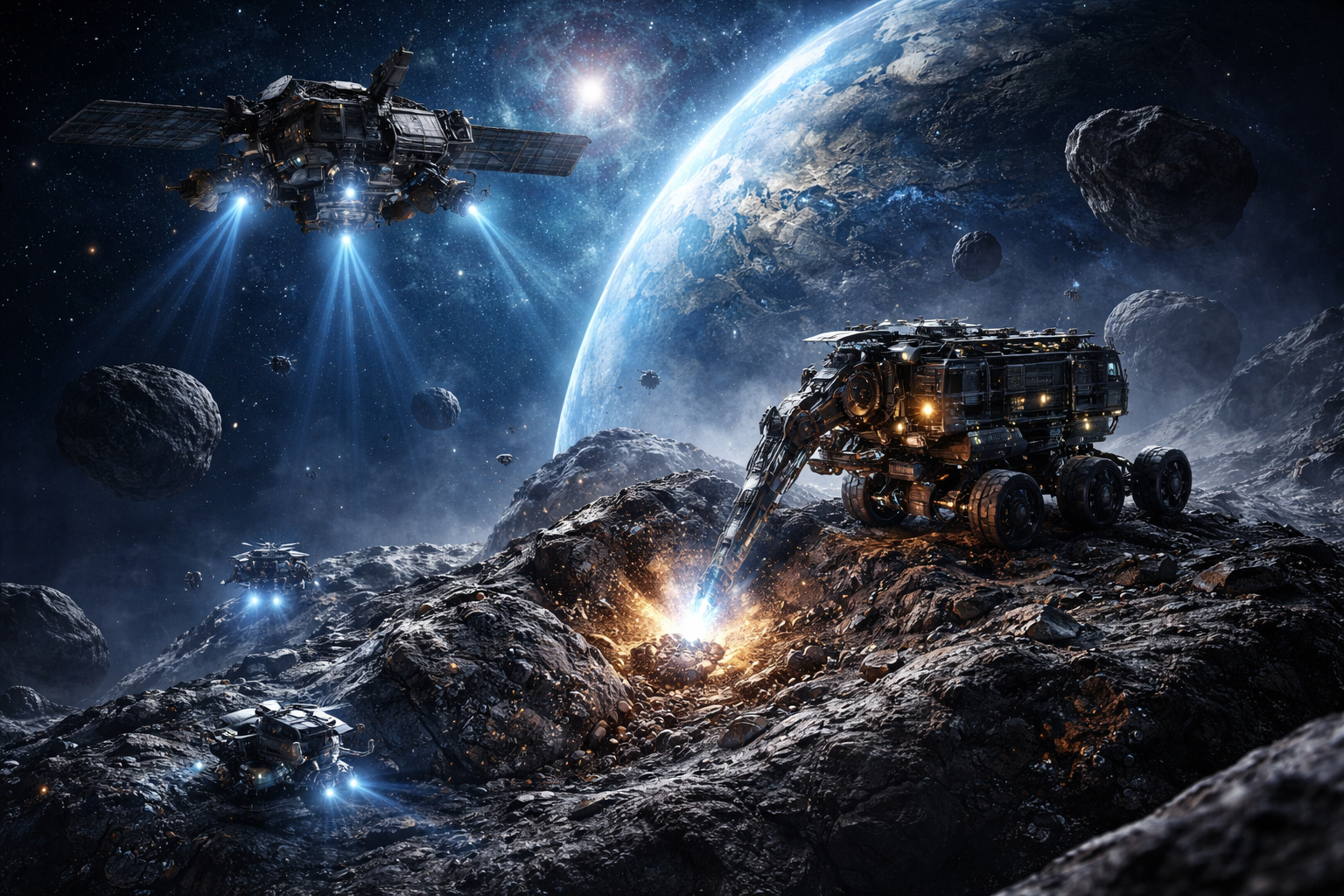
Research Indicates Scientific and Economic Advantages, but Highlights High Costs, Operational Risks and Regulatory Gaps
A scientific evaluation of great relevance for the future of space exploration has gained prominence in recent years, attracting international attention.
Asteroid mining started to be analyzed more concretely from the 2010s, when technological advances allowed for proximity missions, sample collection, and return.
These celestial bodies concentrate large amounts of metals such as iron, nickel, and platinum group elements, which consequently arouses economic and scientific interest.
At the same time, experts assess that the exploration of these resources still faces significant operational limits.
This context shows that the theme has moved from the realm of science fiction and has begun to integrate technical debates about the future of the space economy.
Scientific Advances Drive the Debate
The interest in space mining gained momentum after missions conducted by space agencies over the past decade.
The OSIRIS-REx mission, from NASA, launched in 2016, successfully collected samples from an asteroid and returned them to Earth in 2023, proving the viability of direct contact operations.
Similarly, the Japanese Hayabusa2 mission brought back material from an asteroid in 2020, expanding knowledge about its composition.
These results, therefore, indicate that resource acquisition is possible, although still on a limited scale.
Thus, large-scale mining remains a future goal, not an immediate one.
Economic Potential Attracts Global Attention
Recent studies indicate that some asteroids near Earth have concentrations of metals that, in theory, would surpass terrestrial reserves.
This possibility, therefore, attracts the interest of companies and governments, especially given the growing demand for strategic metals.
However, despite this potential, experts highlight that the cost of transporting equipment and materials is still extremely high.
Thus, assessments indicate that the use of these resources could initially occur in space itself, rather than with a return to Earth.
This factor reduces immediate expectations for a direct impact on terrestrial markets.
-
In Mexico, a 3,000-year-old Maya site with the dimensions of an entire city may have been built as a colossal map of the cosmos, created to represent the order of the universe and reveal how this people organized space, time, and rituals.

-
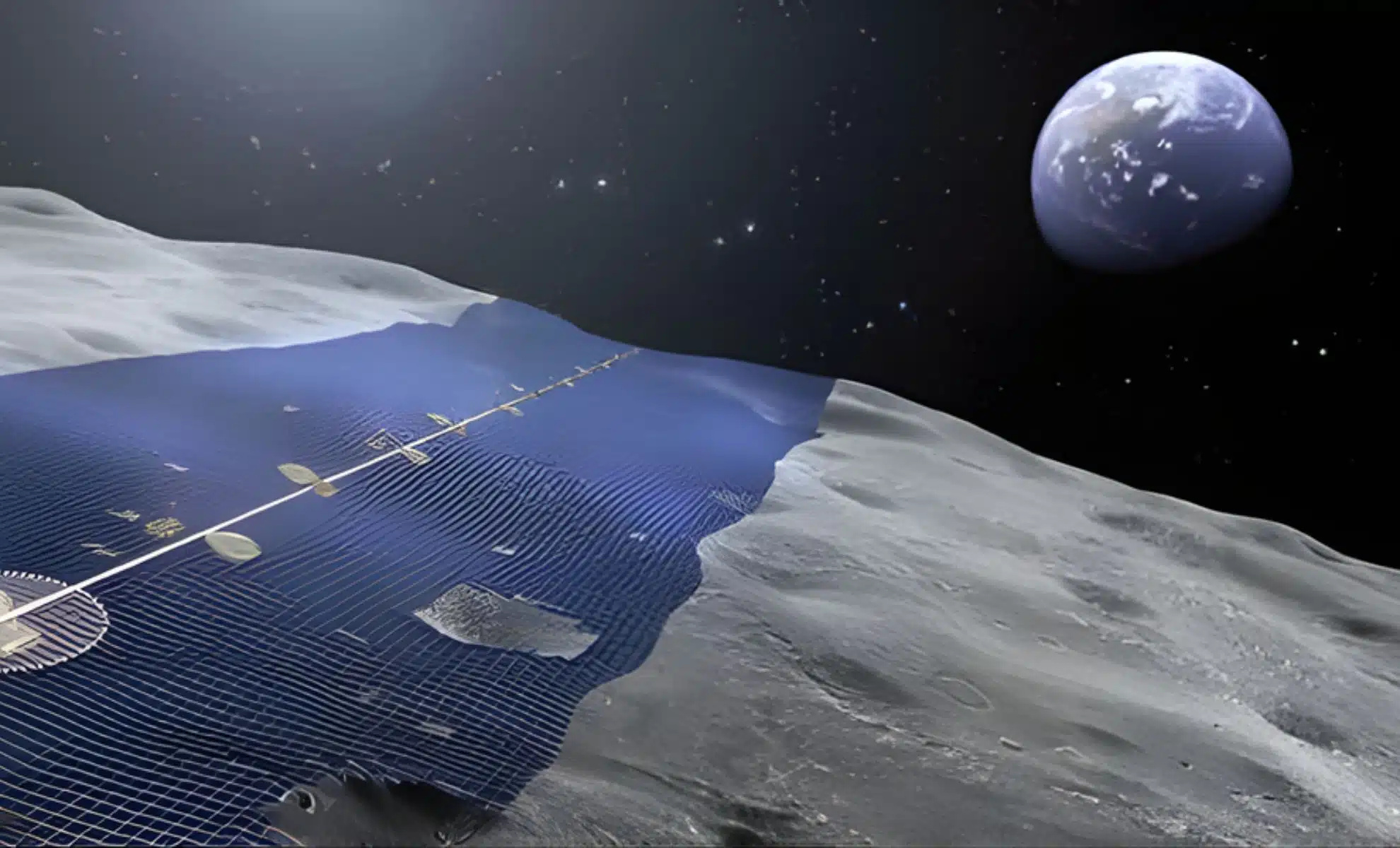
Japan wants to build a solar ring of 10,900 kilometers on the Moon to continuously send energy to Earth.
-
Weighing almost 1 ton, with temperatures of up to 3,000°C, the ability to launch 10,000 fragments within a radius of 1 km, capable of penetrating concrete and melting steel, Turkey’s terrifying bomb emerges as one of the most destructive non-nuclear weapons ever presented.

-
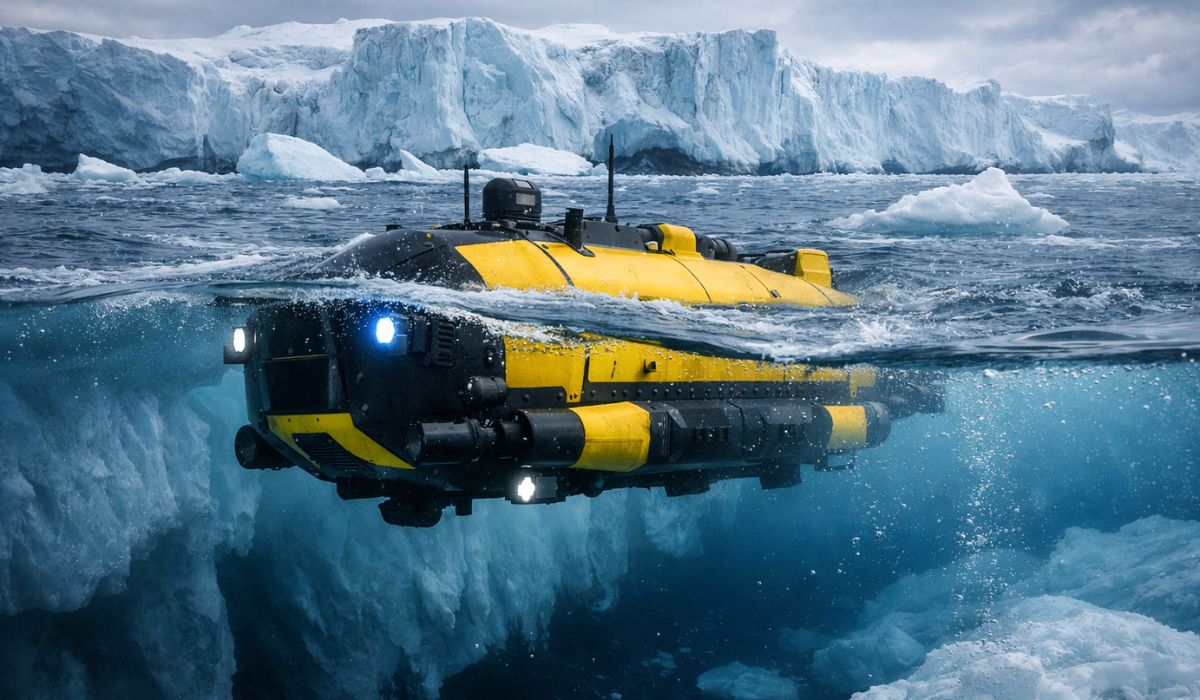
After a submarine disappeared beneath the “Doomsday Glacier,” scientists announce a new monstrous machine capable of operating at 3,000 meters depth to return to the heart of the ice and investigate a threat that could raise sea levels worldwide.

Technical and Operational Challenges Limit Advances
Despite the advances, asteroid mining involves considerable risks.
Operating in microgravity environments requires specific technologies that are still in development.
Additionally, handling large volumes of material presents difficulties that do not exist in traditional mining.
These challenges, therefore, delay the transformation of the concept into regular commercial activity.
Consequently, exploration remains confined to the experimental field.
Legal Issues Increase Uncertainty
Another central point involves the lack of clear international rules.
The Outer Space Treaty, signed in 1967, prohibits the appropriation of celestial bodies by countries, but does not detail the exploration of resources.
Since 2015, countries such as the United States and Luxembourg have created laws allowing companies to explore space resources.
Nevertheless, experts warn that the lack of global consensus could generate future disputes.
Thus, the push for more specific international agreements is growing.
Space Mining in Future Perspective
Although studies indicate that asteroid mining is technically possible, its commercial application still requires time.
Scientific advances, coupled with the gradual reduction of launch costs observed since 2010, keep the topic under discussion.
At the same time, technical, economic, and legal challenges reinforce a cautious approach.
Thus, the exploration of asteroids emerges as a promising yet distant frontier of the space economy.
Do you believe that efforts should prioritize the economic return of these resources or the scientific advancement they could provide for space exploration?







Seja o primeiro a reagir!