





 Portuguese
  English
  Spanish
  3 min of reading
  0 comments



Surprising Innovation: Bitcoin Mining Could Be The Key To Reducing Methane Emissions And Addressing Climate Change In A Revolutionary Way
Bitcoin mining, a process widely debated for its environmental impact, is gaining a new perspective by being associated with mitigating methane emissions, one of the main contributors to climate change. This technology, commonly criticized for its high energy consumption, is being seen as a possible solution to reduce the environmental impact of landfills and other sources of methane emissions.
According to a new study, bitcoin mining can be used to reduce methane emissions while generating an alternative revenue source for landfills. Researchers from groups such as Satoshi Action, Nodal Power, and CH4 Capital propose a model that links landfill gas conversion systems to electricity with bitcoin mining.
The idea is simple: methane, which is typically burned or released into the atmosphere, can be captured and converted into electricity, which would then be used to power bitcoin mining operations.
-
Havan buys historic football land in Blumenau for a million-dollar amount protected by a confidentiality clause and is already planning to change even the layout of streets to build a megastore in half-timbered style costing 80 million reais.

-
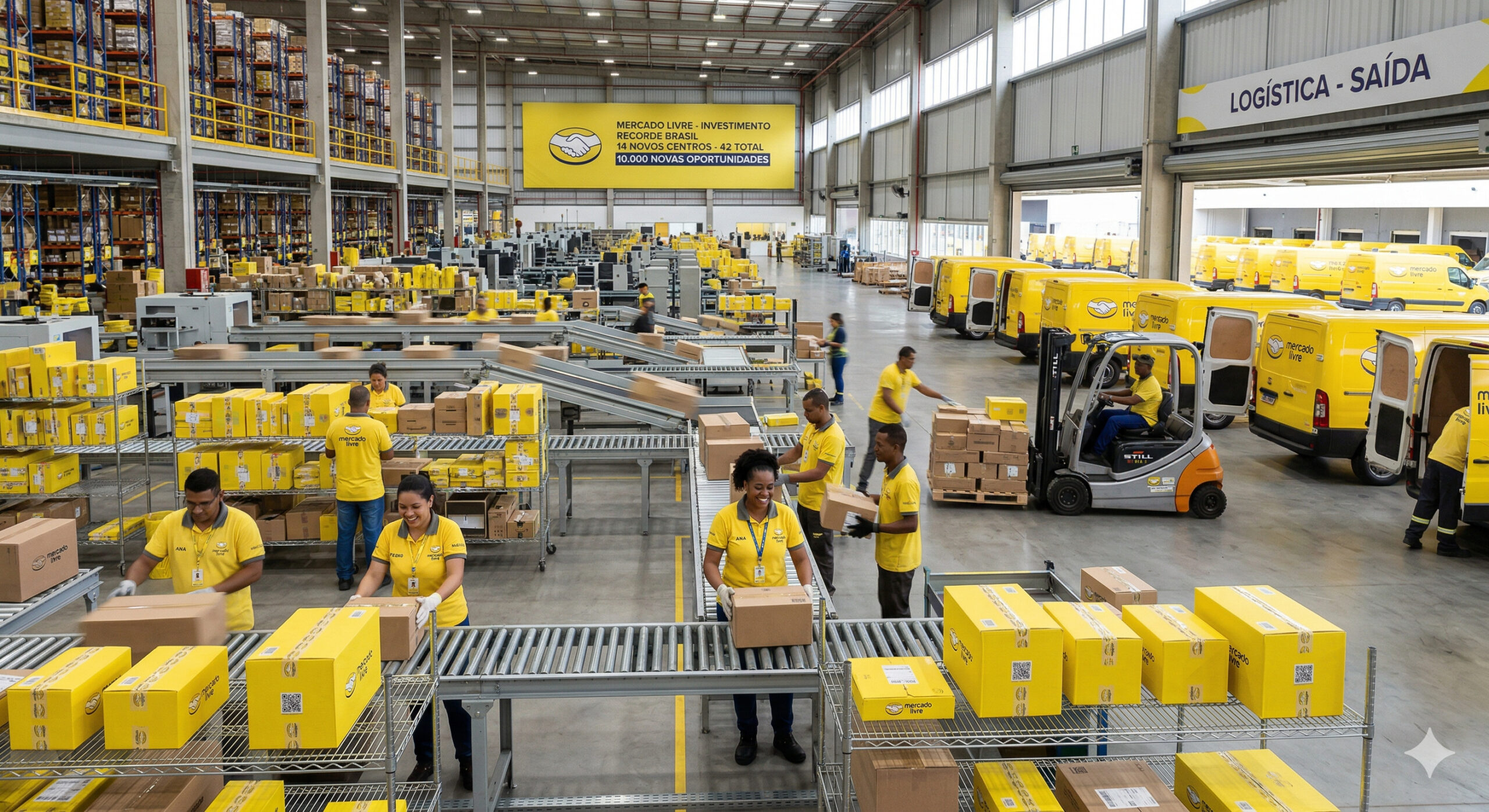
Mercado Livre “opens the vault” and announces a record investment of R$ 57 billion in Brazil in 2026, a value 50% higher than the previous year, with an expansion plan that includes 14 new logistics centers, totaling 42 units in the country and hiring an additional 10,000 employees.
-
How investment in technology can revolutionize the national economy and enhance industrial gains, according to a study that highlights the direct impact on productivity, innovation, and wealth retention within Brazil.
-
The largest food company on the planet, JBS, has just opened a 4,000 square meter laboratory in Florianópolis to develop customized proteins that modulate muscle mass gain, immune response, and metabolic performance.


This approach has the potential to offer a dual solution: mitigating climate change by preventing methane from being released into the atmosphere, and monetizing this process, creating a new revenue source for landfills. In regions where legislation mandates gas flaring, this proposal could be a financially viable and environmentally friendly alternative.
Integration Between Bitcoin Mining And Sustainability
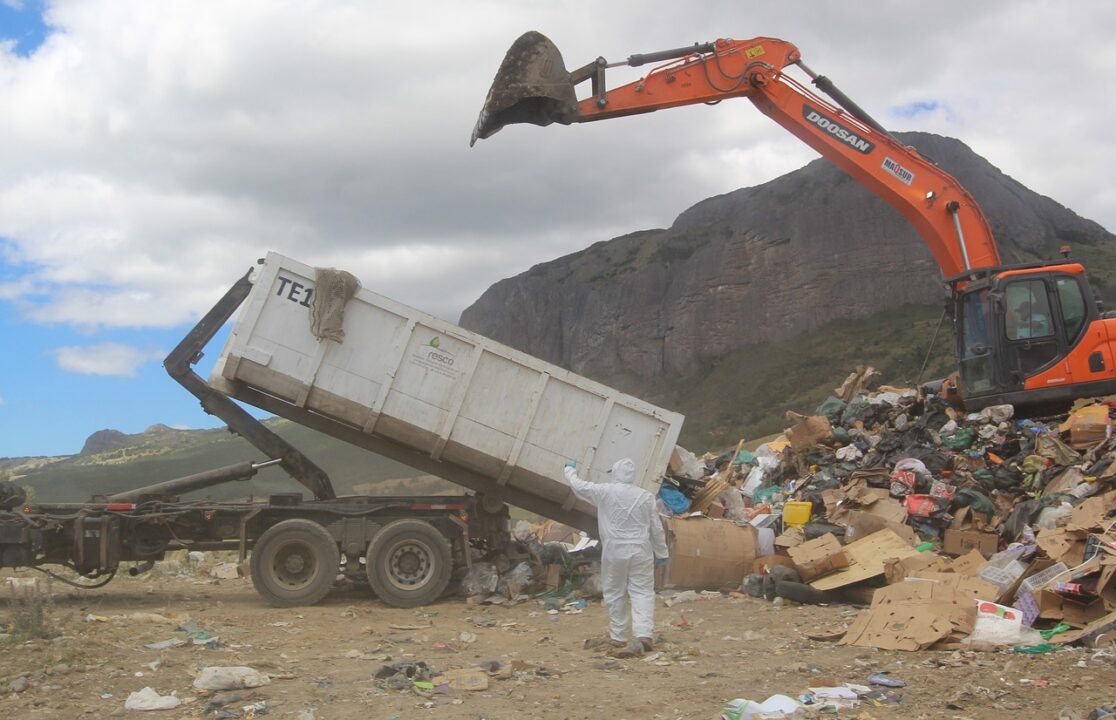
The study highlights that bitcoin mining can be an ally in creating sustainable solutions for waste management in landfills.
In addition to reducing methane emissions, the electricity generated can be used to power mining systems, creating a virtuous cycle between economy and sustainability.
Landfill gas, when captured and converted into electricity, prevents this potent greenhouse gas from being released, which helps effectively combat climate change.
Additionally, researchers assert that bitcoin mining can enhance the financial viability of landfills, especially in locations where laws require that methane be flared.
Instead of merely eliminating the gas, landfill operations could profit by converting it into energy for mining.
This would represent a new revenue source in an expanding global bitcoin market, enabling these operations to become financially more sustainable and environmentally responsible.

Financial Risks And Challenges
Despite the promising potential, researchers warn about the risks involved. The financial viability of bitcoin mining using landfill gas depends on several factors, such as equipment efficiency, electricity production costs, and the volatile price of bitcoin.
In smaller landfills, the production costs of energy can be high, which would make the process less profitable. Additionally, a significant drop in the value of bitcoin could impact the economic viability of the project.
Another important point highlighted by researchers is the need for strategic decisions in hardware selection and operational efficiency to ensure that both landfill operators and bitcoin miners can balance risks and benefits.
The selection of revenue-sharing models is also a crucial factor to ensure that all parties involved in the process gain financial advantages without compromising the project’s sustainability.
Real-Life Cases Of Methane Use In Bitcoin Mining
The proposal to use methane from landfills for bitcoin mining is not just a theory. Some companies are already implementing this idea in the real world.
Vespene Energy, a California-based company, was one of the pioneers in this field, utilizing microturbine technology to convert methane from landfills into electricity.
In 2022, the company received funding to expand its operations and, in 2023, partnered with Viridi Energy to use methane emissions from a landfill in Wisconsin to power on-site data processing.
Moreover, Vespene Energy is leading the “Pleiades Project,” which aims to use landfill gas to charge electric vehicles in the United States. The goal is to generate over 80 MW of electricity from 50 landfills in 21 states.
This project not only demonstrates the potential of using methane for bitcoin mining but also highlights the flexibility of this solution for other sustainable uses.








Seja o primeiro a reagir!