






 Portuguese
  Spanish
  3 min of reading
  0 comments


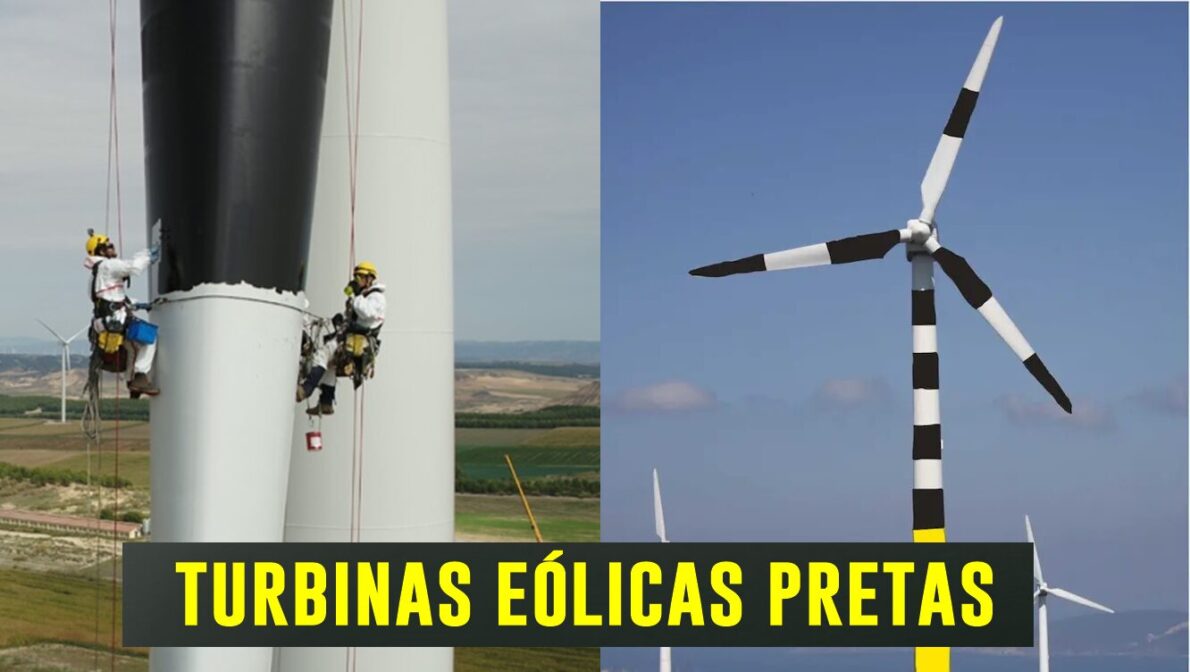
Researchers from Oregon State University are investigating the impact of painting wind turbine blades black to reduce bird collisions, in an effort to mitigate the negative effects of wind energy on wildlife. Initial studies suggest that changing the color of the blades may help prevent birds, especially eagles and other large birds, from colliding with wind turbines.
This project was inspired by a study conducted in Norway in 2020, where painting one of the wind turbine blades black resulted in a nearly 72% reduction in bird collisions. Although the Norwegian study involved only four turbines, researchers in Oregon are expanding the experiment, using 28 turbines at the Glenrock wind farm in Wyoming, operated by PacifiCorp.
Christian Hagen, a senior researcher in the Department of Fisheries, Wildlife, and Conservation Sciences at Oregon State University, emphasizes the importance of replicating the study with a larger sample before adopting the practice as policy. “While the results in Norway have been promising, it is crucial to test this approach on a larger scale and with different bird species to ensure that it is truly effective and that there are no unforeseen negative consequences, said Hagen.
-
Brazil filled the Northeast with wind turbines but now faces the side effect of 705 giant blades reaching the end of their lifespan by 2032 just in Rio Grande do Norte, while the world projects 43 million tons of waste by 2050.

-
Brazil has filled the Northeast with wind turbines, but now it faces the side effect of 705 giant blades reaching the end of their useful life by 2032 just in Rio Grande do Norte, while the world projects 43 million tons of waste by 2050.
-
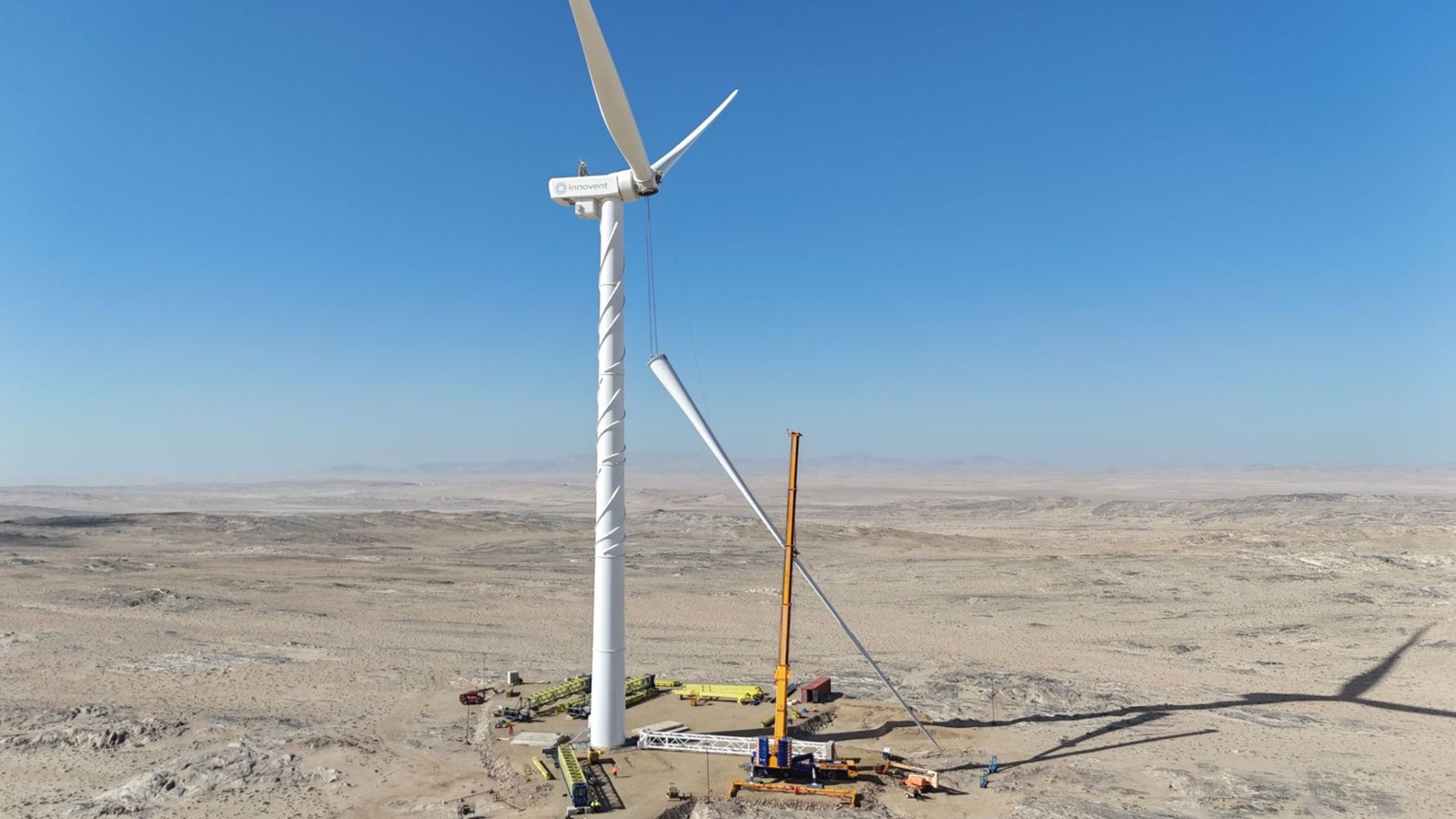
Wind farm in Namibia will have wind turbines assembled without giant cranes and is expected to avoid 200,000 tons of carbon dioxide per year when it becomes operational.

-
Taller than the Statue of Liberty, thousands of wind turbines are being planted in the middle of U.S. fields, creating two-story farms where corn and soybeans grow below while the wind turns into electricity above.




PhD student Natia Javakhishvili, who is part of the project, is developing a model that uses bird movement data from the study site. The goal is to assess whether birds show greater avoidance when approaching turbines with painted blades.
Javakhishvili is primarily focused on golden eagles, a species particularly vulnerable to wind turbines. She aims to use a vast dataset containing millions of movement records of these birds to refine the model and predict avoidance behavior more accurately.
In addition to golden eagles, other aspects of the research involve the impact of wind energy on species like the ferruginous hawk, native to the western United States. To this end, field teams use sniffer dogs to locate the carcasses of birds and bats, contributing to the study’s database.
Wind Turbines: How Black Blades Help Prevent Collisions
The main hypothesis behind painting the blades black is that this technique disrupts the visual uniformity of the airspace, making wind turbines more visible to birds. This could encourage avoidance behavior, especially among raptors, such as eagles and hawks, which have excellent daytime vision.
However, the effectiveness of this strategy for bats, which rely more on auditory signals and have a different visual perception, remains uncertain. One of the research objectives is precisely to understand whether painting the blades has any impact on this species.
Although PacifiCorp’s project is one of the largest of its kind in the United States, similar initiatives are underway in other countries. In the Netherlands, Vattenfall is conducting a similar experiment with seven turbines.
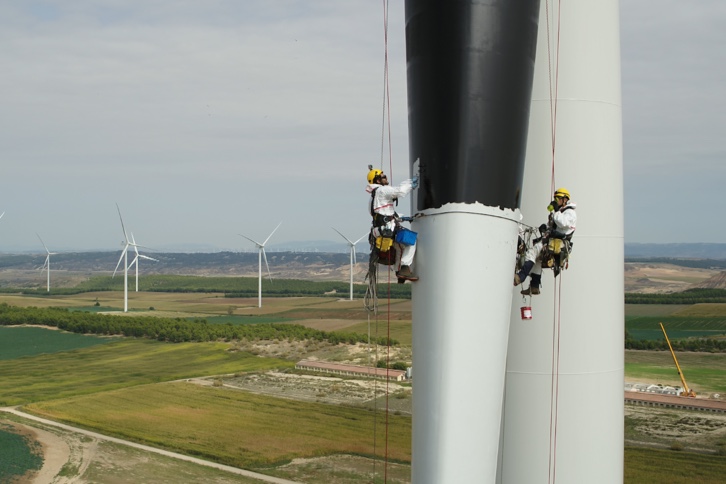
In Spain, Iberdrola has also painted turbine blades black as part of a study involving other visual techniques, such as applying vinyl shapes to the turbine towers.
In South Africa, painting the blades with red stripes is being tested, after the South African Civil Aviation Authority rejected black as the ideal color. The decision was based on the fact that, in good light conditions, red is more visible to raptors.
Differences Between Onshore and Offshore Wind Farms
It is worth noting that most of these projects involve onshore wind farms and terrestrial birds. However, the impacts of offshore wind energy on seabirds still pose a significant challenge.
Offshore wind energy involves additional factors, such as habitat changes and boat movements around the wind farms, which can impact seabird life in more complex ways. Therefore, detailed monitoring is necessary before, during, and after the construction of offshore parks to understand the full effects on these species.
In summary, the research conducted in Oregon aims to explore ways to harmonize the growth of wind energy with the protection of wildlife, especially birds threatened by wind turbines.
If the findings are positive, simply painting wind turbine blades black could become an effective and low-cost solution to reduce bird and bat deaths, contributing to environmental sustainability without harming clean energy generation.





-

1 person reacted to this.