





 Portuguese
  English
  Spanish
  4 min of reading
  0 comments


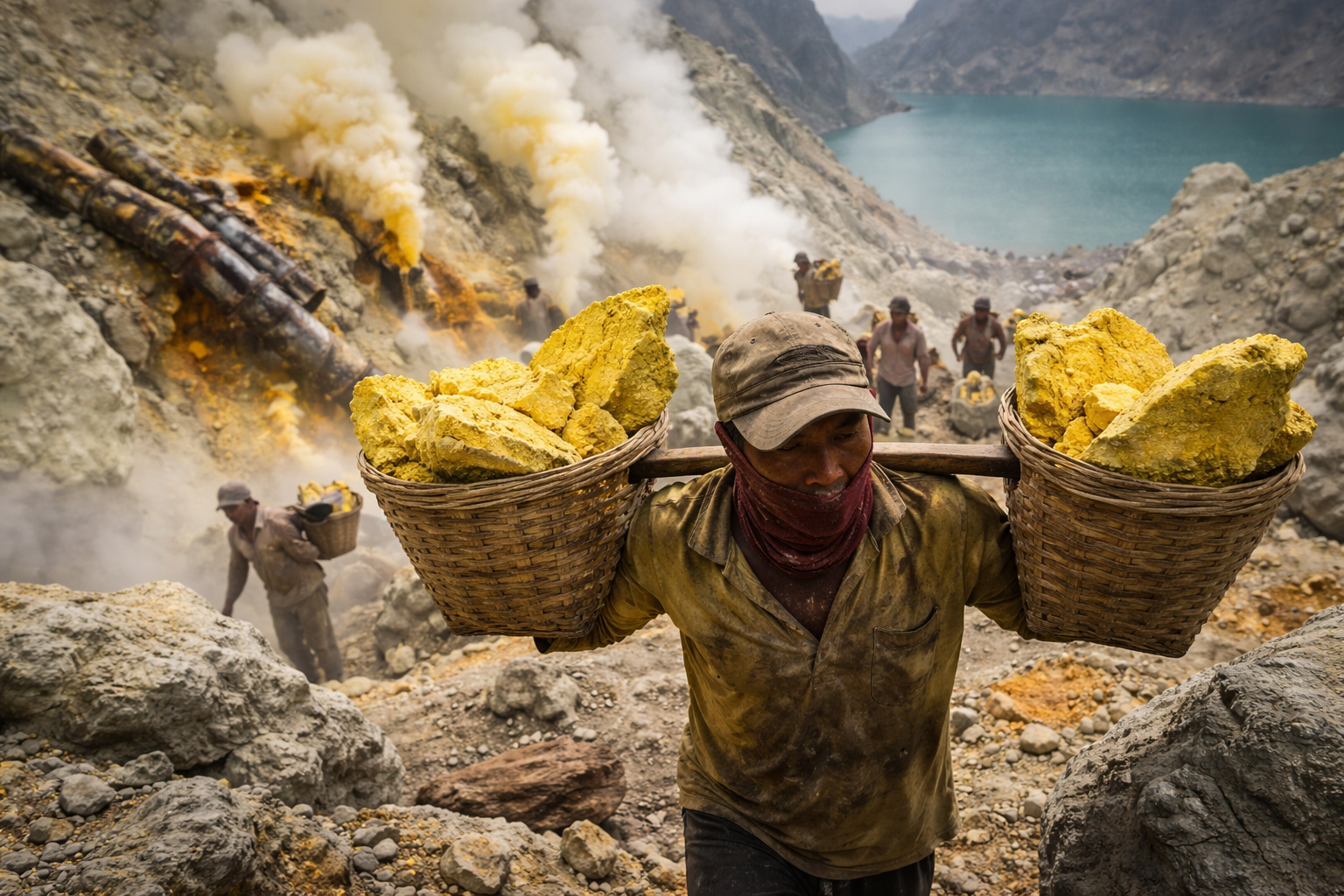
Artisanal Mining of the So-Called “Devil’s Gold” Sustains Local Communities in Indonesia, but Poses Severe Challenges to Workers’ Health, Safety, and Economic Future
A traditional high-risk activity remains active in eastern Indonesia and continues to draw international attention. The artisanal sulfur mining at Ijen Volcano, continuously operating since at least the 1970s, takes place on the slopes of an active volcano, combining toxic gases, intense heat, and unstable terrain. Despite this, the activity remains essential for families with few options for formal employment, according to academic studies and international reports published over the past 20 years.
The work involves long hours, extreme physical effort, and modest pay. Still, even in the face of ongoing risks, sulfur extraction continues to be one of the main sources of income in the region, as pointed out by surveys from Gadjah Mada University and reports from the BBC and National Geographic published between 2005 and 2022.
What Is the So-Called “Devil’s Gold” Extracted from Ijen Volcano?
The sulfur extracted from Ijen Volcano is nicknamed “devil’s gold” due to its intense yellow color and the contrast between the economic value generated and the extreme risk of the work. This material forms when sulfur-rich gases emerge from fissures in the volcanic rock, pass through manually installed metal pipes, and then condense into solid blocks.
-
USA and China compete for Brazil over resources that could be worth trillions — rare earths put the country at the center of a global dispute

-
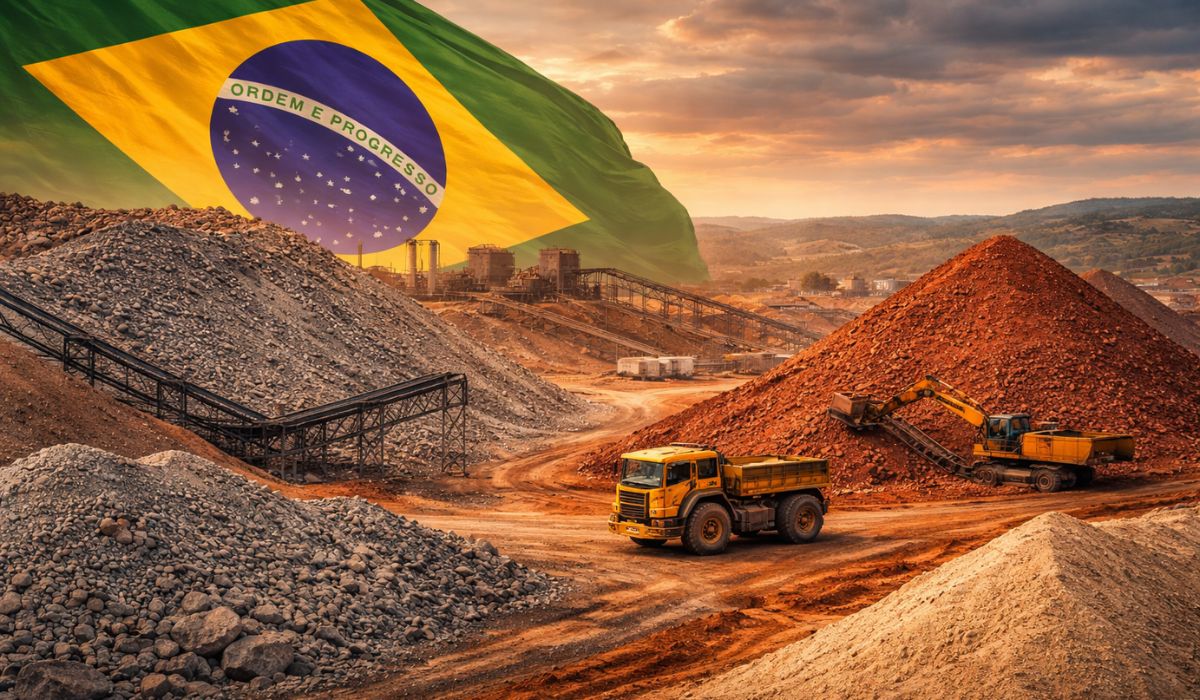
After China, it’s now the turn of the USA to ‘secure’ a share of Brazil’s natural resources: the country buys critical rare earths for R$ 3 billion and enters the center of the global technology dispute.
-
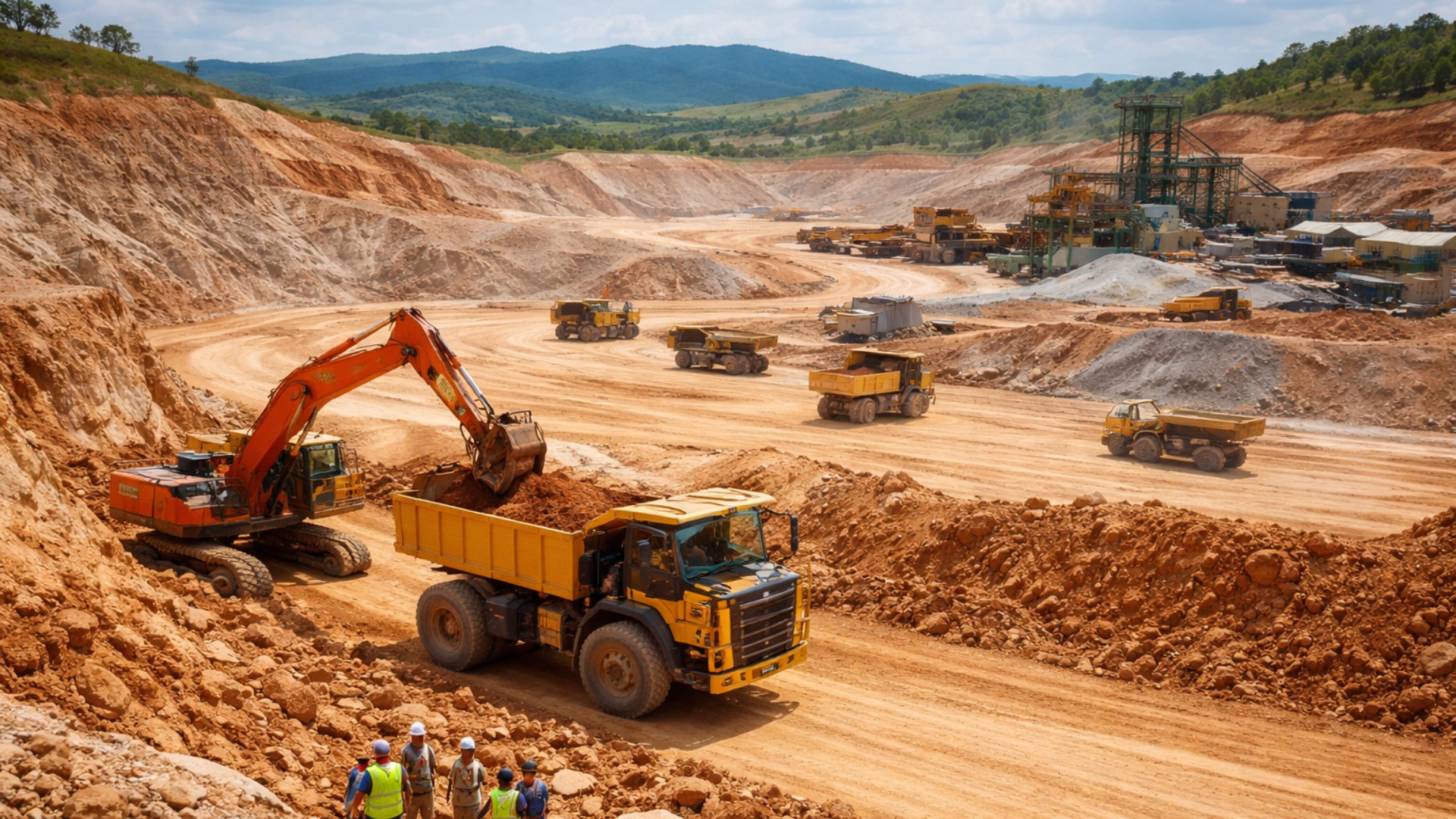
Rare earths are in everything, from cell phones to bullet trains, and what almost no one realizes is why they have become the target of such a delicate global war.
-
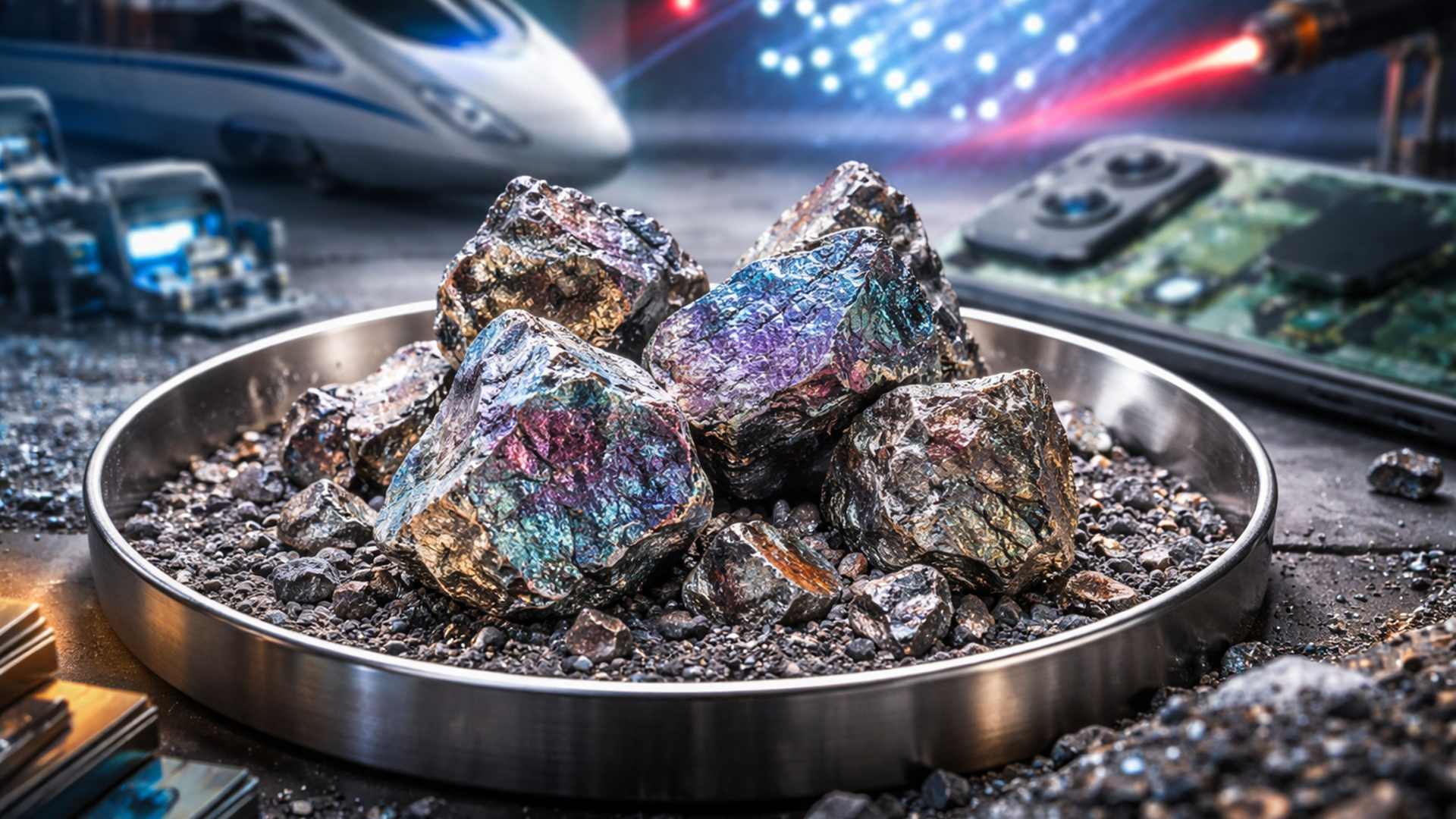
Brazil extracts 26.3 million tons of ore from what was previously treated as waste, transforming residues into wealth, producing over 3 million tons of sand, and demonstrating how national mining is relearning to generate value.

Subsequently, these blocks are manually broken down with simple tools. Although data from the International Energy Agency indicates that approximately 98% of the world’s sulfur is obtained through industrial processes related to oil and gas, artisanal extraction at Ijen persists. Since the 1980s, workers have operated as self-employed individuals, almost always without formal employment contracts, relying directly on this activity for their survival.
How Does the Daily Routine of Sulfur Mining in Ijen Work?
The work starts early in the morning, when temperatures are slightly cooler and tourist traffic is lower. Then, the miners walk to the edge of the crater and descend narrow, steep trails. Soon after, they reach the blue-green lake, recognized as one of the most acidic in the world, according to studies from the Indonesian Volcanology Institute released since the 1990s.
At this location, molten sulfur flows through the pipes, solidifies, and forms yellow blocks. These blocks are placed in bamboo baskets, which typically weigh between 60 and 90 kilograms per trip. Wearing simple sandals, many workers repeat the journey two or three times a day, covering more than 3 kilometers per trip, which increases physical strain and the risk of accidents on slippery terrain.
Why Is Sulfur Mining in Ijen Considered One of the Most Dangerous in the World?
Various studies and international reports classify this activity as one of the most dangerous occupations on the planet. The main threat lies in the inhalation of sulfur dioxide, a highly toxic gas. Reports from the World Health Organization have warned since the 2000s that exposure can cause respiratory irritation, permanent lung damage, loss of consciousness, and even sudden deaths when an unexpected change in wind occurs.
As professional masks are expensive and scarce, many workers use only wet cloths, which offer limited protection. Additionally, there are constant risks of burns from contact with hot sulfur, falls on steep slopes, and musculoskeletal diseases associated with repetitive strain, according to medical surveys conducted between 2005 and 2020 in the region.
What Is the Sulfur Extracted from Ijen Volcano Used For?
After collection, the sulfur goes to small processing centers. There, teams purify the material and sell it to intermediaries. Although it represents a small share of global production, sulfur has regional economic importance. It supports the production of sulfuric acid.
This acid serves various production chains. It is used in fertilizer production, sugar bleaching, and food processing. It is also involved in rubber vulcanization and the battery industry.
Challenges to Make the Activity Less Risky and More Sustainable
Researchers and local organizations are discussing measures to reduce risks. The proposals include more protective equipment, improvements to the trails, and weight limits for loads. Experts also advocate for regular medical monitoring.
However, since the 2010s, any change must consider the local economic dependency. Many families also rely on tourism from the “blue flames”.
In this context, how can safety, health, and livelihood be balanced in an activity still vital to many families?







Seja o primeiro a reagir!